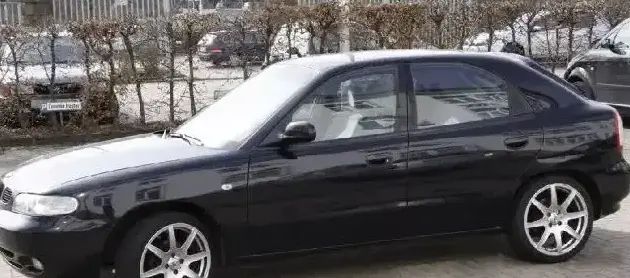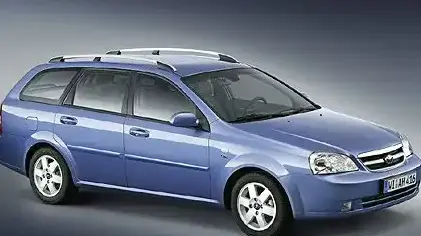
The Daewoo Nubira Wagon III 1.8 i 16V, produced from 2004 to 2005, represented a relatively late iteration of the Nubira line, a compact car initially introduced in 1997. This wagon variant, built upon the J100 platform, aimed to provide a practical and affordable family vehicle, particularly in European and select international markets. While Daewoo as a brand faced significant challenges and eventual acquisition by General Motors, the Nubira Wagon offered a compelling blend of space, features, and value within its segment. The 1.8L engine and automatic transmission combination positioned this trim as a mid-range offering, appealing to buyers prioritizing convenience over outright performance.
Technical Specifications
| Brand | Daewoo |
| Model | Nubira |
| Generation | Nubira Wagon III |
| Type (Engine) | 1.8 i 16V (123 Hp) |
| Start of Production | 2004 |
| End of Production | 2005 |
| Powertrain Architecture | Internal Combustion Engine |
| Body Type | Station Wagon (Estate) |
| Fuel Type | Petrol (Gasoline) |
| Power | 123 Hp |
| Engine Model/Code | T18SED |
| Engine Aspiration | Naturally Aspirated |
| Engine Oil Capacity | 4 l (4.23 US qt | 3.52 UK qt) |
| Coolant Capacity | 7.5 l (7.93 US qt | 6.6 UK qt) |
Powertrain & Engine Architecture
The heart of the Nubira Wagon III 1.8 i 16V is the T18SED engine, an 1.8-liter inline-four cylinder gasoline engine. This engine utilizes a naturally aspirated configuration, meaning it doesn’t employ forced induction like a turbocharger or supercharger. The “16V” designation indicates a dual overhead camshaft (DOHC) valvetrain with four valves per cylinder, contributing to improved breathing and higher-end power delivery. Fuel delivery is managed by a multi-point fuel injection system, a common setup for engines of this era, ensuring efficient fuel atomization and combustion. The engine’s block is constructed from cast iron for durability, while the cylinder head is typically aluminum alloy to reduce weight.
Paired with the 1.8L engine is a four-speed automatic transmission. This transmission, while providing ease of use, is a relatively conventional design compared to more modern automatic gearboxes. It features torque converter technology for smooth engagement and multiplication of engine torque. The gear ratios are tuned for a balance between fuel efficiency and acceptable acceleration, though it doesn’t offer the responsiveness of a manual transmission or the efficiency of a more modern automatic with a greater number of gears. The automatic transmission was a key selling point for buyers seeking a comfortable and convenient driving experience, particularly in urban environments.
Driving Characteristics
The Nubira Wagon III 1.8 i 16V offers a comfortable, if not particularly sporty, driving experience. With 123 horsepower and around 128 lb-ft of torque, acceleration is adequate for everyday driving, but it won’t provide exhilarating performance. The four-speed automatic transmission contributes to a smooth, albeit somewhat leisurely, power delivery. The gear changes are noticeable, and the transmission can sometimes feel hesitant during quick acceleration maneuvers. Compared to the manual transmission versions of the Nubira, the automatic sacrifices some responsiveness. The automatic also differs from potential higher-output engine options (if available in other markets) which would have offered significantly more power and quicker acceleration. The suspension is tuned for comfort, absorbing bumps and imperfections in the road reasonably well. However, this comfort comes at the expense of precise handling; body roll is noticeable during cornering.
Equipment & Trim Levels
The 1.8 i 16V trim of the Nubira Wagon III typically included a reasonable level of standard equipment. This generally encompassed power windows, power door locks, and a basic audio system. Air conditioning was usually standard, a necessity for many buyers. Interior upholstery was typically cloth, with a relatively simple and functional design. The dashboard layout is straightforward, prioritizing ease of use over aesthetic flair. Optional extras available for this trim could include alloy wheels, a sunroof, and an upgraded audio system with a CD player. Higher trim levels, if offered, would have added features like leather upholstery, automatic climate control, and more advanced audio systems.
Chassis & Braking
The Nubira Wagon III utilizes a MacPherson strut front suspension and a multi-link rear suspension. This suspension setup provides a good balance between ride comfort and handling. The front suspension incorporates a stabilizer bar to reduce body roll during cornering. The rear suspension design aims to minimize intrusion into the cargo area, maximizing space. Braking duties are handled by disc brakes on the front wheels and drum brakes on the rear wheels. This configuration was common for vehicles in this price range during the early 2000s. The braking system is adequate for normal driving conditions, but it lacks the stopping power and feel of more advanced braking systems with discs on all four wheels. The steering is hydraulic power-assisted, providing reasonable assistance at low speeds.
Market Reception & Comparison
The Daewoo Nubira Wagon III 1.8 i 16V received mixed reviews from automotive critics. It was generally praised for its spacious interior, practical wagon body style, and competitive price point. However, it was often criticized for its unremarkable performance, somewhat dated interior design, and the lack of refinement compared to some of its rivals. Fuel economy was considered average for its class. Compared to other trims in the Nubira lineup, the 1.8L automatic offered a compromise between performance and convenience. The manual transmission versions provided a more engaging driving experience, while higher-output engine options (if available) delivered quicker acceleration. Competitors in the compact wagon segment included the Ford Focus Wagon, Opel/Vauxhall Astra Estate, and Skoda Octavia Estate.
Legacy
The Daewoo Nubira Wagon III, and the 1.8L automatic variant specifically, has become a relatively affordable and accessible used car option. The T18SED engine is generally considered reliable, though regular maintenance is crucial to prevent issues. Common maintenance concerns include oil leaks, timing belt replacement (a critical service item), and potential issues with the automatic transmission over the long term. Parts availability can be a challenge, as Daewoo no longer exists as an independent brand, and parts sourcing often relies on aftermarket suppliers or GM dealerships. Despite these potential issues, the Nubira Wagon III remains a practical and economical choice for buyers seeking a spacious and affordable wagon, particularly those willing to perform some basic maintenance and repairs themselves. Its enduring appeal lies in its simplicity, practicality, and value for money.