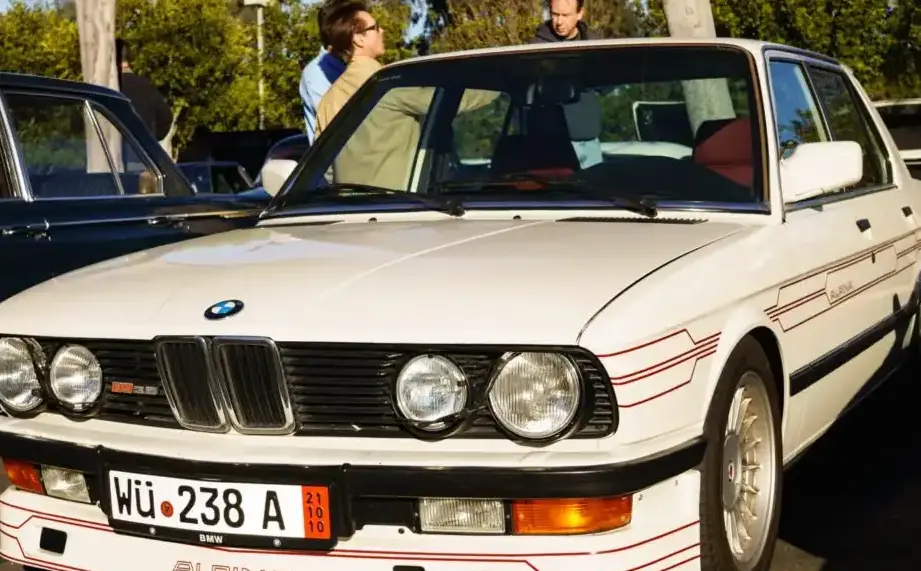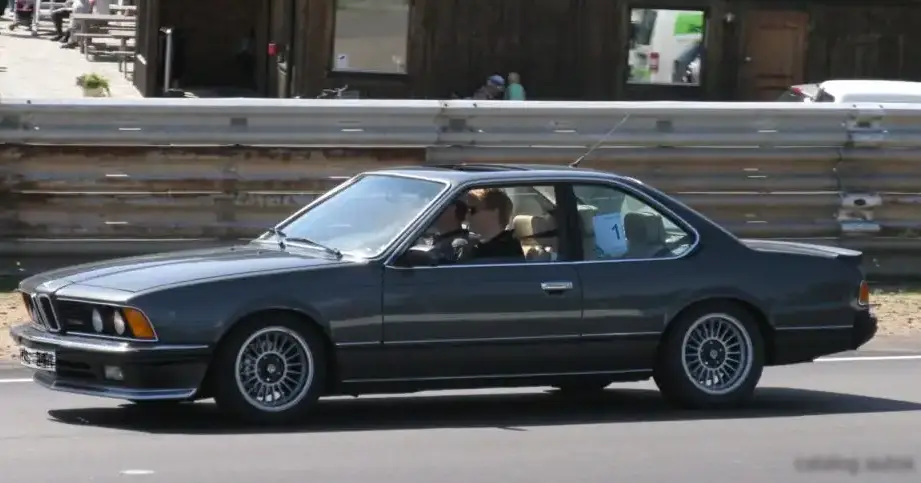
The Alpina B9 Coupe (E24) 3.5, produced between 1982 and 1985, represents a high-performance iteration of the BMW E24 6-Series coupe, meticulously engineered by the independent German automotive engineering firm, Alpina. This model wasn’t simply a modified 6-Series; it was a comprehensively upgraded vehicle designed to bridge the gap between the standard BMW offerings and the outright racing focus of Alpina’s larger, more competition-oriented models. The B9 3.5 occupied a unique position in Alpina’s lineup, offering a blend of grand touring comfort and significant performance, appealing to drivers seeking a refined yet exhilarating driving experience. It’s important to note that Alpina vehicles were not simply “tuned” BMWs; they were built on BMW chassis but received extensive modifications and were officially recognized by BMW themselves, receiving their own VIN numbers.
Technical Specifications
| Brand | Alpina |
| Model | B9 |
| Generation | B9 Coupe (E24) |
| Engine Type | 3.5 (245 Hp) |
| Start of Production | 1982 |
| End of Production | 1985 |
| Powertrain Architecture | Internal Combustion Engine |
| Body Type | Coupe |
| Fuel Type | Petrol (Gasoline) |
| Power | 245 Hp |
| Engine Aspiration | Naturally Aspirated |
Powertrain & Engine Architecture
At the heart of the B9 3.5 lies a modified version of BMW’s M30 inline-six engine, displacing 3.5 liters (3453cc). While based on the M30, Alpina subjected the engine to significant internal upgrades. These included a lightened and balanced crankshaft, high-compression pistons, a performance camshaft with increased duration and lift, and a ported and polished cylinder head. The intake manifold was also revised for improved airflow. Fuel delivery was handled by Bosch K-Jetronic mechanical fuel injection, a system known for its precision and reliability, though less sophisticated than later electronic systems. Alpina’s modifications resulted in an output of 245 horsepower at 5750 rpm and 250 lb-ft of torque at 4000 rpm. The engine was mated to a Getrag 265 five-speed manual transmission, chosen for its robustness and precise shift feel. An automatic transmission was available as an option, though it was less common and generally considered to diminish the driving experience somewhat. The exhaust system was a bespoke Alpina design, featuring stainless steel construction and a free-flowing design to minimize backpressure.
Driving Characteristics
The B9 3.5 offered a distinctly different driving experience compared to the standard BMW 6-Series. The increased power and torque, combined with the lighter crankshaft, allowed for quicker acceleration and a more responsive feel. Independent tests of the period showed a 0-60 mph time of around 6.5 seconds and a top speed of approximately 155 mph. The five-speed manual transmission provided precise control, while the optional automatic, though convenient, felt less engaging. The suspension was also upgraded by Alpina, featuring stiffer springs, Bilstein shock absorbers, and larger anti-roll bars. This resulted in reduced body roll and improved handling, making the B9 3.5 a capable performer on winding roads. However, the stiffer suspension did come at the expense of some ride comfort, making it slightly less forgiving on rough surfaces than a standard 6-Series. The steering, while still hydraulic power-assisted, felt more direct and communicative.
Equipment & Trim Levels
The Alpina B9 3.5 was positioned as a premium grand tourer, and its equipment levels reflected this. Standard features included leather upholstery, power windows, central locking, and a high-quality stereo system. Alpina also added its own unique touches, such as a distinctive three-spoke steering wheel, special Alpina gauges (including oil temperature and pressure), and a stainless steel exhaust system with quad outlets. Optional extras included air conditioning, a sunroof, and a limited-slip differential. Interior trim was typically executed in high-quality materials, with a focus on comfort and refinement. Alpina offered a range of exterior colors, but many B9 3.5s were finished in silver or dark blue, often paired with a contrasting interior color scheme. The exterior was subtly differentiated from a standard 6-Series by Alpina-specific front and rear spoilers, and unique Alpina badging.
Chassis & Braking
The B9 3.5 utilized the standard BMW E24 chassis, but with significant modifications to improve handling and stability. As mentioned, the suspension was upgraded with stiffer springs, Bilstein shock absorbers, and larger anti-roll bars. Alpina also fitted larger diameter wheels and tires, providing increased grip. The braking system consisted of ventilated disc brakes on all four wheels, providing ample stopping power. However, anti-lock braking system (ABS) was not standard equipment, and was only available as an option. The rear axle featured a conventional semi-trailing arm suspension, which was typical for BMWs of the era. Alpina’s suspension tuning aimed to strike a balance between performance and comfort, resulting in a car that was both capable on the track and enjoyable on the road.
Market Reception & Comparison
The Alpina B9 3.5 was generally well-received by automotive critics, who praised its performance, handling, and refinement. It was seen as a compelling alternative to the standard BMW 6-Series, offering a significant step up in performance without sacrificing comfort. Compared to the BMW M635CSi, which was introduced later in the E24’s production run, the B9 3.5 offered a slightly more relaxed and refined driving experience. The M635CSi was more focused on outright performance, with a higher-revving engine and a more aggressive suspension setup. The B9 3.5 also differed from the 635CSi in terms of its exclusivity; Alpina produced a much smaller number of B9 3.5s, making it a rarer and more collectible car. Fuel economy, while not a primary concern for buyers of this type of vehicle, was reasonable for a high-performance coupe of the era, averaging around 17-20 mpg.
Legacy
Today, the Alpina B9 Coupe (E24) 3.5 is a highly sought-after classic car, prized by collectors and enthusiasts alike. Its rarity, combined with its performance and refinement, makes it a valuable investment. The M30 engine, while aging, is known for its durability and relatively straightforward maintenance. However, parts availability can be a challenge, and specialized knowledge is required for proper servicing. The K-Jetronic fuel injection system can also require occasional attention. Well-maintained examples of the B9 3.5 command high prices in the used car market, reflecting their status as a desirable and historically significant automobile. The B9 3.5 stands as a testament to Alpina’s engineering prowess and its ability to create unique and compelling automobiles that blended performance, luxury, and exclusivity.