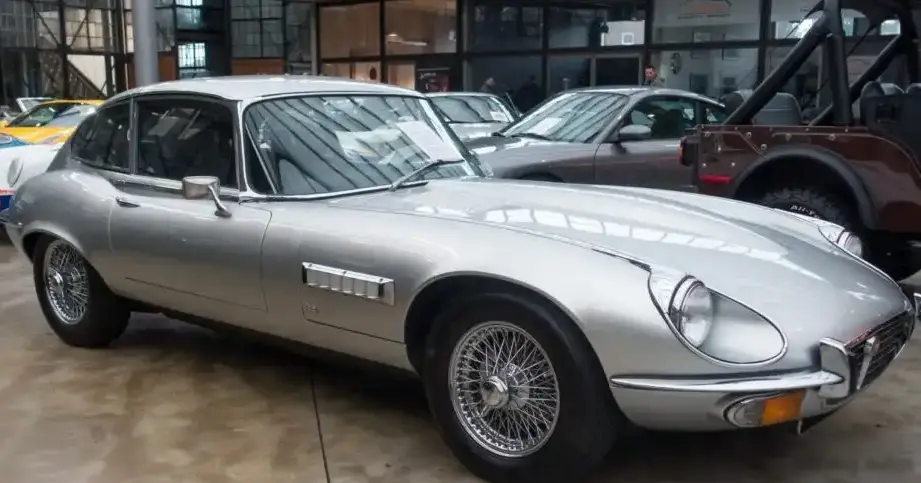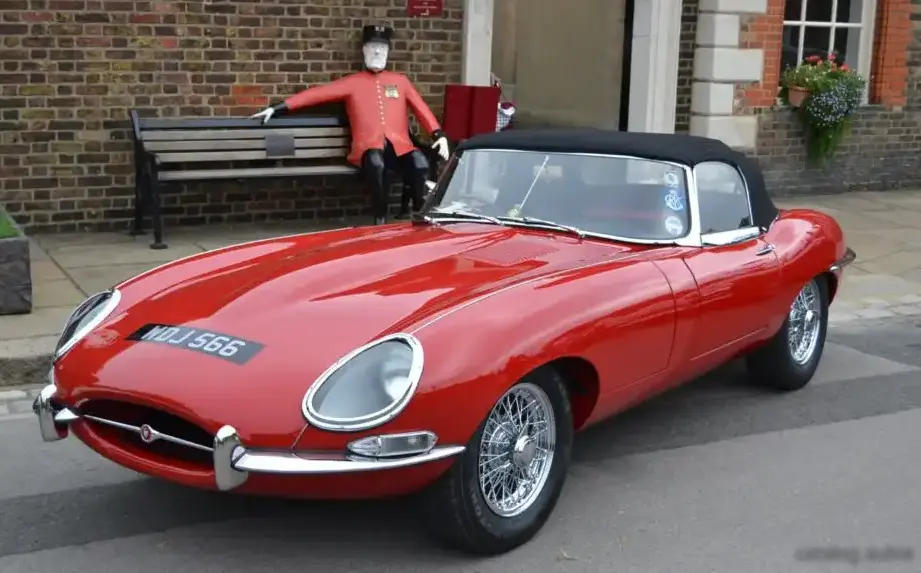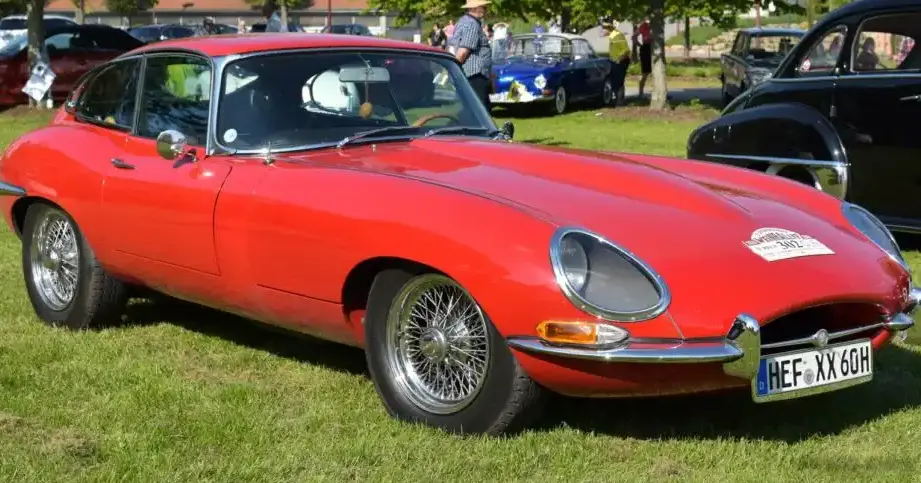
The Jaguar E-Type Series 2, specifically the 4.2-liter variant producing 269 horsepower, represents a significant evolution of the iconic E-Type. Produced from 1968 to 1971, this iteration addressed several criticisms leveled at the original Series 1 while retaining the car’s fundamental beauty and performance. It occupied a middle ground in the E-Type lineage, offering a blend of improved usability and exhilarating performance, bridging the gap between the earlier, more raw Series 1 and the later, more heavily modified Series 3.
Technical Specifications
| Brand | Jaguar |
| Model | E-Type |
| Generation | E-Type |
| Type (Engine) | 4.2 (Series 2) (269 Hp) |
| Start of Production | 1968 |
| End of Production | 1971 |
| Powertrain Architecture | Internal Combustion Engine |
| Body Type | Coupe |
| Seats | 2 |
| Doors | 2 |
| Fuel Type | Petrol (Gasoline) |
| Power | 269 Hp |
| Engine Aspiration | Naturally Aspirated |
| Drivetrain | Rear Wheel Drive |
Powertrain & Engine Architecture
The heart of the Series 2 E-Type is the XK7 engine, a 4.2-liter inline-six cylinder powerplant. This engine replaced the earlier 3.8-liter unit, offering increased displacement and a slight power increase, though the advertised 269 hp figure often varied slightly in practice. The engine utilizes a cast iron block and an aluminum cylinder head, a common configuration for Jaguar at the time. It features a twin overhead camshaft design, driven by a duplex chain, ensuring reliable valve timing. Fuel delivery is managed by three SU carburetors, a setup known for its responsiveness and tunability. The Series 2 engine incorporated a revised cooling system compared to the Series 1, addressing concerns about overheating, particularly in warmer climates. The exhaust system was also modified to meet increasingly stringent emissions regulations. The engine is mated to either a four-speed manual transmission with overdrive or a three-speed automatic transmission, the latter being a popular choice for buyers prioritizing comfort and ease of driving.
Driving Characteristics
The 4.2-liter Series 2 E-Type delivers a distinctly sporting driving experience. The engine provides ample torque throughout the rev range, making it a flexible and enjoyable car to drive in a variety of conditions. While not as brutally fast as some contemporary sports cars, the E-Type’s acceleration is more than sufficient, and its handling is remarkably balanced for a car of its era. The rear-wheel-drive configuration and independent suspension contribute to a responsive and engaging feel. The automatic transmission, while offering convenience, does slightly diminish the sense of direct control compared to the manual gearbox. Gear changes are smooth, but not particularly quick, and the overdrive function provides a useful reduction in engine speed for highway cruising. The steering is unassisted, requiring a degree of physical effort, but provides excellent feedback. Braking performance is adequate, though the system lacks the sophistication of modern anti-lock braking systems.
Equipment & Trim Levels
The Series 2 E-Type featured several styling changes compared to the Series 1, including a larger grille, repositioned headlights, and a wraparound rear bumper. These changes were largely driven by US safety regulations. Inside, the Series 2 offered a more refined and comfortable cabin. Standard features included leather upholstery, a wood-rimmed steering wheel, and a comprehensive instrument panel. The dashboard layout was revised, with larger gauges and a more ergonomic design. Optional extras included air conditioning, a radio, and power windows. Trim levels were relatively limited, with most cars being equipped to a similar standard. However, buyers could specify a range of interior color schemes and exterior paint options. The Series 2 also saw the introduction of a more modern heating and ventilation system.
Chassis & Braking
The E-Type Series 2 utilizes a monocoque chassis construction, providing a strong and lightweight platform. The suspension system consists of independent double wishbones at the front and independent rear suspension with torsion bars. This setup delivers a comfortable ride and excellent handling characteristics. The braking system features disc brakes all around, though the rear discs are smaller than those at the front. The braking system is hydraulically assisted, providing adequate stopping power for most driving situations. Steering is a rack and pinion system, offering precise control and good feedback. The car rides on wire-spoked wheels as standard, though steel disc wheels were also available as an option.
Market Reception & Comparison
The Series 2 E-Type was generally well-received by critics, although some lamented the styling changes compared to the original Series 1. The improved cooling system and increased usability were praised, while the slightly detuned engine was seen as a minor compromise. Compared to the 3.8-liter Series 1, the 4.2-liter Series 2 offered a more refined and reliable driving experience, albeit with a slight reduction in raw performance. Compared to the later Series 3, which featured a V12 engine, the 4.2-liter Series 2 was considered more balanced and easier to maintain. Fuel economy, unsurprisingly, was not a strong point, averaging around 15-18 miles per gallon. Reliability was generally good for a British sports car of the era, but regular maintenance was essential.
Legacy
The Jaguar E-Type Series 2 remains a highly sought-after classic car. The 4.2-liter variant is particularly desirable due to its blend of performance, usability, and relative affordability. The XK7 engine is known for its durability, although regular maintenance is crucial to prevent issues such as oil leaks and carburetor problems. The availability of spare parts is generally good, although some components can be expensive. Today, the Series 2 E-Type represents a significant piece of automotive history, embodying the spirit of the 1960s and offering a thrilling driving experience that continues to captivate enthusiasts around the world. Well-maintained examples command significant prices in the collector car market, reflecting their enduring appeal and iconic status. The car’s influence can still be seen in modern Jaguar designs, and it continues to be celebrated as one of the most beautiful and influential sports cars ever made.