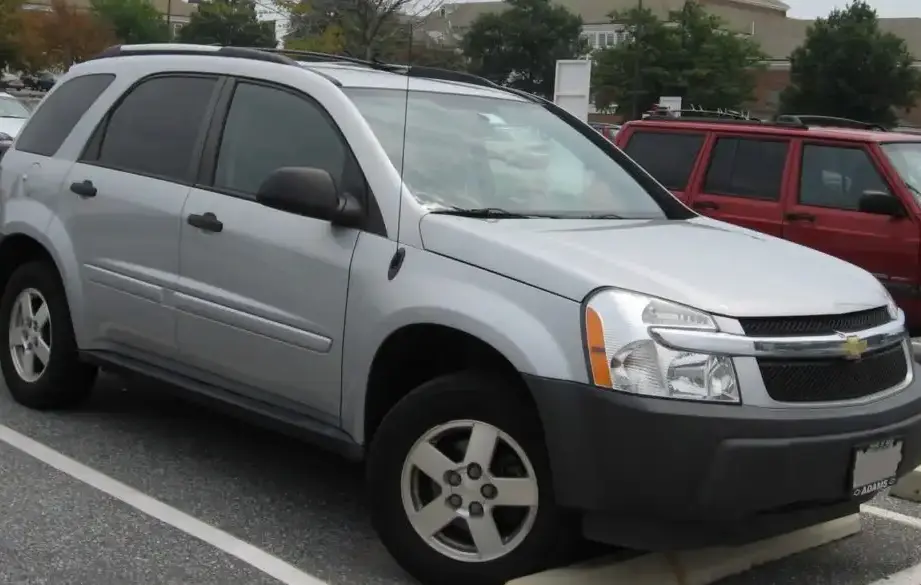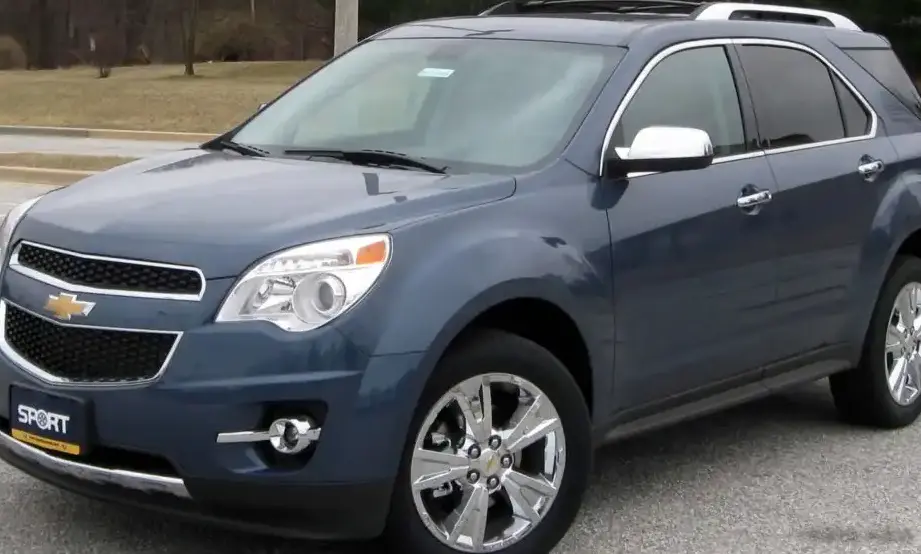
The Chevrolet Equinox II, specifically the 3.6-liter V6 (301 horsepower) paired with all-wheel drive and an automatic transmission, represented a significant offering in the mid-size SUV segment from the 2012 to 2015 model years. This variant was the second generation of the Equinox, designed to balance power, capability, and comfort for American families. It occupied the top tier of the Equinox lineup, positioned as a premium option compared to the base 2.4-liter four-cylinder models. Primarily sold in the North American market, this version catered to consumers who valued larger engines and the added security of all-wheel drive.
Technical Specifications
| Brand | Chevrolet |
| Model | Equinox |
| Generation | Equinox II |
| Type (Engine) | 3.6 V6 (301 Hp) AWD Automatic |
| Start of production | 2012 |
| End of production | February, 2015 |
| Powertrain Architecture | Internal Combustion engine |
| Body type | SUV |
| Seats | 5 |
| Doors | 5 |
| Fuel consumption (urban) | 14.7 l/100 km (16 US mpg, 19.2 UK mpg, 6.8 km/l) |
| Fuel consumption (extra urban) | 10.2 l/100 km (23.1 US mpg, 27.7 UK mpg, 9.8 km/l) |
| Fuel consumption (combined) | 12.4 l/100 km (19 US mpg, 22.8 UK mpg, 8.1 km/l) |
| Fuel Type | Petrol (Gasoline) |
| Power | 301 Hp @ 6500 rpm |
| Power per litre | 84.5 Hp/l |
| Torque | 369 Nm @ 4800 rpm (272.16 lb.-ft. @ 4800 rpm) |
| Engine layout | Front, Transverse |
| Engine Model/Code | LFX |
| Engine displacement | 3564 cm3 (217.49 cu. in.) |
| Number of cylinders | 6 |
| Engine configuration | V-engine |
| Number of valves per cylinder | 4 |
| Fuel injection system | Direct injection |
| Engine oil capacity | 5.7 l (6.02 US qt | 5.02 UK qt) |
| Coolant capacity | 10.2 l (10.78 US qt | 8.97 UK qt) |
| Trunk (boot) space (minimum) | 1804 l (63.71 cu. ft.) |
| Fuel tank capacity | 79 l (20.87 US gal | 17.38 UK gal) |
| Length | 4770 mm (187.8 in.) |
| Width | 1842 mm (72.52 in.) |
| Height | 1760 mm (69.29 in.) |
| Wheelbase | 2858 mm (112.52 in.) |
| Front track | 1598 mm (62.91 in.) |
| Rear track | 1577 mm (62.09 in.) |
| Drivetrain Architecture | All wheel drive (4×4). ICE drives front wheels, rear wheels engaged via clutch. |
| Number of gears | 6 |
| Gearbox type | Automatic transmission |
| Front suspension | Independent coil spring |
| Rear suspension | Independent multi-link spring suspension with stabilizer |
| Front brakes | Disc |
| Rear brakes | Disc |
| Assisting systems | ABS (Anti-lock braking system) |
| Steering type | Steering rack and pinion |
| Power steering | Electric |
| Tires size | 225/65 R17 100T; 235/55 R18 99T; 235/55 R19 101H |
| Wheel rims size | 7J x 17 ET43; 7J x 18 ET46; 7J x 19 ET46 |
Powertrain & Engine Architecture
The cornerstone of this Equinox variant is the LFX 3.6-liter V6 engine. This engine belongs to GM’s High Feature V6 family, recognized for its robust design and generally smooth operation. A key feature is its direct fuel injection system, which enhances both fuel efficiency and power output by delivering fuel directly into the combustion chamber. The engine incorporates a double overhead camshaft (DOHC) valvetrain with four valves per cylinder, optimizing airflow and contributing to its overall performance. The standard transmission was a six-speed automatic, designated 6T70. This transmission is known for its smooth and responsive shifting characteristics and a generally solid reputation for reliability. The all-wheel-drive system operates on demand, primarily powering the front wheels but seamlessly engaging the rear wheels when wheel slippage is detected, providing enhanced traction in various driving conditions.
Driving Characteristics
The 301-horsepower V6 engine delivered a substantial performance improvement over the base four-cylinder Equinox models. Acceleration was noticeably quicker, and the engine provided ample power for highway merging, overtaking, and even light towing. While not designed as a performance SUV, the V6 offered a confident and capable driving experience. The automatic transmission was well-calibrated, providing smooth and predictable gear changes. However, the added weight of the V6 engine and the all-wheel-drive system did result in a slight decrease in fuel economy compared to the lighter, front-wheel-drive versions. The gear ratios were carefully chosen to strike a balance between brisk acceleration and reasonable fuel efficiency, prioritizing usable torque for everyday driving scenarios.
Equipment & Trim Levels
The 3.6L V6 AWD Equinox was typically offered in the higher trim levels, namely the LT and SLT. Standard features included automatic climate control, a touchscreen infotainment system, Bluetooth connectivity, and power-adjustable front seats. Stepping up to the SLT trim added features such as leather upholstery, a premium sound system, and heated front seats. A range of optional extras were available, including a sunroof, a navigation system, and a rear-seat entertainment system. The interior design was generally considered comfortable and well-appointed for its class, emphasizing practicality and user-friendliness.
Chassis & Braking
The Equinox II utilized a unibody construction, enhancing structural rigidity and improving crash safety. The front suspension featured independent coil springs, while the rear suspension employed an independent multi-link setup complete with a stabilizer bar. This suspension configuration aimed to provide a comfortable ride quality while maintaining acceptable handling characteristics. All-wheel-drive models were equipped with disc brakes on all four wheels, offering strong and consistent stopping power. An anti-lock braking system (ABS) was standard equipment, enhancing safety during emergency braking maneuvers. The steering system was a rack-and-pinion design with electric power steering, delivering responsive and precise steering feel.
Market Reception & Comparison
Automotive critics generally praised the Equinox II 3.6L V6 AWD for its powerful engine, comfortable ride, and spacious interior. However, some reviewers pointed out that its fuel economy wasn’t the best in its class. When compared to competitors like the Honda CR-V and Toyota RAV4, the Equinox offered a more potent engine option but at the expense of slightly lower fuel efficiency. The 2.4L four-cylinder Equinox models provided better fuel economy but lacked the V6’s performance capabilities. The V6 version was often recommended for buyers who prioritized power and capability over maximizing fuel savings.
Legacy
The Chevrolet Equinox II 3.6L V6 AWD has proven to be a relatively reliable vehicle in the used car market. The LFX V6 engine is known for its durability, and the 6T70 automatic transmission is generally dependable when properly maintained. Owners have reported occasional issues such as minor oil leaks and sporadic sensor failures. Overall, this variant remains a popular choice for used car buyers seeking a capable and comfortable mid-size SUV with a proven powertrain. Its combination of power, interior space, and available features continues to make it a competitive option in the used vehicle market today.