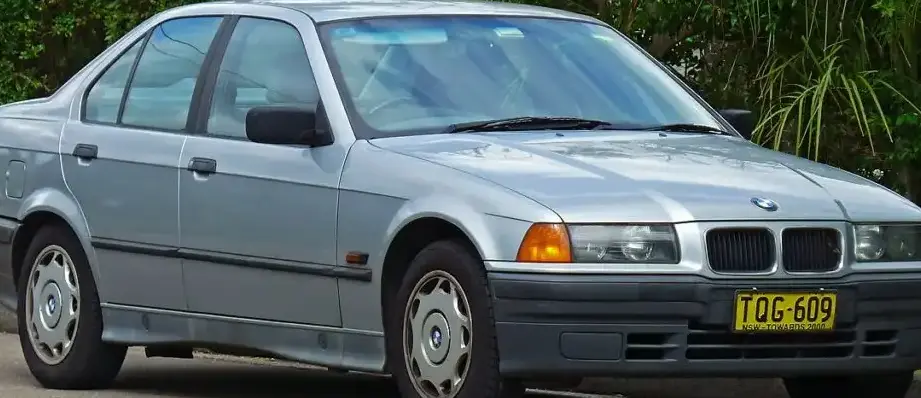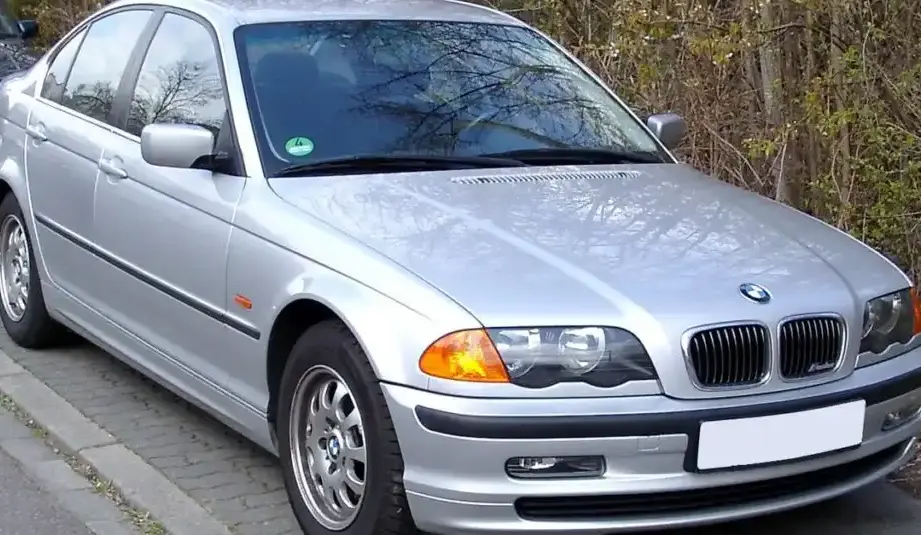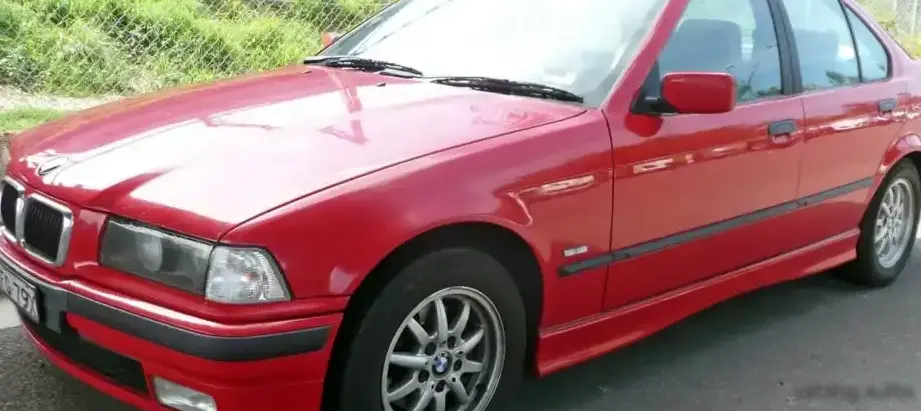
The BMW 3 Series Sedan (E36) 323i, produced from 1995 to 2000, represented a significant evolution in BMW’s compact executive car lineage. Positioned as a mid-range offering within the E36 generation (1990-2000), the 323i bridged the gap between the more economical 318i models and the performance-focused 328i. It was primarily marketed towards buyers seeking a balance of refinement, performance, and practicality. The E36 platform itself was a pivotal design for BMW, introducing multi-link rear suspension and a more aerodynamic body compared to its predecessor, the E30. The 323i, in particular, benefited from BMW’s engineering prowess, offering a compelling package for the North American and European markets.
Technical Specifications
| Brand | BMW |
| Model | 3 Series |
| Generation | 3 Series Sedan (E36) |
| Type (Engine) | 323i (170 Hp) |
| Start of production | 1995 |
| End of production | 2000 |
| Powertrain Architecture | Internal Combustion engine |
| Body type | Sedan |
| Seats | 5 |
| Doors | 4 |
| Fuel consumption (combined) | 8.3 l/100 km |
| Fuel consumption (US mpg) | 28.3 US mpg |
| Fuel consumption (UK mpg) | 34 UK mpg |
| Fuel consumption (km/l) | 12 km/l |
| Fuel Type | Petrol (Gasoline) |
| Acceleration 0 – 100 km/h | 8 sec |
| Acceleration 0 – 62 mph | 8 sec |
| Acceleration 0 – 60 mph | 7.6 sec |
| Maximum speed | 227 km/h (141.05 mph) |
| Weight-to-power ratio | 8.1 kg/Hp |
| Weight-to-torque ratio | 5.6 kg/Nm |
| Power | 170 Hp @ 5500 rpm |
| Power per litre | 68.2 Hp/l |
| Torque | 245 Nm @ 3950 rpm (180.7 lb.-ft. @ 3950 rpm) |
| Engine layout | Front, Longitudinal |
| Engine Model/Code | M52B25 |
| Engine displacement | 2494 cm3 (152.19 cu. in.) |
| Number of cylinders | 6 |
| Engine configuration | Inline |
| Cylinder Bore | 84 mm (3.31 in.) |
| Piston Stroke | 75 mm (2.95 in.) |
| Compression ratio | 10.5:1 |
| Number of valves per cylinder | 4 |
| Fuel injection system | Multi-port manifold injection |
| Engine aspiration | Naturally aspirated engine |
| Valvetrain | DOHC |
| Engine oil capacity | 6.5 l (6.87 US qt | 5.72 UK qt) |
| Coolant capacity | 10.5 l (11.1 US qt | 9.24 UK qt) |
| Kerb Weight | 1375 kg (3031.36 lbs.) |
| Max. weight | 1760 kg (3880.14 lbs.) |
| Max load | 385 kg (848.78 lbs.) |
| Trunk (boot) space – minimum | 435 l (15.36 cu. ft.) |
| Fuel tank capacity | 65 l (17.17 US gal | 14.3 UK gal) |
| Length | 4433 mm (174.53 in.) |
| Width | 1698 mm (66.85 in.) |
| Height | 1393 mm (54.84 in.) |
| Wheelbase | 2700 mm (106.3 in.) |
| Front track | 1408 mm (55.43 in.) |
| Rear (Back) track | 1421 mm (55.94 in.) |
| Ride height (ground clearance) | 130 mm (5.12 in.) |
| Drivetrain Architecture | Rear wheel drive |
| Drive wheel | Rear wheel drive |
| Number of gears | 5 gears, manual transmission |
| Front suspension | Wishbone |
| Rear suspension | Coil spring |
| Front brakes | Ventilated discs |
| Rear brakes | Ventilated discs |
| Assisting systems | ABS (Anti-lock braking system) |
| Steering type | Steering rack and pinion |
| Power steering | Hydraulic Steering |
| Tires size | 205/60 R15 |
| Wheel rims size | 15 |
Powertrain & Engine Architecture
The heart of the 323i was the M52B25 engine, a 2.5-liter inline-six cylinder powerplant. This engine was a significant upgrade over the earlier M50 and M52 engines, featuring a lighter aluminum block and head, along with a revised valvetrain. The M52B25 utilized a single VANOS (Variable Valve Timing) system for intake valve control, optimizing torque and efficiency. Fuel delivery was managed by a Bosch Motronic 1.7 multi-port fuel injection system. The engine produced 170 horsepower at 5500 rpm and 245 Nm (180.7 lb-ft) of torque at 3950 rpm. The 323i was exclusively offered with a 5-speed manual transmission in North America, while European markets also had the option of a 5-speed automatic transmission. The automatic transmission, a ZF 5HP19, was known for its smooth shifting and reliability, though it did slightly impact acceleration compared to the manual.
Driving Characteristics
The 323i offered a refined driving experience, balancing performance and comfort. The inline-six engine provided a smooth and linear power delivery, making it well-suited for both daily commuting and spirited driving. While not as overtly sporty as the 328i, the 323i still offered respectable acceleration, achieving 0-60 mph in around 7.6 seconds. The manual transmission provided precise gear changes, while the automatic offered convenience without sacrificing too much performance. The E36’s multi-link rear suspension contributed to excellent handling and ride quality, providing a stable and predictable feel on the road. Compared to the 318i, the 323i offered a noticeable increase in power and torque, resulting in more confident overtaking and highway cruising.
Equipment & Trim Levels
The 323i typically came standard with features such as power windows, power locks, air conditioning, and an AM/FM stereo. Higher trim levels offered options like leather upholstery, a sunroof, heated front seats, and a premium sound system. Sport packages were also available, adding features like sport seats, a sport suspension, and alloy wheels. Interior trim options included wood veneer or brushed aluminum accents. The dashboard layout was typical of BMW at the time, with a driver-focused design and intuitive controls. The 323i aimed for a more luxurious feel than the base 318i, offering a more refined interior and a greater level of standard equipment.
Chassis & Braking
The E36 323i utilized a robust chassis with MacPherson strut front suspension and a multi-link rear suspension. This suspension setup provided a good balance of ride comfort and handling precision. Braking duties were handled by ventilated disc brakes on all four wheels, providing ample stopping power. Anti-lock Braking System (ABS) was standard equipment. The 323i’s weight distribution was nearly 50/50, contributing to its balanced handling characteristics. Stabilizer bars were fitted to both the front and rear axles to reduce body roll during cornering.
Market Reception & Comparison
The 323i was generally well-received by automotive critics, who praised its refined engine, comfortable ride, and balanced handling. It was often seen as a sweet spot in the 3 Series lineup, offering a good compromise between performance and affordability. Compared to the 318i, the 323i provided a significant performance upgrade, while remaining more accessible than the more expensive 328i. Fuel economy was respectable for its class, averaging around 28.3 US mpg in combined driving. Reliability was generally good, although like all older BMWs, the 323i can be prone to certain age-related issues, such as cooling system leaks and VANOS system wear.
Legacy
The E36 323i has become a popular choice among enthusiasts and collectors. The M52B25 engine is known for its durability and tunability, making it a reliable and rewarding powerplant. Well-maintained examples are becoming increasingly rare and valuable. The 323i represents a high point in BMW’s engineering history, offering a classic driving experience that is still enjoyable today. In the used car market, the 323i typically commands a higher price than the 318i, reflecting its superior performance and desirability. Its blend of performance, refinement, and practicality has cemented its place as a beloved classic among BMW fans.