
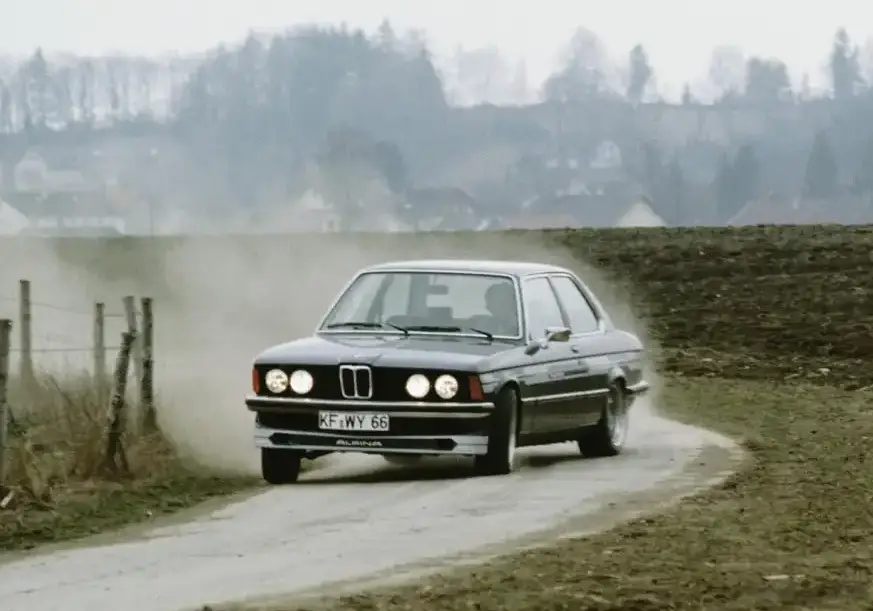
The Alpina C1 (E21) 2.3, produced between 1980 and 1983, represents a unique and highly regarded iteration of the BMW E21 3 Series. Alpina, a renowned German automotive engineering firm, took the standard E21 and transformed it into a sophisticated grand tourer, focusing on enhanced performance and refined driving dynamics. This model, designated internally as the C1, was not a mass-production vehicle but rather a carefully crafted, low-volume offering aimed at discerning enthusiasts. It occupied a niche position, bridging the gap between the standard 3 Series and the more overtly sporting M3 that would arrive later. The C1 2.3 was Alpina’s first attempt at a high-performance version of the E21, setting the stage for their future collaborations with BMW.
Technical Specifications
| Brand | Alpina |
| Model | C1 |
| Generation | C1 (E21) |
| Type (Engine) | 2.3 (170 Hp) |
| Start of production | 1980 |
| End of production | 1983 |
| Powertrain Architecture | Internal Combustion engine |
| Body type | Coupe |
| Seats | 2 |
| Doors | 5 |
| Fuel consumption (urban) | 13.9 l/100 km (16.9 US mpg, 20.3 UK mpg, 7.2 km/l) |
| Fuel consumption (extra urban) | 6.1 l/100 km (38.6 US mpg, 46.3 UK mpg, 16.4 km/l) |
| Fuel consumption (combined) | 8.1 l/100 km (29 US mpg, 34.9 UK mpg, 12.3 km/l) |
| Fuel Type | Petrol (Gasoline) |
| Acceleration 0 – 100 km/h | 7.9 sec |
| Acceleration 0 – 62 mph | 7.9 sec |
| Acceleration 0 – 60 mph | 7.5 sec |
| Maximum speed | 208 km/h (129.25 mph) |
| Power | 170 Hp |
| Power per litre | 73.4 Hp/l |
| Torque | 210 Nm (154.89 lb.-ft.) |
| Engine displacement | 2316 cm3 (141.33 cu. in.) |
| Number of cylinders | 6 |
| Engine aspiration | Naturally aspirated engine |
| Drivetrain | Rear wheel drive |
Powertrain & Engine Architecture
The heart of the Alpina C1 2.3 is its 2.3-liter inline-six cylinder engine, based on the BMW M20 block. However, Alpina didn’t simply drop a larger engine into the E21. They extensively modified the standard BMW unit. Key changes included a lightened and balanced crankshaft, high-compression pistons, a ported and polished cylinder head, and a performance camshaft. The engine utilized Bosch K-Jetronic fuel injection, a mechanical system known for its reliability and precise fuel delivery. This system, while not as sophisticated as later electronic fuel injection, provided consistent performance. The engine produced 170 horsepower and 210 Nm (154.89 lb.-ft.) of torque. The C1 2.3 was typically paired with a ZF 4-speed automatic transmission, chosen for its smoothness and suitability for long-distance cruising. While a 5-speed manual was available, the automatic was the more common choice, reflecting the C1’s grand touring character.
Driving Characteristics
The Alpina C1 2.3 offered a distinctly different driving experience compared to the standard E21. The increased power and torque, combined with the optimized engine characteristics, resulted in noticeably quicker acceleration. The 0-60 mph time of around 7.5 seconds was impressive for the early 1980s. The automatic transmission, while not offering the direct engagement of a manual, provided smooth and effortless gear changes. The gear ratios were tuned to prioritize mid-range acceleration, making the C1 2.3 feel responsive in everyday driving situations. Compared to the later, more aggressive M3, the C1 2.3 was more refined and comfortable, focusing on a balance of performance and usability. It wasn’t a track-focused weapon, but a capable and enjoyable grand tourer.
Equipment & Trim Levels
The Alpina C1 2.3 was well-equipped for its time, though the emphasis was on understated luxury rather than flashy features. Standard equipment included Recaro sports seats upholstered in high-quality cloth or leather, a leather-wrapped steering wheel, and a comprehensive instrument cluster with additional gauges monitoring oil temperature, voltage, and other vital parameters. Exterior features included Alpina-specific front and rear spoilers, unique alloy wheels, and subtle Alpina badging. Optional extras included a sunroof, air conditioning, and a high-fidelity sound system. The interior trim was generally conservative, reflecting the Alpina philosophy of elegant functionality. The C1 2.3 was not offered in multiple trim levels; it was a comprehensively equipped package with limited customization options.
Chassis & Braking
Alpina made significant modifications to the E21’s chassis to complement the increased power of the C1 2.3. The suspension was upgraded with stiffer springs, Bilstein shock absorbers, and a larger diameter stabilizer bar. These changes reduced body roll and improved handling precision. The braking system was also enhanced, with larger brake discs and improved calipers. Rear brakes remained drum brakes, a cost-saving measure, but were adequately sized for the car’s weight and performance. The steering was unchanged from the standard E21, providing a direct and communicative feel. The overall effect was a more stable and confident handling experience, particularly at higher speeds.
Market Reception & Comparison
The Alpina C1 2.3 was well-received by automotive journalists and enthusiasts. Critics praised its refined performance, comfortable ride, and understated elegance. It was seen as a compelling alternative to the standard E21, offering a significant step up in performance and luxury. Compared to the standard 323i, the C1 2.3 offered noticeably more power and torque, as well as a more sophisticated suspension setup. Fuel economy, however, was lower, reflecting the larger engine and performance-oriented tuning. Reliability was generally good, though the K-Jetronic fuel injection system required periodic maintenance. The C1 2.3 was more expensive than the standard E21, reflecting its limited production run and extensive modifications.
Legacy
The Alpina C1 2.3 remains a highly sought-after classic car today. Its rarity, combined with its unique blend of performance and refinement, has made it a favorite among collectors and enthusiasts. The engine, while not without its quirks, is generally considered to be durable and reliable when properly maintained. Parts availability can be a challenge, but a dedicated network of Alpina specialists and BMW parts suppliers exists. The C1 2.3 represents an important chapter in Alpina’s history, demonstrating their ability to transform a standard production car into a truly special and desirable machine. It’s a testament to the enduring appeal of well-engineered, driver-focused automobiles.

