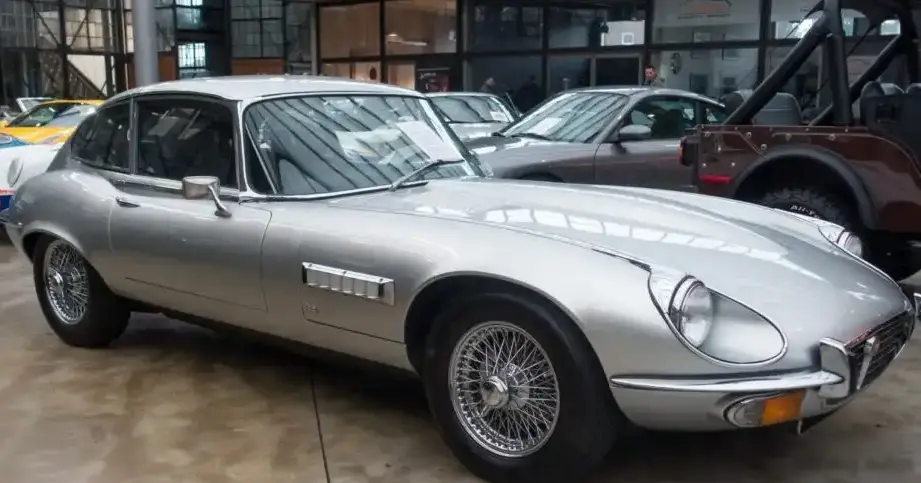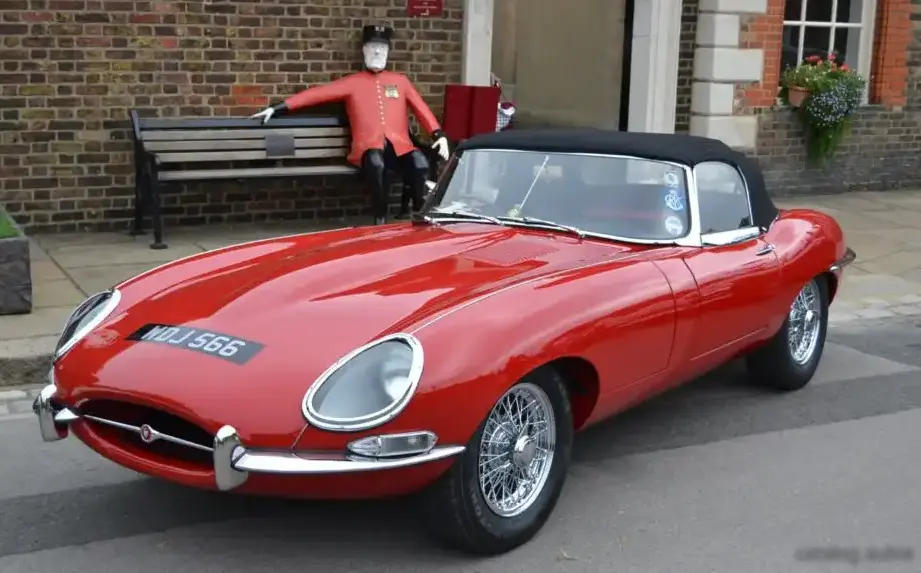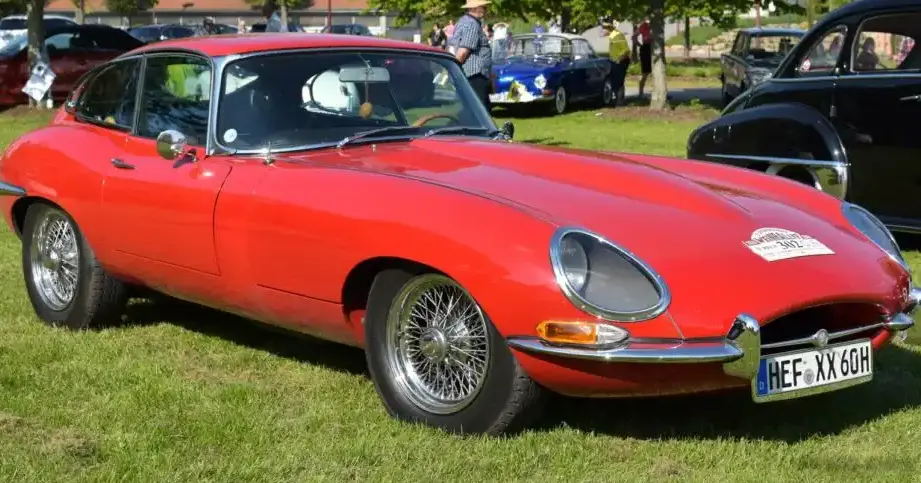
The Jaguar E-Type Series 3, specifically the 4.2-liter (173 hp) variant produced between 1971 and 1975, represents the final evolution of Jaguar’s iconic sports car. This iteration, while often debated by purists, aimed to address US safety and emissions regulations while maintaining the E-Type’s grand touring character. It marked a significant departure aesthetically from the earlier Series 1 and 2 models, and represented a shift in the E-Type’s market positioning towards a more comfortable, albeit less overtly sporting, experience. The Series 3 was the longest-produced version of the E-Type, and remains a highly sought-after classic, though often at a price point below its earlier siblings.
Technical Specifications
| Brand | Jaguar |
| Model | E-Type |
| Generation | E-Type |
| Type (Engine) | 4.2 (Series 3) (173 Hp) |
| Start of Production | 1971 |
| End of Production | 1975 |
| Powertrain Architecture | Internal Combustion Engine |
| Body Type | Coupe |
| Seats | 2 |
| Doors | 2 |
| Fuel Type | Petrol (Gasoline) |
| Power | 173 Hp |
| Engine Aspiration | Naturally Aspirated |
| Drivetrain | Rear Wheel Drive |
Powertrain & Engine Architecture
The heart of the Series 3 E-Type is the Jaguar XK engine, specifically the 4.2-liter version. While sharing the same basic block design as earlier XK engines, the Series 3 unit underwent several modifications to meet increasingly stringent emissions standards, particularly those in the North American market, which was a crucial export destination for Jaguar. The engine, designated as the V12, produced 173 horsepower at 5,500 rpm and 190 lb-ft of torque at 3,800 rpm. It featured a 60-degree V12 configuration with a single overhead camshaft per bank, operating two valves per cylinder. Fuel delivery was handled by three SU carburetors, though later models in some markets received Bosch fuel injection to further reduce emissions. The engine’s architecture prioritized smoothness and refinement over outright performance, a deliberate choice reflecting the changing expectations of the grand touring market.
The transmission was a three-speed automatic, a significant change from the four-speed manual offered in earlier E-Types. This automatic transmission, a Borg-Warner unit, was chosen to appeal to the American preference for convenience and ease of driving. While it detracted from the sporting feel of the earlier cars, it broadened the E-Type’s appeal to a wider audience. The rear axle featured a limited-slip differential, enhancing traction and stability.
Driving Characteristics
The 173 hp, automatic transmission combination of the Series 3 E-Type delivered a distinctly different driving experience compared to the earlier, more raw, and manual-transmission equipped models. Acceleration was respectable, with a 0-60 mph time of around 7.5 seconds, but it lacked the visceral thrill of the earlier cars. The automatic transmission, while smooth, resulted in some power loss and a less engaging driving experience. Gear ratios were optimized for comfortable cruising rather than aggressive acceleration. The Series 3 E-Type excelled as a high-speed tourer, capable of covering long distances with ease and refinement. However, it wasn’t as nimble or responsive as its predecessors, particularly in spirited driving situations. The increased weight of the V12 engine and automatic transmission also contributed to a less balanced feel.
Equipment & Trim Levels
The Series 3 E-Type was generally well-equipped, reflecting its positioning as a luxury grand tourer. Standard features included leather upholstery, a wood-veneered dashboard, and electric windows. Air conditioning was a popular option, almost essential for the American market. The interior design was more modern than the earlier Series 1 and 2 models, with a more conventional dashboard layout and improved ergonomics. Exterior styling changes included a longer bonnet, a black painted radiator grille, and wider flared wheel arches to accommodate the wider tires. Chrome trim was reduced compared to earlier models, giving the Series 3 a more contemporary appearance. Optional extras included a sunroof, power steering, and a more sophisticated stereo system.
Chassis & Braking
The Series 3 E-Type retained the basic chassis design of its predecessors – a monocoque steel construction with independent suspension all around. However, the suspension was revised to accommodate the increased weight of the V12 engine and automatic transmission. The front suspension featured double wishbones with torsion bar springs, while the rear suspension utilized a modified version of the original E-Type independent rear suspension. Brakes were all-disc, with Dunlop calipers providing ample stopping power. Power-assisted steering was available as an option, making the car easier to maneuver at low speeds. The Series 3 E-Type’s chassis was designed to provide a comfortable ride and stable handling, prioritizing refinement over outright sporting prowess.
Market Reception & Comparison
The Series 3 E-Type received a mixed reception upon its introduction. Purists lamented the loss of the earlier cars’ raw sporting character and the aesthetic changes, particularly the longer bonnet and black radiator grille. However, the Series 3 proved to be commercially successful, particularly in the United States, where its combination of luxury, refinement, and V12 power appealed to a broad range of buyers. Compared to the earlier 4.2-liter inline-six E-Types, the Series 3 offered more power and a smoother, more refined driving experience, but at the cost of some agility and responsiveness. Compared to contemporary grand tourers such as the Mercedes-Benz SL and the Porsche 911, the E-Type offered a unique blend of British style and performance, though it often lagged behind in terms of outright handling and braking.
Legacy
The Jaguar E-Type Series 3, despite its initial controversial reception, has secured its place as a significant chapter in the E-Type’s history. While not as highly prized as the earlier Series 1 and 2 models, the Series 3 remains a desirable classic car, particularly among collectors who appreciate its unique styling and V12 engine. The V12 engine itself, while complex, is generally considered to be reliable if properly maintained. However, the automatic transmission can be prone to issues if not serviced regularly. Today, the Series 3 E-Type represents an accessible entry point into E-Type ownership, offering a taste of Jaguar’s iconic sports car heritage at a relatively affordable price. Its enduring appeal lies in its combination of classic British styling, V12 power, and comfortable grand touring capabilities.