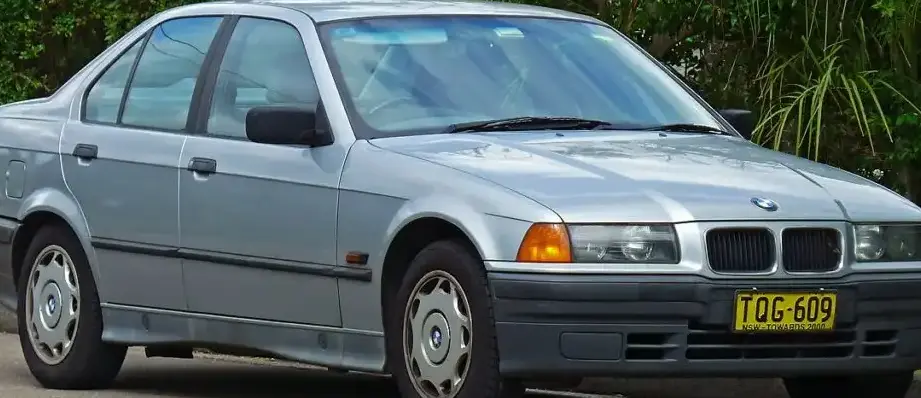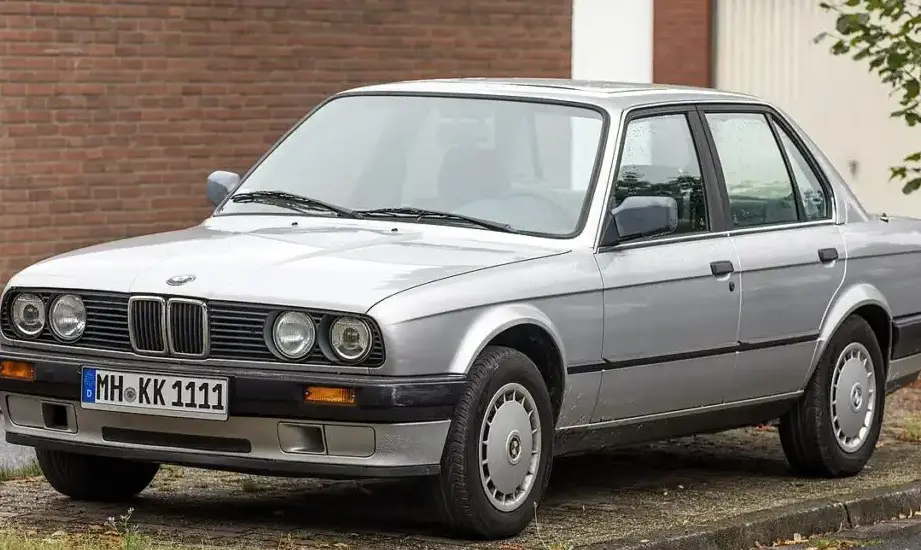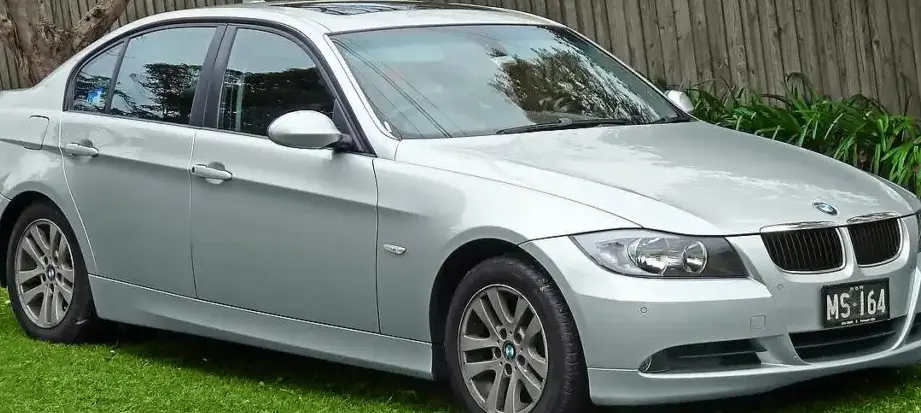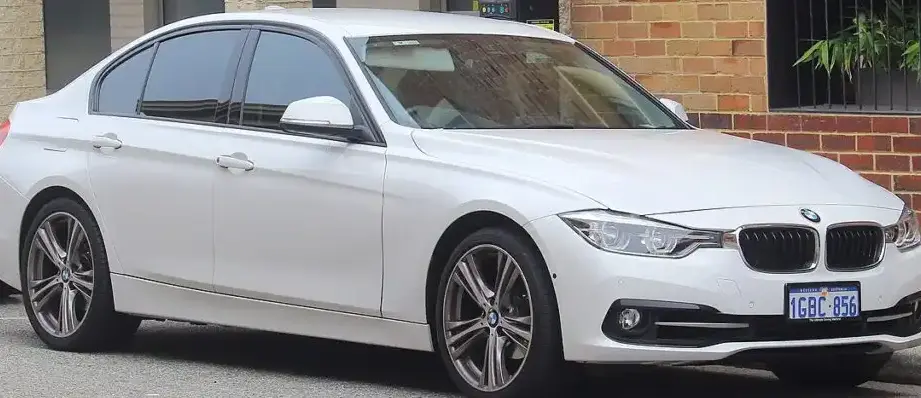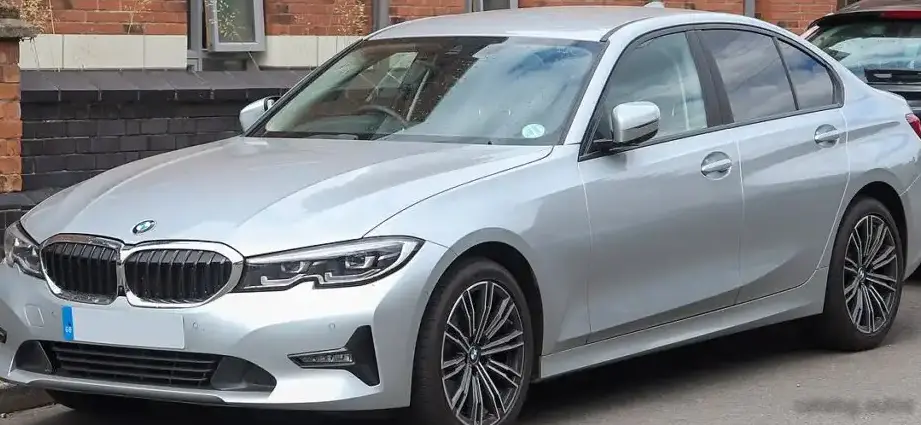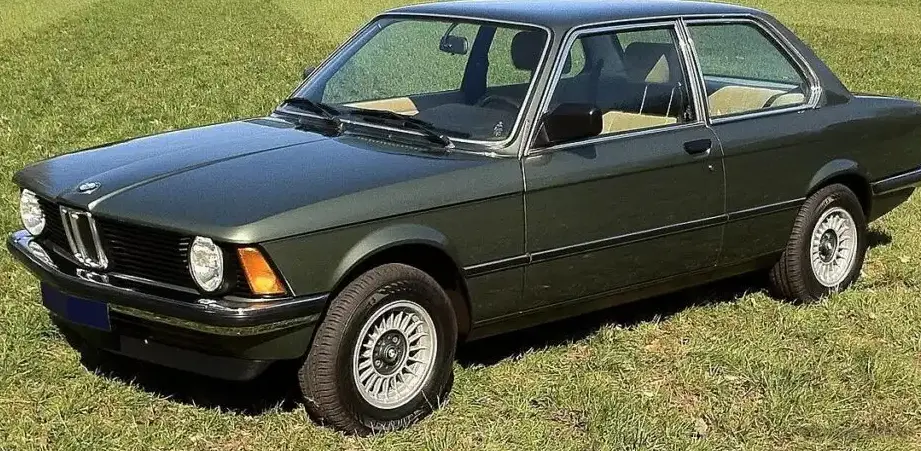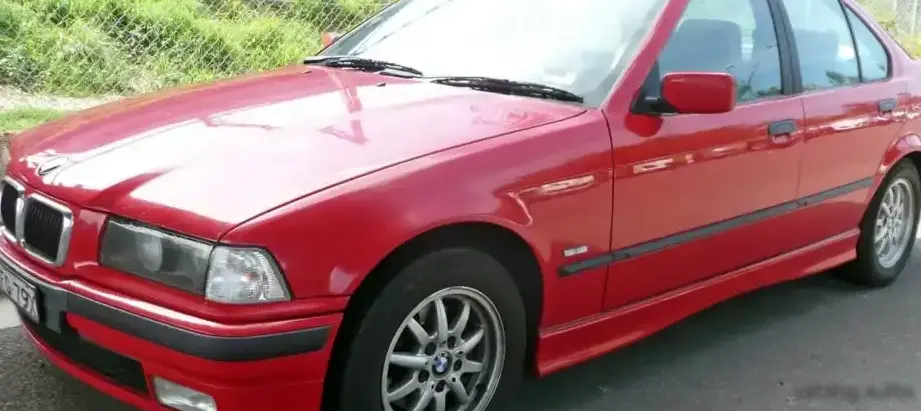
The BMW 3 Series Sedan (E36) 325i Automatic, produced from 1990 to 1995, represents a pivotal point in the evolution of BMW’s iconic sports sedan. Positioned as a mid-range offering within the E36 generation, which spanned from 1990 to 1998, the 325i Automatic bridged the gap between the more economical 318i models and the high-performance 328i and M3 variants. This particular configuration – the 2.5-liter inline-six engine paired with a five-speed automatic transmission – aimed to deliver a balance of performance, refinement, and ease of use, appealing to a broader customer base than its more driver-focused siblings.
Technical Specifications
| Brand | BMW |
| Model | 3 Series |
| Generation | 3 Series Sedan (E36) |
| Type (Engine) | 325i (192 Hp) Automatic |
| Start of production | 1990 |
| End of production | 1995 |
| Powertrain Architecture | Internal Combustion engine |
| Body type | Sedan |
| Seats | 5 |
| Doors | 4 |
| Fuel consumption (combined) | 9.3 l/100 km |
| Fuel consumption (US mpg) | 25.3 US mpg |
| Fuel consumption (UK mpg) | 30.4 UK mpg |
| Fuel consumption (km/l) | 10.8 km/l |
| Fuel Type | Petrol (Gasoline) |
| Acceleration 0 – 100 km/h | 9 sec |
| Acceleration 0 – 62 mph | 9 sec |
| Acceleration 0 – 60 mph | 8.6 sec |
| Maximum speed | 231 km/h (143.54 mph) |
| Weight-to-power ratio | 7.1 kg/Hp |
| Weight-to-torque ratio | 5.5 kg/Nm |
| Power | 192 Hp @ 5900 rpm |
| Power per litre | 77 Hp/l |
| Torque | 250 Nm @ 4200 rpm (184.39 lb.-ft. @ 4200 rpm) |
| Engine layout | Front, Longitudinal |
| Engine Model/Code | M50B25 |
| Engine displacement | 2494 cm3 (152.19 cu. in.) |
| Number of cylinders | 6 |
| Engine configuration | Inline |
| Cylinder Bore | 84 mm (3.31 in.) |
| Piston Stroke | 75 mm (2.95 in.) |
| Compression ratio | 10.5:1 |
| Number of valves per cylinder | 4 |
| Fuel injection system | Multi-port manifold injection |
| Engine aspiration | Naturally aspirated engine |
| Valvetrain | DOHC |
| Engine oil capacity | 6.5 l (6.87 US qt | 5.72 UK qt) |
| Coolant capacity | 10.5 l (11.1 US qt | 9.24 UK qt) |
| Kerb Weight | 1365 kg (3009.31 lbs.) |
| Max. weight | 1790 kg (3946.27 lbs.) |
| Max load | 425 kg (936.96 lbs.) |
| Trunk (boot) space – minimum | 435 l (15.36 cu. ft.) |
| Fuel tank capacity | 65 l (17.17 US gal | 14.3 UK gal) |
| Length | 4433 mm (174.53 in.) |
| Width | 1698 mm (66.85 in.) |
| Height | 1393 mm (54.84 in.) |
| Wheelbase | 2700 mm (106.3 in.) |
| Front track | 1408 mm (55.43 in.) |
| Rear (Back) track | 1421 mm (55.94 in.) |
| Ride height (ground clearance) | 145 mm (5.71 in.) |
| Drivetrain Architecture | Rear wheel drive |
| Number of gears and type of gearbox | 5 gears, automatic transmission |
| Front suspension | Wishbone |
| Rear suspension | Coil spring |
| Front brakes | Ventilated discs |
| Rear brakes | Disc |
| Assisting systems | ABS (Anti-lock braking system) |
| Steering type | Steering rack and pinion |
| Power steering | Hydraulic Steering |
| Tires size | 205/60 R15 |
| Wheel rims size | 15 |
Powertrain & Engine Architecture
At the heart of the 325i Automatic lies the M50B25, a 2.5-liter inline-six engine. This engine, a hallmark of BMW engineering in the early 1990s, featured a cast iron block and an aluminum cylinder head, incorporating double overhead camshafts (DOHC) and four valves per cylinder. The M50B25 utilized Bosch Motronic 1.7 fuel injection, a multi-port system that precisely metered fuel delivery for optimal combustion. The engine’s 10.5:1 compression ratio contributed to its responsive nature. Paired with this engine was a ZF 5HP18 five-speed automatic transmission. This transmission, known for its smoothness and reliability, featured a torque converter and electronic control for optimized shift points. The automatic transmission was geared towards comfort and ease of driving, with a focus on smooth transitions rather than aggressive downshifts.
Driving Characteristics
The 325i Automatic offered a distinctly different driving experience compared to its manual transmission counterpart or the higher-output 328i. While the automatic transmission sacrificed some of the direct control and engagement of a manual, it provided a more relaxed and refined driving experience. Acceleration from 0-60 mph took approximately 8.6 seconds, slightly slower than the manual version. The automatic’s shift points were programmed to prioritize fuel efficiency and smooth operation, resulting in a less aggressive power delivery. However, the engine’s inherent torque and the transmission’s ability to hold lower gears provided adequate performance for everyday driving and even spirited excursions. The automatic transmission’s gear ratios were optimized for cruising comfort, making it a suitable choice for long highway journeys.
Equipment & Trim Levels
The 325i Automatic typically came standard with features such as power windows, power locks, air conditioning, and an AM/FM stereo. Upholstery was generally cloth, although leather was available as an option. Dashboard configuration was relatively straightforward, with clearly marked gauges and intuitive controls. Optional extras included a sunroof, upgraded sound system, heated front seats, and automatic climate control. The 325i Automatic often served as a base for adding various option packages, allowing buyers to customize their vehicle to their specific preferences.
Chassis & Braking
The E36 325i Automatic utilized a MacPherson strut front suspension and a semi-trailing arm rear suspension. This setup provided a good balance of ride comfort and handling precision. The car featured ventilated disc brakes at the front and solid disc brakes at the rear. Anti-lock braking system (ABS) was standard, enhancing safety and control during emergency braking situations. Stabilizer bars were fitted both front and rear to reduce body roll during cornering. The suspension tuning was generally softer than that of the 328i or M3, reflecting the 325i’s focus on comfort and everyday usability.
Market Reception & Comparison
The 325i Automatic was generally well-received by automotive critics. It was praised for its smooth ride, refined engine, and comfortable interior. However, some reviewers noted that the automatic transmission dulled the driving experience compared to the manual version. Compared to the 318i, the 325i offered a significant performance upgrade, while remaining more affordable than the 328i. Fuel economy was respectable for its class, averaging around 25.3 US mpg in combined driving. Reliability was generally good, although like any vehicle of this era, regular maintenance was crucial to prevent issues.
Legacy
The E36 325i Automatic has become a popular choice among enthusiasts and collectors. The M50B25 engine is known for its durability and relatively simple maintenance requirements. While not as sought after as the 328i or M3, the 325i Automatic offers a compelling combination of performance, comfort, and affordability. Well-maintained examples are increasingly rare and command a premium in the used car market. The car’s enduring appeal lies in its classic BMW styling, balanced driving dynamics, and the inherent quality of its engineering. The ZF automatic transmission, while not a performance-oriented unit, has proven to be remarkably reliable over the long term, making these cars a viable option for those seeking a classic BMW experience without the complexities of a manual transmission.