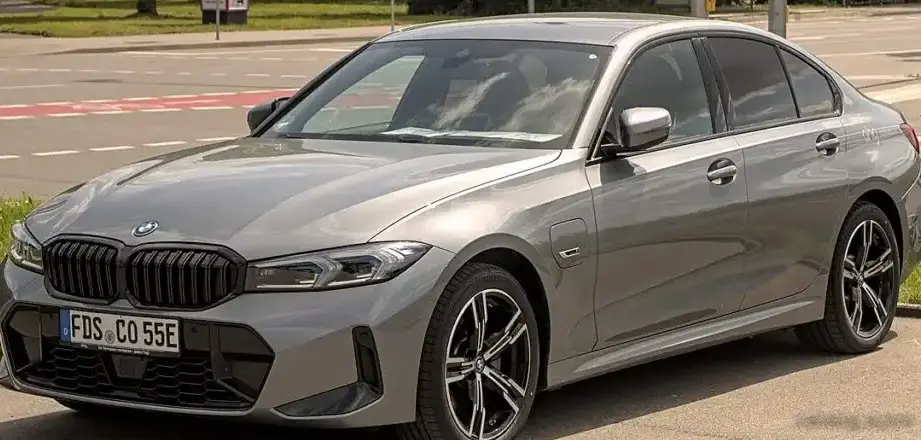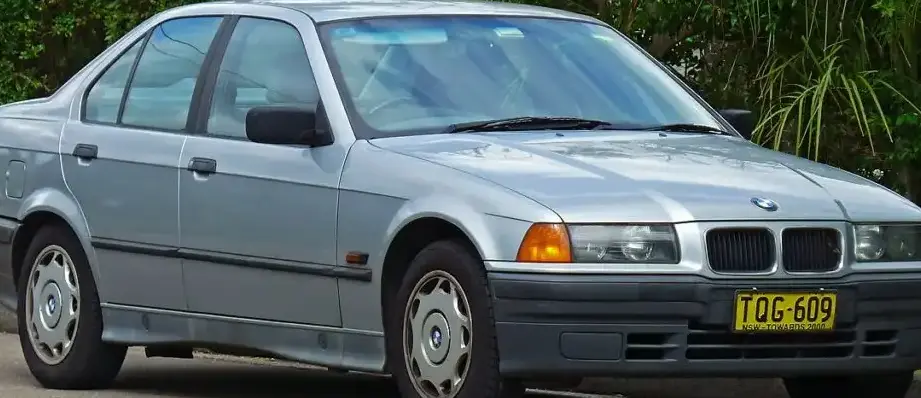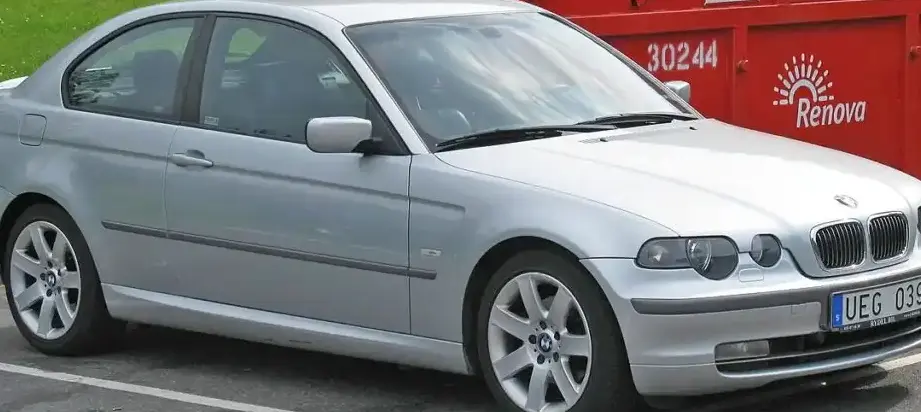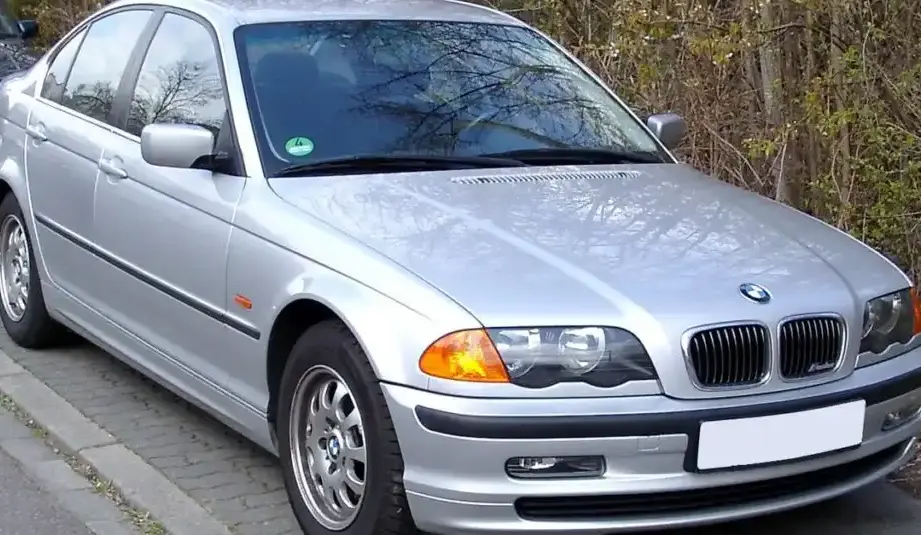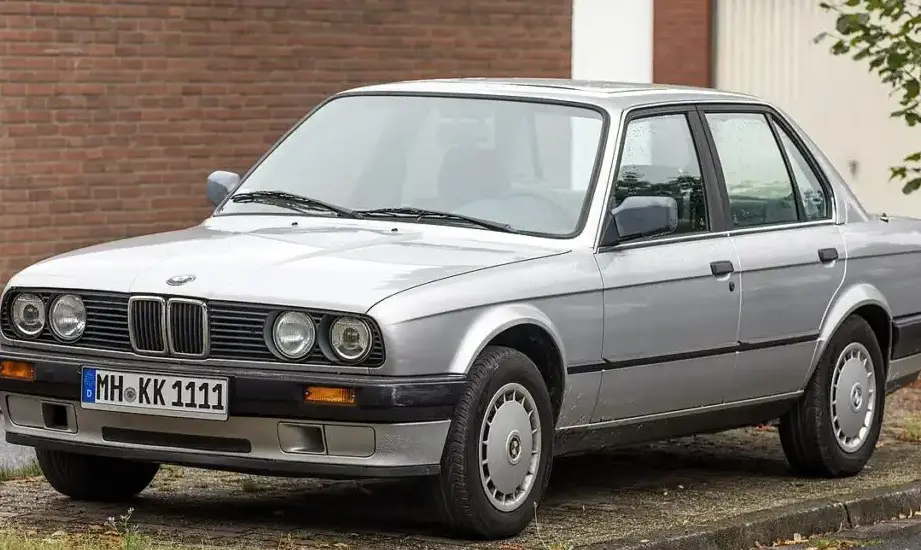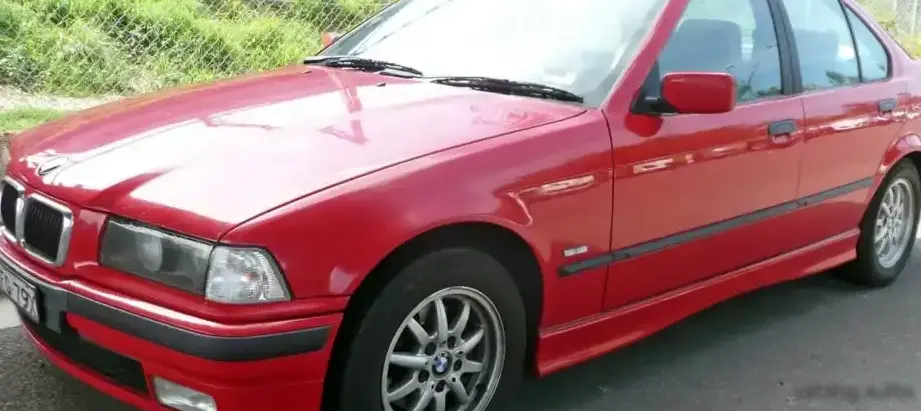
The BMW 3 Series Sedan (E36) 325td Automatic, produced between 1991 and 1998, represents a unique offering within the broader E36 generation. This variant combined a turbocharged diesel engine with a four-speed automatic transmission, targeting European markets seeking fuel efficiency and comfortable cruising. It occupied a middle ground in the 3 Series lineup, positioned below the higher-performance gasoline models like the 328i and above the base-level 318i. The 325td Automatic provided a blend of practicality and BMW’s renowned driving dynamics, albeit with a different character than its petrol-powered siblings.
Technical Specifications
| Brand | BMW |
| Model | 3 Series |
| Generation | 3 Series Sedan (E36) |
| Type (Engine) | 325td (115 Hp) Automatic |
| Start of production | 1991 |
| End of production | 1998 |
| Powertrain Architecture | Internal Combustion engine |
| Body type | Sedan |
| Seats | 5 |
| Doors | 4 |
| Fuel consumption (urban) | 12 l/100 km (19.6 US mpg, 23.5 UK mpg, 8.3 km/l) |
| Fuel consumption (extra urban) | 6.3 l/100 km (37.3 US mpg, 44.8 UK mpg, 15.9 km/l) |
| Fuel consumption (combined) | 8.4 l/100 km (28 US mpg, 33.6 UK mpg, 11.9 km/l) |
| Fuel Type | Diesel |
| Acceleration 0 – 100 km/h | 13 sec |
| Acceleration 0 – 62 mph | 13 sec |
| Acceleration 0 – 60 mph | 12.4 sec |
| Maximum speed | 194 km/h (120.55 mph) |
| Weight-to-power ratio | 12.3 kg/Hp, 81.6 Hp/tonne |
| Weight-to-torque ratio | 6.4 kg/Nm, 157.4 Nm/tonne |
| Power | 115 Hp @ 4800 rpm |
| Power per litre | 46 Hp/l |
| Torque | 222 Nm @ 1900 rpm (163.74 lb.-ft. @ 1900 rpm) |
| Engine layout | Front, Longitudinal |
| Engine Model/Code | M51D25 |
| Engine displacement | 2498 cm3 (152.44 cu. in.) |
| Number of cylinders | 6 |
| Engine configuration | Inline |
| Cylinder Bore | 80 mm (3.15 in.) |
| Piston Stroke | 82.8 mm (3.26 in.) |
| Compression ratio | 22:1 |
| Number of valves per cylinder | 2 |
| Fuel injection system | Precombustion chamber injection |
| Engine aspiration | Turbocharger, Intercooler |
| Valvetrain | OHC |
| Engine oil capacity | 6.5 l (6.87 US qt | 5.72 UK qt) |
| Coolant | 8.8 l (9.3 US qt | 7.74 UK qt) |
| Kerb Weight | 1410 kg (3108.52 lbs.) |
| Max. weight | 1795 kg (3957.3 lbs.) |
| Max load | 385 kg (848.78 lbs.) |
| Trunk (boot) space – minimum | 435 l (15.36 cu. ft.) |
| Fuel tank capacity | 65 l (17.17 US gal | 14.3 UK gal) |
| Length | 4433 mm (174.53 in.) |
| Width | 1698 mm (66.85 in.) |
| Height | 1393 mm (54.84 in.) |
| Wheelbase | 2700 mm (106.3 in.) |
| Front track | 1418 mm (55.83 in.) |
| Rear (Back) track | 1431 mm (56.34 in.) |
| Ride height (ground clearance) | 130 mm (5.12 in.) |
| Drivetrain Architecture | The Internal combustion engine (ICE) drives the rear wheels of the vehicle. |
| Drive wheel | Rear wheel drive |
| Number of gears and type of gearbox | 4 gears, automatic transmission |
| Front suspension | Wishbone |
| Rear suspension | Coil spring |
| Front brakes | Ventilated discs |
| Rear brakes | Disc |
| Assisting systems | ABS (Anti-lock braking system) |
| Steering type | Steering rack and pinion |
| Power steering | Hydraulic Steering |
| Tires size | 185/65 R15 |
| Wheel rims size | 15 |
Powertrain & Engine Architecture
The heart of the 325td Automatic is the M51D25 engine, a 2.5-liter inline-six cylinder diesel. This engine utilized precombustion chamber injection, a system common in European diesels of the era, for efficient combustion. A turbocharger with an intercooler was employed to boost power output to 115 horsepower and 222 Nm (163.74 lb-ft) of torque. The M51 engine family was known for its durability and relatively simple mechanical design. The four-speed automatic transmission, a ZF 4HP22 unit, was chosen for its smoothness and ease of use, catering to drivers prioritizing comfort over outright performance. This transmission featured a torque converter and hydraulic control, offering a less engaging driving experience compared to the available five-speed manual.
Driving Characteristics
The 325td Automatic offered a distinctly different driving experience compared to its gasoline-powered counterparts. While lacking the immediate responsiveness of the 328i, the diesel engine delivered strong low-end torque, making it well-suited for everyday driving and effortless cruising. The automatic transmission, while smooth, resulted in slightly slower acceleration – approximately 13 seconds to 60 mph – compared to the manual version. Gear ratios were optimized for fuel efficiency and relaxed highway driving. The car felt heavier and less agile than the lighter, more performance-oriented 3 Series models. However, the abundant torque made overtaking at highway speeds relatively easy.
Equipment & Trim Levels
The 325td Automatic typically came equipped with a reasonable level of standard features. This included power windows, central locking, and an anti-lock braking system (ABS). Interior upholstery was usually cloth, although leather was available as an option. Dashboard configuration was standard E36 fare, with a functional and straightforward layout. Optional extras included a sunroof, air conditioning, and upgraded audio systems. The trim level was generally considered mid-range, offering a balance between comfort and affordability.
Chassis & Braking
The 325td Automatic shared the E36’s well-regarded chassis design, featuring a MacPherson strut front suspension and a semi-trailing arm rear suspension. However, due to the engine’s added weight, the suspension was often tuned slightly differently to maintain ride comfort and handling balance. The braking system consisted of ventilated discs at the front and solid discs at the rear. The ABS system provided enhanced braking control, particularly on slippery surfaces. Stabilizer bars were fitted front and rear to reduce body roll during cornering.
Market Reception & Comparison
The 325td Automatic was primarily sold in European markets where diesel engines were highly popular due to their fuel efficiency and lower running costs. Critics generally praised the car’s fuel economy and comfortable ride, but noted its lack of outright performance compared to the gasoline models. Compared to the 325i or 328i, the 325td Automatic offered significantly better fuel economy but slower acceleration. Against other diesel-powered competitors, such as the Mercedes-Benz C220d, the BMW offered a more engaging driving experience and a sportier image.
Legacy
The M51D25 engine and the ZF 4HP22 automatic transmission proved to be remarkably durable powertrains. Well-maintained examples of the 325td Automatic can still be found on the road today, often with high mileage. The car has gained a following among enthusiasts who appreciate its fuel efficiency, reliability, and classic BMW character. In the used car market, the 325td Automatic typically commands a moderate price, reflecting its age and mileage, but its reputation for longevity and relatively low maintenance costs makes it an attractive option for those seeking a practical and dependable classic sedan.