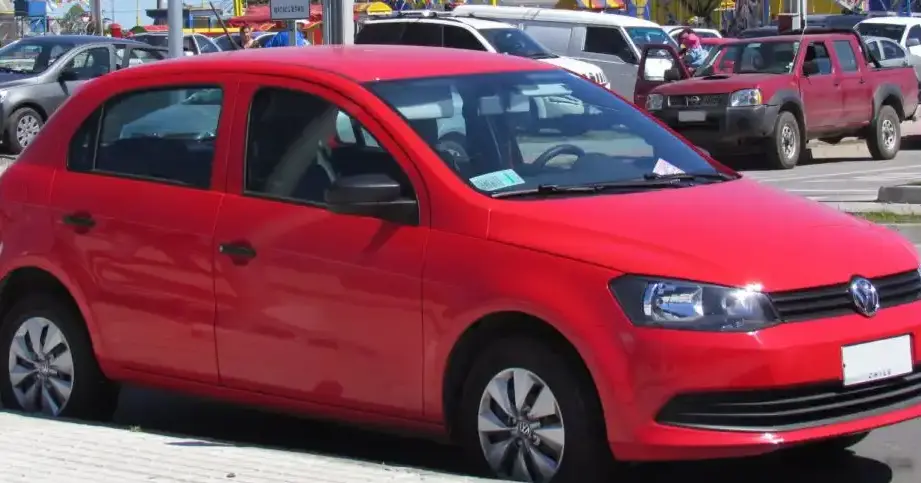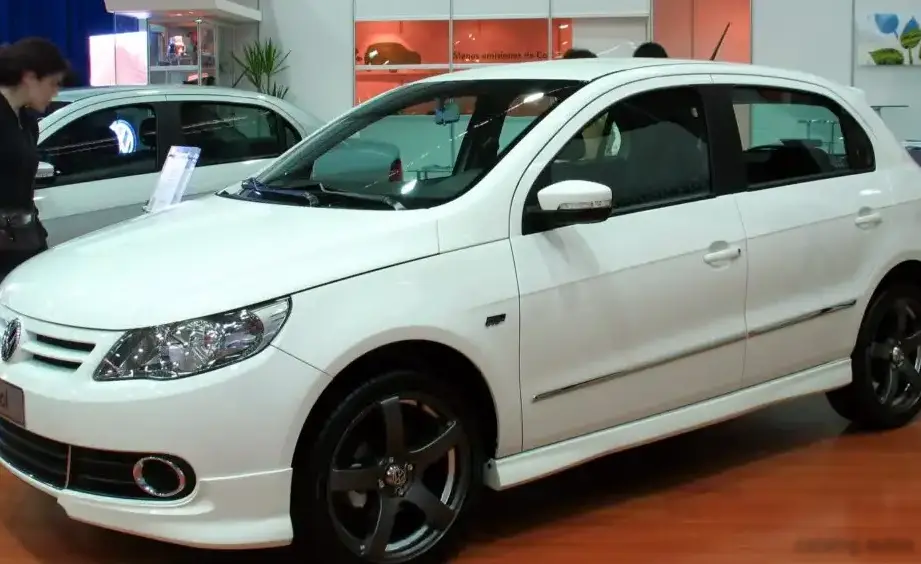
The Volkswagen Gol (G5), produced from 2008 to 2013, represented the third generation of Volkswagen’s long-running Gol model. Designed primarily for the South American market, particularly Brazil and Argentina, the G5 was a significant update to the Gol line, incorporating a more modern design and improved safety features. Within the G5 range, the 1.6-liter 110 horsepower variant occupied a middle ground, offering a balance between affordability and performance. It served as a step up from the base models while remaining more accessible than the higher-specification trims. The G5 generation was built on the PQ24 platform, shared with other Volkswagen and SEAT models of the era.
Technical Specifications
| Brand | Volkswagen |
| Model | Gol |
| Generation | Gol (G5) III |
| Type (Engine) | 1.6 (110 Hp) |
| Start of production | 2008 |
| End of production | 2013 |
| Powertrain Architecture | Internal Combustion engine |
| Body type | Hatchback |
| Seats | 5 |
| Doors | 5 |
| Fuel Type | Petrol (Gasoline) |
| Power | 110 Hp |
| Power per litre | 68.8 Hp/l |
| Torque | 158 Nm @ 3000 rpm / 116.53 lb.-ft. @ 3000 rpm |
| Engine layout | Front, Transverse |
| Engine displacement | 1600 cm3 / 97.64 cu. in. |
| Number of cylinders | 4 |
| Engine configuration | Inline |
| Number of valves per cylinder | 4 |
| Fuel injection system | Multi-port manifold injection |
| Engine aspiration | Naturally aspirated engine |
| Trunk (boot) space – minimum | 283 l / 9.99 cu. ft. |
| Length | 3800 mm / 149.61 in. |
| Width | 1660 mm / 65.35 in. |
| Height | 1450 mm / 57.09 in. |
| Wheelbase | 2470 mm / 97.24 in. |
| Drivetrain Architecture | The Internal combustion engine (ICE) drives the front wheels of the vehicle. |
| Drive wheel | Front wheel drive |
| Number of gears and type of gearbox | 5 gears, manual transmission |
| Front brakes | Ventilated discs |
| Rear brakes | Drum |
| Assisting systems | ABS (Anti-lock braking system) |
| Tires size | 175/70 R13 |
| Wheel rims size | 13 |
Powertrain & Engine Architecture
The heart of the Gol G5 1.6 was the EA111 family of engines, specifically the XRT variant. This 1.6-liter inline-four cylinder engine featured a cast iron block and an aluminum cylinder head. It utilized a multi-point fuel injection system, delivering fuel to each cylinder individually for improved efficiency and responsiveness. The engine boasted four valves per cylinder (DOHC – Dual Overhead Camshaft), contributing to its respectable power output for its displacement. The 110 horsepower figure was achieved through a combination of optimized intake and exhaust port designs, along with careful tuning of the engine management system. The engine’s relatively simple design prioritized reliability and ease of maintenance, crucial factors in its target markets. The five-speed manual transmission was the standard offering for this trim, providing a direct connection between the engine and the front wheels. The transmission was chosen for its durability and cost-effectiveness.
Driving Characteristics
The 1.6-liter engine in the Gol G5 provided adequate performance for everyday driving. While not a sports car, the 110 hp output allowed for reasonably brisk acceleration, particularly in urban environments. The five-speed manual transmission offered a good balance between fuel economy and responsiveness. Gear ratios were tuned for practicality, prioritizing acceleration in the lower gears and comfortable cruising at highway speeds. Compared to the base 1.0-liter engine, the 1.6 offered a noticeable improvement in power and torque, making it more suitable for carrying passengers and cargo, or tackling hilly terrain. However, it didn’t possess the same punch as the more expensive 1.6L with flex fuel capability or the potential for aftermarket tuning. The Gol G5’s suspension was tuned for comfort, absorbing bumps and imperfections in the road reasonably well. Steering was light and easy to use, making it maneuverable in city traffic.
Equipment & Trim Levels
The 1.6-liter Gol G5 typically came equipped with a reasonable level of standard features. These included power steering, air conditioning (often optional), a basic audio system (usually AM/FM radio with CD player), and front power windows. Safety features included dual airbags and ABS (Anti-lock Braking System). Interior upholstery was typically cloth, with a durable and practical design. Optional extras included alloy wheels, a more advanced audio system with MP3 compatibility, and rear power windows. The trim level sat in the middle of the Gol G5 range, offering more features than the base “Trend” model but fewer than the top-of-the-line “Power” trim. The dashboard layout was functional and straightforward, with easy-to-read gauges and controls.
Chassis & Braking
The Gol G5 utilized a MacPherson strut front suspension and a semi-independent torsion beam rear suspension. This setup provided a good compromise between ride comfort and handling. The front brakes were ventilated discs, offering good stopping power, while the rear brakes were drums, a cost-saving measure common in this segment. ABS was standard, enhancing braking performance and stability, particularly on slippery surfaces. The chassis was relatively lightweight, contributing to the car’s agility. Stabilizer bars were fitted to both the front and rear axles, helping to reduce body roll during cornering. Tire size was typically 175/70 R13, providing a good balance between grip and ride comfort.
Market Reception & Comparison
The Volkswagen Gol G5 1.6 was generally well-received in its target markets. Critics praised its improved design, increased safety features, and relatively spacious interior. The 1.6-liter engine was considered a good compromise between performance and fuel economy. Compared to other vehicles in its class, such as the Fiat Palio and Chevrolet Celta, the Gol G5 offered a more refined driving experience and a stronger brand reputation. Fuel economy was respectable, averaging around 30-35 mpg in mixed driving conditions. Reliability was generally good, although some owners reported minor issues with the electrical system. The 1.6L manual was often preferred over the base 1.0L due to its increased usability, but the flex-fuel 1.6L offered a compelling alternative for those seeking the benefits of ethanol-based fuel.
Legacy
The Volkswagen Gol G5 1.6 remains a popular choice in the used car market in South America. Its simple design, reliable engine, and affordable price make it an attractive option for budget-conscious buyers. The EA111 engine is known for its durability and relatively low maintenance costs. While not a particularly sophisticated vehicle, the Gol G5 1.6 provided a solid and dependable mode of transportation for many years. Parts availability remains good, and the car is relatively easy to repair. The G5 generation helped solidify the Gol’s position as one of the best-selling cars in Brazil and Argentina, and its legacy continues to this day.