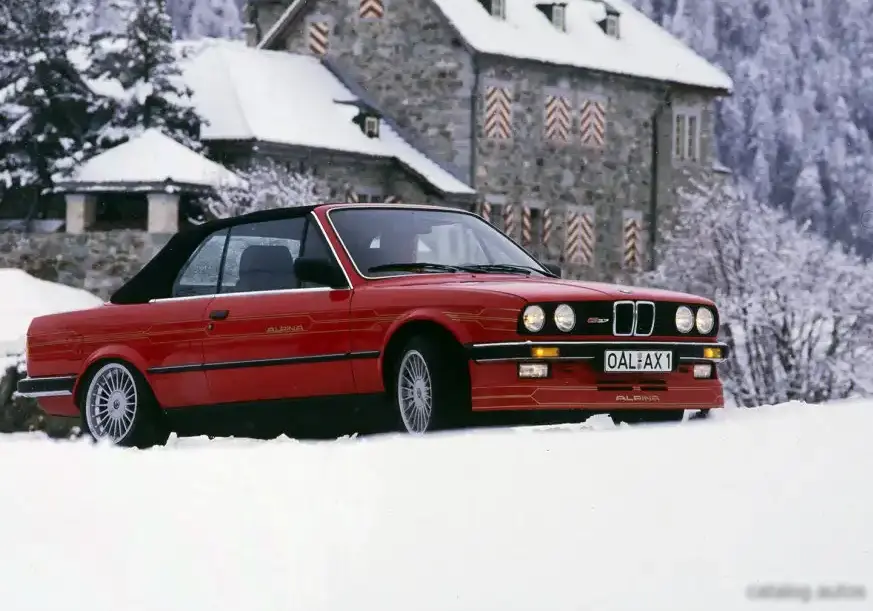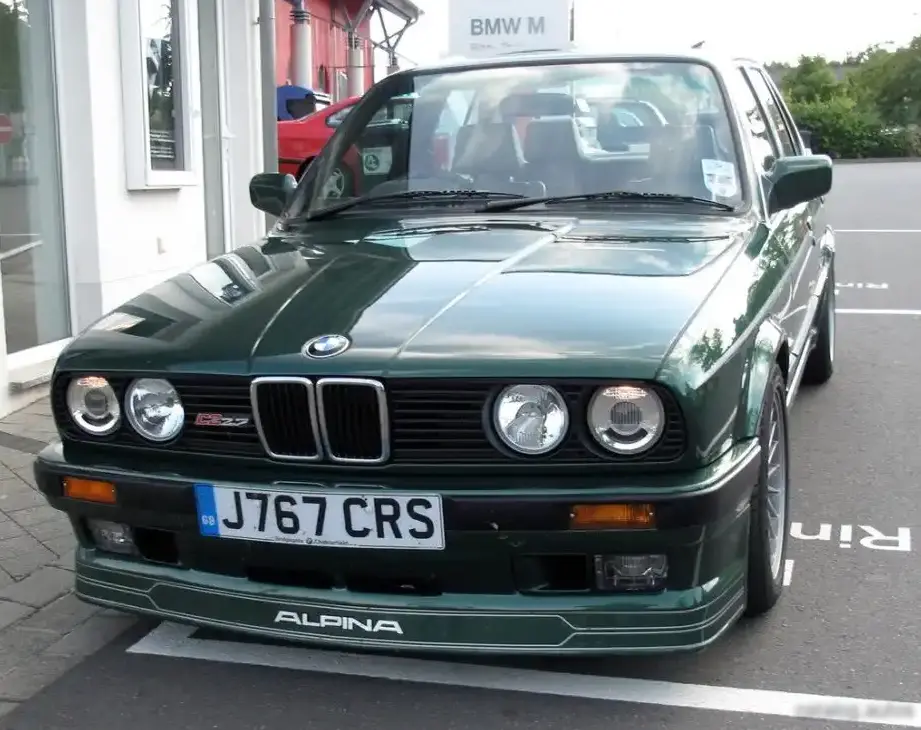
The Alpina C2 2.7 Allrad, produced between 1986 and 1987, represents a unique and highly sought-after variant within the E30 generation of BMW’s iconic 3-Series. Built by Alpina, a renowned German automotive engineering company specializing in high-performance modifications and small-series production, the C2 2.7 Allrad was designed to offer a blend of luxury, performance, and all-weather capability. It occupied a niche position, bridging the gap between the standard BMW 3-Series and the more track-focused M3. Only a limited number were produced, making it a rare and collectible vehicle today. The “Allrad” designation signifies its all-wheel-drive system, a relatively uncommon feature for sports sedans of that era.
Technical Specifications
| Brand | Alpina |
| Model | C2 |
| Generation | C2 (E30) |
| Type (Engine) | 2.7 Allrad (209 Hp) |
| Start of production | 1986 |
| End of production | 1987 |
| Powertrain Architecture | Internal Combustion engine |
| Body type | Sedan |
| Fuel Type | Petrol (Gasoline) |
| Engine Power | 209 Hp |
| Engine Aspiration | Naturally aspirated |
Powertrain & Engine Architecture
The heart of the Alpina C2 2.7 Allrad is its 2.7-liter inline-six cylinder engine, based on the BMW M20 block. However, Alpina extensively modified the engine to increase its displacement and output. Key modifications included a larger cylinder bore, a high-compression crankshaft, and optimized cylinder head porting. The engine utilized Bosch Motronic fuel injection, a sophisticated system for its time, ensuring precise fuel delivery and optimal combustion. Alpina also employed Mahle pistons and a balanced crankshaft to enhance durability and smoothness. The engine produced 209 horsepower and approximately 207 lb-ft of torque.
The “Allrad” system is a significant aspect of this variant. It’s a viscous coupling-based all-wheel-drive system, distributing power variably between the front and rear axles. This system wasn’t a full-time 50/50 split; instead, it dynamically adjusted the power distribution based on traction conditions. The transmission was a Getrag 265 five-speed manual, chosen for its robustness and ability to handle the increased power output. Alpina specifically tuned the gear ratios to complement the engine’s characteristics and provide strong acceleration throughout the rev range. An automatic transmission was not offered on this model.
Driving Characteristics
The Alpina C2 2.7 Allrad offered a unique driving experience. The all-wheel-drive system provided exceptional grip, particularly in adverse weather conditions, making it a capable year-round vehicle. Compared to a standard BMW 325i of the same era, the C2 2.7 Allrad felt significantly more powerful and responsive. The increased torque from the 2.7-liter engine allowed for effortless cruising and strong acceleration in any gear. The five-speed manual transmission was precise and engaging, contributing to a sporty driving feel.
While not as overtly aggressive as the M3, the C2 2.7 Allrad offered a more refined and usable performance experience. The all-wheel-drive system reduced understeer, allowing for more neutral handling characteristics. The suspension was also tuned by Alpina, providing a comfortable ride without sacrificing handling precision. The car felt planted and stable at high speeds, inspiring confidence in the driver. Compared to later all-wheel-drive systems, the viscous coupling system could exhibit some lag in response, but it was generally effective in providing enhanced traction.
Equipment & Trim Levels
The Alpina C2 2.7 Allrad was positioned as a premium offering, and its equipment levels reflected this. Standard features included Recaro sport seats upholstered in high-quality leather, a sunroof, power windows, and central locking. Alpina-specific touches were evident throughout the interior, including unique wood trim, a special steering wheel, and Alpina-branded gauges.
Optional extras included air conditioning, a premium sound system, and a limited-slip differential. The exterior was distinguished by Alpina-specific aerodynamic enhancements, including a front spoiler, rear spoiler, and side skirts. Alpina also offered a range of exterior color options, including exclusive Alpina colors. The interior trim could be customized to the buyer’s preferences, with a variety of leather and wood options available.
Chassis & Braking
The chassis of the C2 2.7 Allrad was based on the standard BMW E30 platform, but with several Alpina-specific modifications. The suspension was upgraded with stiffer springs, Bilstein shock absorbers, and larger stabilizer bars to improve handling and reduce body roll. The all-wheel-drive system necessitated modifications to the rear suspension to accommodate the driveshaft.
The braking system consisted of ventilated disc brakes at the front and disc brakes at the rear. Alpina did not significantly upgrade the braking system compared to the standard 325i, but the improved chassis and suspension contributed to shorter stopping distances. Anti-lock brakes (ABS) were available as an option, further enhancing braking performance and safety.
Market Reception & Comparison
The Alpina C2 2.7 Allrad was well-received by automotive journalists and enthusiasts. It was praised for its blend of performance, luxury, and all-weather capability. Critics noted that it offered a more refined and usable performance experience than the more track-focused M3. However, its relatively high price and limited production run meant that it was not a mainstream success.
Compared to the standard BMW 325i, the C2 2.7 Allrad offered significantly more power and performance. Compared to the M3, it was less focused on outright track performance but offered a more comfortable ride and better all-weather traction. The 1.8L and 2.5L variants of the E30 offered more affordable entry points into the 3-Series range, but lacked the exclusivity and performance of the Alpina model. Fuel economy was comparable to the 325i, averaging around 20-25 mpg.
Legacy
The Alpina C2 2.7 Allrad remains a highly collectible and sought-after vehicle today. Its rarity, unique specifications, and engaging driving experience have made it a favorite among BMW and Alpina enthusiasts. The 2.7-liter engine is known for its durability and reliability, provided it is properly maintained.
The all-wheel-drive system, while not as sophisticated as modern systems, was a pioneering feature for a sports sedan of that era. The C2 2.7 Allrad represents a high point in Alpina’s history, showcasing the company’s expertise in enhancing and refining BMW’s already excellent products. Values for well-maintained examples have steadily increased in recent years, reflecting the car’s growing desirability and historical significance. Finding parts can be challenging due to the limited production run, but a dedicated network of Alpina specialists and enthusiasts exists to support owners.