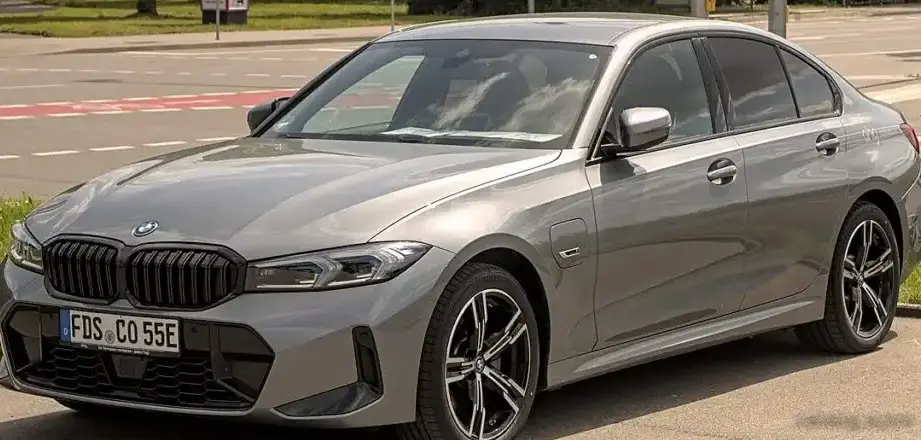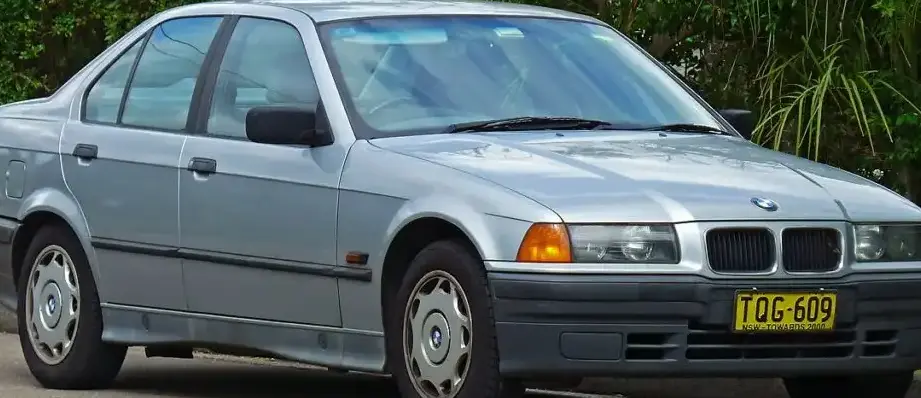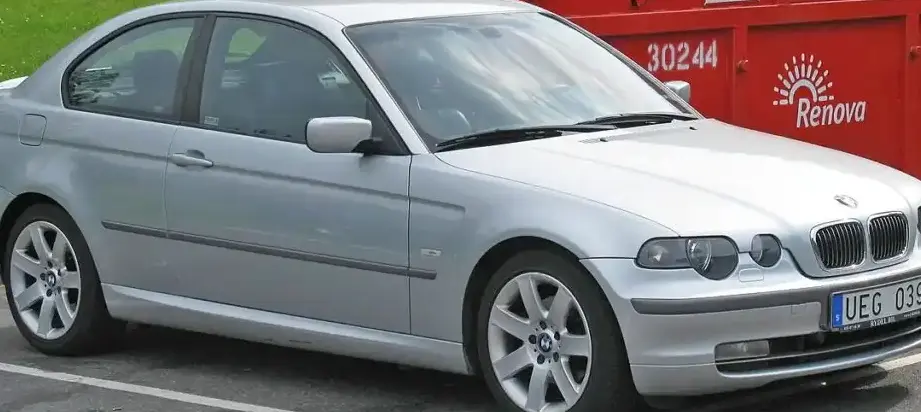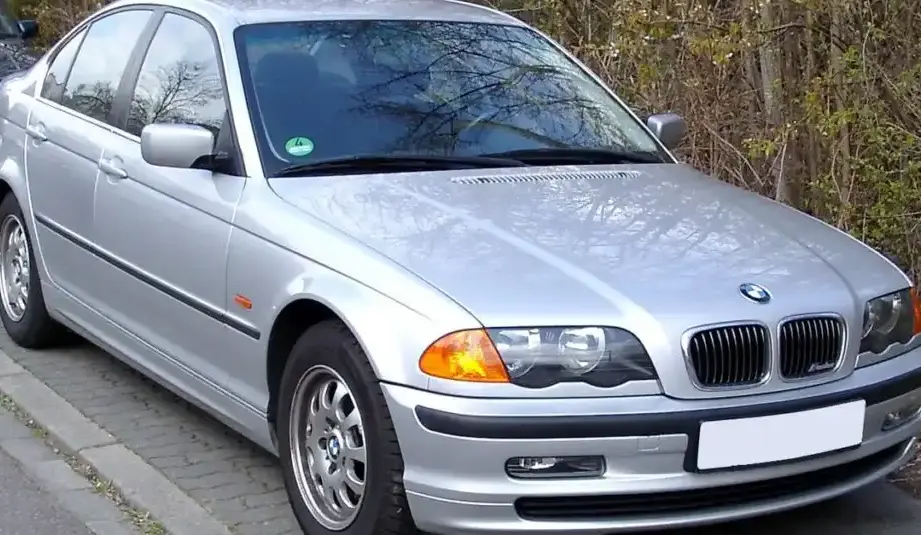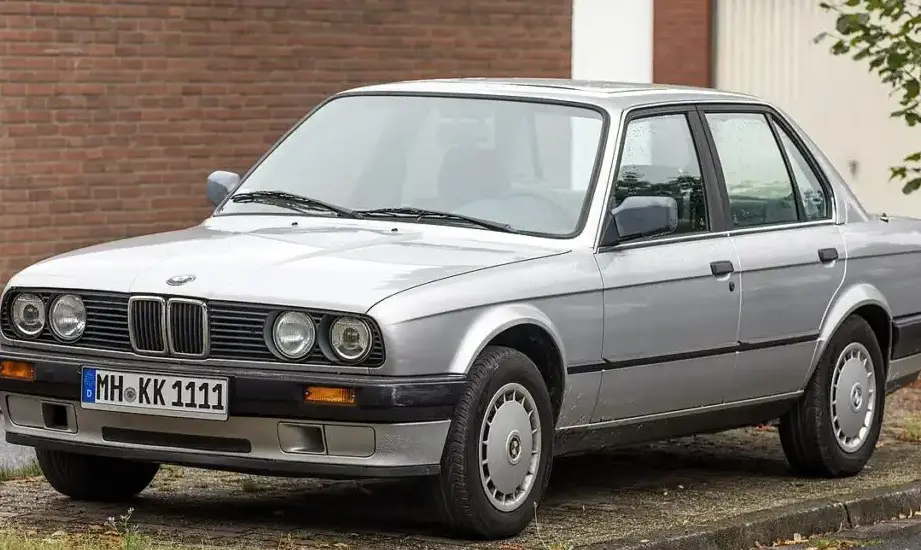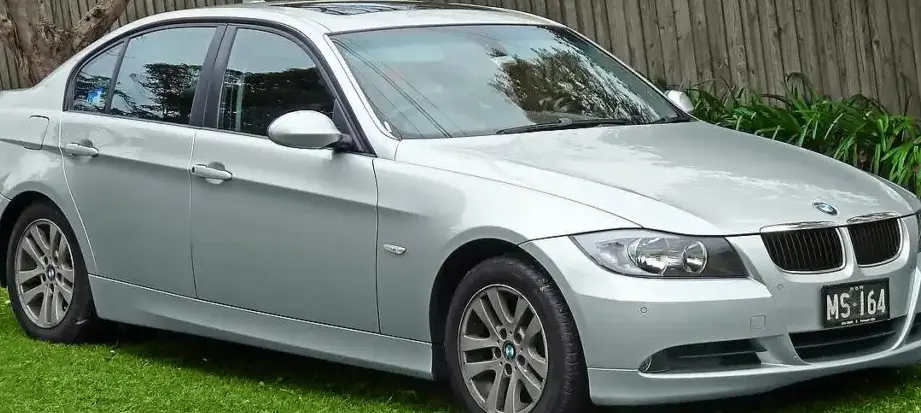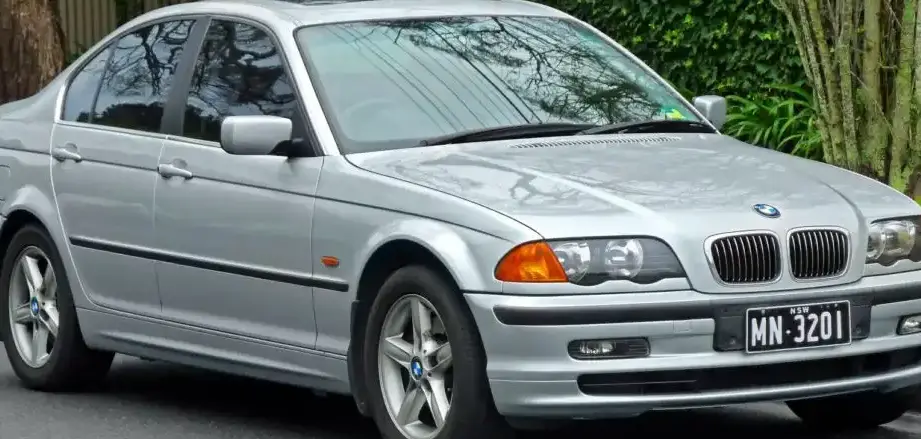
The BMW 3 Series Sedan (E46) 320i Automatic, produced from 1998 to 2001, represented an entry point into the popular E46 generation. Positioned as a more accessible option within the 3 Series lineup, it offered a blend of BMW’s renowned driving dynamics with a focus on comfort and ease of use. This variant catered to buyers seeking a premium sedan experience without the higher price tag or performance focus of the 323i or 328i models. The 320i Automatic served as a significant volume seller for BMW in North America and Europe, appealing to a broad demographic looking for a reliable and refined daily driver.
Technical Specifications
| Brand | BMW |
| Model | 3 Series |
| Generation | 3 Series Sedan (E46) |
| Type (Engine) | 320i (150 Hp) Automatic |
| Start of production | 1998 |
| End of production | 2001 |
| Powertrain Architecture | Internal Combustion engine |
| Body type | Sedan |
| Seats | 5 |
| Doors | 4 |
| Fuel consumption (urban) | 14.9 l/100 km (15.8 US mpg / 19 UK mpg) |
| Fuel consumption (extra urban) | 7.2 l/100 km (32.7 US mpg / 39.2 UK mpg) |
| Fuel Type | Petrol (Gasoline) |
| Acceleration 0 – 100 km/h | 10.9 sec |
| Acceleration 0 – 62 mph | 10.9 sec |
| Acceleration 0 – 60 mph | 10.4 sec |
| Maximum speed | 216 km/h (134.22 mph) |
| Weight-to-power ratio | 9.1 kg/Hp |
| Weight-to-torque ratio | 7.2 kg/Nm |
| Power | 150 Hp @ 5900 rpm |
| Power per litre | 75.3 Hp/l |
| Torque | 190 Nm @ 4200 rpm (140.14 lb.-ft. @ 4200 rpm) |
| Engine layout | Front, Longitudinal |
| Engine Model/Code | M52B20TU |
| Engine displacement | 1991 cm3 (121.5 cu. in.) |
| Number of cylinders | 6 |
| Engine configuration | Inline |
| Cylinder Bore | 80 mm (3.15 in.) |
| Piston Stroke | 66 mm (2.6 in.) |
| Compression ratio | 11:1 |
| Number of valves per cylinder | 4 |
| Fuel injection system | Multi-port manifold injection |
| Engine aspiration | Naturally aspirated engine |
| Valvetrain | DOHC |
| Engine oil capacity | 6.5 l (6.87 US qt | 5.72 UK qt) |
| Coolant | 8.4 l (8.88 US qt | 7.39 UK qt) |
| Kerb Weight | 1365 kg (3009.31 lbs.) |
| Max. weight | 1865 kg (4111.62 lbs.) |
| Max load | 500 kg (1102.31 lbs.) |
| Trunk (boot) space – minimum | 440 l (15.54 cu. ft.) |
| Fuel tank capacity | 63 l (16.64 US gal | 13.86 UK gal) |
| Length | 4471 mm (176.02 in.) |
| Width | 1739 mm (68.46 in.) |
| Height | 1415 mm (55.71 in.) |
| Wheelbase | 2725 mm (107.28 in.) |
| Front track | 1481 mm (58.31 in.) |
| Rear (Back) track | 1488 mm (58.58 in.) |
| Drivetrain Architecture | Rear wheel drive |
| Drive wheel | Rear wheel drive |
| Number of gears and type of gearbox | 4 gears, automatic transmission |
| Front suspension | Spring Strut |
| Rear suspension | Coil spring |
| Front brakes | Ventilated discs |
| Rear brakes | Disc |
| Assisting systems | ABS (Anti-lock braking system) |
| Steering type | Steering rack and pinion |
| Power steering | Hydraulic Steering |
| Tires size | 195/65 R15 |
| Wheel rims size | 15 |
Powertrain & Engine Architecture
The heart of the 320i Automatic was the M52B20TU inline-six engine. This 2.0-liter engine, a descendant of BMW’s long-respected M52 series, was known for its smooth power delivery and inherent balance. The “TU” designation signified a technical upgrade (Technische Upgrade) over earlier M52B20 versions, incorporating features like individual throttle butterflies for improved throttle response and a revised engine management system. Fuel delivery was handled by a multi-port fuel injection system, ensuring precise fuel metering for optimal combustion. The engine featured a double overhead camshaft (DOHC) valvetrain with four valves per cylinder, contributing to its respectable power output of 150 horsepower and 190 Nm (140 lb-ft) of torque. The automatic transmission was a 4-speed unit, chosen for its convenience and ease of use, although it wasn’t as sporty or efficient as the available 5-speed manual.
Driving Characteristics
The 320i Automatic offered a comfortable and refined driving experience. While not as quick as the 323i or 328i, it provided adequate acceleration for everyday driving situations. The automatic transmission, while smooth, did result in some power loss compared to the manual version. The gear ratios were tuned for fuel efficiency and comfortable cruising, rather than outright performance. Acceleration from 0-60 mph took around 10.4 seconds, and the top speed was electronically limited to 216 km/h (134 mph). The rear-wheel-drive configuration provided a balanced feel, and the suspension offered a good compromise between comfort and handling. Compared to the more powerful variants, the 320i Automatic felt less eager to rev and required more planning when overtaking.
Equipment & Trim Levels
The 320i Automatic typically came standard with features such as power windows, power locks, air conditioning, and an AM/FM stereo. Upholstery was usually cloth, although leather was available as an option. Optional extras included a sunroof, heated seats, automatic climate control, and a premium sound system. The interior design was typical BMW, with a driver-focused layout and high-quality materials. Trim levels were relatively simple, with most options being added individually rather than packaged into distinct tiers. The focus was on providing a comfortable and well-equipped vehicle without the extensive customization options found in higher-end models.
Chassis & Braking
The E46 320i Automatic utilized a MacPherson strut front suspension and a multi-link rear suspension, providing a comfortable ride and good handling characteristics. The braking system consisted of ventilated discs at the front and solid discs at the rear. Anti-lock brakes (ABS) were standard, enhancing safety and control during emergency braking. The steering was a rack-and-pinion system with hydraulic power assistance, offering precise and responsive steering feel. The suspension was tuned to provide a balance between comfort and handling, making it suitable for both city driving and highway cruising.
Market Reception & Comparison
The 320i Automatic was generally well-received by automotive critics as a sensible and well-rounded entry-level luxury sedan. It was praised for its comfortable ride, refined interior, and fuel efficiency. However, some critics noted that the automatic transmission detracted from the driving experience compared to the manual version, and the engine lacked the punch of the larger engines available in the 3 Series lineup. Compared to competitors like the Audi A4 and Mercedes-Benz C-Class, the 320i Automatic offered a more engaging driving experience and a reputation for reliability. Fuel economy was respectable for its class, averaging around 32.7 US mpg on the highway.
Legacy
The E46 320i Automatic has proven to be a relatively reliable vehicle, with many examples still on the road today. The M52B20TU engine is known for its durability, although regular maintenance is essential to prevent issues such as oil leaks and cooling system failures. The automatic transmission, while not as sporty as some alternatives, is generally reliable if properly maintained. In the used car market, the 320i Automatic represents an affordable entry point into BMW ownership. It’s a popular choice for those seeking a well-built, comfortable, and reliable sedan with the prestige of the BMW brand. However, potential buyers should be aware of common E46 issues, such as cooling system components and subframe rust, and ensure that the vehicle has been properly maintained.