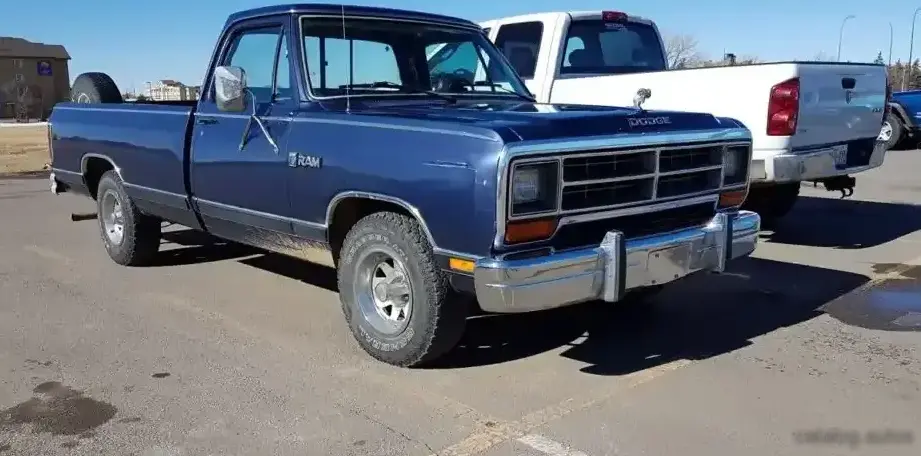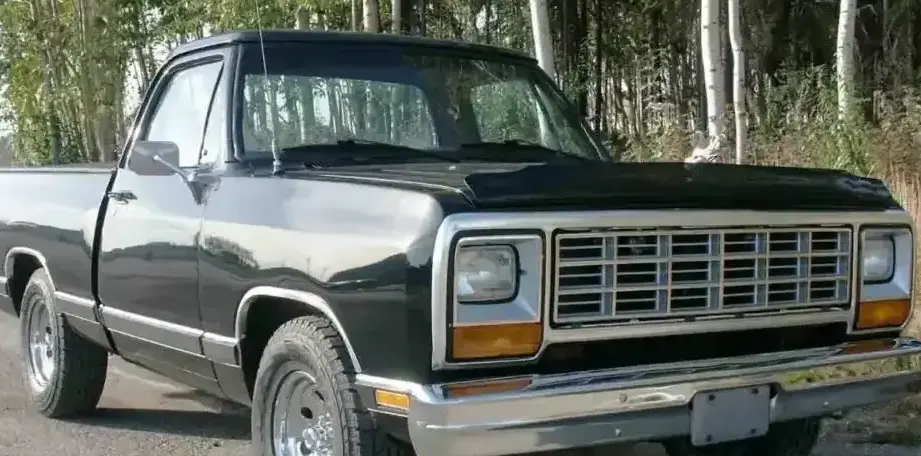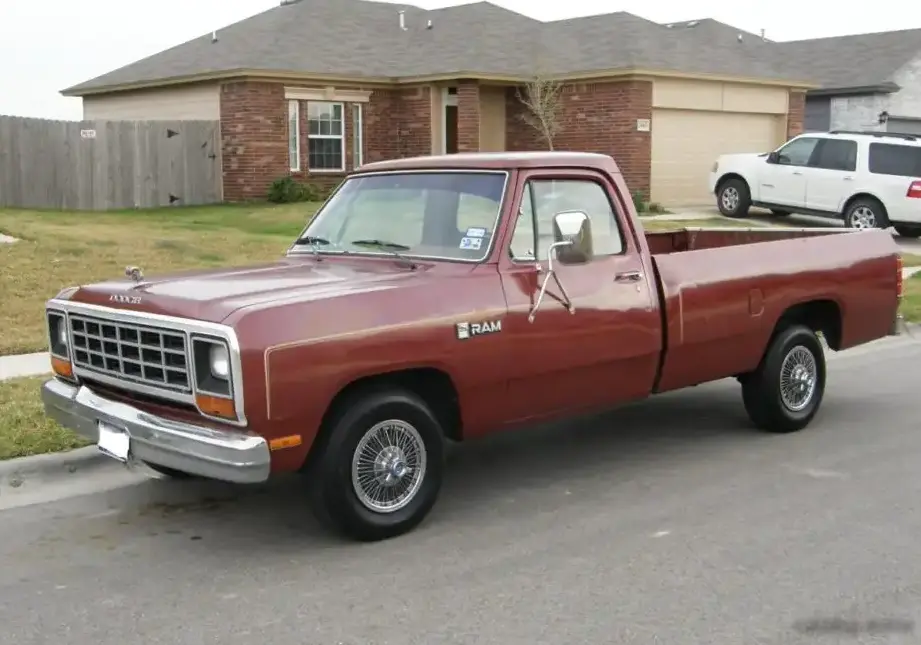
The Dodge Ram 250 Conventional Cab Long Bed (D/W) D250, equipped with the 5.9-liter V8 engine producing 175 horsepower, was a mainstay of Dodge’s heavy-duty truck lineup from 1981 through 1988. This generation, internally designated as the “D-Series,” represented a significant update to Dodge’s truck offerings, focusing on improved durability and a more comfortable driving experience compared to its predecessors. The D250 specifically occupied the three-quarter-ton segment, positioned between the lighter-duty D150 and the heavier D350, catering to buyers needing substantial towing and payload capacity without the expense of the fully-fledged one-ton truck. This particular configuration, with the 5.9L V8 and typically a four-speed manual transmission, was a popular choice for those prioritizing affordability and ruggedness over outright performance.
Technical Specifications
| Brand | Dodge |
| Model | RAM |
| Generation | Ram 250 Conventional Cab Long Bed (D/W) |
| Type (Engine) | D250 5.9 V8 (175 Hp) |
| Start of production | 1981 |
| End of production | 1988 |
| Powertrain Architecture | Internal Combustion engine |
| Body type | Pick-up |
| Seats | 3 |
| Doors | 2 |
| Fuel Type | Petrol (Gasoline) |
| Power | 175 Hp @ 4000 rpm |
| Power per litre | 29.7 Hp/l |
| Torque | 353 Nm @ 2000 rpm / 260.36 lb.-ft. @ 2000 rpm |
| Engine layout | Front, Longitudinal |
| Engine displacement | 5899 cm3 / 359.98 cu. in. |
| Number of cylinders | 8 |
| Engine configuration | V-engine |
| Cylinder Bore | 101.6 mm / 4 in. |
| Piston Stroke | 90.93 mm / 3.58 in. |
| Compression ratio | 8:1 |
| Fuel injection system | Carburettor |
| Engine aspiration | Naturally aspirated engine |
| Engine oil capacity | 5.6 l / 5.92 US qt | 4.93 UK qt |
| Coolant | 14.5 l / 15.32 US qt | 12.76 UK qt |
| Fuel tank capacity | 76 l / 20.08 US gal | 16.72 UK gal |
| Length | 5354 mm / 210.79 in. |
| Width including mirrors | 2019 mm / 79.49 in. |
| Wheelbase | 3327 mm / 130.98 in. |
| Drivetrain Architecture | The Internal combustion engine (ICE) drives the rear wheels of the vehicle. |
| Drive wheel | Rear wheel drive |
| Number of gears and type of gearbox | 4 gears, manual transmission |
| Front suspension | Independent coil spring |
| Rear suspension | Rigid axle suspension, Leaf spring |
| Front brakes | Disc, 298.45×31.75 mm |
| Rear brakes | Drum, 254×63.5 mm |
| Steering type | Cone worm with recirculation balls |
| Tires size | 195/75 R15 |
| Wheel rims size | 5.5J x 15 |
Powertrain & Engine Architecture
The heart of the D250 was the LA-series 5.9-liter (360 cubic inch) V8 engine. This engine, a member of the Chrysler LA engine family, was known for its durability and relatively simple design. The 175 horsepower output was achieved through a two-barrel carburetor, a relatively conservative setup compared to later fuel-injected versions. The engine featured a cast iron block and cylinder heads, and a hydraulic lifter camshaft. The 8:1 compression ratio was a compromise between power and the ability to run on lower octane gasoline, common at the time. The standard transmission was a four-speed manual, although a three-speed automatic transmission was also available as an option. The automatic, while offering convenience, did noticeably impact acceleration and fuel economy. The engine’s longitudinal front-engine layout was typical for rear-wheel-drive trucks of this era.
Driving Characteristics
The D250 with the 5.9L V8 and manual transmission offered adequate, but not exhilarating, performance. Acceleration was modest, with a focus on providing sufficient torque for hauling and towing. The four-speed manual transmission provided a reasonable spread of gears, allowing the driver to keep the engine in its optimal power band. The automatic transmission, while smoother, resulted in slower acceleration and a less engaging driving experience. The truck’s suspension, consisting of independent coil springs in the front and leaf springs in the rear, provided a reasonably comfortable ride, although it could become bouncy when unloaded. Steering was accomplished through a cone worm and recirculating ball system, which provided a solid feel but lacked the precision of more modern steering technologies.
Equipment & Trim Levels
The D250 was generally offered in a fairly basic trim level, reflecting its work-oriented nature. Standard features typically included a vinyl bench seat, basic instrumentation (speedometer, fuel gauge, temperature gauge), and a simple AM radio. Optional equipment included air conditioning, a more upscale radio, power steering, and power brakes. The interior was functional and durable, designed to withstand the rigors of daily use. Exterior options were limited, primarily consisting of different paint colors and the addition of chrome trim.
Chassis & Braking
The D250’s chassis was a traditional body-on-frame construction, providing a robust and durable platform. The front suspension utilized independent coil springs, while the rear suspension employed a solid axle with leaf springs. This setup provided a good balance of ride comfort and load-carrying capacity. Brakes were disc brakes in the front and drum brakes in the rear. While adequate for the truck’s weight, the braking system lacked the stopping power of more modern systems. The truck rode on 15-inch wheels with 195/75 R15 tires.
Market Reception & Comparison
The Dodge D250 was well-received in the market as a capable and affordable work truck. Critics praised its durability and straightforward design. Compared to the D150, the D250 offered significantly greater towing and payload capacity. Compared to the D350, it provided a more manageable size and lower price point. The 5.9L V8 with the manual transmission was generally considered a good balance of power and fuel economy, although the automatic transmission was often criticized for its sluggish performance. Competitors included the Ford F-250 and the Chevrolet C2500, all of which offered similar capabilities and price points.
Legacy
The Dodge D250 from the 1981-1988 generation has developed a loyal following among truck enthusiasts. The 5.9L V8 engine is known for its reliability and relative ease of maintenance. While not particularly fuel-efficient by modern standards, the engine is relatively simple to work on, making it a popular choice for restoration projects. Today, well-maintained examples of the D250 are sought after by collectors and those looking for a classic American work truck. The availability of parts remains reasonably good, ensuring that these trucks can continue to be enjoyed for years to come. The D250 represents a pivotal era in Dodge truck history, bridging the gap between older, more utilitarian designs and the more refined trucks of the 1990s.