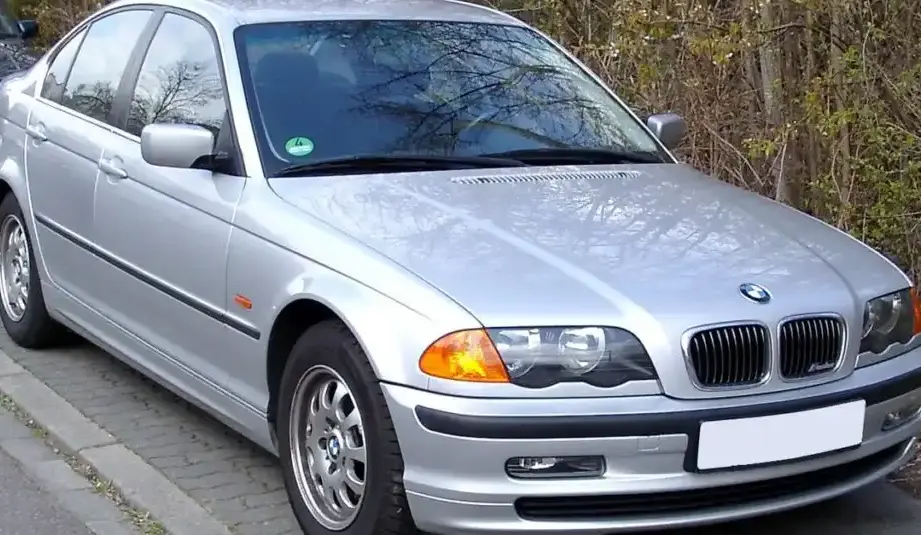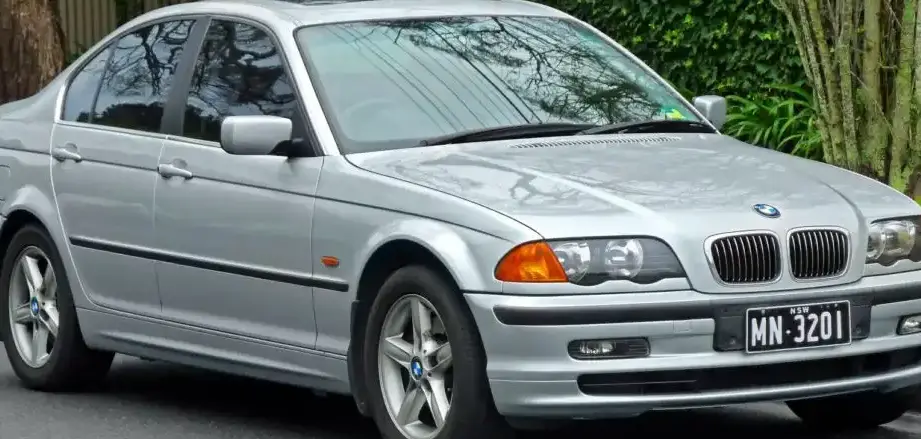
The BMW 330d Sedan (E46), produced between 1999 and 2001, marked a significant expansion of BMW’s mid-size lineup, introducing diesel power to a segment traditionally dominated by gasoline engines. This variant, powered by the M57D30 engine, was primarily targeted at the European market, where diesel fuel was more readily available and offered favorable tax incentives. Although not originally sold in the United States during its production run, the E46 330d has gained popularity among enthusiasts who import examples for its combination of performance, fuel efficiency, and BMW’s renowned driving dynamics. It occupied a middle ground within the E46 range, providing more performance than the 320d but remaining more economical than the gasoline-powered 330i.
Technical Specifications
| Brand | BMW |
| Model | 3 Series |
| Generation | 3 Series Sedan (E46) |
| Type (Engine) | 330d (184 Hp) |
| Start of production | 1999 |
| End of production | 2001 |
| Powertrain Architecture | Internal Combustion engine |
| Body type | Sedan |
| Seats | 5 |
| Doors | 4 |
| Fuel consumption (urban) | 9.3 l/100 km (25.3 US mpg) |
| Fuel consumption (extra urban) | 5.4 l/100 km (43.6 US mpg) |
| Fuel Type | Diesel |
| Acceleration 0 – 100 km/h | 7.8 sec |
| Acceleration 0 – 62 mph | 7.8 sec |
| Acceleration 0 – 60 mph | 7.4 sec |
| Maximum speed | 227 km/h (141.05 mph) |
| Weight-to-power ratio | 8.3 kg/Hp |
| Weight-to-torque ratio | 3.9 kg/Nm |
| Power | 184 Hp @ 4000 rpm |
| Torque | 390 Nm @ 1750 rpm (287.65 lb.-ft. @ 1750 rpm) |
| Engine layout | Front, Longitudinal |
| Engine Model/Code | M57D30 |
| Engine displacement | 2926 cm3 (178.56 cu. in.) |
| Number of cylinders | 6 |
| Engine configuration | Inline |
| Cylinder Bore | 84 mm (3.31 in.) |
| Piston Stroke | 88 mm (3.46 in.) |
| Compression ratio | 19:1 |
| Number of valves per cylinder | 4 |
| Fuel injection system | Diesel Commonrail |
| Engine aspiration | Turbocharger, Intercooler |
| Valvetrain | OHC |
| Engine oil capacity | 6.5 l (6.87 US qt | 5.72 UK qt) |
| Coolant | 10.2 l (10.78 US qt | 8.97 UK qt) |
| Kerb Weight | 1520 kg (3351.03 lbs.) |
| Max. weight | 2020 kg (4453.34 lbs.) |
| Max load | 500 kg (1102.31 lbs.) |
| Trunk (boot) space – minimum | 440 l (15.54 cu. ft.) |
| Fuel tank capacity | 63 l (16.64 US gal | 13.86 UK gal) |
| Length | 4471 mm (176.02 in.) |
| Width | 1739 mm (68.46 in.) |
| Height | 1415 mm (55.71 in.) |
| Wheelbase | 2725 mm (107.28 in.) |
| Front track | 1471 mm (57.91 in.) |
| Rear (Back) track | 1483 mm (58.39 in.) |
| Drivetrain Architecture | Rear wheel drive |
| Number of gears and type of gearbox | 5 gears, manual transmission |
| Front suspension | Spring Strut |
| Rear suspension | Coil spring |
| Front brakes | Ventilated discs |
| Rear brakes | Disc |
| Assisting systems | ABS (Anti-lock braking system) |
| Steering type | Steering rack and pinion |
| Power steering | Hydraulic Steering |
| Tires size | 205/50 R17 |
| Wheel rims size | 17 |
Powertrain & Engine Architecture
The E46 330d’s core is the M57D30, a 3.0-liter inline-six diesel engine. This engine represented a significant leap forward for BMW, incorporating common rail direct injection technology to enhance fuel efficiency and reduce emissions compared to previous diesel engines. The M57D30 featured a single turbocharger with an intercooler, producing 184 horsepower and a robust 390 Nm (287.65 lb-ft) of torque. The engine’s durable construction and relatively straightforward design contributed to its longevity and reliability. A 5-speed manual transmission was standard, offering a direct connection to the engine’s power. An automatic transmission was also available, though it was less common and often criticized for slightly detracting from the driving experience.
Driving Characteristics
The E46 330d delivered a distinctive driving experience. The M57D30 engine’s substantial torque, readily available from low RPMs, provided strong acceleration in typical driving scenarios. While not as outright fast as the gasoline-powered 330i, the 330d excelled in mid-range power and offered effortless cruising. The manual transmission, when equipped, provided precise shifts and increased driver involvement. The suspension, characteristic of BMW, was well-tuned, striking a balance between comfort and handling. The rear-wheel-drive configuration contributed to the car’s balanced feel and predictable handling. The automatic transmission, while convenient, resulted in a slight reduction in responsiveness and fuel economy.
Equipment & Trim Levels
The E46 330d generally came with a good level of standard equipment, including power windows, central locking, air conditioning, and an anti-lock braking system (ABS). Interior upholstery was typically cloth, with leather options available as an upgrade. Trim levels varied by market, but common options included sport seats, a sunroof, and upgraded audio systems. The dashboard layout was typical of the E46, with a driver-focused design and intuitive controls. Optional extras could significantly enhance the car’s comfort and convenience, but also increased the purchase price.
Chassis & Braking
The E46 330d utilized a MacPherson strut front suspension and a multi-link rear suspension, providing a comfortable yet controlled ride. The braking system featured ventilated discs at the front and solid discs at the rear. ABS was standard, improving braking performance and stability. The chassis was engineered to be rigid and lightweight, enhancing the car’s handling. Stabilizer bars were fitted front and rear to minimize body roll during cornering.
Market Reception & Comparison
The E46 330d was well-received in Europe, where its fuel efficiency and low operating costs were highly valued. Critics praised the engine’s torque and refinement, as well as the car’s overall driving dynamics. Compared to the 320d, the 330d offered a noticeable performance boost, while remaining more economical than the 330i. The 330d’s fuel economy was considerably better than that of its gasoline counterparts, making it an appealing choice for drivers covering high mileage. Reliability was generally good, although some owners reported issues with the turbocharger and fuel injection system over time.
Legacy
The E46 330d has cultivated a strong following among enthusiasts, particularly those seeking a blend of performance, fuel efficiency, and BMW’s driving characteristics. The M57D30 engine is known for its durability and relatively simple maintenance requirements. Today, well-maintained examples of the E46 330d are highly sought after in the used car market, offering a compelling alternative to newer vehicles. While sourcing parts can sometimes be challenging, the car’s robust construction and readily available aftermarket support ensure that it remains a viable and enjoyable classic for years to come. The E46 330d stands as a testament to BMW’s engineering expertise and its ability to create compelling diesel-powered automobiles.