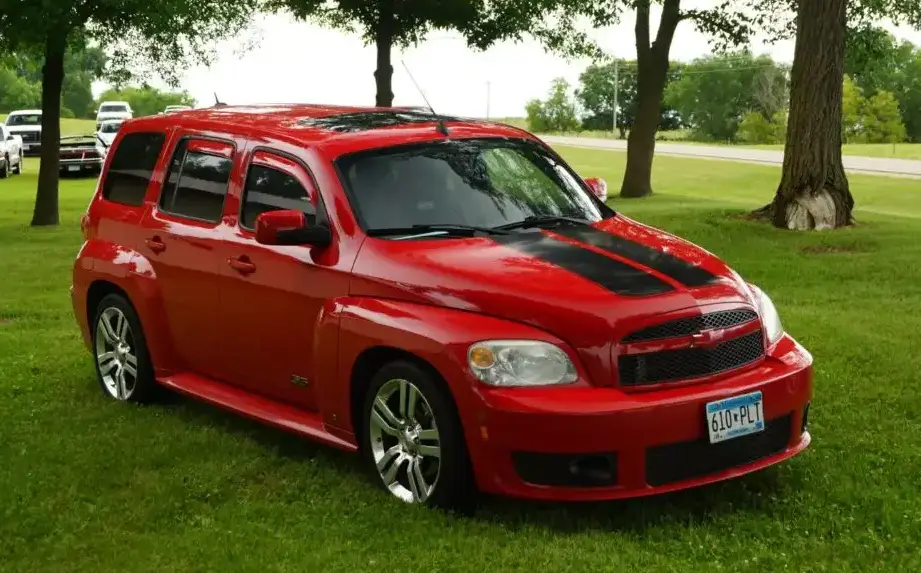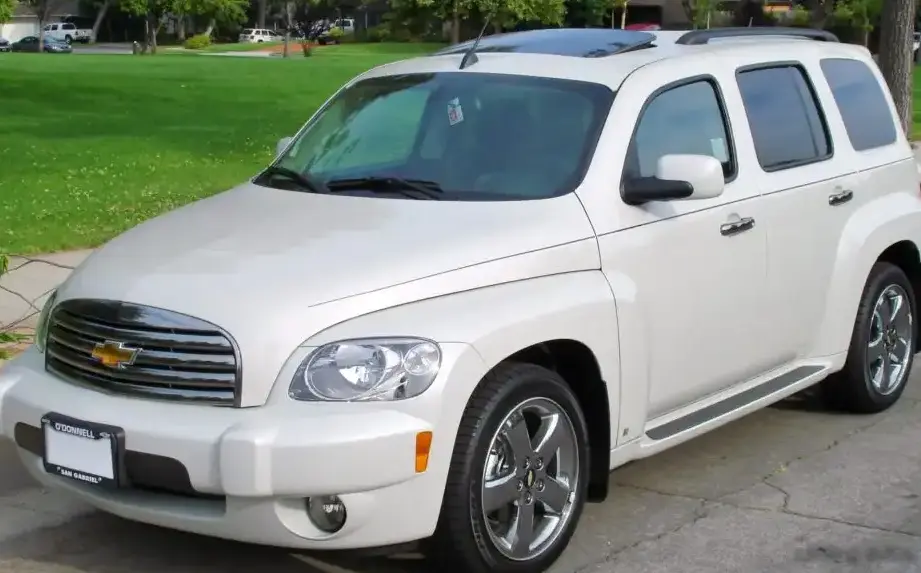
The Chevrolet HHR 2.2i 16V Automatic, produced from 2005 to May 2011, represented the entry-level powertrain option for Chevrolet’s retro-styled compact wagon. Positioned within the first generation of the HHR (which stood for Heritage High Roof), this variant aimed to provide affordable and practical transportation with a distinctive aesthetic. The HHR itself was built on the GM Delta platform, shared with vehicles like the Saturn Ion and Chevrolet Cobalt, but distinguished itself through its panel van-inspired design harking back to Chevrolet’s own vehicles of the 1940s and 50s. The 2.2L engine and automatic transmission combination was intended to appeal to buyers prioritizing ease of use and fuel efficiency over outright performance.
Technical Specifications
| Brand | Chevrolet |
| Model | HHR |
| Generation | HHR |
| Type (Engine) | 2.2 i 16V (141 Hp) Automatic |
| Start of production | 2005 |
| End of production | May, 2011 |
| Powertrain Architecture | Internal Combustion engine |
| Body type | Station wagon (estate) |
| Seats | 5 |
| Doors | 5 |
| Fuel consumption (urban) | 10.6 l/100 km (22.2 US mpg) |
| Fuel consumption (extra urban) | 9 l/100 km (26.1 US mpg) |
| Fuel consumption (combined) | 9.7 l/100 km (24.2 US mpg) |
| Fuel Type | Petrol (Gasoline) |
| Weight-to-power ratio | 10.1 kg/Hp |
| Weight-to-torque ratio | 6.8 kg/Nm |
| Power | 141 Hp @ 5600 rpm |
| Power per litre | 64.1 Hp/l |
| Torque | 210 Nm @ 4000 rpm (154.89 lb.-ft. @ 4000 rpm) |
| Engine layout | Front, Transverse |
| Engine Model/Code | L61 |
| Engine displacement | 2198 cm3 (134.13 cu. in.) |
| Number of cylinders | 4 |
| Engine configuration | Inline |
| Cylinder Bore | 86 mm (3.39 in.) |
| Piston Stroke | 94.6 mm (3.72 in.) |
| Compression ratio | 10:1 |
| Number of valves per cylinder | 4 |
| Fuel injection system | Multi-port manifold injection |
| Engine aspiration | Naturally aspirated engine |
| Engine oil capacity | 4.7 l (4.97 US qt | 4.14 UK qt) |
| Coolant capacity | 7 l (7.4 US qt | 6.16 UK qt) |
| Kerb Weight | 1431 kg (3154.81 lbs.) |
| Trunk (boot) space – minimum | 638 l (22.53 cu. ft.) |
| Trunk (boot) space – maximum | 1785 l (63.04 cu. ft.) |
| Fuel tank capacity | 49 l (12.94 US gal | 10.78 UK gal) |
| Length | 4475 mm (176.18 in.) |
| Width | 1755 mm (69.09 in.) |
| Height | 1603 mm (63.11 in.) |
| Wheelbase | 2628 mm (103.46 in.) |
| Front track | 1491 mm (58.7 in.) |
| Rear track | 1491 mm (58.7 in.) |
| Minimum turning circle | 11 m (36.09 ft.) |
| Drivetrain Architecture | Front wheel drive |
| Number of gears | 4 |
| Gearbox type | Automatic transmission |
| Front suspension | Spring Strut |
| Rear suspension | Transverse stabilizer |
| Front brakes | Ventilated discs |
| Rear brakes | Drum |
| Assisting systems | ABS (Anti-lock braking system) |
| Steering type | Steering rack and pinion |
| Tires size | 215/55 R16 |
| Wheel rims size | 6.5J X 16 |
Powertrain & Engine Architecture
The Chevrolet HHR 2.2i Automatic utilized the GM L61 engine, a 2.2-liter inline-four cylinder powerplant. This engine had been a mainstay in various GM vehicles for years, known for its durability and relative simplicity. The L61 featured a cast iron block and aluminum cylinder head, with dual overhead camshafts operating four valves per cylinder. Fuel delivery was handled by a multi-port fuel injection system, providing adequate, though not exceptional, throttle response. The engine produced 141 horsepower at 5600 rpm and 210 Nm (155 lb-ft) of torque at 4000 rpm. The engine’s 10:1 compression ratio was typical for naturally aspirated gasoline engines of the era. Paired with the engine was a four-speed automatic transmission, a 4T45-E unit. This transmission was chosen for its smooth operation and ease of use, prioritizing comfort over sporty performance.
Driving Characteristics
The HHR 2.2i Automatic offered a comfortable, but not particularly engaging, driving experience. Acceleration was adequate for everyday driving, but the 141 horsepower engine and four-speed automatic meant that passing maneuvers required planning. The automatic transmission’s gear ratios were optimized for fuel economy and smooth cruising, rather than quick acceleration. Compared to the available 2.4L Ecotec engine, the 2.2L felt noticeably less powerful, especially when fully loaded. The automatic transmission, while convenient, lacked the responsiveness of the available five-speed manual. The front-wheel-drive configuration provided predictable handling, but didn’t offer the dynamic capabilities of all-wheel-drive systems found in some competitors.
Equipment & Trim Levels
The HHR 2.2i Automatic typically came standard with features such as air conditioning, power windows and locks, and an AM/FM stereo. Interior upholstery was typically cloth, with a relatively basic dashboard layout. Optional extras included upgraded audio systems, cruise control, and power sunroof. The HHR was offered in various trim levels, with the 2.2L automatic often found in the base LS trim. Higher trims, like the LT, added features like alloy wheels, upgraded interior trim, and additional convenience items. The HHR also offered a range of customization options, allowing buyers to personalize their vehicle with various accessories and appearance packages.
Chassis & Braking
The HHR’s chassis featured an independent front suspension with coil springs and a multi-link rear suspension. The front suspension utilized MacPherson struts, while the rear employed a twist-beam setup. The braking system consisted of ventilated discs at the front and drum brakes at the rear. Anti-lock Braking System (ABS) was standard. The suspension tuning was geared towards comfort, providing a relatively soft ride quality. Stabilizer bars were included at both the front and rear to reduce body roll during cornering, but the HHR was not designed for aggressive driving. The relatively modest weight of the vehicle (around 3155 lbs) helped to offset the limitations of the braking system.
Market Reception & Comparison
The Chevrolet HHR 2.2i Automatic received mixed reviews from automotive critics. While the vehicle’s unique styling was generally praised, the 2.2L engine and four-speed automatic transmission were often criticized for their lack of refinement and performance. Fuel economy was considered average for the segment. Compared to other compact wagons of the time, such as the Dodge Caliber or the Toyota Matrix, the HHR offered a more distinctive design but lacked the overall refinement and driving dynamics of some competitors. The 2.4L Ecotec engine offered a significant performance upgrade, making it a more desirable option for buyers prioritizing power. However, the 2.2L version remained popular due to its lower price point.
Legacy
The Chevrolet HHR, while discontinued in 2011, maintains a loyal following among enthusiasts who appreciate its retro styling and practicality. The L61 2.2L engine is known for its reliability, and with proper maintenance, can provide many years of service. Used HHR 2.2i Automatic models are generally affordable and represent a good value for buyers seeking a unique and functional vehicle. However, potential buyers should be aware of the limitations of the powertrain and the potential for age-related maintenance issues. The HHR’s distinctive design ensures that it remains a recognizable and memorable vehicle on the road today.