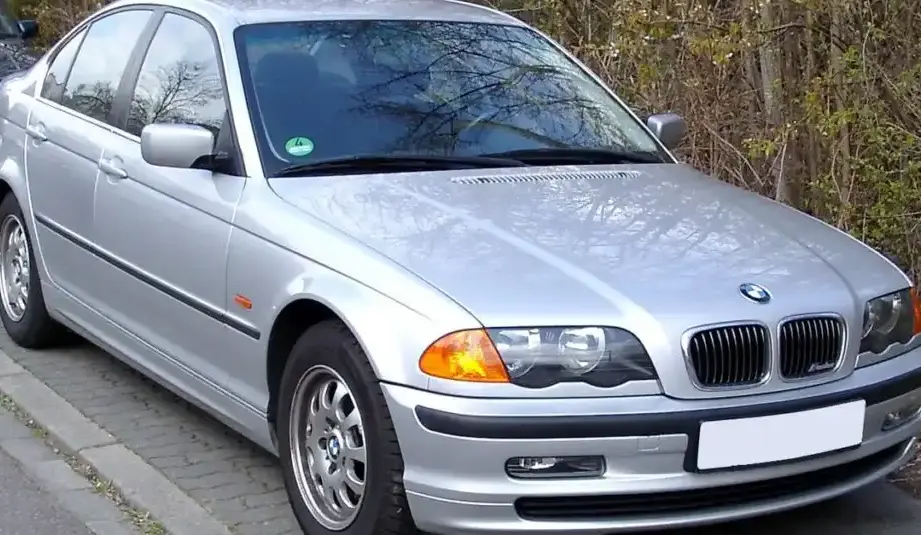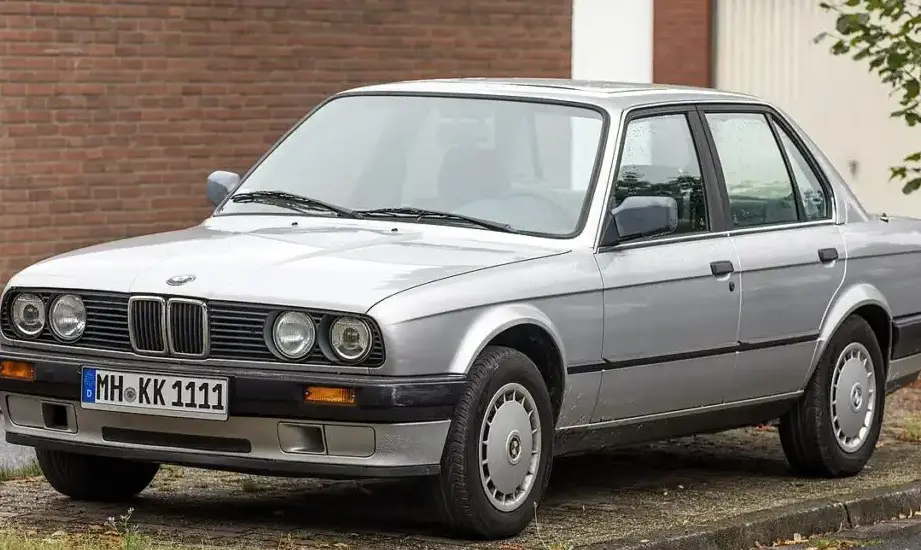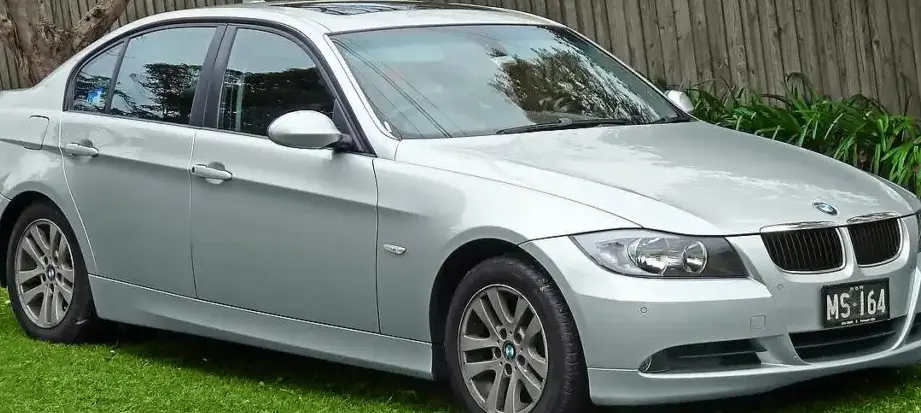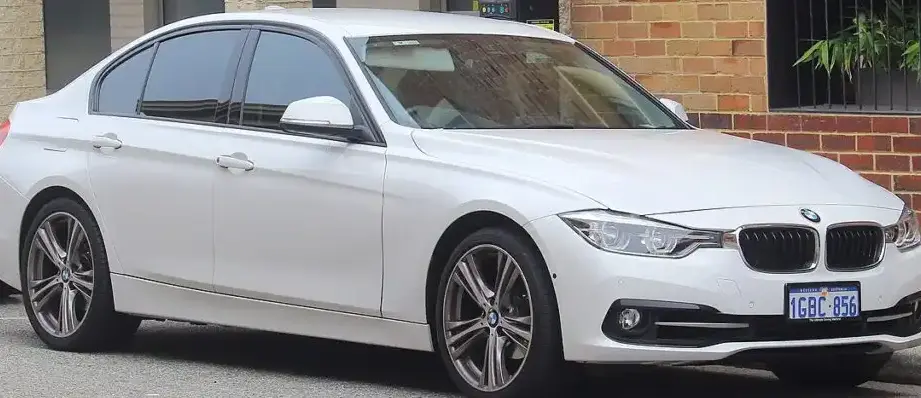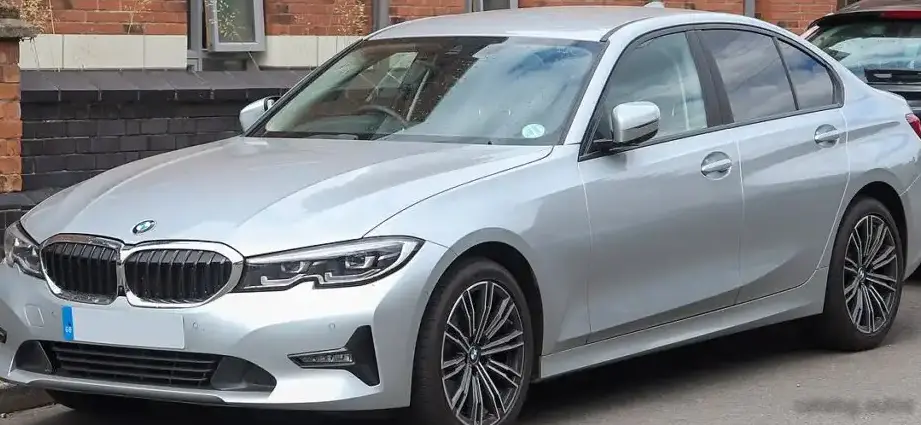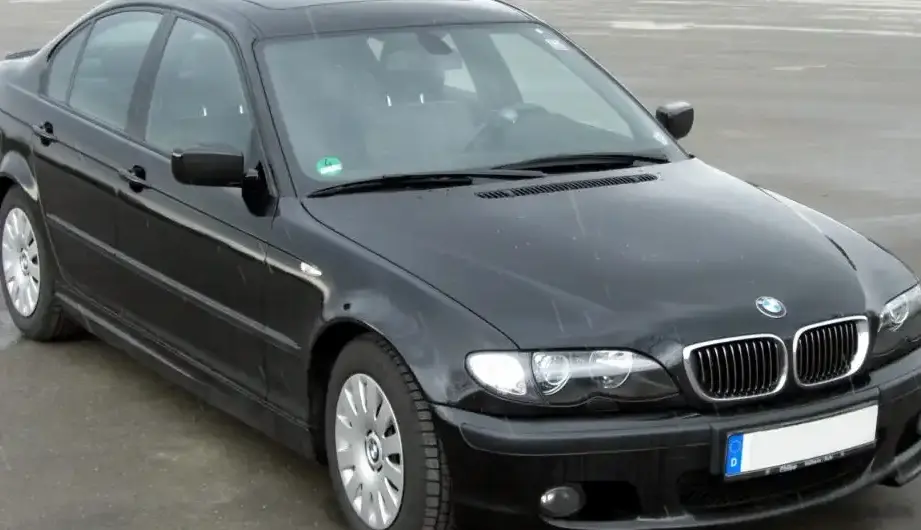
The BMW 3 Series Sedan (E46) facelift 316i, produced from 2001 to 2005, represented the entry point into the E46 generation for many buyers. Positioned as a more accessible option within the lineup, it offered the renowned BMW driving experience with a focus on fuel efficiency and affordability. This variant played a significant role in maintaining the 3 Series’ popularity, particularly in European markets where smaller displacement engines were favored due to taxation and fuel costs. The 316i, powered by the N42B18 engine and typically paired with a 5-speed automatic transmission, aimed to deliver a balance between performance and economy for everyday driving.
Technical Specifications
| Brand | BMW |
| Model | 3 Series |
| Generation | 3 Series Sedan (E46, facelift 2001) |
| Type (Engine) | 316i (116 Hp) |
| Start of production | 2001 |
| End of production | 2005 |
| Powertrain Architecture | Internal Combustion engine |
| Body type | Sedan |
| Seats | 5 |
| Doors | 4 |
| Fuel consumption (urban) | 9.9 l/100 km (23.8 US mpg) |
| Fuel consumption (extra urban) | 5.5 l/100 km (42.8 US mpg) |
| Fuel consumption (combined) | 7.1 l/100 km (33.1 US mpg) |
| Fuel Type | Petrol (Gasoline) |
| Acceleration 0 – 100 km/h | 10.9 sec |
| Acceleration 0 – 62 mph | 10.9 sec |
| Acceleration 0 – 60 mph | 10.4 sec |
| Maximum speed | 206 km/h (128 mph) |
| Weight-to-power ratio | 11.4 kg/Hp |
| Weight-to-torque ratio | 7.5 kg/Nm |
| Power | 116 Hp @ 5500 rpm |
| Torque | 175 Nm @ 3750 rpm (129.07 lb.-ft. @ 3750 rpm) |
| Engine layout | Front, Longitudinal |
| Engine Model/Code | N42B18 |
| Engine displacement | 1796 cm3 (109.6 cu. in.) |
| Number of cylinders | 4 |
| Engine configuration | Inline |
| Cylinder Bore | 84 mm (3.31 in.) |
| Piston Stroke | 81 mm (3.19 in.) |
| Compression ratio | 10.5:1 |
| Number of valves per cylinder | 4 |
| Fuel injection system | Multi-port manifold injection |
| Engine aspiration | Naturally aspirated |
| Valvetrain | DOHC |
| Engine oil capacity | 4.25 l (4.49 US qt | 3.74 UK qt) |
| Coolant | 7.5 l (7.93 US qt | 6.6 UK qt) |
| Kerb Weight | 1320 kg (2910.1 lbs.) |
| Max. weight | 1820 kg (4012.41 lbs.) |
| Max load | 500 kg (1102.31 lbs.) |
| Trunk (boot) space – minimum | 410 l (14.48 cu. ft.) |
| Fuel tank capacity | 63 l (16.64 US gal | 13.86 UK gal) |
| Length | 4470 mm (175.98 in.) |
| Width | 1740 mm (68.5 in.) |
| Height | 1420 mm (55.91 in.) |
| Wheelbase | 2725 mm (107.28 in.) |
| Front track | 1480 mm (58.27 in.) |
| Rear (Back) track | 1495 mm (58.86 in.) |
| Drivetrain Architecture | Rear wheel drive |
| Drive wheel | Rear wheel drive |
| Number of gears and type of gearbox | 5 gears, automatic transmission |
| Front suspension | Spring Strut |
| Rear suspension | Coil spring |
| Front brakes | Ventilated discs |
| Rear brakes | Disc |
| Assisting systems | ABS (Anti-lock braking system) |
| Steering type | Steering rack and pinion |
| Power steering | Hydraulic Steering |
| Tires size | 195/65 R15 |
| Wheel rims size | 6.5J x 15 |
INTRODUCTION
The E46 316i, introduced with the 2001 facelift, was a key component of BMW’s strategy to offer a wider range of options within the popular 3 Series lineup. The facelift, known internally as “E46LCI” (Life Cycle Impulse), brought subtle but important cosmetic changes, including revised headlights and taillights, along with improvements to interior trim and equipment. The 316i, utilizing the N42B18 engine, was designed to appeal to buyers seeking a premium sedan with lower running costs and a comfortable driving experience. It occupied the entry-level position, below the 318i, 320i, 325i, and performance-oriented M3 models.
Powertrain & Engine Architecture
At the heart of the 316i lay the N42B18, a 1.8-liter inline-four cylinder engine. This engine represented a significant departure from the older M43 series, featuring a more modern design with double overhead camshafts (DOHC) and four valves per cylinder. The N42 utilized a multi-port fuel injection system, delivering fuel directly into the intake ports. The engine’s 116 horsepower and 175 Nm (129 lb-ft) of torque were respectable for its displacement, but the focus was on efficiency rather than outright performance. The automatic transmission typically paired with this engine was a 5-speed unit, known for its smooth operation but not particularly sporty shift characteristics. The transmission’s gear ratios were optimized for fuel economy and comfortable cruising, prioritizing drivability over rapid acceleration.
Driving Characteristics
The 316i automatic offered a comfortable and refined driving experience, but it wasn’t designed to be a performance leader. Acceleration from 0-60 mph took around 10.4 seconds, and top speed was limited to 128 mph. Compared to the manual transmission version, the automatic slightly diminished acceleration due to inherent transmission losses. Against higher-output variants like the 320i or 325i, the 316i felt noticeably slower, particularly when overtaking or climbing hills. However, the automatic transmission provided a smooth and effortless driving experience in urban environments and on long highway journeys. The steering, typical of BMW, was precise and well-weighted, providing good feedback to the driver.
Equipment & Trim Levels
The 316i typically came standard with a reasonable level of equipment, including power windows, central locking, air conditioning, and an AM/FM radio. Interior upholstery was usually cloth, although leather options were available. The dashboard layout was consistent across the E46 range, with a focus on ergonomics and functionality. Optional extras included a sunroof, upgraded audio system, heated seats, and automatic climate control. Higher trim levels offered more luxurious interior appointments and additional features, such as alloy wheels and fog lights.
Chassis & Braking
The E46 316i utilized a MacPherson strut front suspension and a multi-link rear suspension, providing a good balance between ride comfort and handling. The suspension was tuned to prioritize comfort, resulting in a relatively soft ride. Braking duties were handled by ventilated discs at the front and solid discs at the rear. Anti-lock braking system (ABS) was standard, enhancing safety and stability during emergency braking. The 316i’s relatively lower weight compared to higher-spec models contributed to its balanced handling characteristics.
Market Reception & Comparison
The 316i was generally well-received by critics as a sensible and affordable entry point into the BMW 3 Series range. It was praised for its fuel efficiency, comfortable ride, and build quality. However, some reviewers criticized its lack of outright performance compared to its more powerful siblings. Compared to the 318i, the 316i offered a lower purchase price but sacrificed some horsepower and torque. The 318i, with its slightly larger engine, provided a more engaging driving experience. In terms of reliability, the N42 engine was generally considered to be reasonably dependable, although it was known to be susceptible to certain issues, such as oil leaks and cooling system problems.
Legacy
Today, the E46 316i automatic represents an affordable and accessible entry point into BMW ownership. While not a performance icon, it remains a popular choice for those seeking a reliable and comfortable sedan. The N42 engine, while not without its quirks, is generally considered to be relatively easy to maintain. The availability of spare parts is good, and a thriving aftermarket supports the E46 platform. The 316i’s enduring appeal lies in its blend of practicality, comfort, and the inherent qualities of the BMW brand. Well-maintained examples continue to command reasonable prices in the used car market, making it a viable option for budget-conscious buyers.