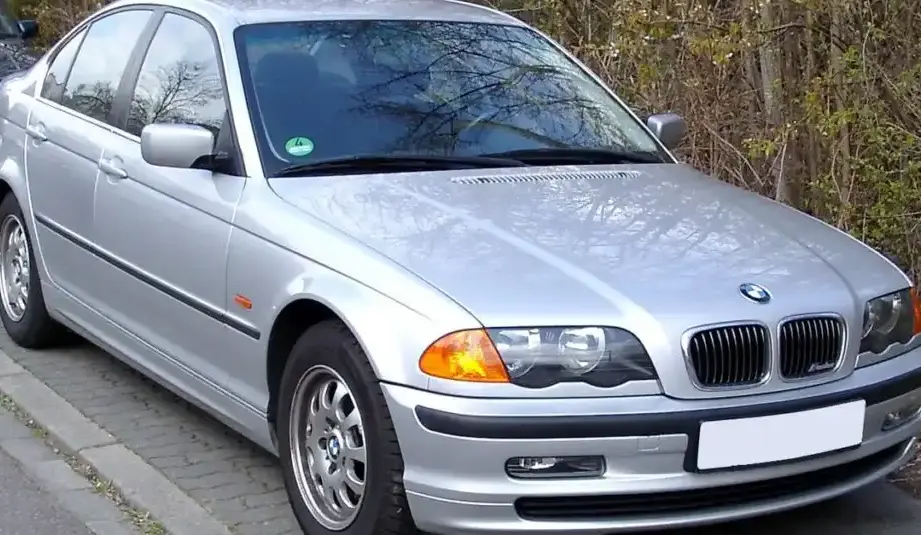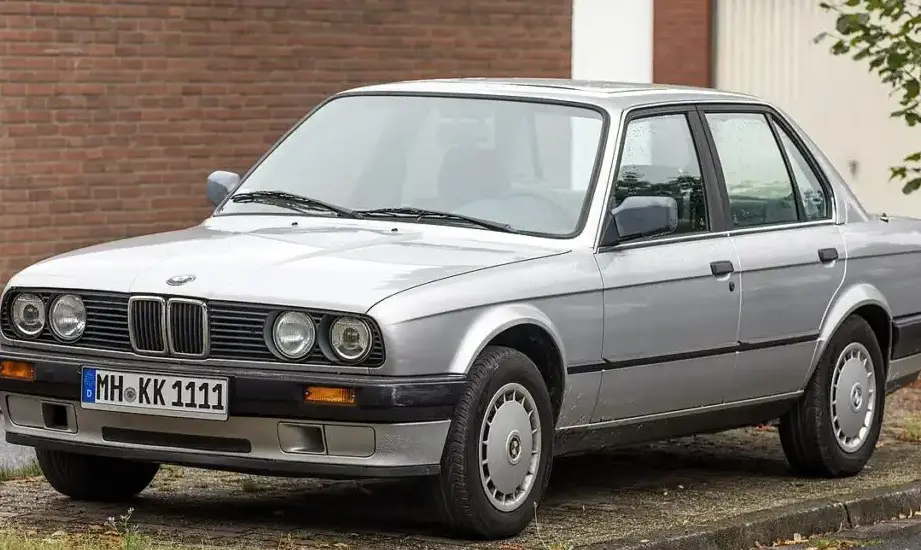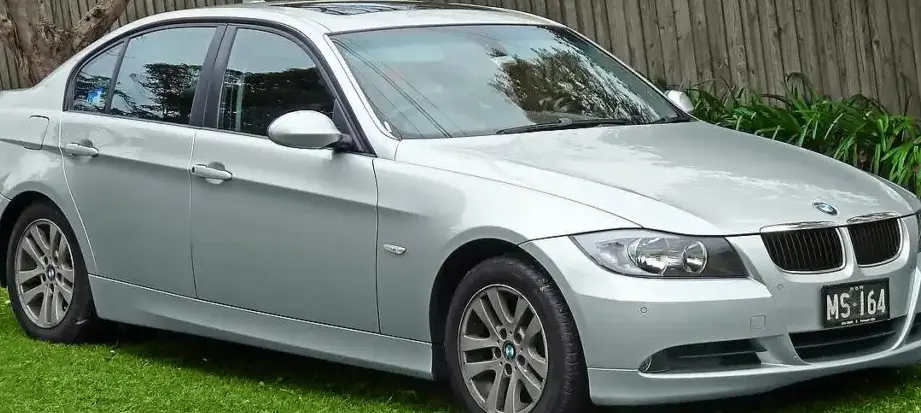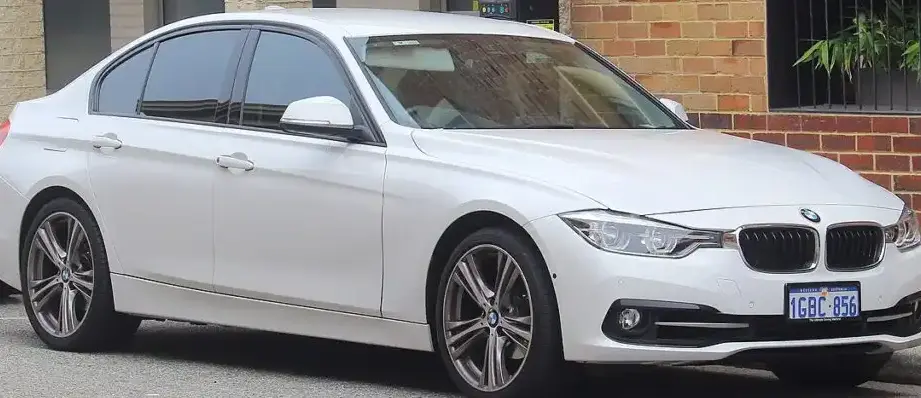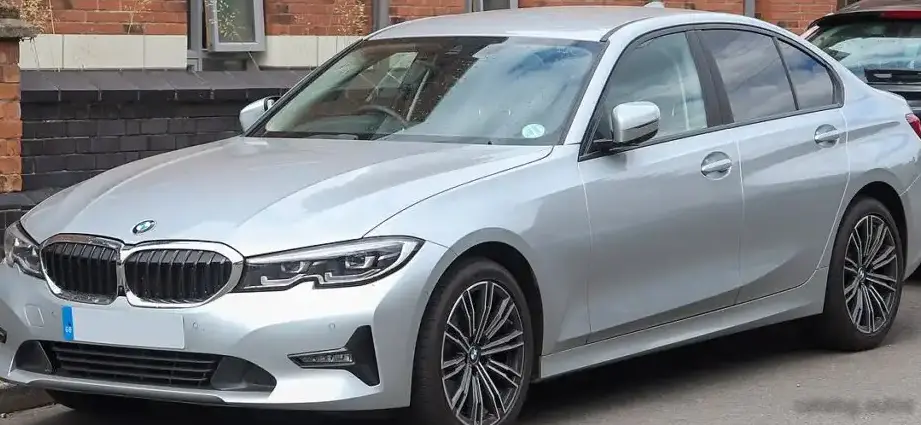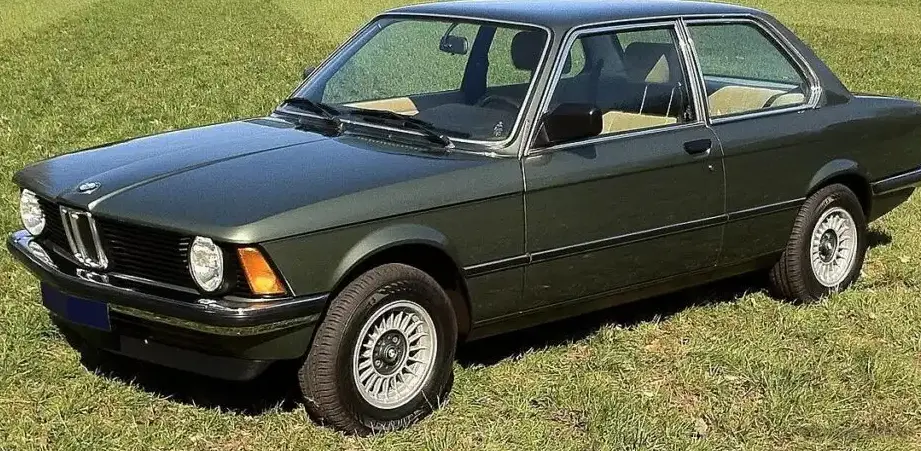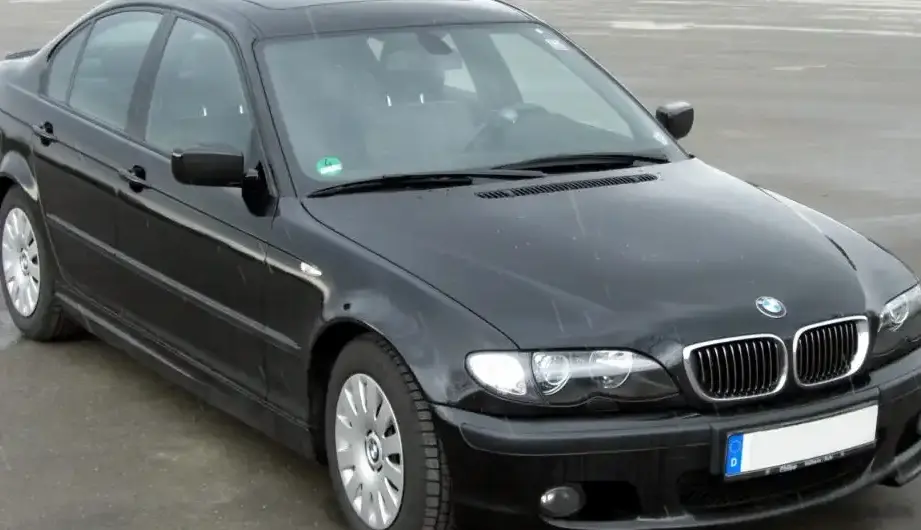
The BMW 320d Steptronic, produced from 2001 to 2005 as part of the E46 facelift generation, represented a significant entry point into the premium compact executive car segment for BMW. This variant, powered by a 2.0-liter turbocharged diesel engine producing 150 horsepower, was specifically tailored for drivers prioritizing fuel efficiency and comfortable, effortless cruising. It occupied a middle ground in the E46 3 Series lineup, positioned below the more powerful 330d and petrol-powered models, and above the base 318d. The “Steptronic” designation refers to BMW’s automatic transmission, offering a convenient alternative to the standard manual gearbox.
Technical Specifications
| Brand | BMW |
| Model | 3 Series |
| Generation | 3 Series Sedan (E46, facelift 2001) |
| Type (Engine) | 320d (150 Hp) Steptronic |
| Start of production | 2001 |
| End of production | 2005 |
| Powertrain Architecture | Internal Combustion engine |
| Body type | Sedan |
| Seats | 5 |
| Doors | 4 |
| Fuel consumption (urban) | 9.7 l/100 km (24.2 US mpg) |
| Fuel consumption (extra urban) | 5.4 l/100 km (43.6 US mpg) |
| Fuel consumption (combined) | 6.9 l/100 km (34.1 US mpg) |
| Fuel Type | Diesel |
| Acceleration 0 – 100 km/h | 9.1 sec |
| Acceleration 0 – 62 mph | 9.1 sec |
| Acceleration 0 – 60 mph | 8.6 sec |
| Maximum speed | 213 km/h (132.35 mph) |
| Weight-to-power ratio | 9.4 kg/Hp |
| Weight-to-torque ratio | 4.3 kg/Nm |
| Power | 150 Hp @ 4000 rpm |
| Torque | 330 Nm @ 2000 rpm (243.4 lb.-ft. @ 2000 rpm) |
| Engine layout | Front, Longitudinal |
| Engine Model/Code | M47D20 |
| Engine displacement | 1995 cm3 (121.74 cu. in.) |
| Number of cylinders | 4 |
| Engine configuration | Inline |
| Cylinder Bore | 84 mm (3.31 in.) |
| Piston Stroke | 90 mm (3.54 in.) |
| Compression ratio | 17:1 |
| Number of valves per cylinder | 4 |
| Fuel injection system | Diesel Commonrail |
| Engine aspiration | Turbocharger, Intercooler |
| Valvetrain | OHC |
| Engine oil capacity | 5.5 l (5.81 US qt | 4.84 UK qt) |
| Coolant | 9.3 l (9.83 US qt | 8.18 UK qt) |
| Kerb Weight | 1415 kg (3119.54 lbs.) |
| Max. weight | 1915 kg (4221.85 lbs.) |
| Max load | 500 kg (1102.31 lbs.) |
| Trunk (boot) space – minimum | 440 l (15.54 cu. ft.) |
| Fuel tank capacity | 63 l (16.64 US gal | 13.86 UK gal) |
| Length | 4471 mm (176.02 in.) |
| Width | 1739 mm (68.46 in.) |
| Height | 1415 mm (55.71 in.) |
| Wheelbase | 2725 mm (107.28 in.) |
| Front track | 1481 mm (58.31 in.) |
| Rear (Back) track | 1488 mm (58.58 in.) |
| Drivetrain Architecture | Rear wheel drive |
| Drive wheel | Rear wheel drive |
| Number of gears and type of gearbox | 5 gears, automatic transmission |
| Front suspension | Spring Strut |
| Rear suspension | Coil spring |
| Front brakes | Ventilated discs |
| Rear brakes | Disc |
| Assisting systems | ABS (Anti-lock braking system) |
| Steering type | Steering rack and pinion |
| Power steering | Hydraulic Steering |
| Tires size | 205/55 R16 |
| Wheel rims size | 16 |
Powertrain & Engine Architecture
The heart of the 320d Steptronic is the M47D20, a 2.0-liter inline-four cylinder diesel engine. This engine utilized common rail direct injection, a technology that allowed for precise fuel delivery and improved combustion efficiency. The M47D20 featured a single overhead camshaft (OHC) design and was equipped with a turbocharger and intercooler to boost power output. The turbocharger, a variable geometry turbo (VGT), minimized turbo lag and provided a broader torque curve. The engine’s 17:1 compression ratio was typical for diesel engines of the era, contributing to its thermal efficiency. The five-speed automatic transmission, known as the Steptronic, was a conventional torque converter automatic, offering smooth shifts and a comfortable driving experience. It wasn’t known for its sportiness, prioritizing refinement over rapid gear changes.
Driving Characteristics
The 320d Steptronic offered a relaxed and refined driving experience. While not as quick as the 330d or petrol-powered variants, the 150 horsepower and 330 Nm (243 lb-ft) of torque provided adequate performance for everyday driving. Acceleration from 0-60 mph took around 8.6 seconds, and the car had a top speed of 132 mph. The automatic transmission, while smooth, did slightly diminish the engine’s responsiveness compared to the manual gearbox. The gear ratios were tuned for fuel economy, meaning the engine didn’t always feel as eager to rev. However, the strong low-end torque made it well-suited for overtaking and cruising on the highway.
Equipment & Trim Levels
The 320d Steptronic typically came standard with features such as air conditioning, power windows, power mirrors, and a basic audio system. Higher trim levels, often denoted by “SE” or “Sport” packages, added features like alloy wheels, sport seats, a multi-function steering wheel, and upgraded audio systems. Optional extras included leather upholstery, sunroof, navigation system, and parking sensors. Interior upholstery was typically cloth, with leather being an optional upgrade. The dashboard layout was consistent with other E46 models, featuring a functional and ergonomically designed interior.
Chassis & Braking
The E46 320d Steptronic utilized a MacPherson strut front suspension and a multi-link rear suspension, providing a good balance between comfort and handling. The chassis was relatively lightweight, contributing to the car’s agility. The braking system consisted of ventilated discs at the front and solid discs at the rear. Anti-lock Braking System (ABS) was standard. The suspension tuning was generally comfort-oriented, although the Sport package offered a firmer ride and improved handling.
Market Reception & Comparison
The 320d Steptronic was well-received in Europe, where diesel engines were (and still are) very popular due to their fuel efficiency and lower running costs. Critics praised its fuel economy, comfortable ride, and refined interior. Compared to the 318d, the 320d offered a noticeable performance boost. Compared to the 330d, it was less powerful but more affordable and fuel-efficient. The automatic transmission was seen as a convenient option for drivers who preferred not to shift gears manually, but it wasn’t as engaging as the manual gearbox.
Legacy
The M47D20 engine, while generally reliable, is known to have some potential issues, including injector failures and turbocharger wear. However, with proper maintenance, these engines can last for many miles. The 320d Steptronic remains a popular choice in the used car market, particularly for those seeking a fuel-efficient and comfortable compact executive car. Its relatively simple mechanical design makes it easier and less expensive to maintain compared to more modern vehicles. Today, well-maintained examples are sought after by enthusiasts and those looking for a classic BMW driving experience.