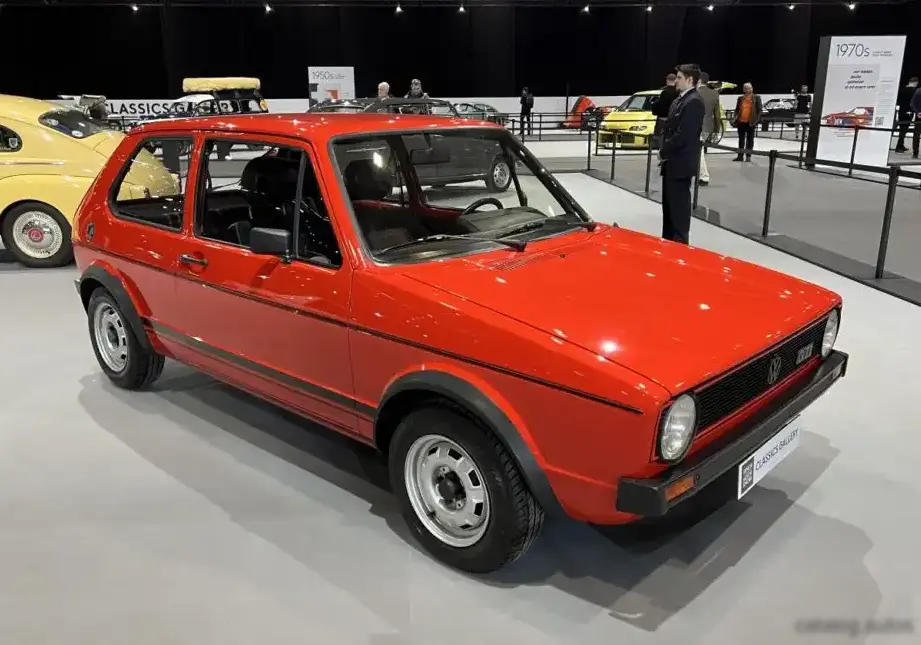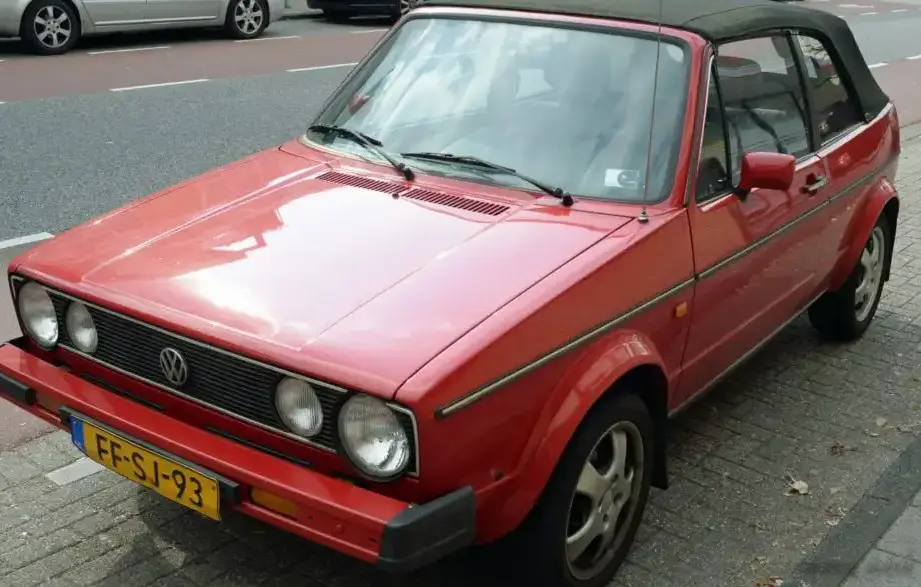
The Volkswagen Golf I Cabrio 1.6, producing 75 horsepower, was a mainstay of the first-generation Golf Cabriolet lineup from 1983 to 1992. Positioned as the entry-level offering, it provided an accessible and affordable open-top motoring experience within the broader Golf family. Built on the Golf Mk1 platform (internally designated as the 19X), the Cabriolet extended the lifecycle of the original Golf design, offering a stylish alternative to the coupe and hatchback models. This variant played a significant role in establishing the Golf Cabriolet as a popular choice in Europe and, to a lesser extent, North America, appealing to buyers seeking a practical yet fun-to-drive convertible.
Technical Specifications
| Brand | Volkswagen |
| Model | Golf |
| Generation | Golf I Cabrio |
| Engine Type | 1.6 (75 Hp) |
| Start of production | 1983 |
| End of production | 1992 |
| Powertrain Architecture | Internal Combustion engine |
| Body type | Cabriolet |
| Fuel Type | Petrol (Gasoline) |
| Power | 75 Hp |
| Engine Model/Code | RE |
| Fuel injection system | Carburettor |
| Engine aspiration | Naturally aspirated engine |
| Engine oil capacity | 4 l (4.23 US qt | 3.52 UK qt) |
| Coolant capacity | 6.3 l (6.66 US qt | 5.54 UK qt) |
| Drivetrain Architecture | Front wheel drive |
| Number of gears | 4 |
| Type of gearbox | Manual transmission |
| Front brakes | Disc |
| Rear brakes | Drum |
| Tires size | 185/60 R14 |
| Wheel rims size | 14 |
Powertrain & Engine Architecture
The Golf I Cabrio 1.6 utilized the Volkswagen RE engine, a 1.6-liter inline-four cylinder engine. This engine was a relatively simple design, reflecting the technology of the early 1980s. Crucially, this variant employed a single carburetor – typically a Pierburg 2E2 – for fuel delivery, distinguishing it from later fuel-injected Golf models. The engine featured a single overhead camshaft (SOHC) valvetrain with eight valves. The RE engine produced 75 horsepower at 5,800 rpm and 98 lb-ft of torque at 3,200 rpm. The four-speed manual transmission was the standard offering, providing a direct connection between the engine and the front wheels. The transmission’s gear ratios were geared towards fuel economy and everyday usability rather than outright performance. The engine block was constructed from cast iron, while the cylinder head was made of aluminum alloy. The carburetor, while simple, required periodic adjustment to maintain optimal performance and fuel efficiency. The engine’s relatively low compression ratio contributed to its ability to run on lower octane fuel, a benefit in many markets.
Driving Characteristics
The 1.6-liter engine in the Golf I Cabrio, paired with the four-speed manual transmission, delivered a driving experience focused on practicality and affordability. Acceleration was modest, with a 0-60 mph time estimated around 13-14 seconds. The carburetor-fed engine exhibited a noticeable powerband, requiring drivers to utilize the gears effectively to maintain momentum, especially when climbing hills or overtaking. Compared to the later 1.8-liter versions or the GTI models, the 1.6 felt noticeably less powerful. However, the lighter weight of the engine contributed to a balanced feel, and the front-wheel-drive configuration provided predictable handling. The four-speed gearbox, while simple, offered a reasonably direct feel, but lacked the refinement of more modern transmissions. The Cabriolet’s soft top did introduce some chassis flex, but the overall driving experience was enjoyable for leisurely cruising. Steering was relatively direct, providing adequate feedback for confident handling. The suspension, while not sporty, absorbed bumps reasonably well, providing a comfortable ride for everyday use.
Equipment & Trim Levels
The Golf I Cabrio 1.6 was typically the base trim level, offering a relatively sparse but functional equipment list. Standard features generally included cloth upholstery, basic instrumentation (speedometer, fuel gauge, temperature gauge), and a steering wheel. Power steering and central locking were typically optional extras. The interior trim was generally utilitarian, with hard plastic surfaces dominating the dashboard and door panels. Optional extras included upgraded stereo systems, tinted glass, and different wheel covers. The convertible top was manually operated, requiring physical effort to raise and lower. Interior color options were limited, typically offering a choice of basic cloth patterns in shades of blue, grey, or beige. The simplicity of the trim level contributed to the vehicle’s affordability, making it accessible to a wider range of buyers. Some markets offered a “Comfort” package that included features like upgraded seats and a better stereo.
Chassis & Braking
The Golf I Cabriolet utilized a MacPherson strut front suspension and a twist-beam rear suspension. The front suspension provided a comfortable ride, while the rear suspension was designed for simplicity and cost-effectiveness. The 1.6-liter models typically featured drum brakes on the rear wheels and disc brakes on the front, providing adequate stopping power for the vehicle’s weight and performance. Stabilizer bars were often omitted on the base 1.6 models, contributing to a slightly more pronounced body roll in corners. The steering was a recirculating ball system, offering a relatively heavy feel but providing good feedback. The 14-inch wheels were fitted with 185/60 R14 tires, providing a balance between ride comfort and handling. The relatively simple suspension setup prioritized affordability and ease of maintenance over outright performance. The drum brakes on the rear were a cost-saving measure, but provided sufficient stopping power for normal driving conditions.
Market Reception & Comparison
The Golf I Cabrio 1.6 was generally well-received as an affordable and stylish entry into the convertible market. Critics praised its practicality and ease of use, but noted its modest performance. Compared to the more powerful 1.8-liter and GTI models, the 1.6 offered lower running costs and simpler maintenance. However, it lacked the excitement and performance of its more potent siblings. Fuel economy was a strong point, averaging around 30-35 mpg in mixed driving conditions. Reliability was generally good, although the carburetor required periodic adjustment and maintenance. The 1.6 was often favored by buyers who prioritized affordability and fuel efficiency over outright performance. It was seen as a sensible choice for those wanting the open-air experience without the expense of a higher-performance model. The 1.8-liter offered a noticeable performance boost, while the GTI provided significantly more power and a sportier driving experience, but at a higher price point.
Legacy
The Volkswagen Golf I Cabrio 1.6 remains a popular choice among classic car enthusiasts today. Its simple mechanical design and relatively low maintenance costs make it an appealing option for those seeking a classic convertible experience. While not as sought-after as the GTI models, the 1.6 offers a more accessible entry point into Golf Cabriolet ownership. The carburetor-equipped engine requires more frequent attention than later fuel-injected versions, but parts availability remains reasonably good. Well-maintained examples are increasingly collectible, and the Golf I Cabrio 1.6 continues to represent a significant piece of automotive history, embodying the spirit of affordable and accessible open-top motoring. The enduring appeal of the Golf I Cabrio, even in its base 1.6 form, speaks to the quality of the original design and its ability to provide a fun and engaging driving experience. It remains a popular choice for restoration projects and weekend drives.