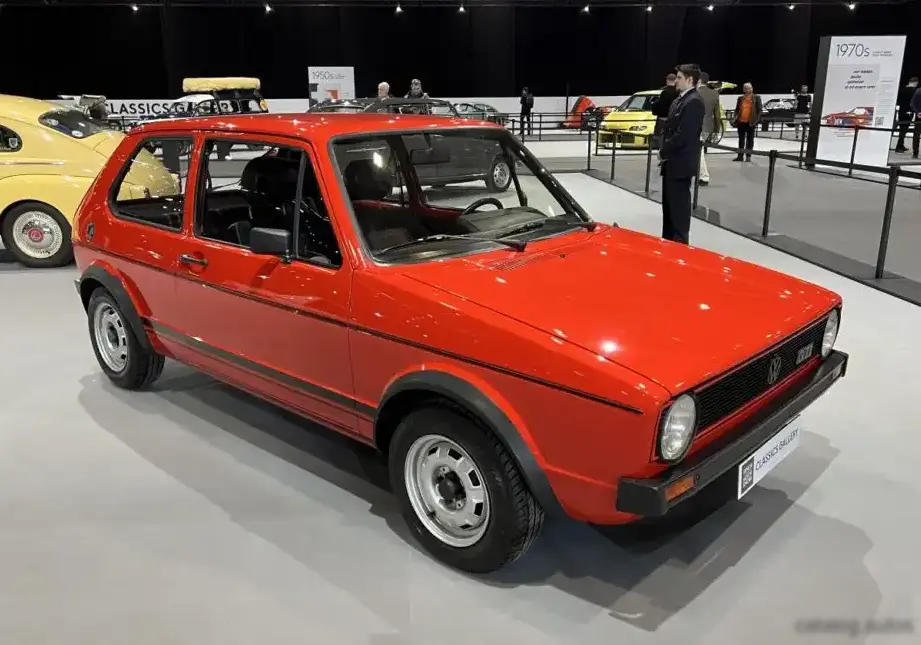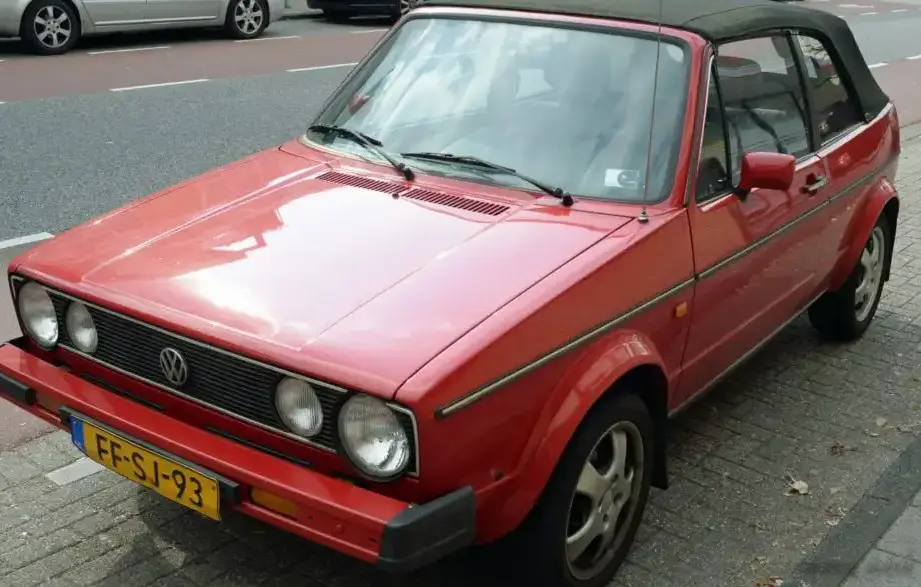
The Volkswagen Golf I Cabrio 1.8, producing 95 horsepower, represents a significant iteration within the first generation Golf Cabriolet lineup, manufactured between 1983 and 1993. Positioned as a popular, accessible entry point into open-top motoring, this variant offered a balance between affordability, reasonable performance, and the Golf’s inherent practicality. It was a key component of Volkswagen’s strategy to broaden the appeal of the Golf platform, capitalizing on the enduring popularity of convertibles, particularly in the North American market. The Golf I Cabrio, based on the A1 platform, was a direct response to the success of the original Golf hatchback, offering a more emotive and lifestyle-oriented alternative.
Technical Specifications
| Brand | Volkswagen |
| Model | Golf |
| Generation | Golf I Cabrio |
| Type (Engine) | 1.8 (95 Hp) |
| Start of production | 1983 |
| End of production | 1993 |
| Powertrain Architecture | Internal Combustion engine |
| Body type | Cabriolet |
| Fuel Type | Petrol (Gasoline) |
| Power | 95 Hp |
| Engine Model/Code | JH |
| Engine aspiration | Naturally aspirated engine |
| Engine oil capacity | 4 l (4.23 US qt | 3.52 UK qt) |
| Coolant capacity | 6.3 l (6.66 US qt | 5.54 UK qt) |
Powertrain & Engine Architecture
The Golf I Cabrio 1.8 utilized the Volkswagen JH engine code, a 1.8-liter inline-four cylinder gasoline engine. This engine was a single overhead camshaft (SOHC) design, featuring two valves per cylinder. Fuel delivery was managed by Bosch mechanical fuel injection – a system common for the era, offering a balance between cost and efficiency. While not as sophisticated as later multi-point injection systems, it provided reliable fuel atomization and control. The JH engine was known for its relative simplicity and durability, contributing to the Golf Cabrio’s reputation for being a relatively easy car to maintain. The engine’s bore and stroke measured 82.8mm x 86.4mm, resulting in a displacement of 1781cc. Compression ratio was typically around 8.5:1. The 95 horsepower output was achieved at approximately 5,800 rpm, with peak torque of around 109 lb-ft (148 Nm) arriving at 3,200 rpm.
The transmission paired with this engine was a four-speed automatic gearbox. This automatic transmission, while providing ease of use, was not known for its particularly quick shifts or sporting character. It was geared towards comfortable cruising rather than spirited driving. The automatic transmission contributed to a slightly lower overall fuel economy compared to the manual transmission equipped models.
Driving Characteristics
The 1.8-liter, 95 hp engine with the four-speed automatic transmission delivered adequate, but not exhilarating, performance. Acceleration from 0 to 60 mph (0-97 km/h) took approximately 12-14 seconds, depending on vehicle weight and condition. The automatic transmission’s gear ratios were optimized for fuel efficiency and smooth operation, resulting in a noticeable delay before downshifting for overtaking maneuvers. Compared to the 1.6-liter base engine, the 1.8 offered a noticeable improvement in power, making it more suitable for highway driving and carrying passengers. However, it fell significantly short of the performance offered by the GTI models with their larger, fuel-injected engines. The Golf I Cabrio 1.8 Automatic was best suited for relaxed cruising and city driving, prioritizing comfort and ease of use over outright speed.
Equipment & Trim Levels
The Golf I Cabrio 1.8 typically came with a fairly basic level of standard equipment. Interior upholstery was usually cloth, available in a variety of patterns and colors. The dashboard featured a simple, functional layout with analog gauges for speed, fuel level, coolant temperature, and a clock. Power steering was often an optional extra, as was air conditioning. Later models saw the introduction of more features, such as upgraded audio systems and electric windows. The trim level generally sat in the mid-range of the Cabriolet lineup, offering more features than the base 1.6-liter model but lacking the sporty enhancements of the GTI. Common options included a sunroof (in addition to the convertible top), alloy wheels, and upgraded interior trim.
Chassis & Braking
The Golf I Cabrio utilized a MacPherson strut front suspension and a twist-beam rear suspension. The suspension setup was tuned for comfort, providing a relatively smooth ride, although it wasn’t particularly sporty. Braking was typically accomplished with disc brakes on the front wheels and drum brakes on the rear wheels. Later models sometimes featured disc brakes all around. Stabilizer bars were often included, helping to reduce body roll during cornering. The chassis was reinforced compared to the standard Golf hatchback to compensate for the loss of structural rigidity due to the removal of the roof. This reinforcement added weight, impacting overall performance.
Market Reception & Comparison
The Golf I Cabrio 1.8 Automatic was generally well-received as an affordable and practical convertible. Critics praised its build quality, reliability, and the inherent appeal of the Golf platform. However, the automatic transmission was often criticized for its sluggishness and lack of responsiveness. Compared to the manual transmission versions, the automatic models offered less engaging driving experience. Fuel economy was reasonable for the time, averaging around 25-30 mpg (9.4-7.8 L/100km) in mixed driving conditions. The 1.8-liter engine offered a good compromise between performance and fuel efficiency, making it a popular choice for buyers who didn’t require the extra power of the GTI models. The 1.6-liter base model was cheaper, but lacked the 1.8’s extra punch, while the GTI offered significantly more performance at a higher price point.
Legacy
The Golf I Cabrio 1.8 powertrain, while not particularly groundbreaking, proved to be remarkably durable. Many examples are still on the road today, a testament to the engine’s inherent reliability and the overall build quality of the Golf I Cabrio. The JH engine is relatively easy to maintain, and parts are still readily available. In the used car market, the Golf I Cabrio 1.8 Automatic is often seen as a good value proposition, offering classic open-top motoring at an affordable price. However, potential buyers should be aware of common issues such as rust (particularly in older examples) and wear and tear on the convertible top mechanism. The Golf I Cabrio, in all its variants, remains a beloved classic, representing a significant chapter in Volkswagen’s history and a popular choice for enthusiasts.