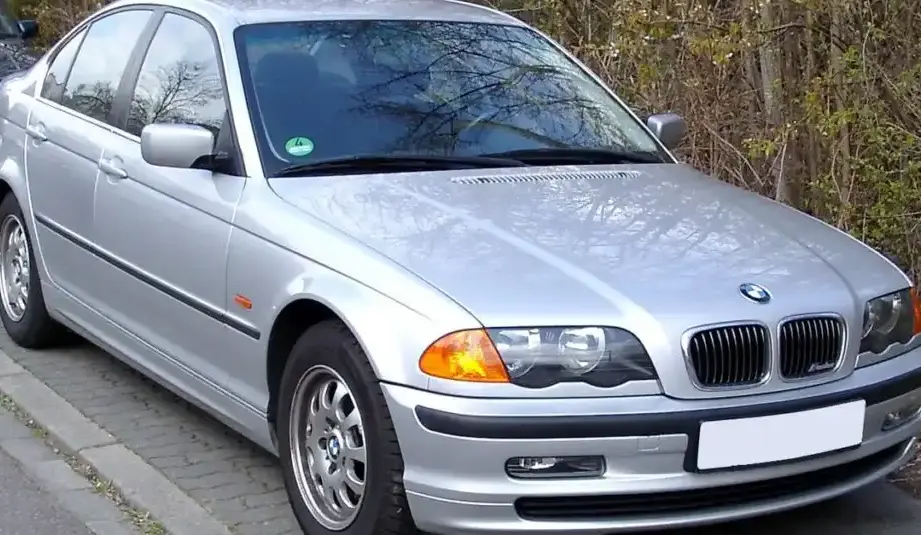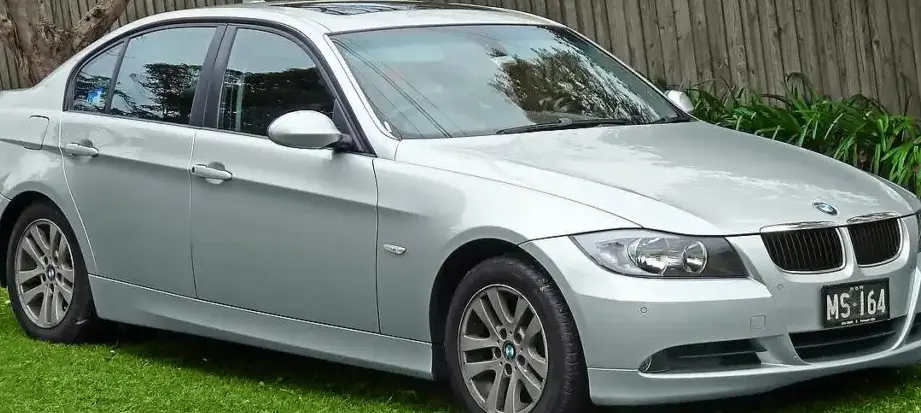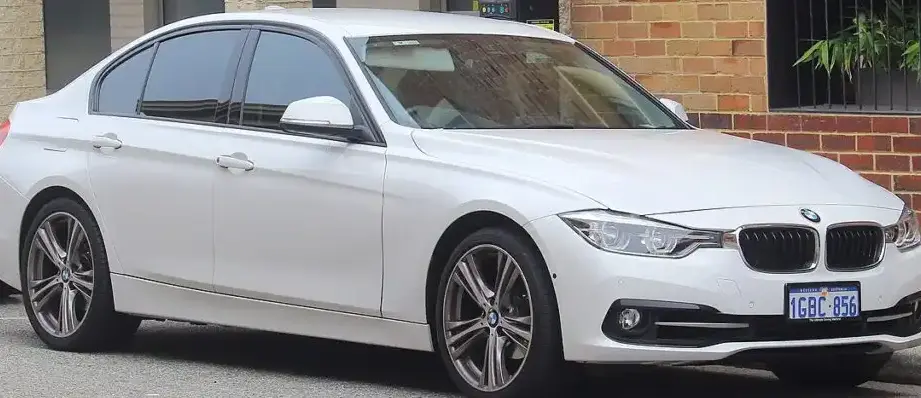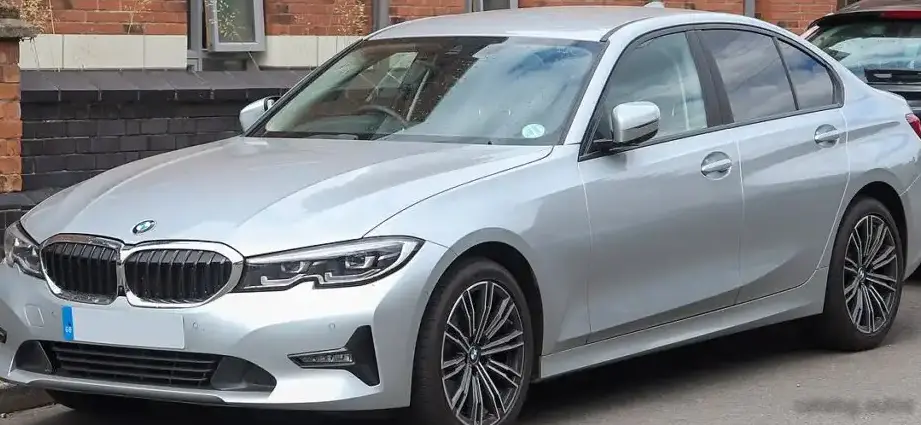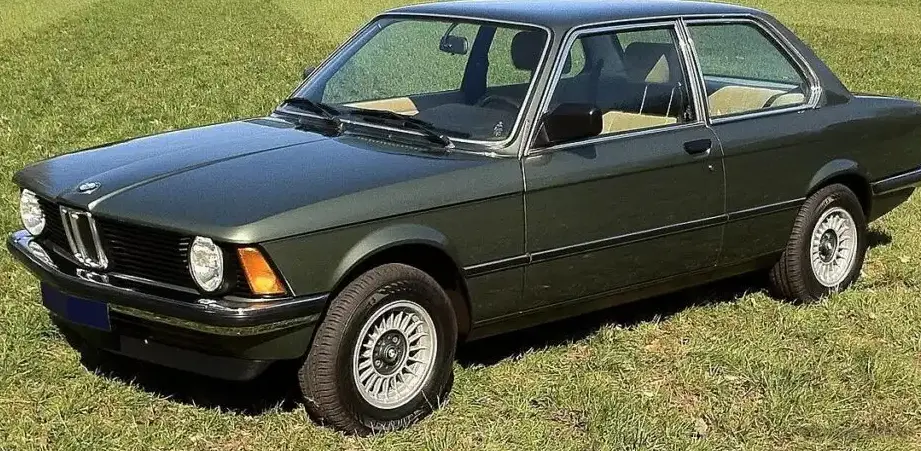
The BMW 330xd, produced between 2003 and 2005, represents a significant offering within the E46 3 Series facelift range. This variant combined the popular 3 Series sedan body style with BMW’s advanced xDrive all-wheel-drive system and a potent 3.0-liter inline-six diesel engine. Positioned as a premium offering, the 330xd catered to drivers seeking a blend of performance, efficiency, and all-weather capability. It was a key model in European markets where diesel engines and all-wheel drive were highly favored, though it saw limited sales in North America where the 3 Series was primarily offered with gasoline engines and rear-wheel drive.
Technical Specifications
| Brand | BMW |
| Model | 3 Series |
| Generation | 3 Series Sedan (E46, facelift 2001) |
| Type (Engine) | 330xd (204 Hp) |
| Start of production | 2003 |
| End of production | 2005 |
| Powertrain Architecture | Internal Combustion engine |
| Body type | Sedan |
| Seats | 5 |
| Doors | 4 |
| Fuel consumption (urban) | 10.1 l/100 km (23.3 US mpg, 28 UK mpg, 9.9 km/l) |
| Fuel consumption (extra urban) | 6.2 l/100 km (37.9 US mpg, 45.6 UK mpg, 16.1 km/l) |
| Fuel consumption (combined) | 7.6 l/100 km (30.9 US mpg, 37.2 UK mpg, 13.2 km/l) |
| Fuel Type | Diesel |
| Acceleration 0 – 100 km/h | 7.7 sec |
| Acceleration 0 – 62 mph | 7.7 sec |
| Acceleration 0 – 60 mph | 7.3 sec |
| Maximum speed | 234 km/h (145.4 mph) |
| Weight-to-power ratio | 8.1 kg/Hp, 123.3 Hp/tonne |
| Weight-to-torque ratio | 4 kg/Nm, 247.7 Nm/tonne |
| Power | 204 Hp @ 4000 rpm |
| Power per litre | 68.2 Hp/l |
| Torque | 410 Nm @ 1500 rpm (302.4 lb.-ft. @ 1500 rpm) |
| Engine layout | Front, Longitudinal |
| Engine Model/Code | M57D30 |
| Engine displacement | 2993 cm3 (182.64 cu. in.) |
| Number of cylinders | 6 |
| Engine configuration | Inline |
| Cylinder Bore | 84 mm (3.31 in.) |
| Piston Stroke | 90 mm (3.54 in.) |
| Compression ratio | 17:1 |
| Number of valves per cylinder | 4 |
| Fuel injection system | Diesel Commonrail |
| Engine aspiration | Turbocharger, Intercooler |
| Engine oil capacity | 7 l (7.4 US qt | 6.16 UK qt) |
| Coolant capacity | 10.2 l (10.78 US qt | 8.97 UK qt) |
| Kerb Weight | 1655 kg (3648.65 lbs.) |
| Max. weight | 2150 kg (4739.94 lbs.) |
| Max load | 495 kg (1091.29 lbs.) |
| Trunk (boot) space – minimum | 440 l (15.54 cu. ft.) |
| Fuel tank capacity | 63 l (16.64 US gal | 13.86 UK gal) |
| Length | 4471 mm (176.02 in.) |
| Width | 1739 mm (68.46 in.) |
| Height | 1434 mm (56.46 in.) |
| Wheelbase | 2725 mm (107.28 in.) |
| Front track | 1471 mm (57.91 in.) |
| Rear (Back) track | 1483 mm (58.39 in.) |
| Drive wheel | All wheel drive (4×4) |
| Number of gears and type of gearbox | 6 gears, manual transmission |
| Front suspension | Spring Strut |
| Rear suspension | Coil spring |
| Front brakes | Ventilated discs |
| Rear brakes | Disc |
| Assisting systems | ABS (Anti-lock braking system) |
| Steering type | Steering rack and pinion |
| Power steering | Hydraulic Steering |
| Tires size | 225/45 R17 |
| Wheel rims size | 8J x 17 |
Powertrain & Engine Architecture
The heart of the 330xd is the M57D30, a 3.0-liter inline-six diesel engine. This engine, a cornerstone of BMW’s diesel offerings in the early 2000s, is renowned for its durability and smooth power delivery. It utilizes a common rail direct injection system, delivering fuel at extremely high pressure for optimized combustion. A variable geometry turbocharger, coupled with an intercooler, provides a broad torque curve and minimizes turbo lag. The M57D30 features four valves per cylinder and a robust cast iron block, contributing to its longevity. The 330xd was exclusively offered with a six-speed manual transmission, providing precise gear changes and enhancing the driving experience. The transmission was designed to handle the substantial 302 lb-ft of torque produced by the engine.
Driving Characteristics
The 330xd offered a unique driving experience compared to its gasoline-powered siblings. The high torque output of the diesel engine, available from as low as 1500 rpm, provided strong acceleration in everyday driving situations. While not as outright quick as the 330i, the 330xd’s 7.7-second 0-60 mph time was respectable. The xDrive all-wheel-drive system enhanced traction, particularly in inclement weather, making it a confident performer on slippery surfaces. The six-speed manual transmission allowed for precise control, and the gear ratios were well-matched to the engine’s powerband. Compared to the 320d, the 330xd offered a significant performance upgrade, while remaining more fuel-efficient than the 330i.
Equipment & Trim Levels
The 330xd typically came well-equipped, reflecting its position as a premium model. Standard features included automatic climate control, power windows and mirrors, a multi-function steering wheel, and a high-quality audio system. Upholstery was typically cloth or leatherette, with full leather options available. Optional extras included a sunroof, navigation system, sport seats, and upgraded audio systems. The interior design followed the E46’s driver-focused layout, with clear instrumentation and intuitive controls.
Chassis & Braking
The E46 3 Series chassis was known for its balanced handling and responsive steering. The 330xd benefited from a slightly revised suspension setup to accommodate the added weight of the all-wheel-drive system. Front suspension utilized MacPherson struts, while the rear featured a multi-link setup. Braking duties were handled by ventilated discs at the front and solid discs at the rear, with ABS standard. The xDrive system distributed power between the front and rear axles as needed, optimizing traction and stability.
Market Reception & Comparison
The 330xd was generally well-received by automotive critics, who praised its strong performance, fuel efficiency, and all-weather capability. It was considered a compelling alternative to gasoline-powered rivals, particularly for drivers who frequently traveled long distances. Compared to the 320d, the 330xd offered a noticeable performance boost, justifying the higher price tag for many buyers. Fuel economy was a key selling point, with the 330xd achieving around 31 mpg on the combined cycle. Reliability was also generally good, although diesel engines can be more susceptible to issues with the fuel injection system and turbocharger over time.
Legacy
The BMW 330xd (E46) has developed a reputation as a durable and capable vehicle. Today, well-maintained examples are sought after by enthusiasts who appreciate their blend of performance, efficiency, and all-weather capability. The M57D30 engine is known for its longevity, and with proper maintenance, can reliably exceed 200,000 miles. However, potential buyers should be aware of potential issues with the fuel injection system, turbocharger, and cooling system. The 330xd remains a popular choice in the used car market, particularly in Europe, where diesel-powered vehicles continue to be widely used.