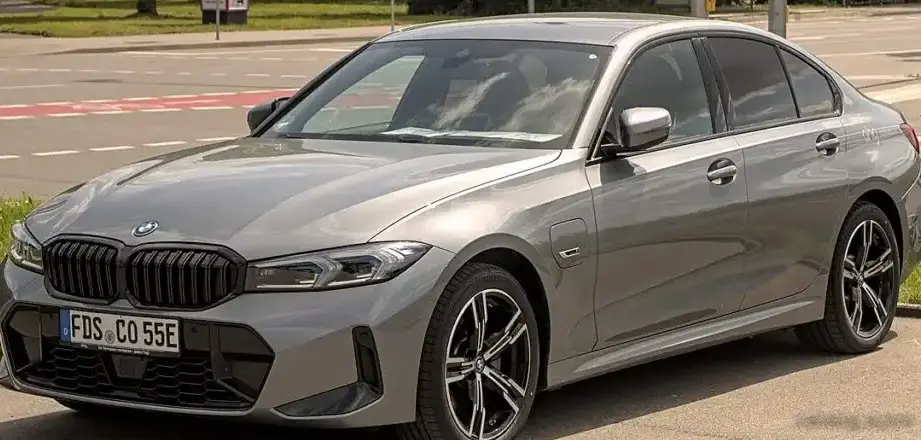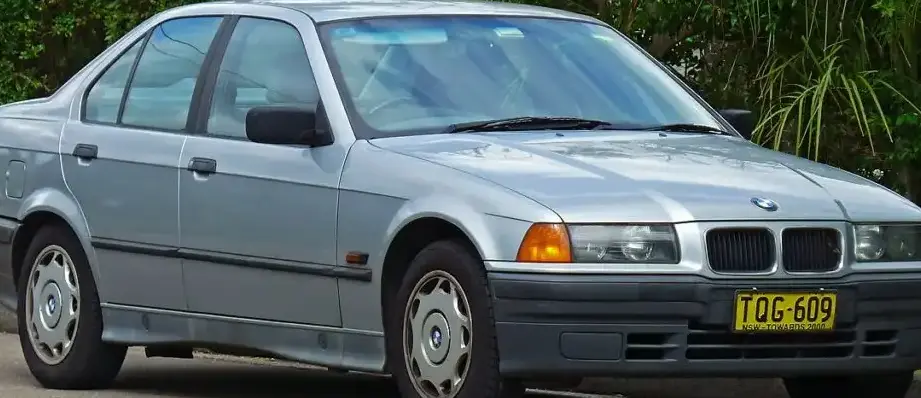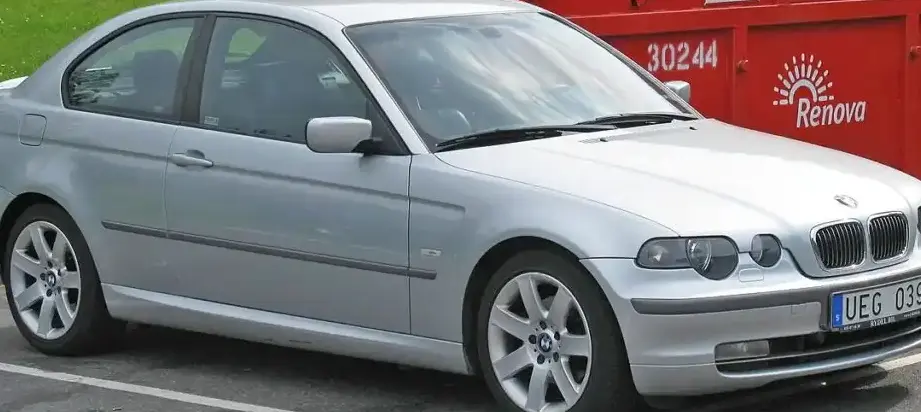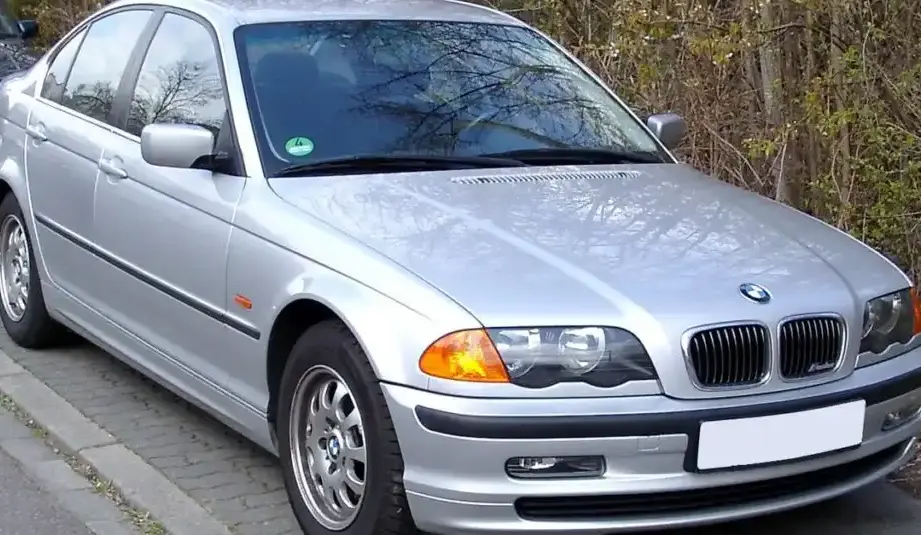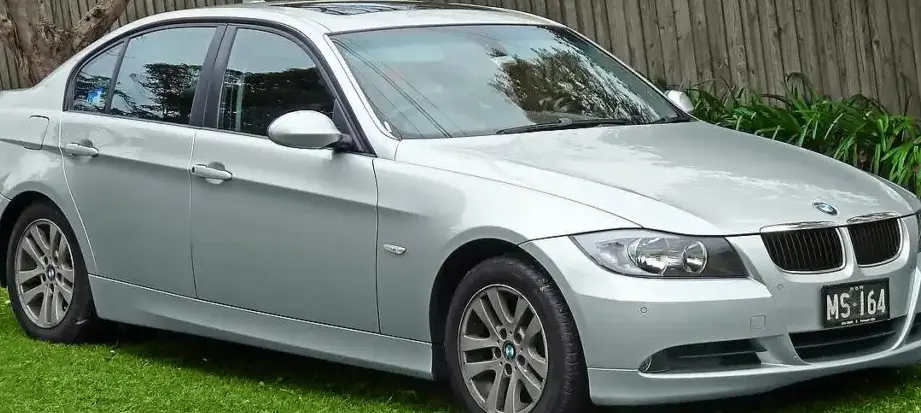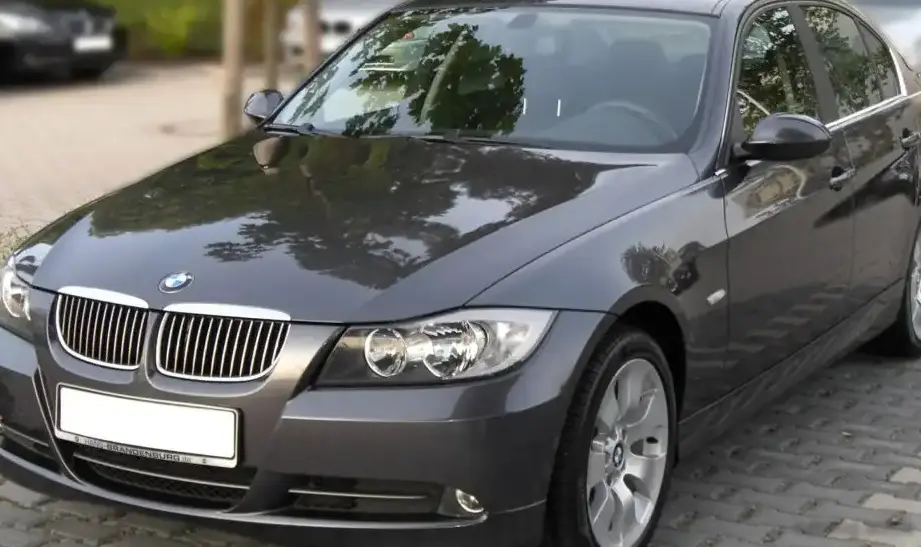
The BMW 3 Series Sedan (E90) 318d, produced from 2006 to 2007, represented BMW’s entry point into the sixth generation (E90) 3 Series lineup, particularly in European markets. Positioned as a fuel-efficient and relatively affordable option, the 318d aimed to attract buyers seeking the 3 Series badge with lower running costs. It utilized a 2.0-liter turbocharged diesel engine, offering a balance between performance and economy. This variant was crucial in broadening the 3 Series’ appeal, competing directly with other premium compact sedans offering diesel powertrains.
Technical Specifications
| Brand | BMW |
| Model | 3 Series |
| Generation | 3 Series Sedan (E90) |
| Type (Engine) | 318d (122 Hp) |
| Start of production | 2006 |
| End of production | 2007 |
| Powertrain Architecture | Internal Combustion engine |
| Body type | Sedan |
| Seats | 5 |
| Doors | 4 |
| Fuel consumption (urban) | 7.6 l/100 km (30.9 US mpg) |
| Fuel consumption (extra urban) | 4.4 l/100 km (53.5 US mpg) |
| Fuel consumption (combined) | 5.7 l/100 km (41.3 US mpg) |
| Fuel Type | Diesel |
| Acceleration 0 – 100 km/h | 10.6 sec |
| Acceleration 0 – 62 mph | 10.6 sec |
| Acceleration 0 – 60 mph | 10.1 sec |
| Maximum speed | 206 km/h (128 mph) |
| Weight-to-power ratio | 11.8 kg/Hp |
| Weight-to-torque ratio | 5.1 kg/Nm |
| Power | 122 Hp @ 4000 rpm |
| Torque | 280 Nm @ 1750 rpm (206.52 lb.-ft. @ 1750 rpm) |
| Engine layout | Front, Longitudinal |
| Engine Model/Code | M47D20TU2 |
| Engine displacement | 1995 cm3 (121.74 cu. in.) |
| Number of cylinders | 4 |
| Engine configuration | Inline |
| Cylinder Bore | 84 mm (3.31 in.) |
| Piston Stroke | 90 mm (3.54 in.) |
| Compression ratio | 17:1 |
| Number of valves per cylinder | 4 |
| Fuel injection system | Diesel Commonrail |
| Engine aspiration | Turbocharger, Intercooler |
| Engine oil capacity | 5.2 l (5.49 US qt | 4.58 UK qt) |
| Coolant capacity | 7.8 l (8.24 US qt | 6.86 UK qt) |
| Kerb Weight | 1435 kg (3163.63 lbs.) |
| Max. weight | 1950 kg (4299.01 lbs.) |
| Max load | 515 kg (1135.38 lbs.) |
| Trunk (boot) space – maximum | 460 l (16.24 cu. ft.) |
| Fuel tank capacity | 61 l (16.11 US gal | 13.42 UK gal) |
| Length | 4520 mm (177.95 in.) |
| Width | 1817 mm (71.54 in.) |
| Height | 1421 mm (55.94 in.) |
| Wheelbase | 2760 mm (108.66 in.) |
| Front track | 1500 mm (59.06 in.) |
| Rear track | 1513 mm (59.57 in.) |
| Drivetrain Architecture | Rear wheel drive |
| Number of gears | 6 gears, manual transmission |
| Front suspension | Independent, type McPherson with coil spring and anti-roll bar |
| Rear suspension | Coil spring |
| Front brakes | Disc |
| Rear brakes | Disc |
| Assisting systems | ABS (Anti-lock braking system) |
| Tires size | 205/55 R16 |
| Wheel rims size | 16 |
INTRODUCTION
The E90 318d, launched in 2006, was a key component of BMW’s strategy to offer a more accessible and fuel-efficient 3 Series. It slotted into the lineup below the 320d and 330d, targeting buyers who prioritized economy and lower running costs without sacrificing the core BMW driving experience. The E90 generation represented a significant leap forward in terms of technology and refinement compared to its E46 predecessor, and the 318d benefited from these advancements. It was primarily sold in Europe, where diesel engines enjoyed considerable popularity due to favorable taxation and fuel prices.
Powertrain & Engine Architecture
At the heart of the 318d lay the M47D20TU2, a 2.0-liter inline-four diesel engine. This engine was a further development of BMW’s M47 series, known for its robust construction and relatively simple design. The ‘TU2’ designation indicates an updated version with improvements to fuel injection and turbocharging. The engine employed a second-generation common rail direct injection system, delivering fuel at extremely high pressures for optimized combustion. A variable geometry turbocharger (VGT) with an intercooler was used to boost power and torque across a wide rev range. The engine featured four valves per cylinder and a single overhead camshaft. The 318d was exclusively offered with a six-speed manual transmission, designed to maximize fuel efficiency and provide a responsive driving experience. The transmission was rear-wheel drive, a hallmark of the BMW brand.
Driving Characteristics
The 318d, with its 122 horsepower and 280 Nm (206 lb-ft) of torque, offered respectable performance for everyday driving. While not as quick as its higher-powered siblings, it provided sufficient acceleration for merging onto highways and overtaking slower traffic. The 0-60 mph sprint took around 10.1 seconds, and it had a top speed of 128 mph. The engine’s torque peak, available from just 1750 rpm, meant that it felt responsive in most driving situations. The six-speed manual transmission was well-matched to the engine’s characteristics, offering precise shifts and a good spread of ratios. Compared to the 320d, the 318d felt noticeably less powerful, particularly at higher speeds. However, the difference in fuel economy was significant, making the 318d a more attractive option for those prioritizing efficiency.
Equipment & Trim Levels
The 318d typically came with a reasonable level of standard equipment, reflecting its position as an entry-level model. Standard features included air conditioning, power windows, central locking, and an audio system. Interior upholstery was typically cloth, although leather options were available. The dashboard layout was consistent across the E90 range, featuring a driver-focused design with clear instrumentation. Optional extras included a sunroof, navigation system, upgraded audio, and sport seats. Trim levels varied depending on the market, but generally offered packages that added convenience and luxury features.
Chassis & Braking
The E90 318d utilized a MacPherson strut front suspension and a multi-link rear suspension, providing a comfortable yet controlled ride. The suspension was tuned to balance handling and comfort, offering a good compromise for everyday driving. Brakes consisted of ventilated disc brakes on all four wheels, providing ample stopping power. Anti-lock Braking System (ABS) was standard, enhancing safety. The 318d’s weight of approximately 3164 lbs was relatively low for a vehicle in its class, contributing to its agile handling. Stabilizer bars were fitted front and rear to reduce body roll during cornering.
Market Reception & Comparison
The 318d was generally well-received by automotive critics, who praised its fuel efficiency and comfortable ride. However, some reviewers noted that the engine lacked the outright performance of its larger counterparts. Compared to the 320d, the 318d offered significantly better fuel economy, but at the expense of performance. The 320d, with its more powerful engine, was considered a more engaging driving experience. The 318d also competed with other premium compact sedans offering diesel engines, such as the Audi A4 TDI and the Mercedes-Benz C-Class CDI. The BMW generally held an edge in terms of handling and driver engagement.
Legacy
The M47D20TU2 engine proved to be a reliable and durable unit, with many examples still on the road today. While diesel engines have faced increased scrutiny in recent years due to emissions concerns, the 318d remains a popular choice in the used car market, particularly in Europe. Its fuel efficiency and relatively low maintenance costs make it an attractive option for budget-conscious buyers. The E90 3 Series as a whole is considered a well-rounded and refined vehicle, and the 318d represents a practical and economical entry point into the BMW brand.