
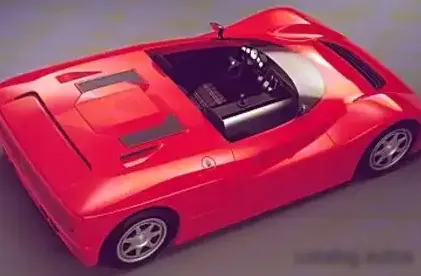
The Maserati Barchetta Stradale 2.0 i V6 24V Biturbo, produced between 1992 and 1994, represents a unique and relatively rare chapter in Maserati’s history. Built as a limited-production, open-top sports car, the Barchetta Stradale was intended to evoke the spirit of classic Italian roadsters while incorporating modern technology. It was based on the Maserati Biturbo platform, specifically utilizing a shortened version of the chassis, and aimed to provide a more focused, driver-oriented experience than its grand touring siblings. The “Barchetta” name, meaning “little boat” in Italian, alludes to the car’s sleek, low-slung profile and open-air design. This variant, equipped with the 2.0-liter V6 Biturbo engine producing 306 horsepower, sat at the top of the Barchetta range, offering the highest performance level available.
Technical Specifications
| Brand | Maserati |
| Model | Barchetta Stradale |
| Generation | Barchetta Stradale |
| Type (Engine) | 2.0 i V6 24V Biturbo (306 Hp) |
| Start of production | 1992 |
| End of production | 1994 |
| Powertrain Architecture | Internal Combustion engine |
| Body type | Cabriolet |
| Seats | 2 |
| Doors | 2 |
| Fuel consumption (urban) | 30 l/100 km (7.8 US mpg, 9.4 UK mpg, 3.3 km/l) |
| Fuel consumption (extra urban) | 12 l/100 km (19.6 US mpg, 23.5 UK mpg, 8.3 km/l) |
| Fuel Type | Petrol (Gasoline) |
| Acceleration 0 – 100 km/h | 4.8 sec |
| Acceleration 0 – 62 mph | 4.8 sec |
| Acceleration 0 – 60 mph | 4.4 sec |
| Maximum speed | 300 km/h (186.41 mph) |
| Weight-to-power ratio | 3 kg/Hp, 338.1 Hp/tonne |
| Weight-to-torque ratio | 2.4 kg/Nm, 412.2 Nm/tonne |
| Power | 306 Hp @ 6250 rpm |
| Power per litre | 153.3 Hp/l |
| Torque | 373 Nm @ 4250 rpm (275.11 lb.-ft. @ 4250 rpm) |
| Engine layout | Front, Longitudinal |
| Engine Model/Code | THB CMM |
| Engine displacement | 1996 cm3 (121.8 cu. in.) |
| Number of cylinders | 6 |
| Engine configuration | V-engine |
| Cylinder Bore | 82 mm (3.23 in.) |
| Piston Stroke | 63 mm (2.48 in.) |
| Compression ratio | 7.6:1 |
| Number of valves per cylinder | 4 |
| Fuel injection system | Multi-port manifold injection |
| Engine aspiration | Turbocharger |
| Valvetrain | DOHC |
| Kerb Weight | 905 kg (1995.18 lbs.) |
| Length | 4050 mm (159.45 in.) |
| Width | 1965 mm (77.36 in.) |
| Height | 930 mm (36.61 in.) |
| Wheelbase | 2600 mm (102.36 in.) |
| Front track | 1610 mm (63.39 in.) |
| Rear track | 1580 mm (62.2 in.) |
| Drivetrain Architecture | Rear wheel drive |
| Drive wheel | Rear wheel drive |
| Number of gears and type of gearbox | 6 gears, manual transmission |
| Front suspension | Coil spring |
| Rear suspension | Coil spring |
| Front brakes | Ventilated discs |
| Rear brakes | Disc |
| Assisting systems | ABS (Anti-lock braking system) |
| Tires size | 285/35 R18 |
| Wheel rims size | 18 |
Powertrain & Engine Architecture
The heart of the Barchetta Stradale 2.0 i is the THB CMM engine, a 1996 cc (121.8 cubic inches) V6. This engine is a descendant of the Biturbo series engines, but significantly upgraded. It features a 7.6:1 compression ratio and utilizes twin overhead camshafts (DOHC) operating four valves per cylinder. The key to its performance is the twin turbocharger setup, providing forced induction to boost power output. Fuel delivery is managed by a multi-port fuel injection system. The engine produces 306 horsepower at 6250 rpm and 373 Nm (275.11 lb-ft) of torque at 4250 rpm. This power is channeled through a robust 6-speed manual transmission, the only gearbox option available for this model, to the rear wheels.
Driving Characteristics
The Barchetta Stradale 2.0 i delivers a distinctly sporty driving experience. The combination of the turbocharged V6 and the 6-speed manual gearbox provides quick acceleration and responsive performance. The 0-60 mph sprint is achieved in approximately 4.4 seconds, and the car boasts a top speed of 300 km/h (186 mph). The relatively short wheelbase contributes to agile handling, although the lack of modern electronic stability control systems requires a skilled driver to manage the power effectively. Compared to the lower-powered Biturbo models, the Stradale offers a significantly more engaging and visceral driving experience. The gear ratios are closely spaced, allowing the driver to keep the engine within its optimal power band. The turbo lag, typical of early turbocharger systems, is noticeable but manageable.
Equipment & Trim Levels
The Barchetta Stradale was relatively sparsely equipped, focusing on providing a pure driving experience. Standard features included leather upholstery, power windows, and central locking. The interior design is minimalist, with a focus on functionality. Optional extras were limited, but could include upgraded audio systems and air conditioning. The dashboard layout is straightforward, with clearly visible gauges. The Barchetta’s interior was designed to be lightweight and driver-focused, eschewing many of the luxury features found in larger Maserati models.
Chassis & Braking
The Barchetta Stradale utilizes a steel chassis, derived from the Biturbo platform but significantly modified for improved rigidity and reduced weight. Suspension consists of coil springs all around, providing a firm but compliant ride. The front suspension features independent double wishbones, while the rear utilizes a solid axle. Braking is handled by ventilated discs at the front and solid discs at the rear, assisted by an ABS (Anti-lock Braking System). The car rides on 18-inch wheels fitted with 285/35 R18 tires, providing ample grip.
Market Reception & Comparison
The Barchetta Stradale was not a mainstream success, largely due to its limited production run and relatively high price. Critics praised its performance and handling, but some found the interior to be too spartan and the ride to be firm. Compared to other Biturbo models, the Stradale offered a more focused and engaging driving experience, but at the expense of some comfort and practicality. Fuel economy was also a concern, with reported figures of around 30 l/100 km (7.8 US mpg) in urban driving and 12 l/100 km (19.6 US mpg) on the highway. The car was positioned as a niche product, appealing to enthusiasts seeking a unique and exhilarating driving experience.
Legacy
Today, the Maserati Barchetta Stradale 2.0 i is a sought-after collectible car. Its limited production numbers and distinctive design have made it a favorite among Maserati enthusiasts. The THB CMM engine, while requiring careful maintenance due to its turbocharging system, is generally considered to be reliable when properly cared for. Parts availability can be a challenge, but a dedicated network of specialists and enthusiasts exists to support owners. The Barchetta Stradale represents a unique and exciting chapter in Maserati’s history, showcasing the brand’s commitment to performance and driving pleasure. Its value in the used car market has been steadily increasing in recent years, reflecting its growing desirability and rarity.
