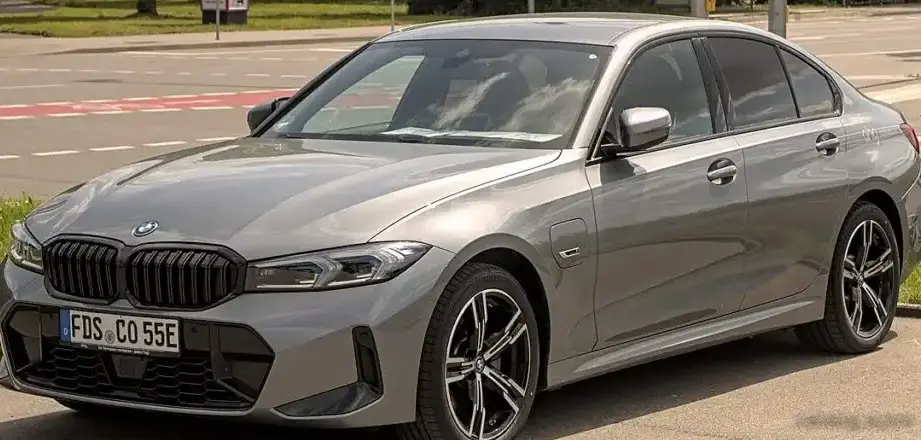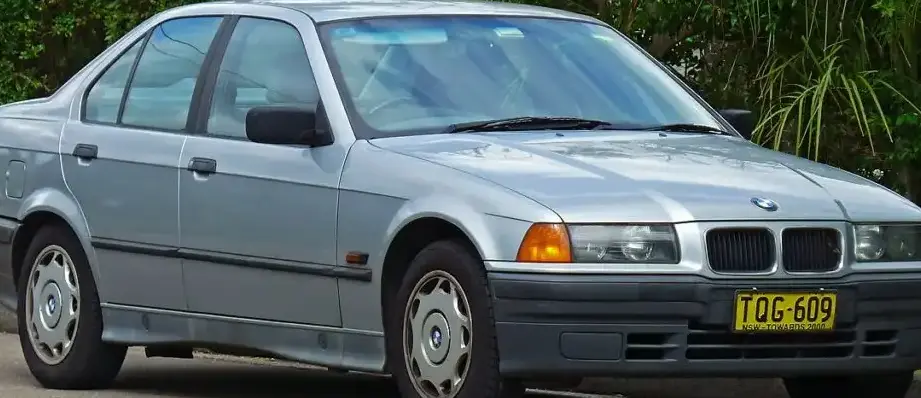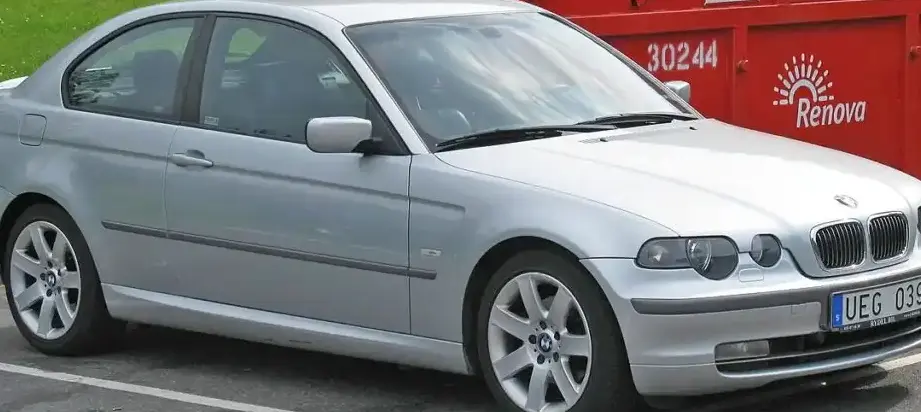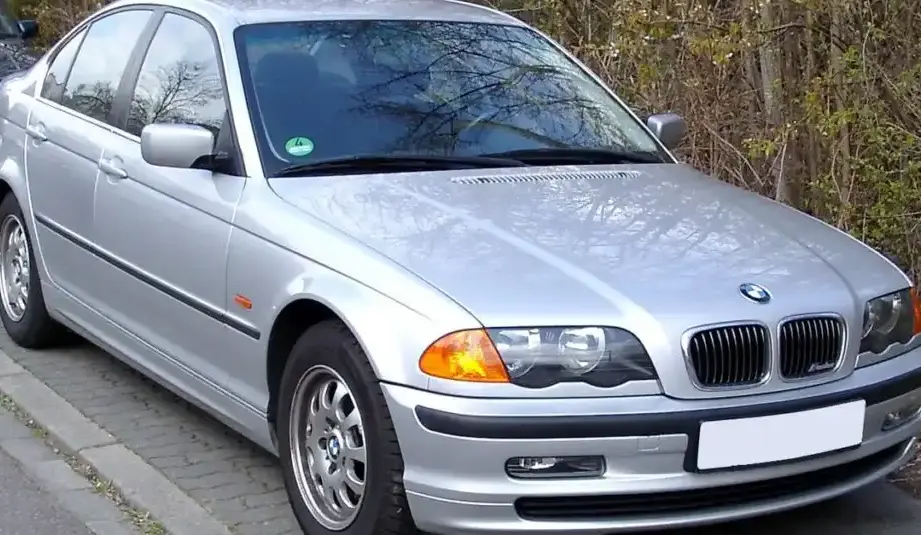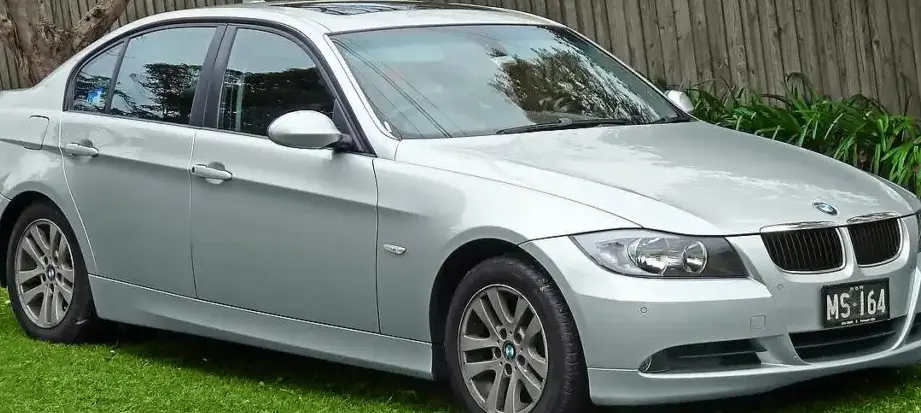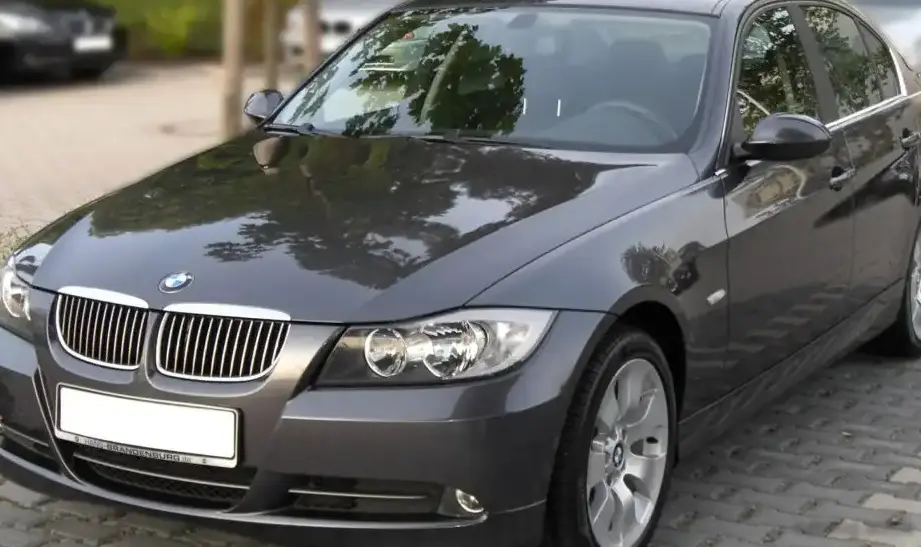
The BMW E90 318i, produced from 2005 to 2007, represented the entry point into the fifth generation of the iconic BMW 3 Series sedan. Positioned as the base model, it offered a balance of BMW’s renowned driving dynamics with a more accessible price point. The E90 generation marked a significant departure from its predecessor (E46), featuring increased dimensions, a more sophisticated chassis, and a range of updated engine options. The 318i, specifically, served as a popular choice for buyers prioritizing fuel efficiency and a comfortable ride over outright performance, particularly in markets where taxation favored smaller displacement engines.
Technical Specifications
| Brand | BMW |
| Model | 3 Series |
| Generation | 3 Series Sedan (E90) |
| Type (Engine) | 318i (129 Hp) |
| Start of production | 2005 |
| End of production | 2007 |
| Powertrain Architecture | Internal Combustion engine |
| Body type | Sedan |
| Seats | 5 |
| Doors | 4 |
| Fuel consumption (combined) | 7.3 l/100 km |
| Fuel consumption (US mpg) | 32.2 |
| Fuel consumption (UK mpg) | 38.7 |
| Fuel Type | Petrol (Gasoline) |
| Acceleration 0 – 100 km/h | 10 sec |
| Acceleration 0 – 62 mph | 10 sec |
| Acceleration 0 – 60 mph | 9.5 sec |
| Maximum speed | 208 km/h (129.25 mph) |
| Weight-to-power ratio | 10.3 kg/Hp |
| Weight-to-torque ratio | 7.4 kg/Nm |
| Power | 129 Hp @ 5750 rpm |
| Power per litre | 64.8 Hp/l |
| Torque | 180 Nm @ 3250 rpm (132.76 lb.-ft. @ 3250 rpm) |
| Engine layout | Front, Longitudinal |
| Engine Model/Code | N46B20B |
| Engine displacement | 1991 cm3 (121.5 cu. in.) |
| Number of cylinders | 4 |
| Engine configuration | Inline |
| Cylinder Bore | 84 mm (3.31 in.) |
| Piston Stroke | 90 mm (3.54 in.) |
| Compression ratio | 10.5:1 |
| Number of valves per cylinder | 4 |
| Fuel injection system | Multi-port manifold injection |
| Engine aspiration | Naturally aspirated engine |
| Engine oil capacity | 4.25 l (4.49 US qt | 3.74 UK qt) |
| Coolant capacity | 7.2 l (7.61 US qt | 6.34 UK qt) |
| Kerb Weight | 1325 kg (2921.12 lbs.) |
| Max. weight | 1840 kg (4056.51 lbs.) |
| Max load | 515 kg (1135.38 lbs.) |
| Trunk (boot) space – minimum | 460 l (16.24 cu. ft.) |
| Fuel tank capacity | 60 l (15.85 US gal | 13.2 UK gal) |
| Length | 4520 mm (177.95 in.) |
| Width | 1817 mm (71.54 in.) |
| Height | 1421 mm (55.94 in.) |
| Wheelbase | 2760 mm (108.66 in.) |
| Front track | 1500 mm (59.06 in.) |
| Rear (Back) track | 1513 mm (59.57 in.) |
| Drivetrain Architecture | Rear wheel drive |
| Number of gears | 6 gears, manual transmission |
| Front suspension | Spring Strut |
| Rear suspension | Coil spring |
| Front brakes | Ventilated discs |
| Rear brakes | Disc |
| Assisting systems | ABS (Anti-lock braking system) |
| Steering type | Steering rack and pinion |
| Tires size | 205/55 R16 |
| Wheel rims size | 16 |
Powertrain & Engine Architecture
The heart of the E90 318i was the N46B20B engine, a 2.0-liter naturally aspirated inline-four cylinder. This engine was a significant evolution of BMW’s previous four-cylinder designs, incorporating features like double VANOS (variable valve timing on both intake and exhaust camshafts) and a lightweight aluminum engine block. The N46 utilized multi-port fuel injection, delivering fuel directly into the intake ports. The engine produced 129 horsepower at 5750 rpm and 180 Nm (132.76 lb-ft) of torque at 3250 rpm. The standard transmission was a Getrag 220 six-speed manual, though a six-speed automatic transmission was also available, and quite popular in the US market. The automatic transmission, while offering convenience, did slightly impact acceleration compared to the manual version.
Driving Characteristics
The 318i, particularly with the automatic transmission, offered a comfortable and refined driving experience. Acceleration from 0-60 mph took approximately 9.5 seconds, making it noticeably slower than the 320i or 325i/330i models. However, the engine was responsive enough for everyday driving, and the automatic transmission provided smooth shifts. The gear ratios were tuned for fuel efficiency rather than outright performance. The rear-wheel-drive configuration, a hallmark of BMW, contributed to balanced handling, although the 318i’s narrower tires (typically 205/55 R16) offered less grip than those found on higher-spec models. The steering was precise and well-weighted, providing good feedback to the driver.
Equipment & Trim Levels
The 318i typically came standard with features such as power windows, power locks, air conditioning, and a basic audio system. Interior upholstery was usually cloth, although leatherette or full leather options were available. Dashboard trim could be specified in various wood or metallic finishes. Common optional extras included a sunroof, upgraded audio systems (often from Harman Kardon), navigation, and sport seats. The “Sport Package” was a popular option, adding features like sport suspension, sport seats, and unique exterior styling cues.
Chassis & Braking
The E90 318i utilized a MacPherson strut front suspension and a multi-link rear suspension, providing a comfortable ride and good handling characteristics. The front brakes were ventilated discs, while the rear brakes were solid discs. Anti-lock braking system (ABS) was standard. Compared to the higher-powered models, the 318i often featured a smaller diameter stabilizer bar, contributing to a softer ride. The relatively lighter weight of the 318i, compared to its more powerful siblings, helped to offset the less aggressive braking setup.
Market Reception & Comparison
The E90 318i was generally well-received by automotive critics as an accessible entry point into the 3 Series range. However, some reviewers noted that the engine felt underpowered, particularly when paired with the automatic transmission. Fuel economy was a strong point, averaging around 32.2 US mpg in combined driving. Compared to the 320i (which featured a slightly larger engine and more power), the 318i offered a more affordable price but sacrificed some performance. The 318i also differed significantly from the diesel-powered 320d and 330d models, which prioritized fuel efficiency and torque over horsepower.
Legacy
The N46B20B engine, while generally reliable, is known to be susceptible to certain issues, including oil leaks and cooling system problems. Regular maintenance, including timely oil changes and coolant flushes, is crucial for long-term reliability. Today, the E90 318i represents an affordable entry point into BMW ownership. Well-maintained examples are still relatively common on the used car market, and their relatively simple mechanicals make them appealing to DIY mechanics. While not the most powerful or fastest 3 Series variant, the E90 318i remains a capable and enjoyable sedan, offering a taste of BMW’s driving dynamics at a reasonable price.