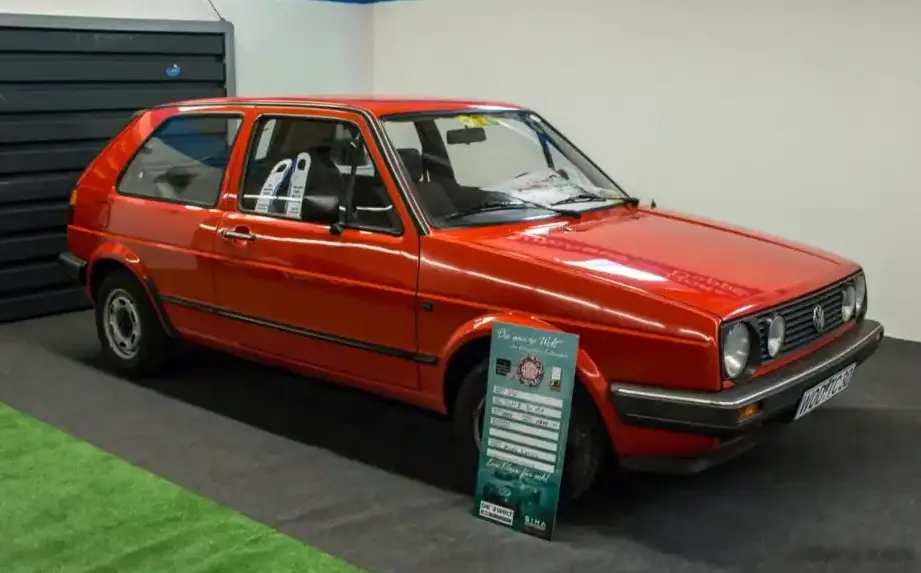
The Volkswagen Golf Mk II 1.0, produced between 1983 and 1985, represents the entry point into the second generation of Volkswagen’s iconic hatchback. This 3-door variant, powered by a modest 45 horsepower engine, played a crucial role in offering affordable transportation within the European market. It was positioned as the most economical Golf II available, appealing to first-time buyers and those prioritizing fuel efficiency over outright performance. The 1.0-liter model was a key component of the Mk II Golf’s success, broadening its appeal beyond the more powerful and expensive trims.
Technical Specifications
| Brand | Volkswagen |
| Model | Golf |
| Generation | Golf II (3-door) |
| Type (Engine) | 1.0 (45 Hp) |
| Start of production | 1983 |
| End of production | 1985 |
| Powertrain Architecture | Internal Combustion engine |
| Body type | Hatchback |
| Fuel Type | Petrol (Gasoline) |
| Power | 45 Hp |
| Engine Model/Code | GN |
| Engine aspiration | Naturally aspirated engine |
| Engine oil capacity | 2.5 l (2.64 US qt | 2.2 UK qt) |
| Coolant capacity | 6.5 l (6.87 US qt | 5.72 UK qt) |
| Drag coefficient (Cd) | 0.34 |
Powertrain & Engine Architecture
The heart of the Golf II 1.0 is the GN engine, a 999cc inline-four cylinder petrol engine. This engine is a naturally aspirated, single overhead camshaft (SOHC) design. It utilizes a two-valve per cylinder configuration, contributing to its simplicity and reliability. Fuel delivery is managed by a single point fuel injection system – a relatively basic setup for the time, but sufficient for the engine’s modest power output. The GN engine’s bore and stroke are 76.5mm x 66mm. The compression ratio is typically around 8.5:1. The engine’s relatively small displacement and simple design meant it was relatively easy to maintain, a key selling point for budget-conscious buyers.
The Golf II 1.0 was exclusively offered with a 4-speed manual transmission. This transmission was chosen to maximize fuel economy and keep production costs down. The gear ratios were optimized for low-speed acceleration and efficient cruising, rather than outright performance. The transmission itself is a conventional manual unit, known for its durability and straightforward operation.
Driving Characteristics
The driving experience in the Golf II 1.0 is best described as utilitarian. With only 45 horsepower on tap, acceleration is leisurely. 0 to 60 mph times were in the region of 16-18 seconds, making it one of the slower cars on the road at the time. However, the engine is surprisingly tractable, offering reasonable pulling power at lower revs. The 4-speed gearbox requires frequent shifting to maintain momentum, especially when tackling hills or overtaking. The car’s light weight (around 830 kg or 1830 lbs) helps to mitigate the lack of power to some extent. The steering is light and precise, and the suspension provides a comfortable, if somewhat basic, ride. Compared to the Golf II models with larger engines (like the 1.6 or 1.8), the 1.0 feels significantly underpowered, but it offers a more economical and accessible entry point into Golf ownership.
Equipment & Trim Levels
The Golf II 1.0 was typically offered in a very basic trim level. Standard equipment included cloth upholstery, simple plastic dashboard trim, and steel wheels with hubcaps. Power steering, central locking, and electric windows were generally not available on this base model. The interior was functional and durable, prioritizing practicality over luxury. Optional extras were limited, typically including a basic radio and upgraded seat fabrics. The focus was on providing a no-frills, affordable car. The dashboard layout was typical of early 1980s Volkswagen design – functional and easy to use, but lacking in modern features.
Chassis & Braking
The Golf II 1.0 utilizes a MacPherson strut front suspension and a twist-beam rear suspension. This setup provides a good balance between ride comfort and handling. The front suspension incorporates coil springs and dampers, while the rear suspension relies on leaf springs. Braking is typically accomplished with disc brakes on the front wheels and drum brakes on the rear wheels. The braking system is adequate for the car’s performance, but lacks the stopping power of the larger-engined models with front disc/rear disc setups. The car’s relatively light weight helps to compensate for the less powerful braking system. A stabilizer bar was typically fitted to the front suspension to reduce body roll during cornering.
Market Reception & Comparison
The Golf II 1.0 was generally well-received as an affordable and economical option. Critics acknowledged its lack of performance but praised its fuel efficiency and low running costs. It was often compared to other small hatchbacks of the era, such as the Ford Fiesta and the Opel Corsa. The Golf II 1.0 typically offered better build quality and a more refined driving experience than its direct competitors, but at a slightly higher price point. Fuel economy was a key selling point, with the 1.0-liter engine achieving around 45-50 mpg in typical driving conditions. Reliability was also good, thanks to the engine’s simple design and robust construction. Compared to the Golf II 1.6 or 1.8, the 1.0 was significantly less powerful and offered a less engaging driving experience, but it was also considerably cheaper to buy and run.
Legacy
The Golf II 1.0, while not a performance icon, holds a significant place in the history of the Golf. It demonstrated Volkswagen’s commitment to providing affordable transportation to a wider audience. The GN engine proved to be a reliable and durable unit, and many examples are still on the road today. In the used car market, the Golf II 1.0 is often sought after by enthusiasts looking for a classic Volkswagen that is relatively easy to maintain and inexpensive to run. Its simplicity and affordability make it a popular choice for restoration projects and as a first classic car. While parts availability can be a challenge, many components are still readily available, ensuring that these cars can be kept on the road for years to come. The 1.0-liter Golf II represents a bygone era of simple, practical, and affordable motoring.