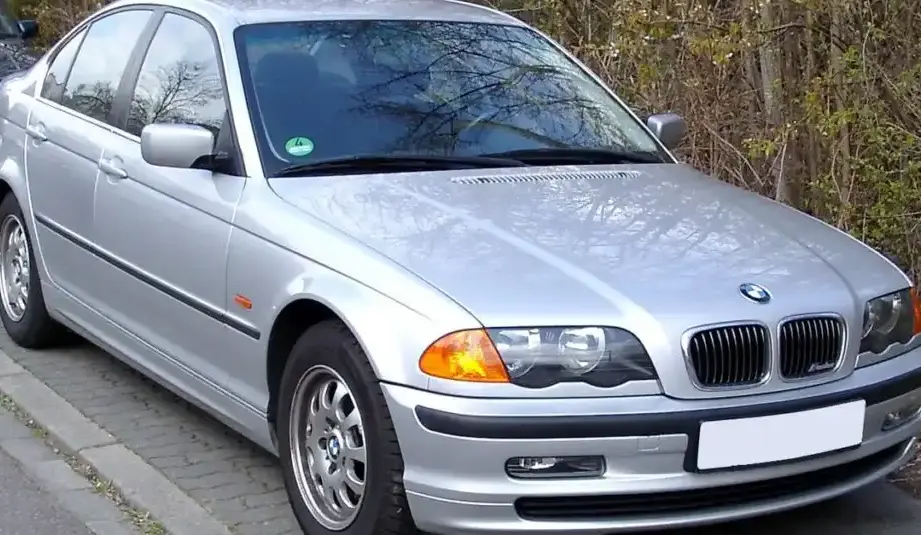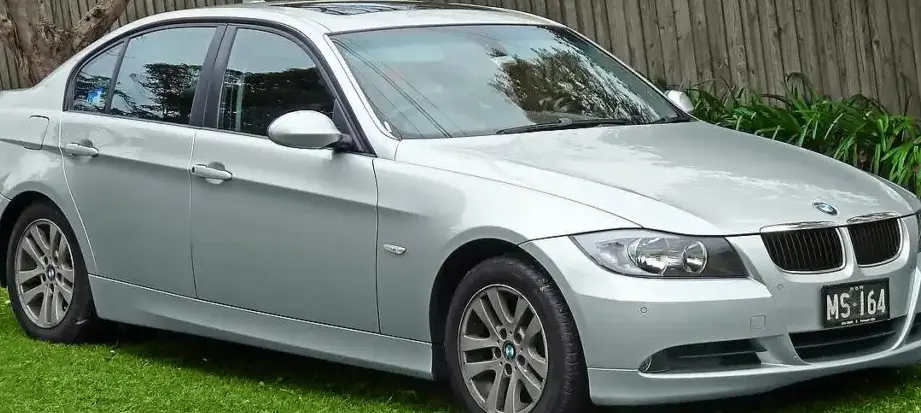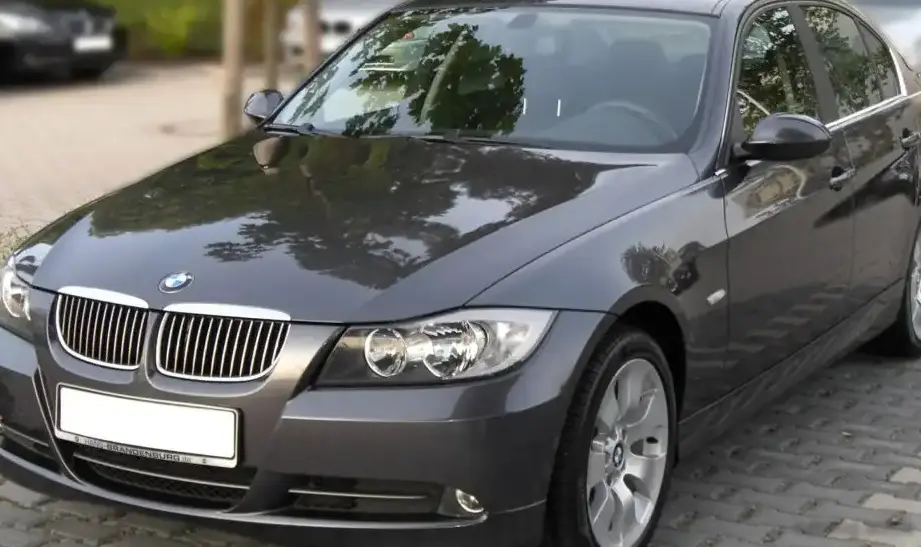
The BMW E90 330d, produced from 2005 to 2007, represented a significant offering in the premium sports sedan segment. As part of the fifth generation (E90) of the 3 Series, the 330d was positioned as a diesel-powered alternative, offering a blend of performance and fuel efficiency. It catered to European markets prioritizing diesel technology, and increasingly, to buyers seeking a more economical yet still engaging driving experience. This variant utilized BMW’s advanced diesel engine technology, aiming to deliver a compelling alternative to its gasoline-powered siblings.
Technical Specifications
| Brand | BMW |
| Model | 3 Series |
| Generation | 3 Series Sedan (E90) |
| Type (Engine) | 330d (231 Hp) |
| Start of production | 2005 |
| End of production | 2007 |
| Powertrain Architecture | Internal Combustion engine |
| Body type | Sedan |
| Seats | 5 |
| Doors | 4 |
| Fuel consumption (urban) | 8.8 l/100 km (26.7 US mpg) |
| Fuel consumption (extra urban) | 5.2 l/100 km (45.2 US mpg) |
| Fuel Type | Diesel |
| Acceleration 0 – 100 km/h | 6.7 sec |
| Acceleration 0 – 62 mph | 6.7 sec |
| Acceleration 0 – 60 mph | 6.4 sec |
| Maximum speed | 250 km/h (155.34 mph) |
| Weight-to-power ratio | 6.6 kg/Hp |
| Weight-to-torque ratio | 3 kg/Nm |
| Power | 231 Hp @ 4000 rpm |
| Torque | 500 Nm @ 1750 rpm (368.78 lb.-ft. @ 1750 rpm) |
| Engine layout | Front, Longitudinal |
| Engine Model/Code | M57D30TU2 |
| Engine displacement | 2993 cm3 (182.64 cu. in.) |
| Number of cylinders | 6 |
| Engine configuration | Inline |
| Cylinder Bore | 84 mm (3.31 in.) |
| Piston Stroke | 90 mm (3.54 in.) |
| Compression ratio | 17:1 |
| Number of valves per cylinder | 4 |
| Fuel injection system | Diesel Commonrail |
| Engine aspiration | Turbocharger, Intercooler |
| Engine oil capacity | 7.5 l (7.93 US qt | 6.6 UK qt) |
| Coolant capacity | 7.8 l (8.24 US qt | 6.86 UK qt) |
| Kerb Weight | 1515 kg (3340 lbs.) |
| Max. weight | 2030 kg (4475.38 lbs.) |
| Max load | 515 kg (1135.38 lbs.) |
| Trunk (boot) space – minimum | 460 l (16.24 cu. ft.) |
| Fuel tank capacity | 61 l (16.11 US gal | 13.42 UK gal) |
| Length | 4520 mm (177.95 in.) |
| Width | 1817 mm (71.54 in.) |
| Height | 1421 mm (55.94 in.) |
| Wheelbase | 2760 mm (108.66 in.) |
| Front track | 1500 mm (59.06 in.) |
| Rear track | 1513 mm (59.57 in.) |
| Drivetrain Architecture | Rear wheel drive |
| Number of gears | 6 |
| Gearbox type | Manual transmission |
| Front suspension | Spring Strut |
| Rear suspension | Coil spring |
| Front brakes | Ventilated discs |
| Rear brakes | Disc |
| Tires size | 225/45 R17 |
| Wheel rims size | 17 |
Powertrain & Engine Architecture
The heart of the E90 330d is the M57D30TU2, a 3.0-liter inline-six cylinder diesel engine. This engine was a further development of BMW’s M57 series, known for its robust construction and refined operation. The ‘TU2’ designation indicates an updated version with improvements to the fuel injection system and turbocharging. It employed a second-generation common rail direct injection system, delivering fuel at extremely high pressures for optimized combustion. A variable geometry turbocharger (VGT) was utilized to enhance low-end torque and maintain strong performance across the rev range. The engine featured four valves per cylinder and a cast iron block, contributing to its durability. The 6-speed manual transmission was standard, providing precise gear changes and a direct connection to the engine’s power.
Driving Characteristics
The 330d offered a distinctly different driving experience compared to its gasoline counterparts. While lacking the immediate responsiveness of the 330i, the 330d excelled in providing a broad, usable torque curve. The 500 Nm (368 lb-ft) of torque available from just 1750 rpm meant strong acceleration in everyday driving situations, and effortless overtaking. The manual transmission, while engaging, had gear ratios tuned for fuel efficiency and relaxed cruising. The 0-60 mph time of around 6.4 seconds was respectable for the time, and the engine’s willingness to rev to 4000 rpm provided sufficient power for spirited driving. Compared to the higher-output 335i, the 330d prioritized fuel economy and low-end grunt over outright top-end power.
Equipment & Trim Levels
The E90 330d typically came well-equipped, reflecting its position as a premium offering. Standard features included automatic climate control, power windows and mirrors, a multi-function steering wheel, and a basic audio system. Upholstery was generally cloth, though leather options were available. Optional extras included a premium sound system, navigation system, sunroof, sport seats, and parking sensors. Trim levels varied by market, but generally offered packages that bundled popular options together. The ‘Sport’ package, for example, added sport suspension, unique alloy wheels, and interior trim upgrades.
Chassis & Braking
The E90 3 Series chassis was renowned for its balance and handling prowess. The 330d utilized a MacPherson strut front suspension and a multi-link rear suspension, providing a comfortable ride without sacrificing handling precision. The braking system consisted of ventilated discs at the front and solid discs at the rear. Anti-lock brakes (ABS) were standard, along with electronic brake-force distribution (EBD). The 330d’s slightly higher weight compared to the 330i necessitated a slightly firmer suspension setup to maintain similar handling characteristics. Stabilizer bars were fitted front and rear to reduce body roll during cornering.
Market Reception & Comparison
The E90 330d was generally well-received by automotive critics, particularly in Europe where diesel engines were more prevalent. It was praised for its fuel efficiency, strong torque, and refined driving experience. Compared to the 330i, the 330d offered significantly better fuel economy, making it an attractive option for high-mileage drivers. However, some critics noted that the diesel engine lacked the responsiveness and sound of the gasoline counterpart. Reliability was generally good, although the complex fuel injection system and turbocharger required careful maintenance. The 330d often represented a value proposition compared to the more expensive 335i, offering a compelling blend of performance and economy.
Legacy
The E90 330d’s M57D30TU2 engine proved to be a durable and reliable powerplant. Many examples have accumulated high mileage without major issues, provided they have received regular maintenance. On the used car market, the 330d remains a popular choice for those seeking a well-rounded and economical sports sedan. Its fuel efficiency and strong torque make it well-suited for long-distance driving. While modern diesel technology has advanced significantly, the E90 330d represents a significant milestone in BMW’s diesel engine development and continues to offer a rewarding driving experience.