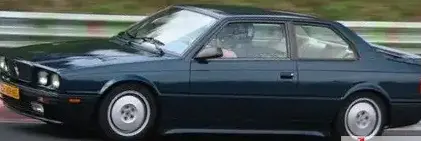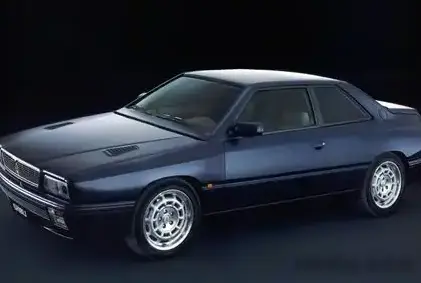
The Maserati Biturbo Coupe 2.0, produced between 1985 and 1987, represents a pivotal moment in the Italian manufacturer’s history. It was the first mass-produced Maserati, intended to bring the brand’s luxury and performance within reach of a wider audience. This coupe, built on the Type AM330 chassis, aimed to revitalize Maserati’s fortunes by offering a more accessible alternative to its traditionally expensive grand tourers. The 2.0-liter variant, producing 184 horsepower, occupied a middle ground in the Biturbo lineup, positioned above the base 1.8-liter models but below the more potent 2.8-liter versions. It was a key component of Maserati’s strategy to compete with established European sports coupes like the BMW 6 Series and the Porsche 944.
Technical Specifications
| Brand | Maserati |
| Model | Biturbo |
| Generation | Biturbo Coupe |
| Type (Engine) | 2.0 (184 Hp) |
| Start of Production | 1985 |
| End of Production | 1987 |
| Powertrain Architecture | Internal Combustion Engine |
| Body Type | Coupe |
| Fuel Type | Petrol (Gasoline) |
| Power | 184 Hp |
| Engine Model/Code | AM331 |
| Engine Aspiration | Naturally Aspirated |
Powertrain & Engine Architecture
The heart of the Biturbo Coupe 2.0 is the AM331 engine, a 1996cc, twin-overhead camshaft, 90-degree V6. This engine was notable for its compact size, achieved through a 60-degree V-angle, and its use of a single belt-driven overhead camshaft per bank. The AM331 featured wet sump lubrication and a cast iron block with aluminum alloy cylinder heads. Fuel delivery was managed by Bosch mechanical fuel injection, a system chosen for its reliability and relative simplicity compared to emerging electronic fuel injection systems of the time. While not as sophisticated as later implementations, it provided adequate fuel metering for the engine’s output. The engine produced 184 horsepower at 6250 rpm and 177 lb-ft of torque at 4500 rpm. The Biturbo 2.0 was exclusively offered with a five-speed manual transmission, a ZF sourced unit known for its durability and precise shift feel. A three-speed automatic transmission was available as an option, but it was less common and generally considered to detract from the driving experience.
Driving Characteristics
The Biturbo Coupe 2.0 offered a distinctly Italian driving experience. The 184 hp engine provided brisk acceleration, capable of propelling the car from 0 to 60 mph in around 7.8 seconds, and a top speed of approximately 138 mph. The engine’s torque curve was relatively flat, providing usable power across a broad rev range. The five-speed manual transmission allowed drivers to fully exploit the engine’s capabilities, while the optional automatic, though convenient, resulted in noticeable performance loss. Handling was generally good, thanks to the independent suspension with coil springs and anti-roll bars. However, the car’s weight (around 3,200 lbs) and relatively long wheelbase meant it wasn’t as nimble as some of its competitors. The steering was unassisted, providing a direct feel but requiring more effort at low speeds. The Biturbo 2.0’s ride quality was firm, reflecting its sporting intentions, but not overly harsh for everyday use.
Equipment & Trim Levels
The Biturbo Coupe 2.0 was relatively well-equipped for its time, though it wasn’t as lavishly appointed as some of Maserati’s more expensive models. Standard features included power windows, central locking, and a basic stereo system. The interior was trimmed with leather seats, though the quality of the leather varied. The dashboard featured analog gauges for speed, tachometer, fuel level, and coolant temperature. Optional extras included air conditioning, a sunroof, and upgraded audio systems. The interior design was functional and stylish, but some critics noted the use of components sourced from other Fiat Group vehicles, which detracted from the sense of exclusivity. The exterior styling was characterized by sharp lines and a wedge-shaped profile, penned by Marcello Gandini of Bertone. The car was available in a range of colors, including Rosso Corsa, Bianco, and Grigio Metallizzato.
Chassis & Braking
The Biturbo Coupe 2.0 utilized a steel unibody construction. The suspension consisted of independent double wishbones at the front and a De Dion axle with coil springs and a limited-slip differential at the rear. This setup aimed to provide a balance between handling and ride comfort. Braking was initially provided by disc brakes all around, but some early models featured rear drum brakes. Later models were upgraded with rear discs. The braking system was unassisted, requiring significant pedal effort. The car rode on 15-inch alloy wheels, typically fitted with Pirelli P6 tires. The steering was a traditional recirculating ball system, providing a direct feel but lacking the precision of more modern rack-and-pinion setups.
Market Reception & Comparison
The Biturbo Coupe 2.0 received mixed reviews from automotive critics. While praised for its performance, styling, and relatively affordable price, it was also criticized for its build quality and reliability. Early Biturbos were prone to electrical issues and corrosion, which tarnished the brand’s reputation. Compared to the base 1.8-liter model, the 2.0-liter version offered a noticeable improvement in performance, making it a more desirable option for driving enthusiasts. However, it was more expensive and slightly less fuel-efficient. The 2.8-liter Biturbo offered even greater performance, but at a significantly higher price point. Against its competitors, the Biturbo 2.0 offered a unique combination of Italian flair and performance, but its reliability issues often counted against it.
Legacy
The Maserati Biturbo Coupe 2.0, despite its shortcomings, played a crucial role in Maserati’s survival. It demonstrated that the company could produce a relatively affordable and desirable sports coupe, attracting a new generation of customers. While early Biturbos suffered from reliability problems, later models were improved. Today, the Biturbo Coupe 2.0 is a sought-after classic car, appreciated for its distinctive styling and engaging driving experience. Parts availability can be challenging, and maintenance requires specialized knowledge, but the car’s relative affordability makes it an attractive entry point into the world of classic Maserati ownership. The AM331 engine, while not without its quirks, is generally considered to be a robust and durable unit when properly maintained. The Biturbo Coupe 2.0 remains a testament to Maserati’s ambition to blend luxury, performance, and accessibility.