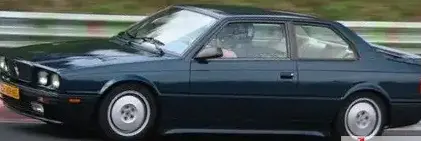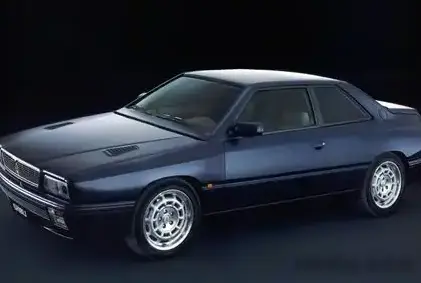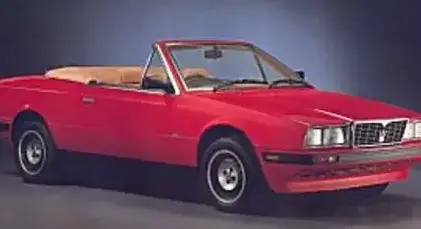
The Maserati Biturbo Spyder 2.8, produced between 1989 and 1994, represents a pivotal moment in Maserati’s history – a period where the company attempted to blend its racing heritage with more accessible, mass-market appeal. The Spyder, a two-seater convertible, was the open-top variant of the Biturbo family, designed to offer a more engaging and luxurious driving experience. It sat within the second generation of the Biturbo line (often referred to as the 90 series), building upon the foundation laid by the earlier coupes and sedans. The 2.8-liter engine variant, producing 224 horsepower, was positioned as a premium offering within the Spyder range, offering a noticeable performance upgrade over the earlier 2.0-liter models. This model aimed to compete with other luxury roadsters and convertibles of the era, such as the Porsche 944 Cabriolet and BMW Z1, though at a generally lower price point.
Technical Specifications
| Brand | Maserati |
| Model | Biturbo |
| Generation | Biturbo Spyder |
| Type (Engine) | 2.8 (224 Hp) |
| Start of production | 1989 |
| End of production | 1994 |
| Powertrain Architecture | Internal Combustion engine |
| Body type | Cabriolet |
| Fuel Type | Petrol (Gasoline) |
| Power | 224 Hp |
| Engine Model/Code | AM333 |
| Engine aspiration | Naturally aspirated engine |
Powertrain & Engine Architecture
The heart of the Biturbo Spyder 2.8 is the AM333 engine, a 2.8-liter (2789cc) V6. This engine is a 90-degree V6, meaning the cylinder banks are set at a 90-degree angle to each other. This configuration contributes to a smoother engine operation and better balance compared to narrower V-angle designs. The AM333 featured a cast iron block and aluminum cylinder heads. Fuel delivery was managed by Bosch Motronic fuel injection, a sophisticated system for its time, which optimized fuel efficiency and performance. The engine utilized a single overhead camshaft (SOHC) per cylinder bank, operating two valves per cylinder (intake and exhaust). While not featuring the complexity of dual overhead camshafts, the SOHC design kept the engine relatively compact and lightweight. The engine’s output of 224 horsepower at 5800 rpm and 248 lb-ft of torque at 4200 rpm provided brisk acceleration for the era. The engine was typically paired with a five-speed manual transmission, but a four-speed automatic transmission was also available, though less common and generally considered to diminish the driving experience. The automatic transmission, while offering convenience, was known to slightly reduce performance and fuel economy.
Driving Characteristics
The Biturbo Spyder 2.8 offered a distinctly Italian driving experience. The 2.8-liter engine provided ample power for spirited driving, and the relatively lightweight construction of the car (around 3,200 lbs) contributed to its agility. The manual transmission version delivered a more engaging experience, allowing the driver to fully exploit the engine’s powerband. The automatic transmission, while smooth, felt somewhat disconnected and didn’t fully capture the engine’s potential. The Spyder’s suspension, featuring independent suspension all around, provided a comfortable ride, but it wasn’t overly sporty. The steering was relatively quick and responsive, offering good feedback to the driver. However, the car was prone to understeer when pushed hard, particularly in the automatic transmission variants. Compared to the earlier 2.0-liter Biturbo Spyders, the 2.8-liter version offered a significant improvement in acceleration and overall performance. It felt more refined and capable on the open road. However, it didn’t quite match the precision and handling of its German rivals like the Porsche 944 Cabriolet.
Equipment & Trim Levels
The Biturbo Spyder 2.8 was generally well-equipped for a car of its time. Standard features included leather upholstery, power windows, power locks, and air conditioning. The interior was characterized by a classic Italian design, with wood trim and a leather-wrapped steering wheel. Optional extras included a premium sound system, heated seats, and a limited-slip differential (on manual transmission models). The dashboard layout was relatively straightforward, with clearly marked gauges and controls. The convertible top was a manually operated soft top, which could be raised or lowered relatively easily. The quality of materials used in the interior was generally good, though some owners have reported issues with the durability of certain components over time. The Spyder 2.8 represented the higher end of the Biturbo Spyder range, offering a more luxurious and refined experience than the base 2.0-liter models.
Chassis & Braking
The Biturbo Spyder 2.8 utilized a steel unibody construction. The suspension consisted of independent double wishbones at the front and a semi-trailing arm suspension at the rear. This setup provided a reasonable balance between ride comfort and handling. Braking duties were handled by ventilated disc brakes at the front and solid disc brakes at the rear. Anti-lock braking system (ABS) was available as an option, enhancing safety and control during hard braking. The steering system was a rack-and-pinion setup, providing precise and responsive steering. The Spyder’s chassis wasn’t particularly lightweight, which contributed to its tendency to understeer. However, the suspension and braking systems were generally adequate for the car’s performance capabilities. The rear disc brakes were an upgrade over the earlier Biturbo models, which often featured drum brakes at the rear.
Market Reception & Comparison
The Biturbo Spyder 2.8 received mixed reviews from automotive critics. While praised for its stylish design, powerful engine, and relatively affordable price, it was also criticized for its build quality issues and somewhat compromised handling. Some reviewers noted that the car felt less refined than its German rivals. However, the Spyder’s Italian flair and distinctive character appealed to many buyers. Compared to the 2.0-liter Biturbo Spyder, the 2.8-liter version offered significantly improved performance and a more satisfying driving experience. Fuel economy was reasonable for a V6-powered convertible, averaging around 18 mpg in the city and 24 mpg on the highway. Reliability was a concern for some owners, with reports of electrical issues and problems with the cooling system. However, with proper maintenance, the Biturbo Spyder 2.8 could be a relatively reliable and enjoyable car to own.
Legacy
The Maserati Biturbo Spyder 2.8 represents a fascinating chapter in Maserati’s history. While not a resounding commercial success, it helped to revive the brand’s image and introduce a new generation of buyers to the Maserati name. Today, the Biturbo Spyder 2.8 is a sought-after classic car, particularly among enthusiasts of Italian automobiles. The 2.8-liter engine is generally considered to be the most desirable engine option for the Spyder, offering a good balance of performance and reliability. Parts availability can be a challenge, but a dedicated network of specialists and enthusiasts exists to support owners. Well-maintained examples of the Biturbo Spyder 2.8 are appreciating in value, reflecting their growing popularity and historical significance. The car remains a testament to Maserati’s commitment to style, performance, and the art of Italian automotive engineering.