
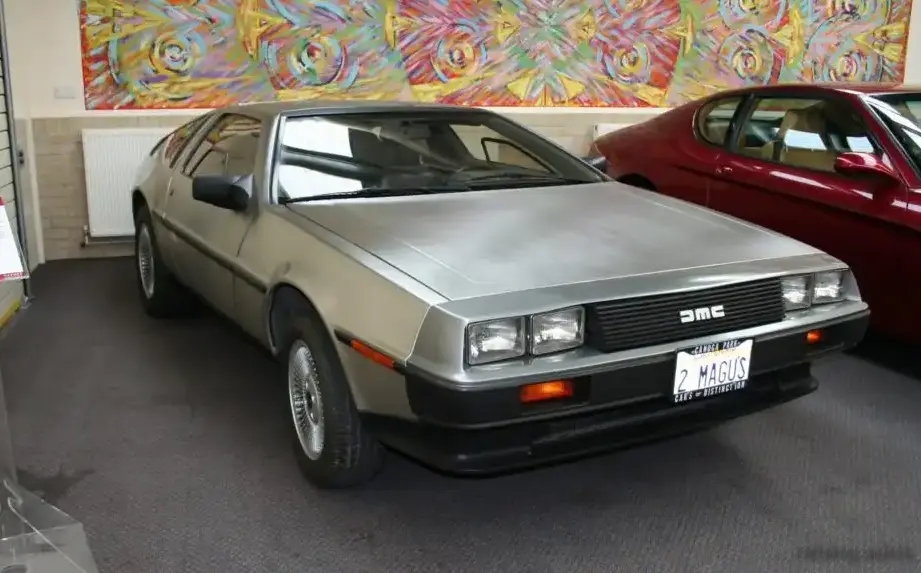
The De Lorean DMC-12, powered by the 2.9-liter V6 engine paired with an automatic transmission, represents a unique and often misunderstood chapter in automotive history. Produced between 1981 and 1983, this variant of the DMC-12 aimed to offer a more accessible entry point into the De Lorean ownership experience, appealing to buyers who preferred the convenience of an automatic gearbox. It occupied the lower end of the DMC-12 lineup, as the only available powertrain configuration during much of its production run. While the car is famously associated with the Back to the Future film franchise, the 2.9L automatic version was a relatively uncommon sight even during its brief production period.
Technical Specifications
| Brand | De Lorean |
| Model | DMC-12 |
| Generation | DMC-12 |
| Type (Engine) | 2.9 V6 (132 Hp) Automatic |
| Start of production | 1981 |
| End of production | 1983 |
| Powertrain Architecture | Internal Combustion engine |
| Body type | Coupe |
| Seats | 2 |
| Doors | 2 |
| Fuel Type | Petrol (Gasoline) |
| Weight-to-power ratio | 9.3 kg/Hp, 107.1 Hp/tonne |
| Weight-to-torque ratio | 6 kg/Nm, 167.9 Nm/tonne |
| Power | 132 Hp @ 5500 rpm |
| Power per litre | 46.3 Hp/l |
| Torque | 207 Nm @ 2750 rpm (152.68 lb.-ft. @ 2750 rpm) |
| Engine layout | Rear, Longitudinal |
| Engine Model/Code | ZMJ-159 |
| Engine displacement | 2849 cm3 (173.86 cu. in.) |
| Number of cylinders | 6 |
| Engine configuration | V-engine |
| Cylinder Bore | 91 mm (3.58 in.) |
| Piston Stroke | 73 mm (2.87 in.) |
| Compression ratio | 8.8:1 |
| Number of valves per cylinder | 2 |
| Fuel injection system | Multi-port manifold injection |
| Engine aspiration | Naturally aspirated engine |
| Valvetrain | SOHC |
| Engine oil capacity | 6.5 l (6.87 US qt | 5.72 UK qt) |
| Coolant | 11 l (11.62 US qt | 9.68 UK qt) |
| Kerb Weight | 1233 kg (2718.3 lbs.) |
| Max. weight | 1471 kg (3243 lbs.) |
| Max load | 238 kg (524.7 lbs.) |
| Trunk (boot) space – minimum | 396 l (13.98 cu. ft.) |
| Fuel tank capacity | 52 l (13.74 US gal | 11.44 UK gal) |
| Length | 4267 mm (167.99 in.) |
| Width | 1989 mm (78.31 in.) |
| Height | 1140 mm (44.88 in.) |
| Wheelbase | 2408 mm (94.8 in.) |
| Front track | 1590 mm (62.6 in.) |
| Rear (Back) track | 1588 mm (62.52 in.) |
| Drag coefficient (Cd) | 0.34 |
| Minimum turning circle (turning diameter) | 12.8 m (41.99 ft.) |
| Drivetrain Architecture | The Internal combustion engine (ICE) drives the rear wheels of the vehicle. |
| Drive wheel | Rear wheel drive |
| Number of gears and type of gearbox | 3 gears, automatic transmission |
| Front suspension | Independent multi-link suspension |
| Rear suspension | Independent multi-link suspension |
| Front brakes | Disc |
| Rear brakes | Disc |
| Steering type | Steering rack and pinion |
| Tires size | 195/60 R14; 235/60 R15 |
| Wheel rims size | 14; 15 |
Powertrain & Engine Architecture
The heart of the DMC-12 automatic was the ZMJ-159 2.9-liter V6 engine. This engine, originally designed for the Renault 30, was a relatively simple design featuring a single overhead camshaft (SOHC) valvetrain and two valves per cylinder. It utilized a multi-port fuel injection system, which was a step up from carbureted engines of the era, contributing to improved fuel efficiency and smoother operation. The engine produced 132 horsepower at 5500 rpm and 207 Nm (152.68 lb-ft) of torque at 2750 rpm. The automatic transmission was a three-speed unit, sourced from General Motors. While providing ease of use, it wasn’t known for its responsiveness or efficiency. The engine was mounted longitudinally in the rear of the vehicle, contributing to the DMC-12’s unique handling characteristics.
Driving Characteristics
The combination of the 132 hp V6 and the three-speed automatic transmission resulted in a driving experience that prioritized comfort over outright performance. Acceleration was adequate for everyday driving, but the car felt noticeably slower than versions equipped with a five-speed manual gearbox. The automatic transmission’s gear ratios were spaced to favor cruising, and it lacked the ability to hold gears for more aggressive driving. The rear-wheel-drive layout and independent suspension provided decent handling, but the car’s weight (approximately 2718 lbs) and the automatic transmission’s limitations prevented it from being a particularly sporty vehicle. Compared to a manual transmission DMC-12, the automatic version felt less engaging and offered a less direct connection to the engine.
Equipment & Trim Levels
The DMC-12, regardless of transmission, was relatively well-equipped for its time. Standard features included power windows, power steering, and air conditioning. The interior featured leather upholstery, although the quality was sometimes criticized. The dashboard layout was functional but lacked the sophistication of some contemporary European sports cars. Optional extras included a premium sound system and upgraded wheels. The automatic transmission version didn’t receive any unique trim or equipment options compared to the manual version; it was primarily differentiated by the gearbox itself.
Chassis & Braking
The DMC-12 featured an all-steel chassis with a distinctive backbone structure. The suspension utilized independent multi-link setups at both the front and rear, providing a relatively comfortable ride. Braking was handled by disc brakes on all four wheels, which were adequate for the car’s weight and performance. However, the braking system lacked the sophistication of more modern anti-lock braking systems (ABS). The car’s relatively wide tires (195/60 R14 or 235/60 R15) provided reasonable grip, but the rear-wheel-drive layout could make the car challenging to handle in slippery conditions.
Market Reception & Comparison
The DMC-12, in any configuration, struggled to gain widespread acceptance in the automotive market. Critics often pointed to its high price, questionable reliability, and unconventional styling. The automatic transmission version was generally viewed as a compromise, offering convenience at the expense of performance. Fuel economy was also a concern, with the automatic transmission reducing efficiency compared to the manual. Compared to other sports cars of the era, such as the Porsche 911 or Chevrolet Corvette, the DMC-12 offered less performance and a higher price tag. The automatic version was often seen as a less desirable option even within the DMC-12 lineup, appealing primarily to buyers who specifically sought the convenience of an automatic gearbox.
Legacy
The De Lorean DMC-12, despite its short production run and financial difficulties, has achieved a cult following, largely due to its iconic stainless steel body and association with the Back to the Future films. The 2.9-liter V6 automatic powertrain, while not the most desirable configuration, remains a part of the car’s unique history. Today, the DMC-12 is a sought-after collectible, and well-maintained examples command high prices. The automatic transmission versions are generally less valuable than manual transmission cars, but they still attract enthusiasts who appreciate the car’s distinctive design and quirky charm. The ZMJ-159 engine, while not known for exceptional reliability, can be kept running with proper maintenance and readily available parts. The DMC-12 continues to be a symbol of 1980s automotive excess and a testament to the enduring appeal of unconventional design.
