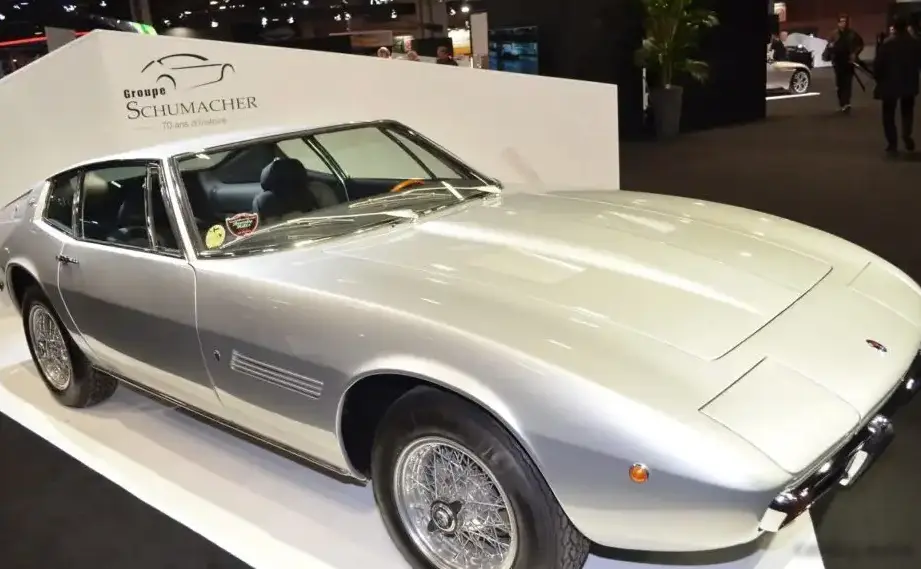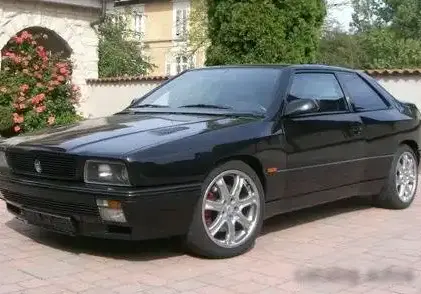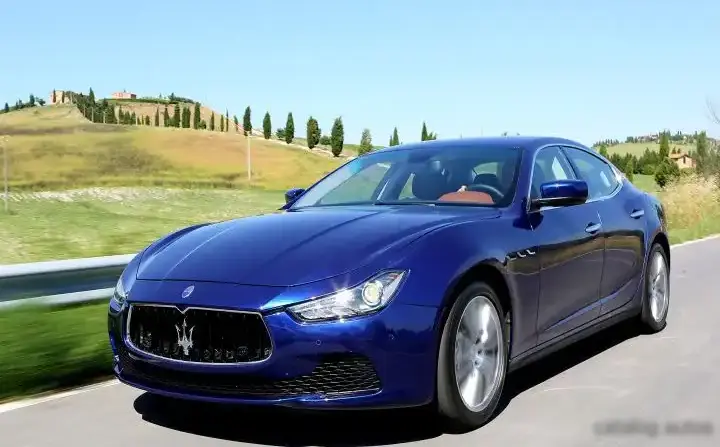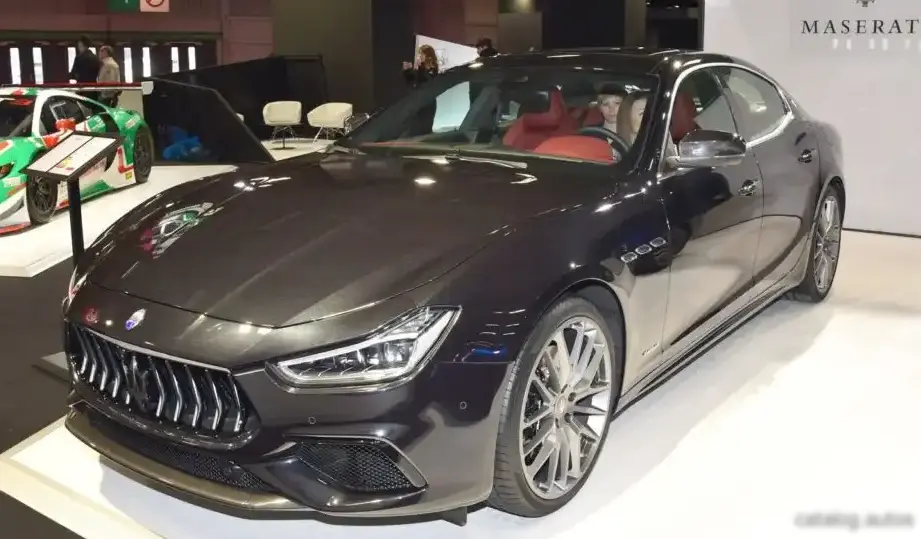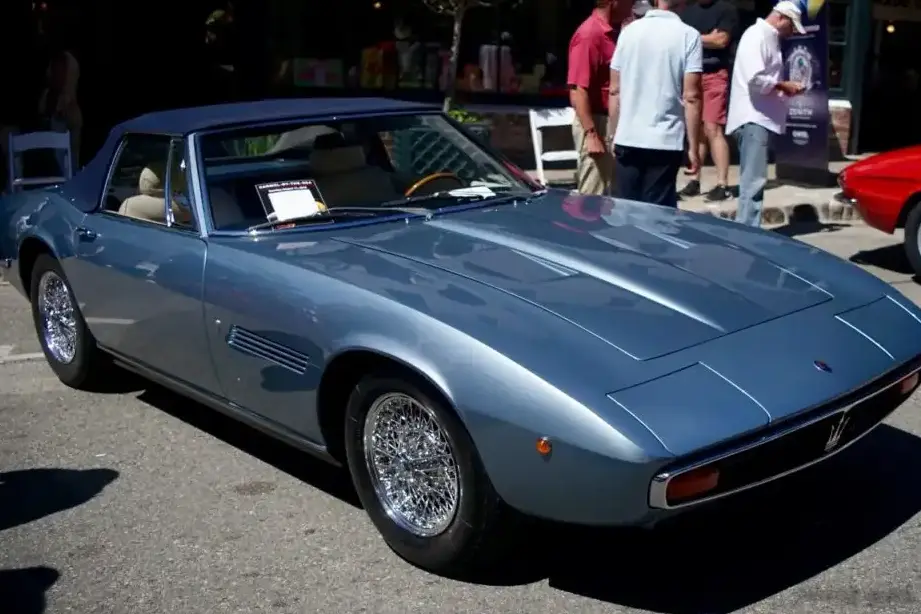
The Maserati Ghibli I Spyder (AM115), produced between 1969 and 1973, represents a pivotal moment in the storied Italian manufacturer’s history. This open-top variant of the Ghibli, designed by the renowned firm of Ghia under the direction of Giorgetto Giugiaro, offered a more accessible and emotionally engaging experience compared to the coupe. It was positioned as a luxurious and high-performance grand tourer, aimed at buyers who desired open-air motoring without sacrificing Italian style or a powerful engine. The Spyder shared the same 1HX0 chassis as the coupe, but with modifications to accommodate the convertible body style, and was a relatively limited production model, adding to its exclusivity.
Technical Specifications
| Brand | Maserati |
| Model | Ghibli |
| Generation | Ghibli I Spyder (AM115) |
| Type (Engine) | 4.7 V8 (330 Hp) |
| Start of production | 1969 |
| End of production | 1973 |
| Powertrain Architecture | Internal Combustion engine |
| Body type | Roadster |
| Seats | 2 |
| Doors | 2 |
| Fuel Type | Petrol (Gasoline) |
| Maximum speed | 265 km/h (164.66 mph) |
| Weight-to-power ratio | 5 kg/Hp, 198.8 Hp/tonne |
| Weight-to-torque ratio | 3.8 kg/Nm, 265.7 Nm/tonne |
| Power | 330 Hp @ 5000 rpm |
| Power per litre | 69.9 Hp/l |
| Torque | 441 Nm @ 4000 rpm (325.26 lb.-ft. @ 4000 rpm) |
| Engine layout | Front, Longitudinal |
| Engine Model/Code | AM115/S |
| Engine displacement | 4719 cm3 (287.97 cu. in.) |
| Number of cylinders | 8 |
| Engine configuration | V-engine |
| Cylinder Bore | 94 mm (3.7 in.) |
| Piston Stroke | 85 mm (3.35 in.) |
| Compression ratio | 8.5:1 |
| Number of valves per cylinder | 2 |
| Fuel injection system | Carburettor |
| Engine aspiration | Naturally aspirated engine |
| Valvetrain | DOHC |
| Engine oil capacity | 13 l (13.74 US qt | 11.44 UK qt) |
| Coolant | 14 l (14.79 US qt | 12.32 UK qt) |
| Kerb Weight | 1660 kg (3659.67 lbs.) |
| Max. weight | 1830 kg (4034.46 lbs.) |
| Max load | 170 kg (374.79 lbs.) |
| Trunk (boot) space – minimum | 510 l (18.01 cu. ft.) |
| Fuel tank capacity | 100 l (26.42 US gal | 22 UK gal) |
| Length | 4699 mm (185 in.) |
| Width | 1788 mm (70.39 in.) |
| Height | 1158 mm (45.59 in.) |
| Wheelbase | 2548 mm (100.31 in.) |
| Front track | 1438 mm (56.61 in.) |
| Rear (Back) track | 1420 mm (55.91 in.) |
| Drivetrain Architecture | The Internal combustion engine (ICE) drives the rear wheels of the vehicle. |
| Drive wheel | Rear wheel drive |
| Number of gears and type of gearbox | 5 gears, manual transmission |
| Front suspension | Independent coil spring, Transverse stabilizer |
| Rear suspension | Independent coil spring, Transverse stabilizer |
| Front brakes | Disc |
| Rear brakes | Disc |
| Steering type | Cone worm with recirculation balls |
| Wheel rims size | 7.5J x 15 |
Powertrain & Engine Architecture
The heart of the Ghibli Spyder is the AM115/S engine, a 4.7-liter, naturally aspirated V8. This engine, derived from the earlier 4.7-liter V8 used in the Quattroporte, was renowned for its smooth power delivery and distinctive exhaust note. It featured a 90-degree V-angle, a cast iron block, and aluminum cylinder heads. The engine utilized a single overhead camshaft (SOHC) design per bank, operating two valves per cylinder. Fuel delivery was managed by four Weber 38 DCOE carburetors, a relatively archaic system by modern standards, but one that contributed to the engine’s character. The engine produced 330 horsepower at 5,000 rpm and 441 Nm (325 lb-ft) of torque at 4,000 rpm. The transmission was a five-speed manual, providing a direct connection between the driver and the potent V8. The engine was mounted longitudinally in the front of the car, driving the rear wheels.
Driving Characteristics
The Ghibli Spyder, with its 330 horsepower and relatively lightweight construction (around 3,660 pounds), offered exhilarating performance for its time. Acceleration to 60 mph was achieved in approximately 5.8 seconds, and it could reach a top speed of 165 mph. The five-speed manual transmission allowed for precise control, although the carburetor setup meant that throttle response wasn’t as immediate as with fuel injection. The Spyder’s handling was generally considered good, thanks to its independent suspension and well-balanced chassis. However, it wasn’t a particularly nimble car by modern standards, and required a skilled driver to exploit its full potential. The open-top configuration added a degree of chassis flex compared to the coupe, but this was generally not a significant issue.
Equipment & Trim Levels
The Ghibli Spyder was a luxury car, and as such, came standard with a generous array of features. Leather upholstery was standard, as were power windows, and a wood-rimmed steering wheel. Air conditioning was a popular option. The dashboard layout was typically Italian, with a focus on elegance and functionality. Instrumentation included a speedometer, tachometer, and gauges for oil pressure, water temperature, and fuel level. Options included a radio, power steering, and a limited-slip differential. Interior color combinations were largely customizable, allowing buyers to personalize their vehicles. The Spyder was generally offered in a single, well-equipped trim level, with options being the primary means of customization.
Chassis & Braking
The Ghibli Spyder utilized a steel unibody construction, providing a solid and durable platform. The suspension consisted of independent coil springs and wishbones at all four corners, with a transverse stabilizer bar to reduce body roll. Braking was handled by disc brakes on all four wheels, providing ample stopping power for the car’s performance capabilities. Steering was via a cone worm and recirculating ball system, which offered a good balance of feel and precision. The Spyder’s chassis was designed to provide a comfortable ride while still maintaining good handling characteristics.
Market Reception & Comparison
The Ghibli Spyder was well-received by automotive critics and enthusiasts alike. It was praised for its stunning design, powerful engine, and luxurious interior. However, its high price tag limited its appeal to a relatively small segment of the market. Compared to the Ghibli coupe, the Spyder offered a more open and engaging driving experience, but at the cost of some structural rigidity. Compared to other grand tourers of the era, such as the Jaguar E-Type and the Mercedes-Benz SL, the Ghibli Spyder offered a unique blend of Italian style, performance, and luxury. Fuel economy was unsurprisingly poor, typical for a large-displacement V8 of the period.
Legacy
The Maserati Ghibli I Spyder remains a highly sought-after classic car today. Its beautiful design, powerful engine, and limited production numbers have made it a collector’s item. The AM115 engine, while not known for its exceptional reliability, is generally considered robust when properly maintained. Common issues include carburetor problems and oil leaks. Parts availability can be challenging, but a dedicated network of specialists exists to support owners. The Ghibli Spyder represents a high point in Maserati’s history, and continues to be admired for its timeless elegance and exhilarating performance. A well-maintained example can command a significant price on the classic car market, reflecting its enduring appeal.