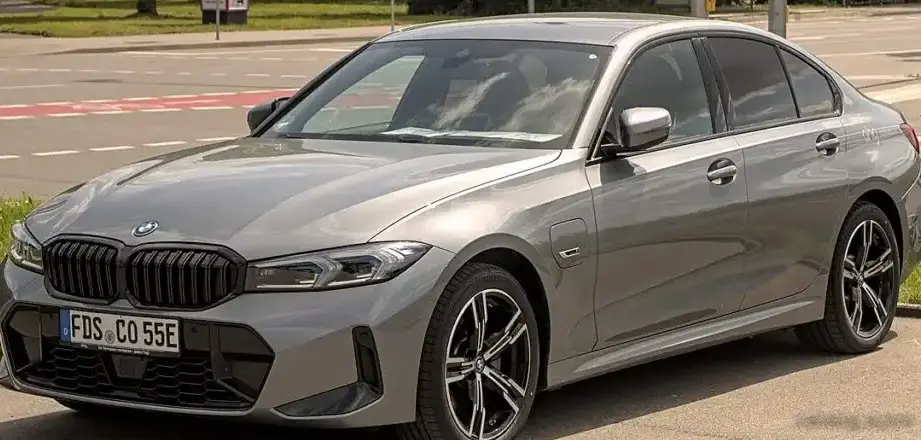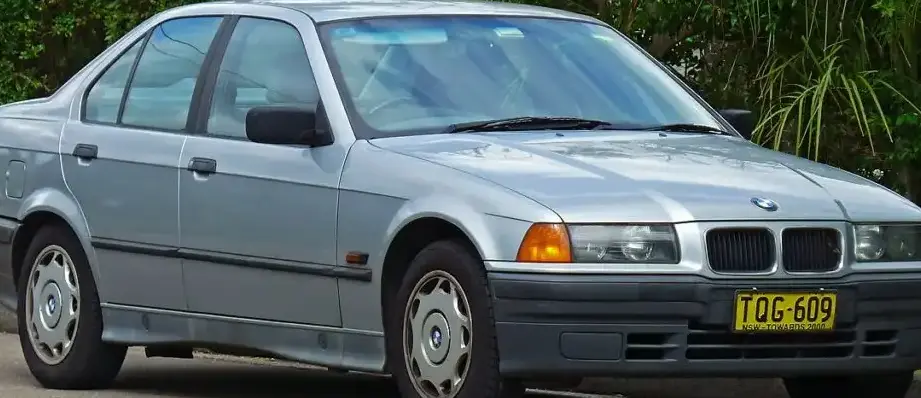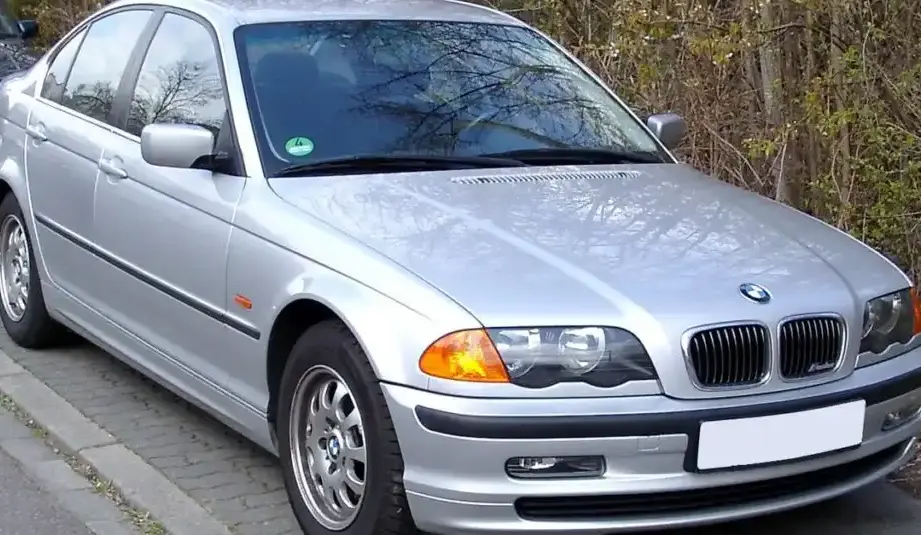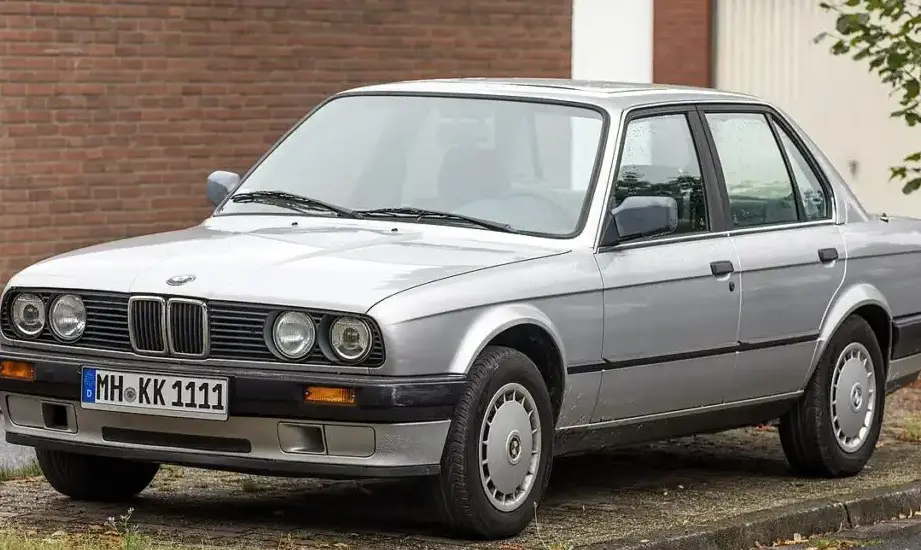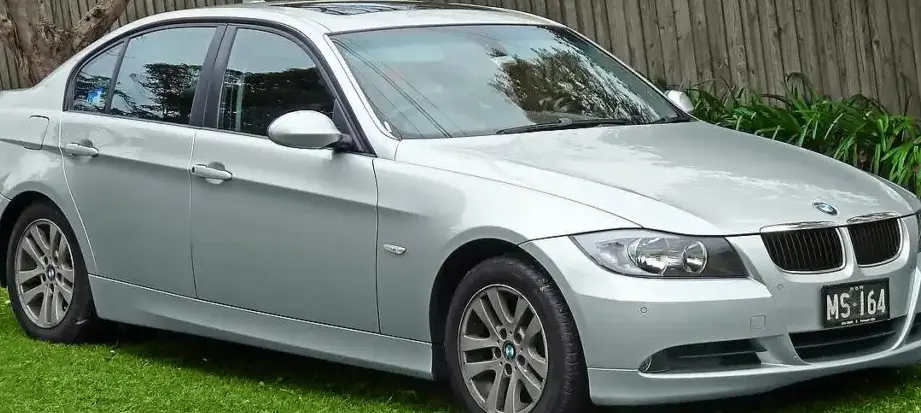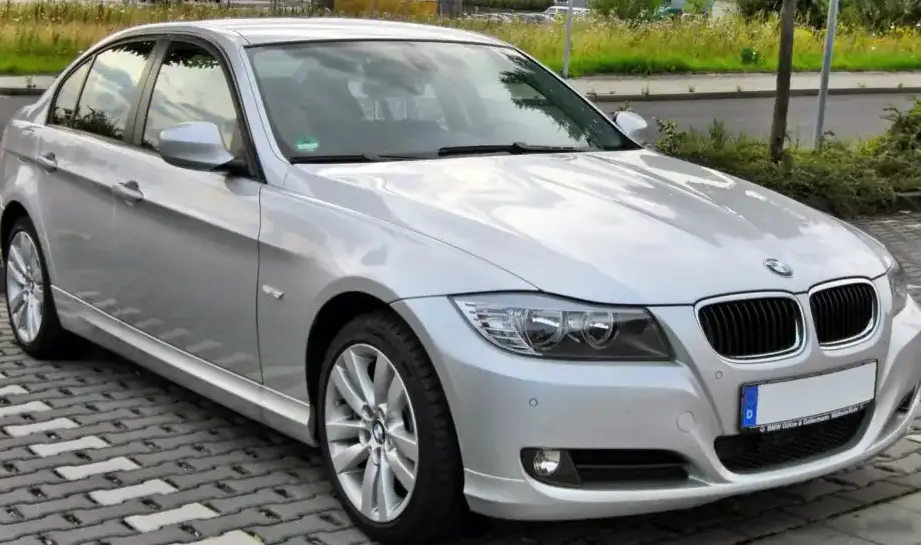
The BMW 3 Series Sedan (E90 LCI), specifically the 320d variant with 184 horsepower, represents a significant iteration of BMW’s iconic sports sedan. Introduced with the Life Cycle Impulse (LCI) facelift in 2008 for the 2009 model year and continuing through 2010, this version aimed to refine the E90’s aesthetics and enhance its efficiency. The 320d occupied a crucial position in the 3 Series lineup, serving as the entry-level diesel option, appealing to buyers prioritizing fuel economy and reasonable performance. It was positioned below the more powerful 330d and 335d models, offering a balance between cost and capability within the broader E90 range.
Technical Specifications
| Brand | BMW |
| Model | 3 Series |
| Generation | 3 Series Sedan (E90 LCI, facelift 2008) |
| Type (Engine) | 320d (184 Hp) |
| Start of production | 2009 year |
| End of production | 2010 year |
| Powertrain Architecture | Internal Combustion engine |
| Body type | Sedan |
| Seats | 5 |
| Doors | 4 |
| Fuel consumption (economy) – urban | 5.9 l/100 km (39.9 US mpg, 47.9 UK mpg, 16.9 km/l) |
| Fuel consumption (economy) – extra urban | 4 l/100 km (58.8 US mpg, 70.6 UK mpg, 25 km/l) |
| Fuel consumption (economy) – combined | 4.7 l/100 km (50 US mpg, 60.1 UK mpg, 21.3 km/l) |
| CO2 emissions | 125 g/km |
| Fuel Type | Diesel |
| Acceleration 0 – 100 km/h | 7.5 sec |
| Acceleration 0 – 62 mph | 7.5 sec |
| Acceleration 0 – 60 mph | 7.1 sec |
| Maximum speed | 235 km/h (146.02 mph) |
| Emission standard | Euro 5 |
| Weight-to-power ratio | 7.7 kg/Hp, 129.6 Hp/tonne |
| Weight-to-torque ratio | 3.7 kg/Nm, 267.6 Nm/tonne |
| Power | 184 Hp @ 4000 rpm |
| Torque | 380 Nm @ 1900-2750 rpm (280.27 lb.-ft. @ 1900-2750 rpm) |
| Engine layout | Front, Longitudinal |
| Engine Model/Code | N47D20C |
| Engine displacement | 1995 cm3 (121.74 cu. in.) |
| Number of cylinders | 4 |
| Engine configuration | Inline |
| Cylinder Bore | 84 mm (3.31 in.) |
| Piston Stroke | 90 mm (3.54 in.) |
| Compression ratio | 16.5:1 |
| Number of valves per cylinder | 4 |
| Fuel injection system | Diesel Commonrail |
| Engine aspiration | Turbocharger, Intercooler |
| Engine oil capacity | 5.2 l (5.49 US qt | 4.58 UK qt) |
| Coolant | 7.5 l (7.93 US qt | 6.6 UK qt) |
| Kerb Weight | 1420 kg (3130.56 lbs.) |
| Max. weight | 1940 kg (4276.97 lbs.) |
| Max load | 520 kg (1146.4 lbs.) |
| Trunk (boot) space – minimum | 460 l (16.24 cu. ft.) |
| Fuel tank capacity | 61 l (16.11 US gal | 13.42 UK gal) |
| Max. roof load | 75 kg (165.35 lbs.) |
| Permitted trailer load with brakes (12%) | 1600 kg (3527.4 lbs.) |
| Permitted trailer load without brakes | 745 kg (1642.44 lbs.) |
| Permitted towbar download | 75 kg (165.35 lbs.) |
| Length | 4531 mm (178.39 in.) |
| Width | 1817 mm (71.54 in.) |
| Height | 1421 mm (55.94 in.) |
| Wheelbase | 2760 mm (108.66 in.) |
| Front track | 1506 mm (59.29 in.) |
| Rear (Back) track | 1535 mm (60.43 in.) |
| Ride height (ground clearance) | 144 mm (5.67 in.) |
| Drag coefficient (Cd) | 0.27 |
| Minimum turning circle (turning diameter) | 11.0 m (36.09 ft.) |
| Drivetrain Architecture | The Internal combustion engine (ICE) drives the rear wheels of the vehicle. |
| Drive wheel | Rear wheel drive |
| Number of gears and type of gearbox | 6 gears, manual transmission |
| Front suspension | Independent coil spring |
| Rear suspension | Independent multi-link suspension |
| Front brakes | Ventilated discs |
| Rear brakes | Ventilated discs |
| Assisting systems | ABS (Anti-lock braking system) |
| Steering type | Steering rack and pinion |
| Power steering | Electric Steering |
| Tires size | 205/55 R16 91V |
| Wheel rims size | 7J x 16 |
Powertrain & Engine Architecture
The heart of the 320d LCI is the N47D20C, a 2.0-liter inline-four diesel engine. This engine represented a significant advancement in diesel technology for BMW, featuring common-rail direct injection and a variable geometry turbocharger. The common-rail system, operating at extremely high pressures, allowed for precise fuel metering and optimized combustion. The turbocharger, with its adjustable vanes, provided a broad torque curve and minimized turbo lag. The N47 engine family was known for its relatively complex design, incorporating features like a timing chain running in oil and piezoelectric injectors. The 6-speed manual transmission was standard, offering precise shifts and a direct connection to the engine. While an automatic transmission was available, the manual was favored by enthusiasts for its improved responsiveness.
Driving Characteristics
The 320d LCI, equipped with the manual transmission, offered a surprisingly engaging driving experience. While not as overtly powerful as the 330d, the 320d delivered ample torque from low engine speeds, making it well-suited for everyday driving and overtaking maneuvers. The 0-60 mph time of around 7.1 seconds was respectable for a diesel sedan of its era. The gear ratios were well-chosen, providing good acceleration in each gear. Compared to the higher-output models, the 320d felt more balanced and less prone to understeer. The manual transmission allowed for greater driver control, while the automatic, though smooth, could feel somewhat hesitant at times.
Equipment & Trim Levels
The 320d LCI typically came standard with features such as automatic climate control, power windows and mirrors, a multi-function steering wheel, and a basic audio system. The LCI facelift brought subtle interior revisions, including updated trim materials and improved switchgear. Optional extras included leather upholstery, a premium sound system, navigation, and parking sensors. Sport packages added features like sport seats, a sport suspension, and unique alloy wheels. The interior design was functional and driver-focused, with a clear and intuitive layout.
Chassis & Braking
The E90 3 Series featured a sophisticated chassis design, with independent suspension at all four wheels. The front suspension utilized MacPherson struts, while the rear employed a multi-link setup. This configuration provided a good balance between ride comfort and handling precision. The 320d LCI typically came equipped with ventilated disc brakes on all four wheels, providing ample stopping power. ABS (Anti-lock Braking System) was standard, enhancing safety and stability. The steering was precise and well-weighted, offering good feedback to the driver.
Market Reception & Comparison
The 320d LCI was generally well-received by automotive critics. It was praised for its fuel efficiency, comfortable ride, and engaging handling. However, some critics noted that the engine could be somewhat noisy under hard acceleration. Compared to the 330d, the 320d offered a more affordable entry point into the 3 Series range, but at the expense of outright performance. In terms of reliability, the N47 engine family had a mixed reputation, with some owners reporting issues with the timing chain and injectors. However, many 320d LCI models have proven to be durable and reliable with proper maintenance.
Legacy
The BMW 320d LCI (E90) remains a popular choice in the used car market. Its combination of fuel efficiency, practicality, and driving enjoyment continues to appeal to a wide range of buyers. While the N47 engine requires diligent maintenance, it is generally considered a robust and capable powerplant. The E90 3 Series, as a whole, is regarded as a benchmark for sports sedans, and the 320d LCI represents a well-rounded and refined iteration of this iconic model. Its enduring appeal is a testament to BMW’s engineering prowess and its commitment to creating vehicles that are both enjoyable to drive and efficient to operate.