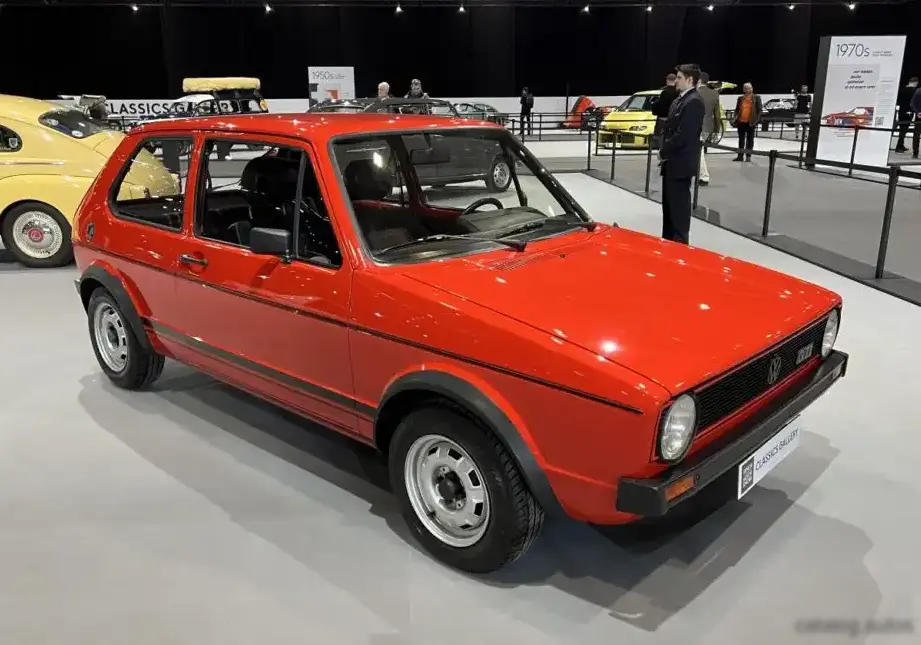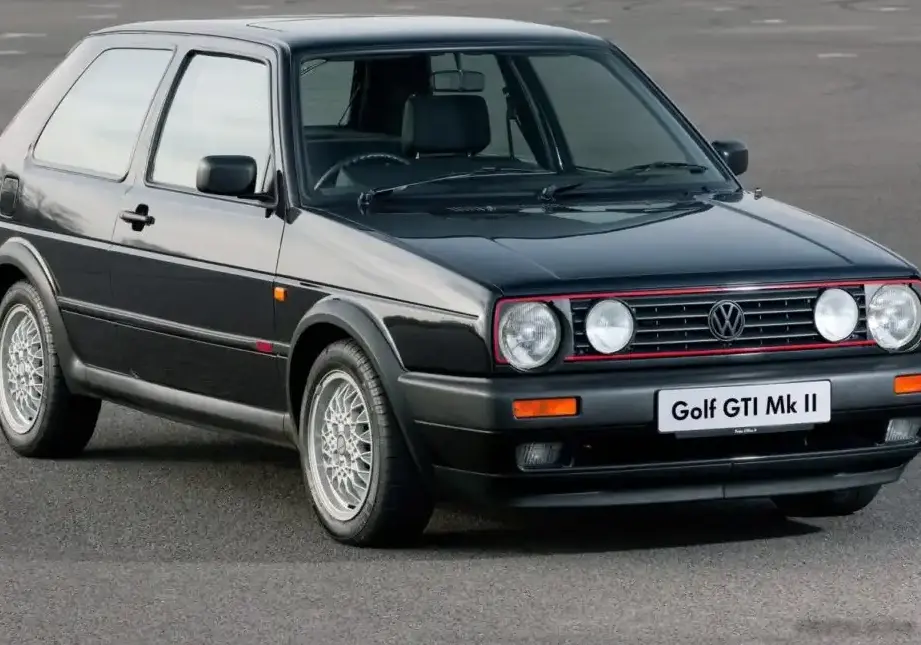
The Volkswagen Golf II 1.6 TD, specifically the 3-door facelift model produced from 1987 to 1991, represented a pragmatic and fuel-efficient option within the broader Golf II range. Positioned as an entry-level diesel variant, it catered to buyers prioritizing economy and practicality over outright performance. This model occupied a key space in the European market, where diesel engines were – and continue to be – highly favored for their fuel efficiency and durability. The Golf II, as a whole, was a hugely successful vehicle, building upon the original Golf’s reputation and solidifying Volkswagen’s position as a major automotive manufacturer. The 1987 facelift brought subtle but important styling updates, improving the car’s aesthetics and aerodynamics.
Technical Specifications
| Brand | Volkswagen |
| Model | Golf |
| Generation | Golf II (3-door, facelift 1987) |
| Type (Engine) | 1.6 TD (70 Hp) |
| Start of production | 1987 |
| End of production | 1991 |
| Powertrain Architecture | Internal Combustion engine |
| Body type | Hatchback |
| Seats | 5 |
| Doors | 3 |
| Fuel consumption (urban) | 6.3 l/100 km (37.3 US mpg, 44.8 UK mpg, 15.9 km/l) |
| Fuel consumption (extra urban) | 4.3 l/100 km (54.7 US mpg, 65.7 UK mpg, 23.3 km/l) |
| Fuel Type | Diesel |
| Acceleration 0 – 100 km/h | 14.5 sec |
| Acceleration 0 – 62 mph | 14.5 sec |
| Acceleration 0 – 60 mph | 13.8 sec |
| Maximum speed | 160 km/h (99.42 mph) |
| Weight-to-power ratio | 13.7 kg/Hp, 72.9 Hp/tonne |
| Weight-to-torque ratio | 7.2 kg/Nm, 138.5 Nm/tonne |
| Power | 70 Hp @ 4500 rpm |
| Power per litre | 44.1 Hp/l |
| Torque | 133 Nm @ 2500-2900 rpm (98.1 lb.-ft. @ 2500-2900 rpm) |
| Engine layout | Front, Transverse |
| Engine Model/Code | JR |
| Engine displacement | 1588 cm3 (96.91 cu. in.) |
| Number of cylinders | 4 |
| Engine configuration | Inline |
| Cylinder Bore | 76.5 mm (3.01 in.) |
| Piston Stroke | 86.4 mm (3.4 in.) |
| Compression ratio | 23:1 |
| Number of valves per cylinder | 2 |
| Fuel injection system | Precombustion chamber injection |
| Engine aspiration | Turbocharger |
| Valvetrain | SOHC |
| Engine oil capacity | 4.5 l (4.76 US qt | 3.96 UK qt) |
| Coolant | 6.3 l (6.66 US qt | 5.54 UK qt) |
| Kerb Weight | 960 kg (2116.44 lbs.) |
| Max. weight | 1465 kg (3229.77 lbs.) |
| Max load | 505 kg (1113.33 lbs.) |
| Trunk (boot) space – minimum | 330 l (11.65 cu. ft.) |
| Trunk (boot) space – maximum | 1145 l (40.44 cu. ft.) |
| Fuel tank capacity | 55 l (14.53 US gal | 12.1 UK gal) |
| Permitted trailer load with brakes (12%) | 1000 kg (2204.62 lbs.) |
| Permitted trailer load without brakes | 490 kg (1080.27 lbs.) |
| Length | 3985-4040 mm (156.89 – 159.06 in.) |
| Width | 1665-1680 mm (65.55 – 66.14 in.) |
| Height | 1415 mm (55.71 in.) |
| Wheelbase | 2475 mm (97.44 in.) |
| Front track | 1427 mm (56.18 in.) |
| Rear (Back) track | 1422 mm (55.98 in.) |
| Drag coefficient (Cd) | 0.34 |
| Minimum turning circle | 10.5 m (34.45 ft.) |
| Drivetrain Architecture | The Internal combustion engine (ICE) drives the front wheels of the vehicle. |
| Drive wheel | Front wheel drive |
| Number of gears and type of gearbox | 5 gears, manual transmission |
| Front suspension | Independent type McPherson |
| Rear suspension | Elastic beam |
| Front brakes | Disc |
| Rear brakes | Drum |
| Steering type | Steering rack and pinion |
| Tires size | 175/70 R13; 185/60 R14 |
| Wheel rims size | 5.5J x 13; 6J x 14 |
INTRODUCTION
The Volkswagen Golf II 1.6 TD, produced between 1987 and 1991, was a key variant in the second generation of Volkswagen’s iconic hatchback. The Golf II, designated internally as the 19E series, represented a significant evolution over the original Golf (Mk1), offering increased interior space, improved refinement, and a more modern design. The 1.6 TD model, with its turbocharged diesel engine, was specifically aimed at buyers seeking a fuel-efficient and reliable vehicle for everyday use. The 3-door body style, combined with the diesel engine, made it a particularly popular choice in Europe, where smaller cars and diesel power were prevalent. This variant sat below the more powerful gasoline-powered Golfs in the lineup, and also below the more expensive diesel models like the 1.9 TDI that would arrive later.
Powertrain & Engine Architecture
The heart of the Golf II 1.6 TD is the JR engine code, a 1.6-liter inline-four cylinder diesel engine. This engine utilized a precombustion chamber injection system, a common technology for diesel engines of the era. This system involved injecting fuel into a small precombustion chamber within the cylinder head, where it was partially ignited before entering the main combustion chamber. This improved combustion efficiency and reduced engine noise. The engine was turbocharged, boosting power output to 70 horsepower at 4500 rpm and 133 Nm (98.1 lb-ft) of torque between 2500 and 2900 rpm. The turbocharger, though relatively small by modern standards, significantly improved the engine’s responsiveness and overall performance. The engine featured a single overhead camshaft (SOHC) valvetrain operating two valves per cylinder. The engine was transversely mounted, driving the front wheels. The transmission was a five-speed manual gearbox, chosen for its efficiency and simplicity. While an automatic transmission was available on some Golf II models, it was not typically paired with the 1.6 TD engine due to the torque characteristics of the diesel and the limitations of the available automatic transmissions at the time.
Driving Characteristics
The Golf II 1.6 TD was not a performance car. Its focus was on fuel economy and usability. Acceleration from 0 to 60 mph took around 13.8 seconds, and top speed was limited to 99.42 mph. However, the engine’s torque delivery made it surprisingly capable in everyday driving situations. The turbocharger provided a noticeable boost in power, particularly when overtaking or climbing hills. The five-speed manual transmission allowed drivers to keep the engine in its optimal power band. Compared to the gasoline-powered Golfs, the 1.6 TD offered significantly better fuel economy, but at the expense of outright speed. Compared to the later 1.9 TDI models, the 1.6 TD was less powerful and refined, but it was also simpler and generally less expensive to maintain. The suspension, while comfortable, was not particularly sporty, prioritizing ride quality over handling precision.
Equipment & Trim Levels
The 1.6 TD typically came with a relatively basic level of equipment, reflecting its position as an entry-level model. Standard features included cloth upholstery, a basic instrument cluster, and manual windows and door locks. Optional extras included power windows, central locking, a sunroof, and upgraded audio systems. The interior trim was typically functional and durable, with a focus on practicality rather than luxury. The 1987 facelift brought some minor interior updates, including a revised dashboard design and improved seat fabrics.
Chassis & Braking
The Golf II 1.6 TD utilized an independent McPherson strut suspension at the front and an elastic beam suspension at the rear. This setup provided a good balance between ride comfort and handling. The front brakes were disc brakes, while the rear brakes were drum brakes. This configuration was typical for cars in this class at the time. The steering was a rack and pinion system, providing precise and responsive steering feel. The car rode on either 175/70 R13 or 185/60 R14 tires, depending on the trim level and optional equipment.
Market Reception & Comparison
The Golf II 1.6 TD was generally well-received by critics and buyers alike. It was praised for its fuel efficiency, reliability, and practicality. However, some critics noted its lack of performance and refinement compared to more expensive models. Compared to other diesel-powered cars in its class, the Golf II 1.6 TD offered a good balance of features and price. It was a popular choice for fleet buyers and private individuals looking for a dependable and economical vehicle. Fuel economy was a major selling point, with the car achieving around 54.7 US mpg on the extra-urban cycle.
Legacy
The Golf II 1.6 TD has proven to be a remarkably durable and reliable vehicle. Many examples are still on the road today, a testament to the quality of its engineering and construction. The JR engine, while not particularly powerful, is known for its longevity and relatively simple maintenance requirements. In the used car market, the Golf II 1.6 TD remains a popular choice for those seeking a classic and affordable vehicle. Its simplicity and fuel efficiency make it an attractive option for those looking for a practical and economical car. However, potential buyers should be aware of the age-related issues common to older vehicles, such as rust and wear and tear on suspension components.