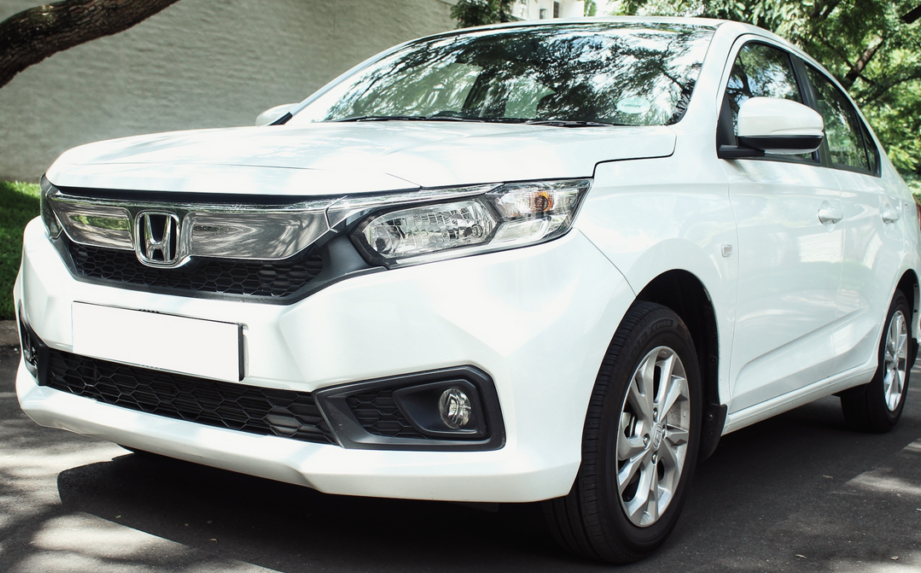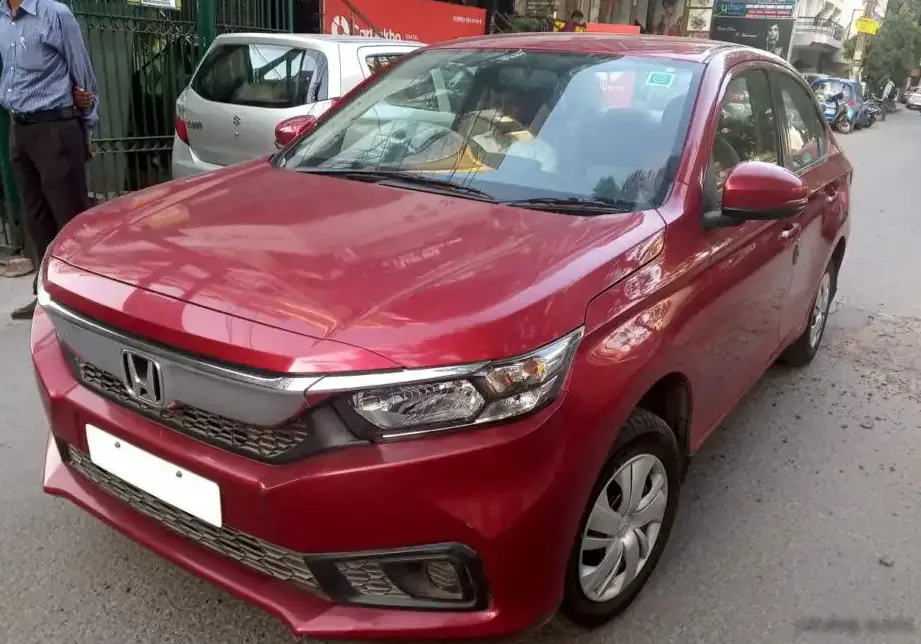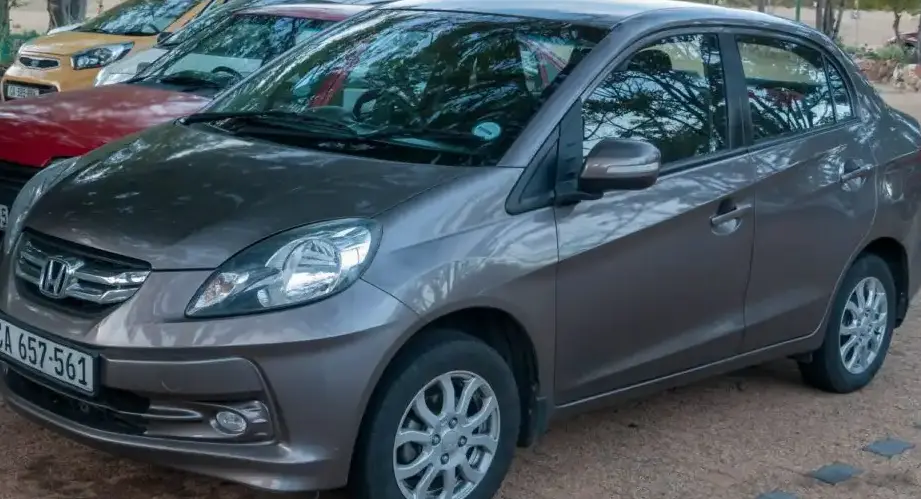
The Honda Amaze, launched in 2013, represented Honda’s entry into the burgeoning sub-compact sedan market, particularly aimed at price-sensitive buyers in developing nations like India and Thailand. The first generation Amaze (internally designated as the 2nd generation Brio platform) was a significant vehicle for Honda, offering a practical and affordable option with Honda’s reputation for reliability. The 1.2-liter 88 horsepower automatic variant, produced from 2013 to 2016, occupied the mid-range position in the Amaze lineup, offering a balance between affordability and convenience. It was positioned above the base manual transmission models and below the diesel variants, catering to customers prioritizing ease of driving over outright performance or fuel economy.
Technical Specifications
| Brand | Honda |
| Model | Amaze |
| Generation | Amaze I |
| Type (Engine) | 1.2 (88 Hp) Automatic |
| Start of production | 2013 |
| End of production | 2016 |
| Powertrain Architecture | Internal Combustion engine |
| Body type | Sedan |
| Seats | 5 |
| Doors | 4 |
| Fuel consumption (combined) | 6.5 l/100 km (36.2 US mpg, 43.5 UK mpg, 15.4 km/l) |
| Fuel Type | Petrol (Gasoline) |
| Weight-to-power ratio | 11.4 kg/Hp, 87.6 Hp/tonne |
| Weight-to-torque ratio | 9.2 kg/Nm, 108.5 Nm/tonne |
| Power | 88 Hp @ 6000 rpm |
| Power per litre | 73.5 Hp/l |
| Torque | 109 Nm @ 4500 rpm (80.39 lb.-ft. @ 4500 rpm) |
| Engine Model/Code | L12B3 |
| Engine displacement | 1198 cm3 (73.11 cu. in.) |
| Number of cylinders | 4 |
| Engine configuration | Inline |
| Engine aspiration | Naturally aspirated engine |
| Engine oil capacity | 3.2 l (3.38 US qt | 2.82 UK qt) |
| Kerb Weight | 1005-1010 kg (2215.65 – 2226.67 lbs.) |
| Trunk (boot) space | 400 l (14.13 cu. ft.) |
| Fuel tank capacity | 35 l (9.25 US gal | 7.7 UK gal) |
| Length | 3990 mm (157.09 in.) |
| Width | 1680 mm (66.14 in.) |
| Height | 1505 mm (59.25 in.) |
| Wheelbase | 2405 mm (94.69 in.) |
| Ride height (ground clearance) | 165 mm (6.5 in.) |
| Minimum turning circle | 9.4 m (30.84 ft.) |
| Drivetrain Architecture | Front wheel drive, Internal Combustion engine (ICE) |
| Number of gears and type of gearbox | 5 gears, automatic transmission |
| Front suspension | Independent type McPherson |
| Rear suspension | Torsion |
| Front brakes | Disc |
| Rear brakes | Drum |
| Assisting systems | ABS (Anti-lock braking system) |
| Steering type | Steering rack and pinion |
| Power steering | Electric Steering |
| Tires size | 175/65 R14 |
| Wheel rims size | 14 |
Powertrain & Engine Architecture
The heart of the Amaze 1.2 Automatic is the L12B3 engine, a 1.2-liter inline-four cylinder petrol engine. This engine is a member of Honda’s ‘Earth Dreams’ technology series, focusing on efficiency and reduced friction. It features a single overhead camshaft (SOHC) design, utilizing Honda’s i-VTEC (Variable Valve Timing and Lift Electronic Control) system for improved performance and fuel economy across the rev range. The i-VTEC system adjusts valve timing and lift based on engine speed and load, optimizing combustion efficiency. Fuel delivery is managed by a port fuel injection system. The engine’s relatively modest output of 88 hp at 6000 rpm and 109 Nm (80.39 lb-ft) of torque at 4500 rpm is a result of its small displacement and focus on fuel efficiency. The engine is paired with a 5-speed automatic transmission, a conventional torque converter type. This transmission was chosen for its smoothness and affordability, rather than for sporty performance.
Driving Characteristics
The 1.2L automatic Amaze delivers a comfortable, if not particularly exciting, driving experience. The automatic transmission prioritizes smooth shifts and ease of use, making it ideal for urban commuting. Acceleration is adequate for everyday driving, but the engine feels strained when attempting brisk overtaking maneuvers or climbing steep hills. The gear ratios are tuned for fuel economy, meaning the engine often operates at higher RPMs during acceleration. Compared to the 5-speed manual version of the same engine, the automatic suffers a slight performance penalty due to the transmission’s inherent efficiency losses. The manual transmission offered a more engaging driving experience and slightly better fuel economy, appealing to drivers who prioritized control and responsiveness. The diesel variants, while more expensive, offered significantly more torque and better fuel efficiency, making them a popular choice for long-distance travel.
Equipment & Trim Levels
The 1.2 Automatic trim level typically included standard features such as air conditioning, power steering, power windows, and central locking. Interior upholstery was generally cloth, with a simple and functional dashboard layout. Higher trim levels within the Amaze range offered additional features like alloy wheels, a more sophisticated audio system, and rear parking sensors. Optional extras available for the 1.2 Automatic included a double-DIN audio system with Bluetooth connectivity and a rear parcel shelf. Safety features were relatively basic, typically including ABS (Anti-lock Braking System) and dual front airbags.
Chassis & Braking
The Amaze utilizes a McPherson strut suspension setup at the front, providing a comfortable ride quality. The rear suspension employs a torsion beam axle, a cost-effective solution that offers adequate handling characteristics for its intended purpose. Braking duties are handled by disc brakes at the front and drum brakes at the rear. The drum brakes on the rear were a cost-saving measure, common in this segment. The steering is rack and pinion with electric power assistance, providing light and easy steering feel. The 14-inch wheels were fitted with 175/65 R14 tires, offering a balance between ride comfort and handling.
Market Reception & Comparison
The Honda Amaze 1.2 Automatic was generally well-received by critics as a practical and affordable sub-compact sedan. Reviewers praised its comfortable ride, spacious interior, and Honda’s reputation for reliability. However, the engine’s lack of power and the automatic transmission’s somewhat sluggish performance were common criticisms. Compared to competitors like the Maruti Suzuki Dzire and Hyundai Xcent, the Amaze offered a more refined driving experience and a slightly more premium interior, but at a slightly higher price point. Fuel economy was competitive, but the diesel variants consistently outperformed the petrol automatic in this regard.
Legacy
The L12B3 engine, while not known for being a powerhouse, has proven to be a relatively reliable unit. Properly maintained examples of the Amaze 1.2 Automatic continue to be found on the used car market today. Common issues are generally limited to routine maintenance items such as spark plugs, air filters, and oil leaks. The automatic transmission, while not particularly advanced, is generally durable if serviced regularly. The Amaze’s success paved the way for the second-generation model, which further refined the formula and addressed some of the criticisms leveled at the first generation. The first-generation Amaze remains a popular choice for budget-conscious buyers seeking a reliable and affordable sub-compact sedan.