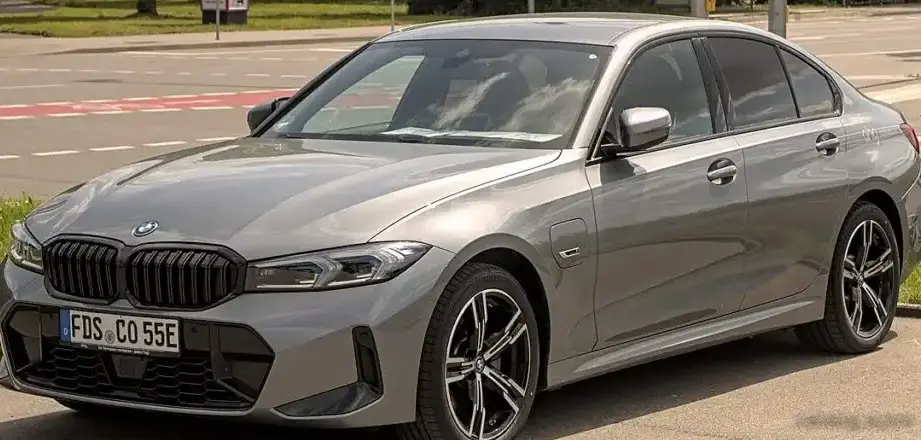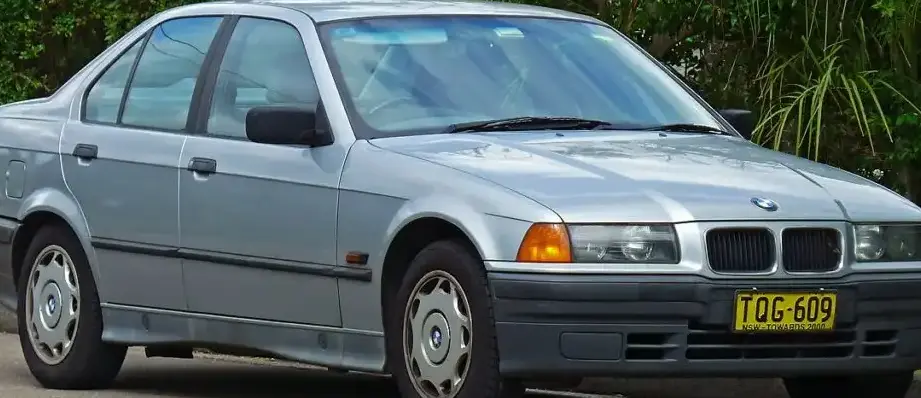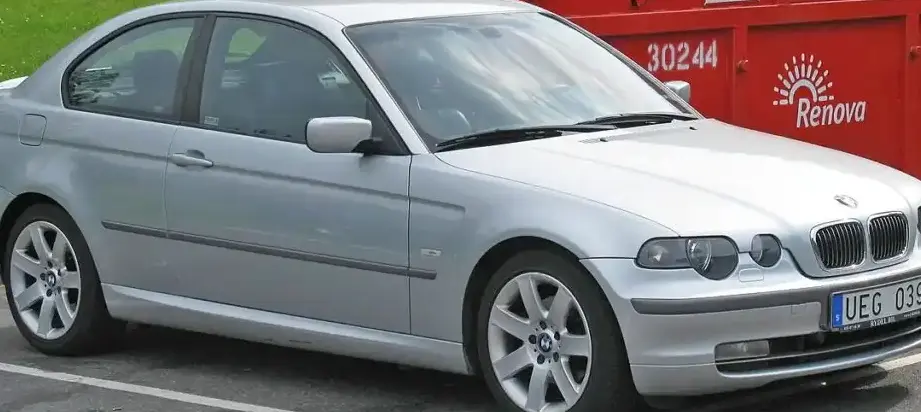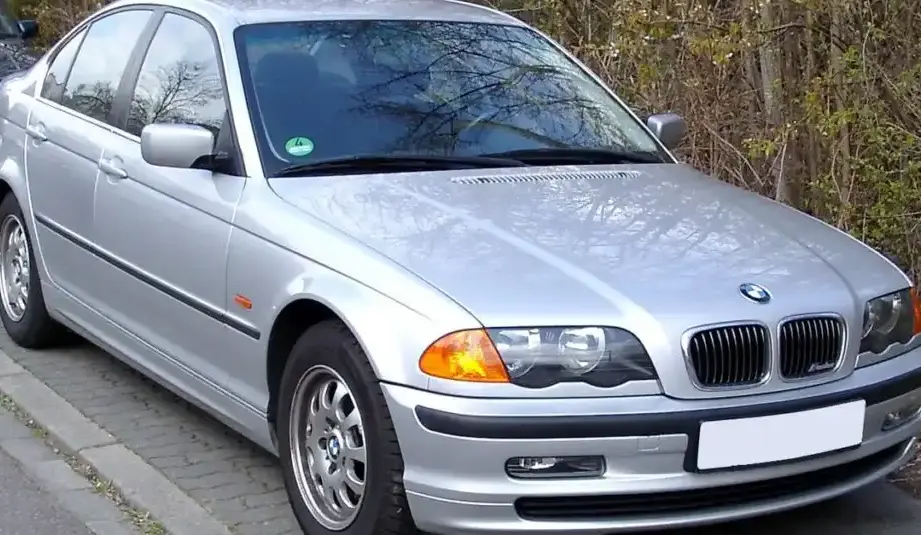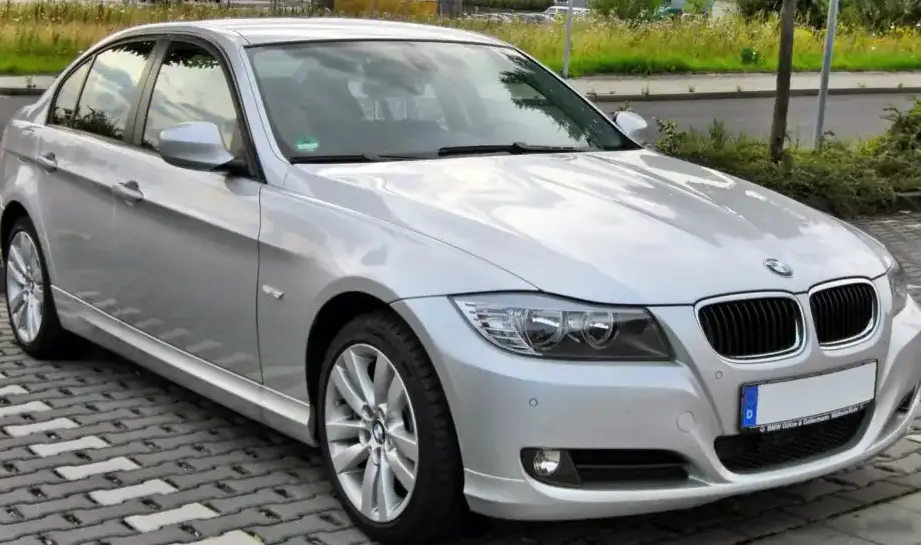
The BMW 3 Series Sedan (E90 LCI), specifically the 330d variant with 245 horsepower, represents a significant evolution of BMW’s iconic sports sedan. Produced from 2009 to 2012, this model was part of the E90’s Life Cycle Impulse (LCI) – a mid-cycle refresh that brought updated styling, improved efficiency, and enhanced technology. The 330d occupied a sweet spot in the 3 Series lineup, offering a compelling blend of performance, fuel economy, and refinement, appealing to buyers seeking a premium driving experience without the higher price tag of the top-tier models like the 335i. It was primarily marketed towards European and international markets where diesel engines were favored, though a limited number were imported into the United States as grey market vehicles.
Technical Specifications
| Brand | BMW |
| Model | 3 Series |
| Generation | 3 Series Sedan (E90 LCI, facelift 2008) |
| Type (Engine) | 330d (245 Hp) |
| Start of production | 2009 |
| End of production | 2012 |
| Powertrain Architecture | Internal Combustion engine |
| Body type | Sedan |
| Seats | 5 |
| Doors | 4 |
| Fuel consumption (urban) | 7.3 l/100 km (32.2 US mpg) |
| Fuel consumption (extra urban) | 4.8 l/100 km (49 US mpg) |
| Fuel consumption (combined) | 5.7 l/100 km (41.3 US mpg) |
| CO2 emissions | 152 g/km |
| Fuel Type | Diesel |
| Acceleration 0 – 100 km/h | 6.1 sec |
| Acceleration 0 – 62 mph | 6.1 sec |
| Acceleration 0 – 60 mph | 5.8 sec |
| Maximum speed | 250 km/h (155.34 mph) |
| Emission standard | Euro 5 |
| Weight-to-power ratio | 6.3 kg/Hp |
| Weight-to-torque ratio | 3 kg/Nm |
| Power | 245 Hp @ 4000 rpm |
| Torque | 520 Nm @ 1750-3000 rpm (383.53 lb.-ft.) |
| Engine layout | Front, Longitudinal |
| Engine Model/Code | N57D30A |
| Engine displacement | 2993 cm3 (182.64 cu. in.) |
| Number of cylinders | 6 |
| Engine configuration | Inline |
| Cylinder Bore | 84 mm (3.31 in.) |
| Piston Stroke | 90 mm (3.54 in.) |
| Compression ratio | 16.5:1 |
| Number of valves per cylinder | 4 |
| Fuel injection system | Diesel Commonrail |
| Engine aspiration | Turbocharger, Intercooler |
| Engine oil capacity | 7.5 l (7.93 US qt | 6.6 UK qt) |
| Coolant | 7.9 l (8.35 US qt | 6.95 UK qt) |
| Kerb Weight | 1535 kg (3384.1 lbs.) |
| Max. weight | 2055 kg (4530.5 lbs.) |
| Max load | 520 kg (1146.4 lbs.) |
| Trunk (boot) space – minimum | 460 l (16.24 cu. ft.) |
| Fuel tank capacity | 61 l (16.11 US gal | 13.42 UK gal) |
| Max. roof load | 75 kg (165.35 lbs.) |
| Permitted trailer load with brakes (12%) | 1800 kg (3968.32 lbs.) |
| Permitted trailer load without brakes | 750 kg (1653.47 lbs.) |
| Permitted towbar download | 75 kg (165.35 lbs.) |
| Length | 4531 mm (178.39 in.) |
| Width | 1817 mm (71.54 in.) |
| Width including mirrors | 1989 mm (78.31 in.) |
| Height | 1421 mm (55.94 in.) |
| Wheelbase | 2760 mm (108.66 in.) |
| Front track | 1500 mm (59.06 in.) |
| Rear (Back) track | 1529 mm (60.2 in.) |
| Ride height (ground clearance) | 144 mm (5.67 in.) |
| Drag coefficient (Cd) | 0.28 |
| Minimum turning circle (turning diameter) | 11.0 m (36.09 ft.) |
| Drivetrain Architecture | Rear wheel drive |
| Number of gears and type of gearbox | 6 gears, manual transmission |
| Front suspension | Independent coil spring |
| Rear suspension | Independent multi-link suspension |
| Front brakes | Ventilated discs |
| Rear brakes | Ventilated discs |
| Assisting systems | ABS (Anti-lock braking system) |
| Steering type | Steering rack and pinion |
| Power steering | Electric Steering |
| Tires size | 225/45 R17 91W |
| Wheel rims size | 8J x 17 |
Powertrain & Engine Architecture
The heart of the 330d LCI is the N57D30A, a 3.0-liter inline-six diesel engine. This engine is a direct descendant of BMW’s highly regarded M57 series, but incorporates significant advancements in technology. Key features include a common rail direct fuel injection system operating at extremely high pressures (1800 bar) for optimized combustion, a variable geometry turbocharger (VGT) for improved responsiveness and power delivery across the rev range, and four valves per cylinder. The N57 engine also utilizes a sophisticated engine management system to control fuel injection, turbocharger boost, and other parameters for optimal performance and efficiency. The 6-speed manual transmission was standard, providing precise gear changes and a direct connection to the engine. While an automatic transmission was available, the manual was favored by enthusiasts for its enhanced driving experience.
Driving Characteristics
The 330d LCI offered a distinctly different driving experience compared to its gasoline-powered siblings. The high torque output of the diesel engine – 520 Nm (383 lb-ft) – was available from a remarkably low 1750 rpm, providing effortless acceleration in everyday driving situations. While not as rev-happy as the 335i, the 330d delivered strong and consistent performance. The 0-60 mph sprint took around 5.8 seconds, making it a genuinely quick sedan. The manual transmission’s gear ratios were well-matched to the engine’s powerband, allowing for smooth and efficient progress. Compared to the 320d, the 330d offered a substantial performance upgrade, while remaining more fuel-efficient than the 335i.
Equipment & Trim Levels
The 330d LCI typically came well-equipped, even in base trim. Standard features included automatic climate control, power windows and mirrors, a multi-function steering wheel, and a basic audio system. The LCI update brought revised interior trim options and updated infotainment systems. Optional extras included leather upholstery, a premium sound system, navigation, parking sensors, and a sunroof. Sport packages added features like sport seats, a sport suspension, and unique exterior styling cues. The interior design was typical BMW – functional, well-built, and focused on the driver.
Chassis & Braking
The E90 3 Series featured a sophisticated chassis design with a MacPherson strut front suspension and a multi-link rear suspension. The 330d’s suspension was tuned to provide a balance between comfort and handling. Ventilated disc brakes were standard on all four wheels, providing ample stopping power. ABS (Anti-lock Braking System) was also standard. The steering was precise and well-weighted, offering good feedback to the driver. The chassis was relatively lightweight, contributing to the car’s agile handling characteristics.
Market Reception & Comparison
The 330d LCI was generally well-received by automotive critics. It was praised for its strong performance, excellent fuel economy, and refined driving experience. Compared to the 320d, the 330d offered a significant power boost without sacrificing fuel efficiency. Against the 335i, it provided a more economical alternative, albeit with slightly less outright performance. Reliability was generally good, although some owners reported issues with the diesel particulate filter (DPF) and the fuel injection system.
Legacy
The BMW 330d (E90 LCI) remains a popular choice in the used car market. Its combination of performance, efficiency, and build quality has ensured its longevity. The N57 engine is known for its durability, although regular maintenance is crucial. The 330d LCI represents a high point in BMW’s diesel sedan offerings, and continues to provide a rewarding driving experience for those seeking a premium and economical vehicle.