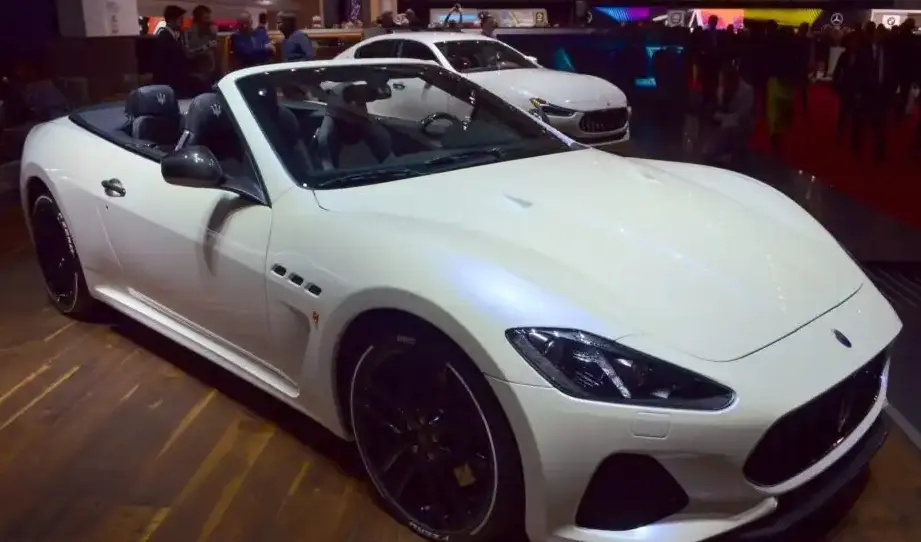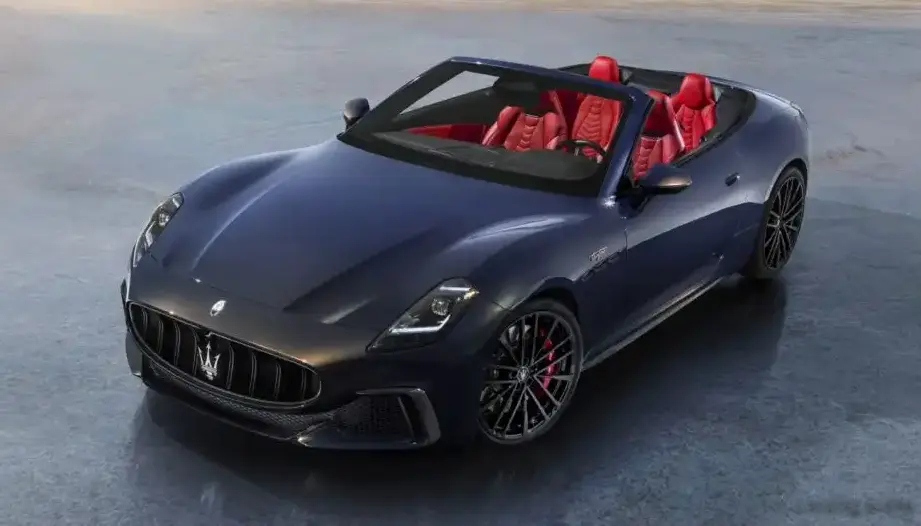
The Maserati GranCabrio I 4.7 (440 Hp) represents a pivotal moment in Maserati’s history, blending the luxury and performance of the GranTurismo coupe with the open-air exhilaration of a convertible. Produced from 2010 to 2011, this variant occupied the top performance tier of the first-generation GranCabrio (internally designated as the MQ platform), offering a compelling alternative to rivals like the Porsche 911 Cabriolet and Aston Martin Vantage Roadster. It was designed to appeal to buyers seeking a sophisticated grand tourer experience with a focus on spirited driving. The 4.7-liter engine was the flagship powerplant for the GranCabrio range during its initial production run.
Technical Specifications
| Brand | Maserati |
| Model | GranCabrio |
| Generation | GranCabrio I |
| Type (Engine) | 4.7 (440 Hp) |
| Start of production | 2010 |
| End of production | 2011 |
| Powertrain Architecture | Internal Combustion engine |
| Body type | Cabriolet |
| Seats | 4 |
| Doors | 3 |
| Fuel consumption (urban) | 23.22 l/100 km (10.1 US mpg, 12.2 UK mpg, 4.3 km/l) |
| Fuel consumption (extra urban) | 10.56 l/100 km (22.3 US mpg, 26.8 UK mpg, 9.5 km/l) |
| Fuel consumption (combined) | 15.23 l/100 km (15.4 US mpg, 18.5 UK mpg, 6.6 km/l) |
| Fuel Type | Petrol (Gasoline) |
| Acceleration 0 – 100 km/h | 5.3 sec |
| Acceleration 0 – 62 mph | 5.3 sec |
| Acceleration 0 – 60 mph | 5 sec |
| Maximum speed | 283 km/h (175.85 mph) |
| Weight-to-power ratio | 4.3 kg/Hp, 233.2 Hp/tonne |
| Weight-to-torque ratio | 3.9 kg/Nm, 259.7 Nm/tonne |
| Power | 440 Hp @ 7000 rpm |
| Power per litre | 93.8 Hp/l |
| Torque | 490 Nm @ 4750 rpm (361.41 lb.-ft. @ 4750 rpm) |
| Engine Model/Code | M139S |
| Engine displacement | 4691 cm3 (286.26 cu. in.) |
| Cylinder Bore | 94 mm (3.7 in.) |
| Piston Stroke | 84.5 mm (3.33 in.) |
| Compression ratio | 11.25:1 |
| Engine aspiration | Naturally aspirated engine |
| Engine oil capacity | 9 l (9.51 US qt | 7.92 UK qt) |
| Coolant | 13 l (13.74 US qt | 11.44 UK qt) |
| Kerb Weight | 1887 kg (4160.12 lbs.) |
| Max. weight | 1980 kg (4365.15 lbs.) |
| Max load | 93 kg (205.03 lbs.) |
| Trunk (boot) space – minimum | 173 l (6.11 cu. ft.) |
| Fuel tank capacity | 75 l (19.81 US gal | 16.5 UK gal) |
| Length | 4881 mm (192.17 in.) |
| Width | 1915 mm (75.39 in.) |
| Height | 1353 mm (53.27 in.) |
| Wheelbase | 2942 mm (115.83 in.) |
| Front track | 1586 mm (62.44 in.) |
| Rear (Back) track | 1590 mm (62.6 in.) |
| Minimum turning circle | 12.3 m (40.35 ft.) |
Powertrain & Engine Architecture
At the heart of the GranCabrio I 4.7 lies Maserati’s M139S engine, a 4.7-liter naturally aspirated V8. This engine is a descendant of the legendary Ferrari/Maserati V8 design, boasting a 90-degree V-angle and four overhead camshafts. The M139S features a dry-sump lubrication system, a characteristic borrowed from racing engines, which ensures consistent oil supply even under extreme cornering forces. Fuel delivery is managed by a Bosch Motronic EC8 engine control unit and multi-point fuel injection. The engine produces 440 horsepower at 7,000 rpm and 490 Nm (361 lb-ft) of torque at 4,750 rpm. The transmission is a six-speed automatic gearbox, specifically the ZF 6HP26, known for its smooth shifts and adaptability. This transmission was chosen to provide a balance between performance and ease of use, catering to the GranCabrio’s grand touring intentions.
Driving Characteristics
The 4.7-liter engine and six-speed automatic combination delivers a compelling driving experience. While not as overtly aggressive as the manual transmission variants, the automatic provides brisk acceleration, achieving 0-60 mph in approximately 5 seconds. The ZF transmission offers a manual mode for more driver involvement, but its primary focus is on seamless, comfortable shifts. The gear ratios are tuned for grand touring, prioritizing relaxed cruising at highway speeds. The engine’s torque curve is broad, providing ample power for overtaking maneuvers. Compared to the base 4.2-liter GranCabrio, the 4.7 offers a noticeable increase in performance, while the automatic transmission provides a more refined and less demanding driving experience than the six-speed manual.
Equipment & Trim Levels
The GranCabrio I 4.7 typically came well-equipped, reflecting its positioning as the flagship model. Standard features included leather upholstery, power-adjustable seats, a premium audio system, automatic climate control, and bi-xenon headlights. The convertible top was a fully automatic, fabric soft top available in a range of colors. Optional extras included a panoramic glass roof, upgraded leather trim, carbon fiber interior accents, and a more powerful audio system. Maserati offered a wide range of customization options, allowing buyers to personalize their GranCabrio to their exact specifications.
Chassis & Braking
The GranCabrio I 4.7 utilizes a steel chassis with independent suspension all around. The front suspension features double wishbones with coil springs and anti-roll bar, while the rear employs a multi-link setup. The braking system consists of ventilated discs on all four wheels, with Brembo calipers providing strong stopping power. The GranCabrio I 4.7 featured a slightly stiffer suspension setup compared to the base model, aimed at improving handling and reducing body roll. The car’s weight distribution is close to 50/50, contributing to its balanced handling characteristics.
Market Reception & Comparison
The Maserati GranCabrio I 4.7 was generally well-received by automotive critics. It was praised for its stylish design, luxurious interior, and powerful engine. However, some reviewers noted the relatively high fuel consumption and the car’s considerable weight. Compared to the 4.2-liter GranCabrio, the 4.7 offered a significant performance upgrade, justifying its higher price tag. Against rivals like the Porsche 911 Cabriolet, the GranCabrio offered a more luxurious and comfortable experience, while the Porsche prioritized outright performance. The automatic transmission was seen as a good compromise for buyers who wanted a refined grand touring experience.
Legacy
The Maserati GranCabrio I 4.7 remains a desirable used car today, appreciated for its combination of style, performance, and luxury. The M139S engine is known for its reliability, although regular maintenance is essential. The ZF 6HP26 automatic transmission is also generally reliable, but may require servicing as it ages. The GranCabrio I 4.7 represents a high point in Maserati’s modern history, showcasing the brand’s commitment to building elegant and engaging grand tourers. Its enduring appeal lies in its ability to deliver a unique and rewarding driving experience.