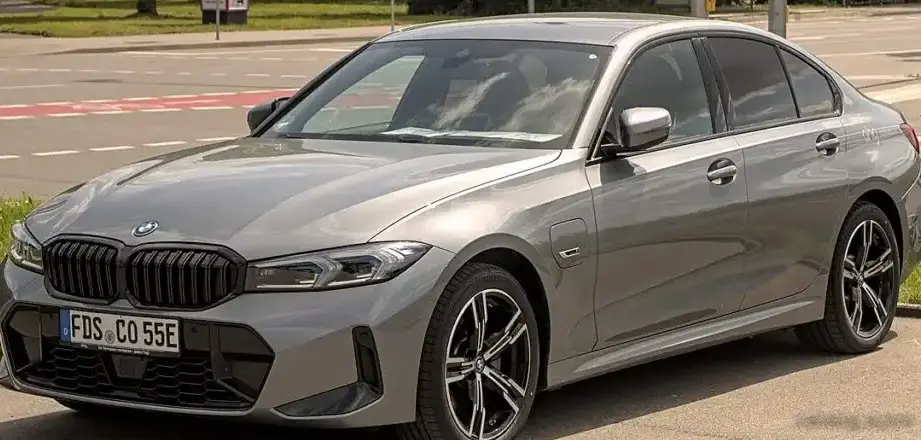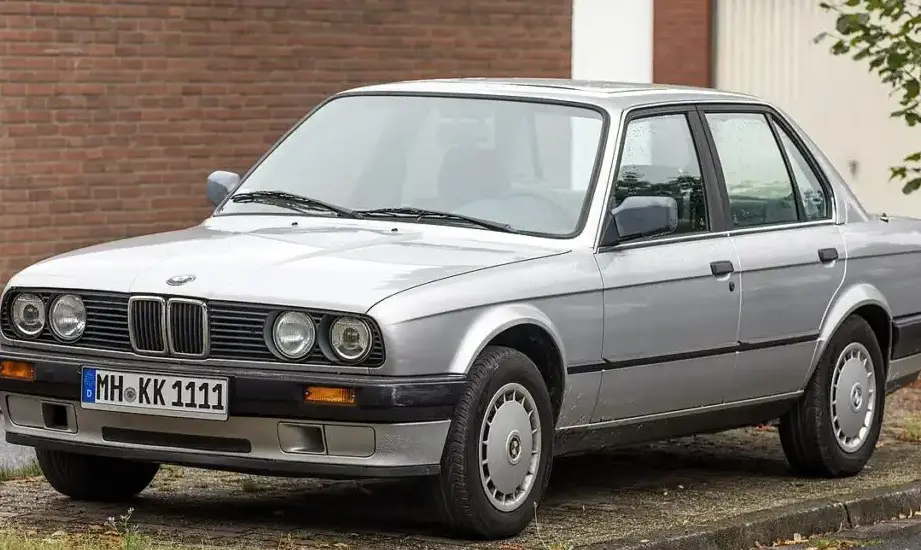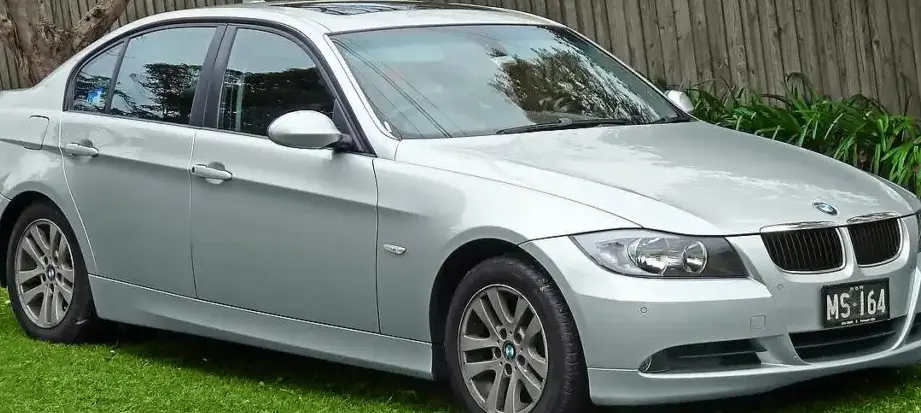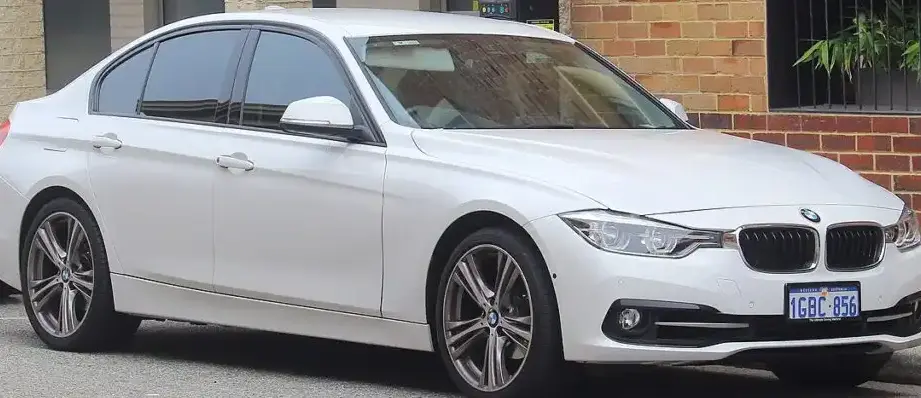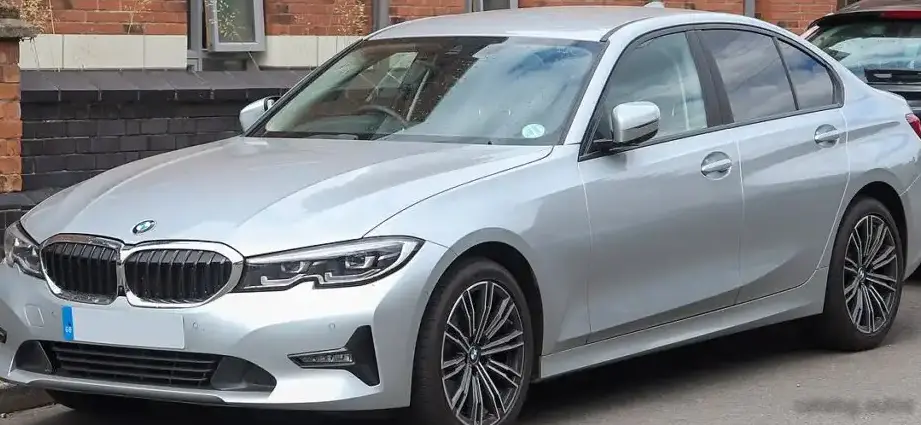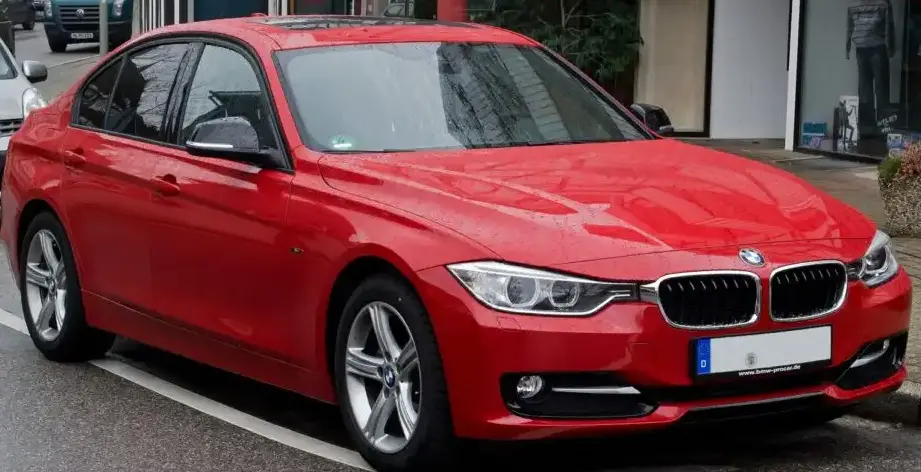
The BMW 3 Series Sedan (F30) 316d, powered by a 116 horsepower diesel engine, served as a crucial entry point into the F30 generation of BMW’s celebrated sports sedan. Produced from 2012 to 2015, this variant occupied the lower end of the 3 Series lineup, balancing fuel efficiency, reasonable performance, and BMW’s renowned driving dynamics. Primarily targeted at European markets where diesel engines were favored due to tax incentives and fuel economy regulations, the 316d wasn’t initially offered in North America. Nevertheless, it accounted for a significant portion of global F30 3 Series sales.
Technical Specifications
| Brand | BMW |
| Model | 3 Series |
| Generation | 3 Series Sedan (F30) |
| Type (Engine) | 316d (116 Hp) |
| Start of production | 2012 |
| End of production | 2015 |
| Powertrain Architecture | Internal Combustion engine |
| Body type | Sedan |
| Seats | 5 |
| Doors | 4 |
| Fuel consumption (urban) | 5.4-5.5 l/100 km (43.6 – 42.8 US mpg) |
| Fuel consumption (extra urban) | 3.7-3.9 l/100 km (63.6 – 60.3 US mpg) |
| Fuel consumption (combined) | 4.3-4.5 l/100 km (54.7 – 52.3 US mpg) |
| CO2 emissions | 114-118 g/km |
| Fuel Type | Diesel |
| Acceleration 0 – 100 km/h | 10.9 sec |
| Acceleration 0 – 62 mph | 10.9 sec |
| Acceleration 0 – 60 mph | 10.4 sec |
| Maximum speed | 202 km/h (125.52 mph) |
| Emission standard | Euro 5 |
| Weight-to-power ratio | 12.2 kg/Hp |
| Weight-to-torque ratio | 5.4 kg/Nm |
| Power | 116 Hp @ 4000 rpm |
| Torque | 260 Nm @ 1750-2500 rpm (191.77 lb.-ft.) |
| Engine layout | Front, Longitudinal |
| Engine Model/Code | N47D20C |
| Engine displacement | 1995 cm3 (121.74 cu. in.) |
| Number of cylinders | 4 |
| Engine configuration | Inline |
| Cylinder Bore | 84 mm (3.31 in.) |
| Piston Stroke | 90 mm (3.54 in.) |
| Compression ratio | 16.5:1 |
| Number of valves per cylinder | 4 |
| Fuel injection system | Diesel Commonrail |
| Engine aspiration | Twin-power turbo, Intercooler |
| Engine oil capacity | 5.2 l (5.49 US qt | 4.58 UK qt) |
| Coolant | 7 l (7.4 US qt | 6.16 UK qt) |
| Kerb Weight | 1410 kg (3108.52 lbs.) |
| Max. weight | 1960 kg (4321.06 lbs.) |
| Max load | 550 kg (1212.54 lbs.) |
| Trunk (boot) space – minimum | 480 l (16.95 cu. ft.) |
| Fuel tank capacity | 57 l (15.06 US gal | 12.54 UK gal) |
| Max. roof load | 75 kg (165.35 lbs.) |
| Permitted trailer load with brakes (12%) | 1600 kg (3527.4 lbs.) |
| Permitted trailer load without brakes | 745 kg (1642.44 lbs.) |
| Permitted towbar download | 75 kg (165.35 lbs.) |
| Length | 4624 mm (182.05 in.) |
| Width | 1811 mm (71.3 in.) |
| Height | 1429 mm (56.26 in.) |
| Wheelbase | 2810 mm (110.63 in.) |
| Front track | 1543 mm (60.75 in.) |
| Rear (Back) track | 1583 mm (62.32 in.) |
| Ride height (ground clearance) | 140 mm (5.51 in.) |
| Drag coefficient (Cd) | 0.26 |
| Minimum turning circle (turning diameter) | 11.3 m (37.07 ft.) |
| Drivetrain Architecture | Rear wheel drive |
| Drive wheel | Rear wheel drive |
| Number of gears and type of gearbox | 6 gears, manual transmission |
| Front suspension | Independent coil spring |
| Rear suspension | Independent multi-link suspension |
| Front brakes | Ventilated discs |
| Rear brakes | Ventilated discs |
| Assisting systems | ABS (Anti-lock braking system) |
| Steering type | Steering rack and pinion |
| Power steering | Electric Steering |
| Tires size | 205/60 R16; 225/55 R16; 225/50 R17; 255/45 R17; 225/45 R18; 255/40 R18; 225/40 R19; 255/35 R19 |
| Wheel rims size | 7J x 16; 7.5J x 16; 7.5J x 17; 8.5J x 17; 8J x 18; 8.5J x 18; 8J x 19; 8.5J x 19 |
Powertrain & Engine Architecture
The 316d’s engine is the BMW N47D20C, a 2.0-liter inline-four diesel. This engine belongs to BMW’s well-regarded N47 family, known for its efficiency and refinement. The N47D20C employs a second-generation common rail direct injection system, delivering fuel at pressures up to 1800 bar for optimized combustion. A single twin-scroll turbocharger with variable geometry turbine (VGT) technology provides boost, generating 260 Nm (191.77 lb-ft) of torque between 1750-2500 rpm. The engine also features four valves per cylinder and an intercooler to further enhance performance. Typically, the 316d was paired with a six-speed manual transmission, though an eight-speed automatic was available. The automatic offered smoother shifts and improved fuel economy, but at the cost of some driver engagement.
Driving Characteristics
With 116 horsepower and 260 Nm of torque, the 316d delivered adequate, though not thrilling, performance. Acceleration from 0 to 100 km/h (0-62 mph) took approximately 10.9 seconds. The engine’s strength was its mid-range torque, making it suitable for daily driving and overtaking. Compared to the more powerful 320d or 335i models, the 316d felt noticeably slower, especially at higher speeds. The manual transmission provided a precise and engaging experience, while the optional automatic offered a more relaxed driving style. The rear-wheel-drive configuration contributed to the 3 Series’ balanced handling, though the lower power output didn’t fully utilize the chassis’ potential.
Equipment & Trim Levels
The 316d came standard with features like air conditioning, power windows, central locking, and a basic audio system. Higher trim levels – Sport Line, Luxury Line, and Modern Line – added features such as sport seats, upgraded interior trim, and larger alloy wheels. Optional extras included navigation systems, leather upholstery, parking sensors, and a sunroof. The F30 3 Series interior was modern and driver-focused, with a clear layout. The dashboard featured a central infotainment screen, and the seats offered good support and comfort.
Chassis & Braking
The F30 3 Series used a sophisticated chassis with independent suspension all around. The front suspension employed MacPherson struts, while the rear used a multi-link setup, balancing ride comfort and handling precision. The 316d typically had ventilated disc brakes on all four wheels, providing ample stopping power. Anti-lock braking system (ABS) and electronic stability control (ESC) were standard safety features. Suspension tuning prioritized comfort, but the 316d still offered a responsive driving experience.
Market Reception & Comparison
The 316d was generally well-received as an efficient and practical entry-level 3 Series option. Critics praised its fuel economy, comfortable ride, and refined engine. However, some noted the engine lacked the performance of its more powerful counterparts. Compared to the 320d, the 316d offered lower running costs but less performance. Competitors included the Audi A4 2.0 TDI and the Mercedes-Benz C200 CDI, which offered similar performance and efficiency.
Legacy
The N47D20C engine in the 316d proved reliable when properly maintained. Early N47 engines were known for timing chain tensioner issues, potentially leading to engine damage, but later revisions addressed this. Today, the F30 316d remains a popular used car choice, particularly in Europe, due to its affordability, fuel efficiency, and BMW’s reputation for quality. It’s a sensible and practical option for buyers seeking a comfortable and reliable compact executive sedan.