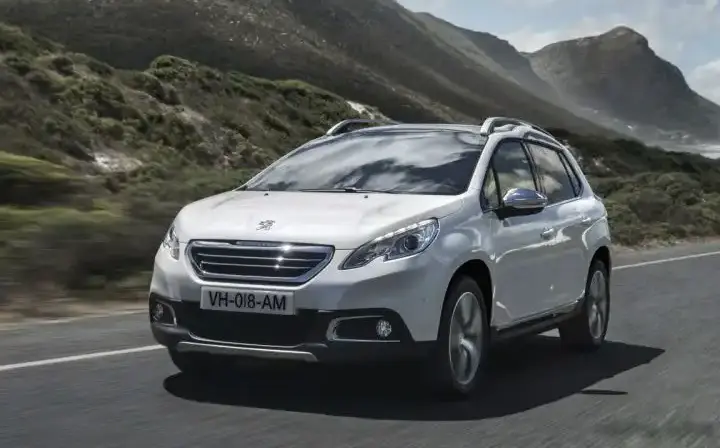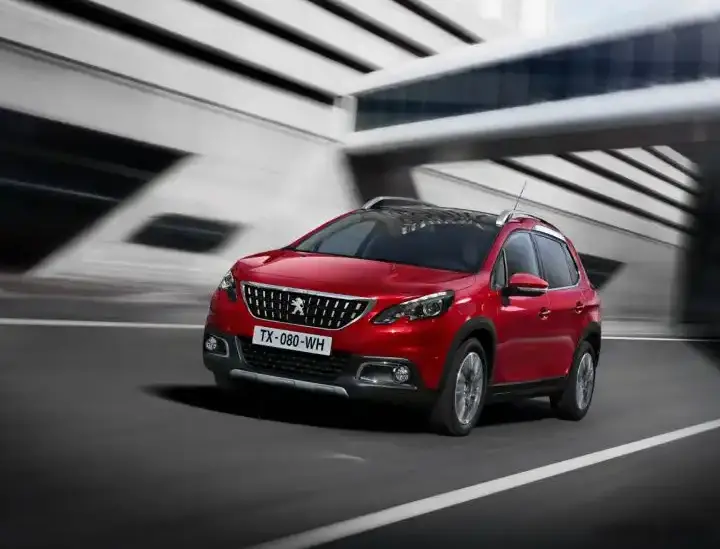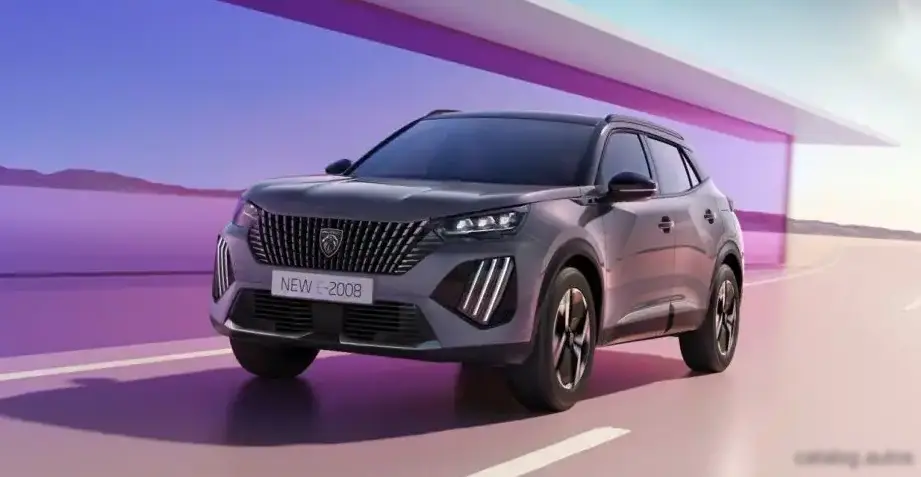
The Peugeot 2008 II, specifically the 1.2 PureTech 100 horsepower variant introduced with the 2023 facelift, represents an entry-level offering within the second generation of Peugeot’s popular subcompact SUV. Production began in May 2023, and this model is primarily targeted towards European markets where fuel efficiency and affordability are key considerations. It slots into the 2008 lineup as the base engine option, offering a balance between cost and practicality. The 2008 II is built on the Common Modular Platform (CMP) shared with other Stellantis vehicles, like the Opel/Vauxhall Corsa and the Citroën C3 Aircross.
Technical Specifications
| Brand | Peugeot |
| Model | 2008 |
| Generation | 2008 II (facelift 2023) |
| Type (Engine) | 1.2 PureTech (100 Hp) |
| Start of production | May, 2023 |
| Powertrain Architecture | Internal Combustion engine |
| Body type | SUV |
| Seats | 5 |
| Doors | 5 |
| Combined fuel consumption (WLTP) | 5.4-5.5 l/100 km (43.6 – 42.8 US mpg, 52.3 – 51.4 UK mpg, 18.5 – 18.2 km/l) |
| CO2 emissions (WLTP) | 123-124 g/km |
| Fuel Type | Petrol (Gasoline) |
| Acceleration 0 – 100 km/h | 10.8 sec |
| Acceleration 0 – 62 mph | 10.8 sec |
| Acceleration 0 – 60 mph | 10.3 sec |
| Maximum speed | 183 km/h (113.71 mph) |
| Emission standard | Euro 6 |
| Weight-to-power ratio | 11.9 kg/Hp, 84.2 Hp/tonne |
| Weight-to-torque ratio | 5.8 kg/Nm, 172.6 Nm/tonne |
| Power | 100 Hp @ 5000 rpm |
| Power per litre | 83.4 Hp/l |
| Torque | 205 Nm @ 1750 rpm (151.2 lb.-ft. @ 1750 rpm) |
| Engine layout | Front, Transverse |
| Engine displacement | 1199 cm3 (73.17 cu. in.) |
| Number of cylinders | 3 |
| Engine configuration | Inline |
| Number of valves per cylinder | 4 |
| Fuel injection system | Direct injection |
| Engine aspiration | Turbocharger, Intercooler |
| Engine oil capacity | 3.5 l (3.7 US qt | 3.08 UK qt) |
| Kerb Weight | 1188 kg (2619.09 lbs.) |
| Max. weight | 1710 kg (3769.9 lbs.) |
| Max load | 522 kg (1150.81 lbs.) |
| Trunk (boot) space – minimum | 434 l (15.33 cu. ft.) |
| Trunk (boot) space – maximum | 1467 l (51.81 cu. ft.) |
| Fuel tank capacity | 44 l (11.62 US gal | 9.68 UK gal) |
| Permitted trailer load with brakes (12%) | 1200 kg (2645.55 lbs.) |
| Length | 4304 mm (169.45 in.) |
| Width | 1775 mm (69.88 in.) |
| Width with mirrors folded | 1815 mm (71.46 in.) |
| Width including mirrors | 1987 mm (78.23 in.) |
| Height | 1550 mm (61.02 in.) |
| Wheelbase | 2605 mm (102.56 in.) |
| Front track | 1540 mm (60.63 in.) |
| Rear (Back) track | 1540 mm (60.63 in.) |
| Front overhang | 874 mm (34.41 in.) |
| Rear overhang | 825 mm (32.48 in.) |
| Drivetrain Architecture | Front wheel drive |
| Drive wheel | Front wheel drive |
| Number of gears and type of gearbox | 6 gears, manual transmission |
| Front suspension | Independent type McPherson |
| Rear suspension | Elastic beam |
| Front brakes | Disc, 283×26 mm |
| Rear brakes | Drum, 228.6 mm |
| Assisting systems | ABS (Anti-lock braking system) |
| Steering type | Steering rack and pinion |
| Power steering | Electric Steering |
| Tires size | 215/65 R16; 215/60 R17 |
Powertrain & Engine Architecture
The heart of this 2008 variant is the Peugeot 1.2 PureTech engine, specifically the EB2DT variant producing 100 horsepower. This is a three-cylinder, turbocharged gasoline engine featuring direct fuel injection and an intercooler. The engine utilizes a timing chain for durability and is known for its relatively compact size. The turbocharger provides a boost in power and torque, helping to overcome the limitations of the small displacement. The engine management system is tuned for fuel efficiency and compliance with Euro 6 emissions standards. It’s paired with a 6-speed manual transmission, chosen to maximize fuel economy and provide a more engaging driving experience compared to an automatic option (which isn’t offered with this specific engine). The engine’s architecture prioritizes lightweight construction to minimize overall vehicle weight.
Driving Characteristics
The 1.2 PureTech 100 hp engine delivers adequate performance for everyday driving, but it’s not designed for spirited acceleration. The 0-60 mph time of around 10.3 seconds reflects this. Torque is available from a relatively low 1750 rpm, providing decent responsiveness in urban environments. However, overtaking maneuvers on highways require careful planning. The 6-speed manual transmission allows drivers to keep the engine in its optimal power band. Compared to higher-output versions of the 1.2 PureTech (130 hp) or diesel variants, this engine feels less powerful, but it offers a smoother and quieter driving experience. The gear ratios are tuned for fuel efficiency, meaning the engine may feel strained at higher speeds or when carrying a full load.
Equipment & Trim Levels
The 1.2 PureTech 100 hp variant typically serves as the entry point to the 2008 II range. Standard equipment generally includes air conditioning, a touchscreen infotainment system with Apple CarPlay and Android Auto compatibility, LED headlights, and a suite of safety features such as lane departure warning and automatic emergency braking. Interior upholstery is typically cloth, and the dashboard features a minimalist design. Optional extras often include a larger touchscreen, navigation system, parking sensors, a reversing camera, and upgraded interior trim materials. Trim levels above this base model add features like alloy wheels, a panoramic sunroof, and more advanced driver-assistance systems.
Chassis & Braking
The 2008 II utilizes a McPherson strut front suspension and an elastic beam rear suspension. This setup provides a good balance between ride comfort and handling. The front brakes are disc brakes, measuring 283x26mm, while the rear brakes are drum brakes, measuring 228.6mm. This configuration is typical for vehicles in this weight class and price range. The electric power steering provides light and precise steering feel. ABS (Anti-lock Braking System) is standard, enhancing safety during emergency braking situations. Stabilizer bars are fitted to both the front and rear axles to reduce body roll during cornering.
Market Reception & Comparison
The 1.2 PureTech 100 hp variant of the Peugeot 2008 II has been generally well-received as a practical and affordable option. Critics have praised its fuel efficiency and comfortable ride. However, some have noted its lack of outright performance. Compared to the 130 hp version of the same engine, the 100 hp model offers lower running costs but sacrifices some driving enjoyment. Diesel variants, while offering better fuel economy, are often more expensive to purchase and maintain. The 1.2 PureTech 100 hp is a popular choice for urban commuters and drivers who prioritize fuel efficiency over performance.
Legacy
The 1.2 PureTech engine has become a mainstay in the Peugeot and Stellantis lineup. While early versions of the engine experienced some reliability issues with the timing chain, later iterations have addressed these concerns. The 100 hp variant is expected to remain a popular choice in the used car market due to its affordability and fuel efficiency. Its relatively simple engine design and readily available parts should contribute to reasonable maintenance costs over the long term. The 2008 II, as a whole, has established itself as a competitive player in the subcompact SUV segment, and the 1.2 PureTech 100 hp variant plays a crucial role in making it accessible to a wider range of buyers.