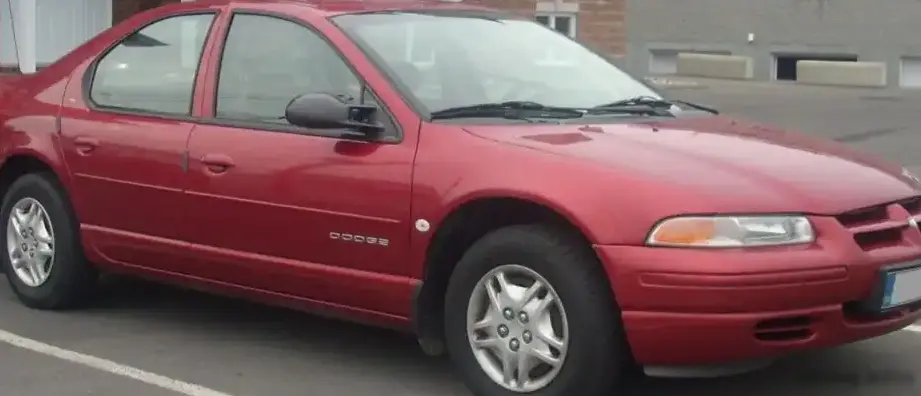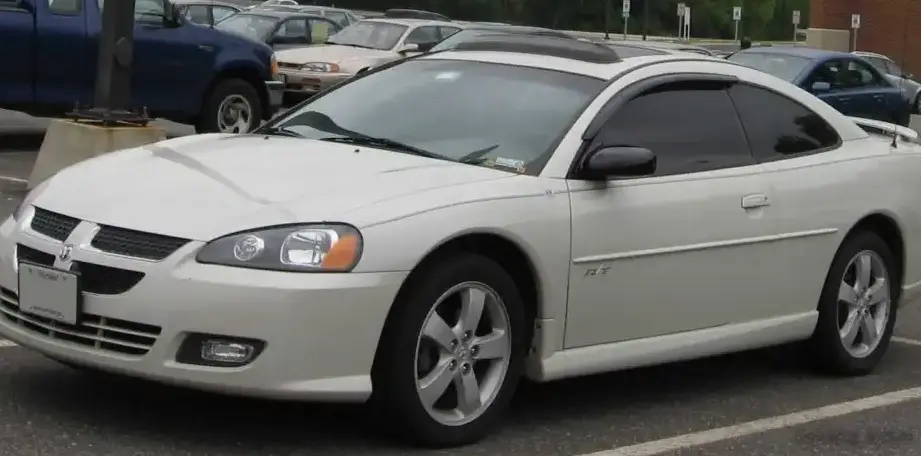
The Dodge Stratus II 2.4, equipped with a 152 horsepower engine and an automatic transmission, was a mainstay of the Dodge lineup from 2001 to 2006. Representing the second generation of the Stratus, this variant occupied a middle ground within the range, offering a balance between affordability and acceptable performance for the average family sedan buyer. Built on the Chrysler JH platform, the Stratus II aimed to provide a comfortable and practical transportation solution in the highly competitive mid-size segment. This particular configuration – the 2.4-liter engine paired with a four-speed automatic – was a popular choice, prioritizing ease of use over outright sportiness.
Technical Specifications
| Brand | Dodge |
| Model | Stratus |
| Generation | Stratus II |
| Type (Engine) | 2.4 (152 Hp) Automatic |
| Start of production | 2001 |
| End of production | 2006 |
| Powertrain Architecture | Internal Combustion engine |
| Body type | Sedan |
| Seats | 5 |
| Doors | 4 |
| Fuel consumption (urban) | 11.2 l/100 km (21 US mpg) |
| Fuel consumption (extra urban) | 8.1 l/100 km (29 US mpg) |
| Fuel Type | Petrol (Gasoline) |
| Maximum speed | 180 km/h (111.85 mph) |
| Weight-to-power ratio | 9.8 kg/Hp |
| Weight-to-torque ratio | 6.6 kg/Nm |
| Power | 152 Hp @ 5200 rpm |
| Power per litre | 62.6 Hp/l |
| Torque | 226 Nm @ 4000 rpm (166.69 lb.-ft. @ 4000 rpm) |
| Engine layout | Front, Transverse |
| Engine Model/Code | EDZ |
| Engine displacement | 2429 cm3 (148.23 cu. in.) |
| Number of cylinders | 4 |
| Engine configuration | Inline |
| Cylinder Bore | 87.5 mm (3.44 in.) |
| Piston Stroke | 101 mm (3.98 in.) |
| Compression ratio | 9.4:1 |
| Number of valves per cylinder | 4 |
| Fuel injection system | Multi-port manifold injection |
| Engine aspiration | Naturally aspirated engine |
| Valvetrain | DOHC |
| Engine oil capacity | 4.7 l (4.97 US qt | 4.14 UK qt) |
| Coolant | 7.5 l (7.93 US qt | 6.6 UK qt) |
| Kerb Weight | 1495 kg (3295.91 lbs.) |
| Max. weight | 1990 kg (4387.2 lbs.) |
| Max load | 495 kg (1091.29 lbs.) |
| Trunk (boot) space – minimum | 454 l (16.03 cu. ft.) |
| Fuel tank capacity | 61 l (16.11 US gal | 13.42 UK gal) |
| Length | 4856 mm (191.18 in.) |
| Width | 1793 mm (70.59 in.) |
| Height | 1395 mm (54.92 in.) |
| Wheelbase | 2743 mm (107.99 in.) |
| Front track | 1529 mm (60.2 in.) |
| Rear (Back) track | 1529 mm (60.2 in.) |
| Drivetrain Architecture | Front wheel drive |
| Number of gears and type of gearbox | 4 gears, automatic transmission |
| Front suspension | Double wishbone |
| Rear suspension | Coil spring |
| Front brakes | Ventilated discs |
| Rear brakes | Disc |
| Assisting systems | ABS (Anti-lock braking system) |
| Steering type | Steering rack and pinion |
| Power steering | Hydraulic Steering |
| Tires size | 195/65 R15 |
| Wheel rims size | 15 |
Powertrain & Engine Architecture
The heart of the Stratus II 2.4 was the EDZ engine, a 2.4-liter inline-four cylinder powerplant. This engine utilized a dual overhead camshaft (DOHC) valvetrain and multi-port fuel injection to deliver its 152 horsepower. The engine’s 9.4:1 compression ratio was a compromise between performance and the ability to run on readily available 87 octane gasoline. The four-speed automatic transmission, a Chrysler 41TE unit, was chosen for its smooth operation and ease of use, catering to a broader audience than a manual transmission would have. While not a particularly advanced transmission by modern standards, it provided adequate shifting performance for everyday driving. The engine’s transverse mounting further contributed to maximizing interior space within the Stratus’s front-wheel-drive configuration.
Driving Characteristics
The 2.4-liter engine and automatic transmission combination in the Stratus II delivered a comfortable, if not exhilarating, driving experience. Acceleration was adequate for merging onto highways and passing slower traffic, but it wasn’t a particularly quick car. The automatic transmission’s gear ratios were tuned for fuel efficiency and smooth cruising, rather than aggressive acceleration. Compared to the optional V6 engine available in other Stratus trims, the 2.4-liter felt noticeably less powerful. However, it offered a significant improvement in fuel economy. The steering was light and easy, making it well-suited for city driving, but lacked the feedback desired by more enthusiastic drivers.
Equipment & Trim Levels
The Stratus II 2.4 Automatic typically came standard with features such as air conditioning, power windows and locks, and an AM/FM stereo. Higher trim levels, such as the ES or R/T, added features like alloy wheels, upgraded interior upholstery, a CD player, and cruise control. Optional extras included a sunroof, leather seats, and a premium sound system. The interior design was functional and straightforward, prioritizing practicality over luxury. The dashboard layout was typical of early 2000s American cars, with large, easy-to-read gauges and clearly labeled controls.
Chassis & Braking
The Stratus II utilized a front-wheel-drive chassis with a double wishbone front suspension and a coil spring rear suspension. This setup provided a reasonably comfortable ride, absorbing bumps and imperfections in the road surface effectively. The front brakes were ventilated discs, offering good stopping power, while the rear brakes were solid discs. Anti-lock braking system (ABS) was standard, enhancing safety by preventing wheel lockup during hard braking. The Stratus II’s suspension tuning was geared towards comfort and stability, rather than sporty handling.
Market Reception & Comparison
The Dodge Stratus II 2.4 Automatic was generally well-received by critics as a practical and affordable mid-size sedan. It offered a good value for the money, with a comfortable ride and a decent list of standard features. However, it was often criticized for its somewhat bland styling and lack of sporty driving dynamics. Compared to other trims in the Stratus lineup, such as the V6-powered models, the 2.4-liter version offered better fuel economy but less performance. It competed directly with other mid-size sedans like the Honda Accord, Toyota Camry, and Ford Fusion.
Legacy
The Dodge Stratus II 2.4 Automatic has proven to be a relatively reliable vehicle, with many examples still on the road today. The 2.4-liter engine is known for its durability, and the four-speed automatic transmission is generally dependable. However, like any used car, regular maintenance is crucial to ensure long-term reliability. Common issues include oil leaks, worn suspension components, and corrosion in areas prone to rust. In the used car market, the Stratus II 2.4 Automatic remains an affordable option for buyers seeking a basic, dependable transportation solution. Its simplicity and relatively low maintenance costs make it an attractive choice for those on a budget.