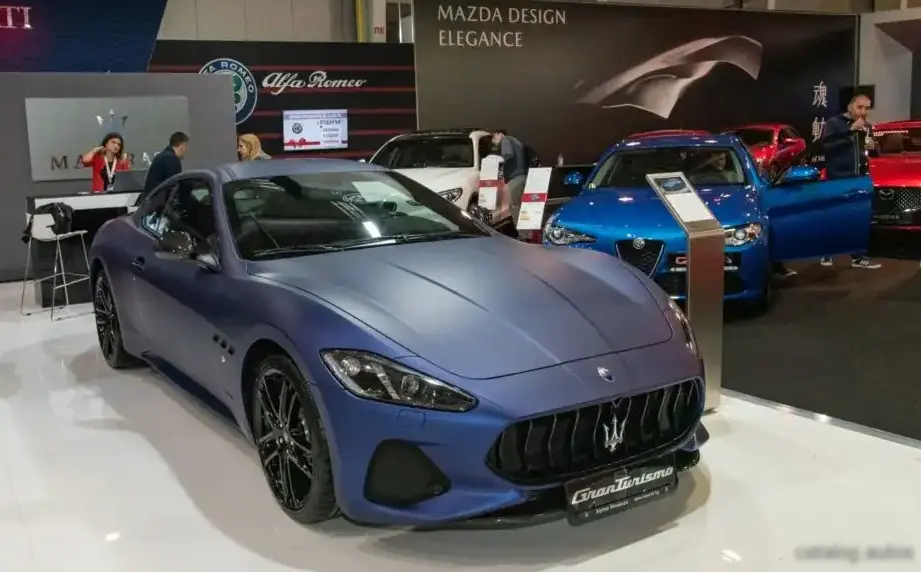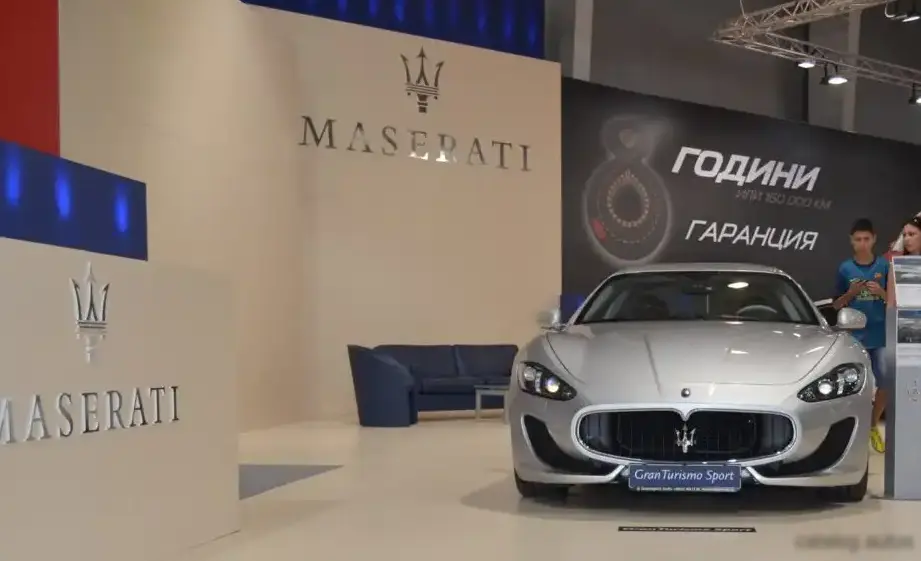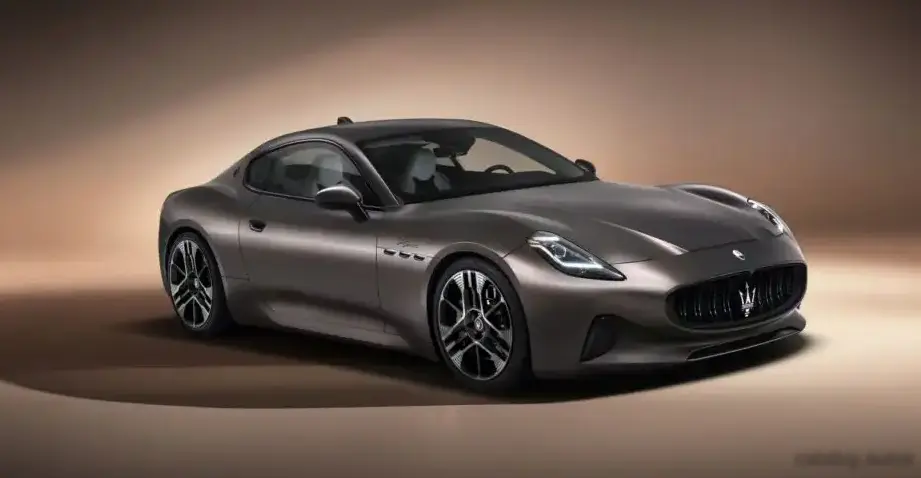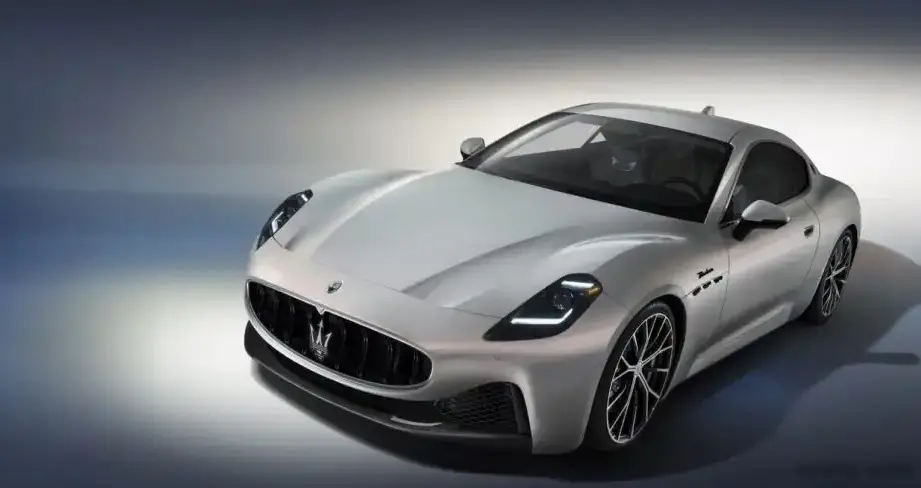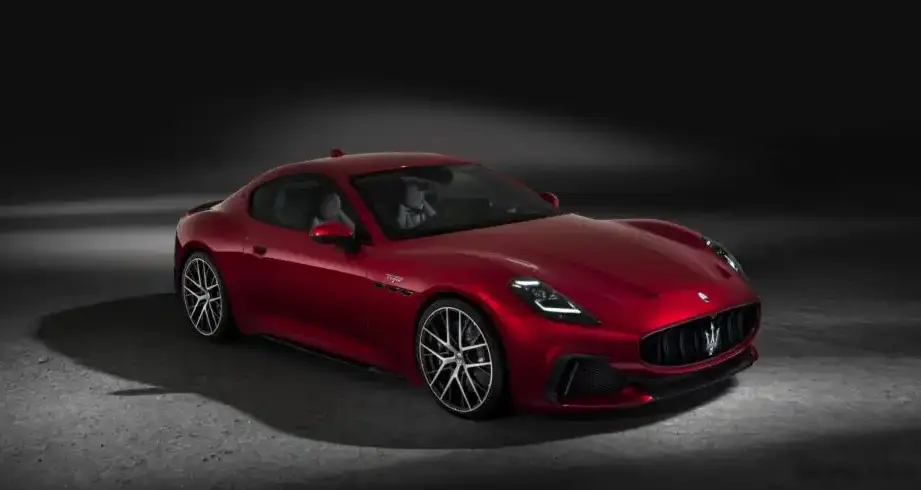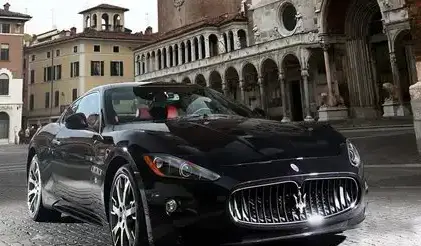
The Maserati GranTurismo S 4.7 i V8 32V, produced between 2008 and 2012, represents a significant iteration of Maserati’s flagship coupe. Positioned as a performance-oriented variant within the first generation (GranTurismo I) of the modern GranTurismo line, the “S” model aimed to deliver a more engaging driving experience than the standard 4.2-liter version. Built on the Maserati M145 platform, a shortened version of the Dodge Chrysler LC platform, the GranTurismo S sought to blend Italian styling and luxury with genuine sports car performance. This model was crucial in re-establishing Maserati as a serious contender in the grand touring segment, particularly in markets like North America and Europe.
Technical Specifications
| Brand | Maserati |
| Model | GranTurismo |
| Generation | GranTurismo I |
| Type (Engine) | S 4.7 i V8 32V (440 Hp) |
| Start of production | 2008 |
| End of production | 2012 |
| Powertrain Architecture | Internal Combustion engine |
| Body type | Coupe |
| Seats | 4 |
| Doors | 2 |
| Fuel consumption (urban) | 25.8 l/100 km (9.1 US mpg, 10.9 UK mpg, 3.9 km/l) |
| Fuel consumption (extra urban) | 11.2 l/100 km (21 US mpg, 25.2 UK mpg, 8.9 km/l) |
| Fuel consumption (combined) | 16.2 l/100 km (14.5 US mpg, 17.4 UK mpg, 6.2 km/l) |
| Fuel Type | Petrol (Gasoline) |
| Acceleration 0 – 100 km/h | 4.9 sec |
| Acceleration 0 – 62 mph | 4.9 sec |
| Acceleration 0 – 60 mph | 4.7 sec |
| Maximum speed | 295 km/h (183.3 mph) |
| Emission standard | Euro 4 |
| Weight-to-power ratio | 4.3 kg/Hp, 234 Hp/tonne |
| Weight-to-torque ratio | 3.8 kg/Nm, 260.6 Nm/tonne |
| Power | 440 Hp @ 7000 rpm |
| Power per litre | 93.8 Hp/l |
| Torque | 490 Nm @ 4750 rpm (361.41 lb.-ft. @ 4750 rpm) |
| Engine layout | Front, Longitudinal |
| Engine Model/Code | M139S |
| Engine displacement | 4691 cm3 (286.26 cu. in.) |
| Number of cylinders | 8 |
| Engine configuration | V-engine |
| Number of valves per cylinder | 4 |
| Fuel injection system | Multi-port manifold injection |
| Engine aspiration | Naturally aspirated engine |
| Valvetrain | DOHC |
| Engine oil capacity | 9 l (9.51 US qt | 7.92 UK qt) |
| Coolant capacity | 13 l (13.74 US qt | 11.44 UK qt) |
| Kerb Weight | 1880 kg (4144.69 lbs.) |
| Max. weight | 2250 kg (4960.4 lbs.) |
| Max load | 370 kg (815.71 lbs.) |
| Trunk (boot) space – minimum | 260 l (9.18 cu. ft.) |
| Fuel tank capacity | 86 l (22.72 US gal | 18.92 UK gal) |
| Length | 4881 mm (192.17 in.) |
| Width | 1915 mm (75.39 in.) |
| Height | 1353 mm (53.27 in.) |
| Wheelbase | 2942 mm (115.83 in.) |
| Front track | 1585 mm (62.4 in.) |
| Rear (Back) track | 1560 mm (61.42 in.) |
| Drivetrain Architecture | Rear wheel drive |
| Number of gears and type of gearbox | 6 gears, automatic transmission |
| Front suspension | Double wishbone |
| Rear suspension | Double wishbone |
| Front brakes | Ventilated discs |
| Rear brakes | Ventilated discs |
| Assisting systems | ABS (Anti-lock braking system) |
| Steering type | Steering rack and pinion |
| Tires size | 245/40 R19; 285/35 R19 |
| Wheel rims size | 8.5J x 19; 10.5J x 19 |
Powertrain & Engine Architecture
The heart of the GranTurismo S is the M139S engine, a 4.7-liter naturally aspirated V8. This engine is derived from the earlier 4.2-liter V8 (M139) but features a larger displacement achieved through an increased bore. The engine utilizes a 90-degree V-angle, contributing to a smoother power delivery and reduced vibrations. It employs multi-port fuel injection and a double overhead camshaft (DOHC) valvetrain with four valves per cylinder. The engine’s architecture prioritizes responsiveness and a characteristic Italian V8 sound. The six-speed automatic transmission, sourced from ZF, was specifically calibrated for the S model to provide quicker shifts and a more direct connection to the engine. This transmission features a manual mode, allowing drivers some control over gear selection.
Driving Characteristics
The GranTurismo S 4.7, with its 440 horsepower and 361 lb-ft of torque, offered a noticeably more spirited driving experience compared to the standard 4.2-liter model. The increased power and revised transmission tuning resulted in a 0-60 mph time of around 4.7 seconds and a top speed of 183 mph. The automatic transmission, while smooth, wasn’t as quick as some dual-clutch transmissions found in competitors. However, it provided a comfortable and refined driving experience suitable for long-distance touring. The suspension, tuned for a balance between comfort and handling, provided a stable and predictable ride. The car felt planted and confident in corners, though its weight (approximately 4,145 lbs) was always apparent.
Equipment & Trim Levels
The GranTurismo S came standard with a generous array of features, including leather upholstery, power-adjustable seats, a premium audio system, and automatic climate control. Exterior features included unique front and rear bumpers, side skirts, and larger wheels. Optional extras included a panoramic sunroof, carbon fiber interior trim, and a more advanced navigation system. The interior design emphasized luxury and craftsmanship, with high-quality materials and meticulous attention to detail. The S trim generally featured sportier interior accents compared to the base model.
Chassis & Braking
The GranTurismo S utilized a double wishbone suspension setup at both the front and rear, providing a good balance of ride comfort and handling precision. The braking system consisted of ventilated discs on all four wheels, providing ample stopping power. The ABS (Anti-lock Braking System) was standard. The car’s weight distribution was relatively balanced, contributing to its neutral handling characteristics. The steering was a rack and pinion system, offering precise and responsive control.
Market Reception & Comparison
Critics generally praised the GranTurismo S for its stunning design, luxurious interior, and engaging driving experience. However, some noted its relatively high fuel consumption (around 14.5 mpg combined) and its weight. Compared to the standard 4.2-liter GranTurismo, the S model offered a significant performance upgrade. Compared to rivals like the Porsche 911 and BMW M6, the GranTurismo S offered a more comfortable and luxurious experience, but lacked the ultimate track performance of those dedicated sports cars. The 4.7 S was also compared to the GranTurismo S Automatic, which offered similar performance but with a different transmission feel.
Legacy
The Maserati GranTurismo S 4.7 i V8 32V remains a desirable grand tourer in the used car market. The M139S engine is generally considered reliable, although regular maintenance is crucial. Common issues include oil leaks and occasional electrical gremlins. The ZF automatic transmission is also known for its durability when properly maintained. The GranTurismo S represents a high point in Maserati’s modern history, showcasing the brand’s ability to create beautiful, luxurious, and engaging automobiles. Its blend of Italian style and performance continues to appeal to enthusiasts today.