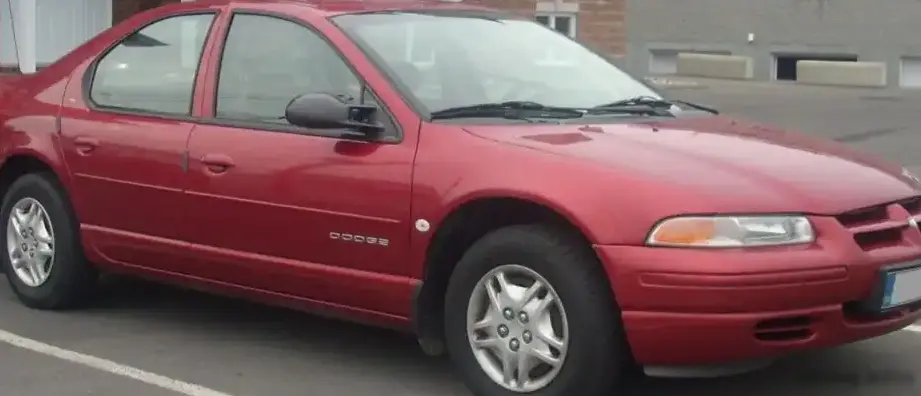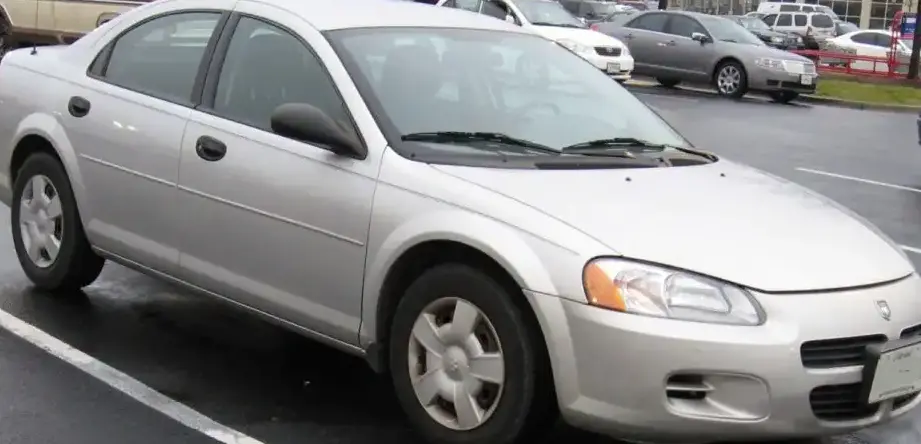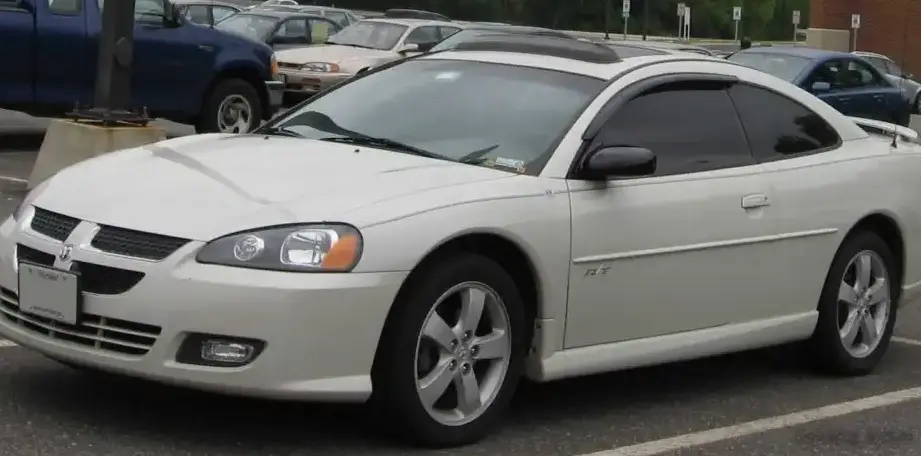
The Dodge Stratus II Coupe 3.0i V6 24V R/T, produced from 2001 to 2006, represented the performance-oriented variant of the second-generation Stratus coupe. Built on the Chrysler JA platform (shared with the Mitsubishi Eclipse and Plymouth Breeze), the Stratus II aimed to offer a more stylish and sporty alternative to the traditional American sedan. The R/T trim, equipped with the 3.0-liter V6 engine and automatic transmission, positioned itself as the top-tier offering, appealing to buyers seeking a blend of power and convenience. It was primarily marketed towards the North American market, offering a domestic alternative to import sport coupes.
Technical Specifications
| Brand | Dodge |
| Model | Stratus |
| Generation | Stratus II Coupe |
| Type (Engine) | 3.0i V6 24V R/T (203 Hp) Automatic |
| Start of production | 2001 |
| End of production | 2006 |
| Powertrain Architecture | Internal Combustion engine |
| Body type | Coupe |
| Seats | 4 |
| Doors | 2 |
| Fuel consumption (urban) | 11.8 l/100 km (19.9 US mpg) |
| Fuel consumption (extra urban) | 8.4 l/100 km (28 US mpg) |
| Fuel Type | Petrol (Gasoline) |
| Acceleration 0 – 100 km/h | 8.6 sec |
| Acceleration 0 – 62 mph | 8.6 sec |
| Acceleration 0 – 60 mph | 8.2 sec |
| Maximum speed | 206 km/h (128 mph) |
| Weight-to-power ratio | 7.3 kg/Hp |
| Weight-to-torque ratio | 5.3 kg/Nm |
| Power | 203 Hp @ 5500 rpm |
| Torque | 278 Nm @ 4000 rpm (205.04 lb.-ft. @ 4000 rpm) |
| Engine layout | Front, Transverse |
| Engine Model/Code | 6G72 |
| Engine displacement | 2972 cm3 (181.36 cu. in.) |
| Number of cylinders | 6 |
| Engine configuration | V-engine |
| Cylinder Bore | 91.1 mm (3.59 in.) |
| Piston Stroke | 76 mm (2.99 in.) |
| Compression ratio | 9.1:1 |
| Number of valves per cylinder | 4 |
| Fuel injection system | Multi-port manifold injection |
| Engine aspiration | Naturally aspirated engine |
| Valvetrain | DOHC |
| Kerb Weight | 1485 kg (3273.86 lbs.) |
| Trunk (boot) space | 454 l (16.03 cu. ft.) |
| Fuel tank capacity | 62 l (16.38 US gal | 13.64 UK gal) |
| Length | 4849 mm (190.91 in.) |
| Width | 1786 mm (70.31 in.) |
| Height | 1364 mm (53.7 in.) |
| Wheelbase | 2634 mm (103.7 in.) |
| Front track | 1509 mm (59.41 in.) |
| Rear track | 1506 mm (59.29 in.) |
| Minimum turning circle | 12.19 m (39.99 ft.) |
| Drivetrain Architecture | Front wheel drive |
| Number of gears | 4 |
| Gearbox type | Automatic transmission |
| Front suspension | Coil spring |
| Rear suspension | Coil spring |
| Front brakes | Ventilated discs |
| Rear brakes | Disc |
| Assisting systems | ABS (Anti-lock braking system) |
| Steering type | Steering rack and pinion |
| Power steering | Hydraulic Steering |
| Tires size | 215/50 R17 |
| Wheel rims size | 17 |
Powertrain & Engine Architecture
The heart of the Stratus R/T was the 6G72 3.0-liter V6 engine. This engine, a member of Chrysler’s V6 family, featured a 60-degree V-angle and a double overhead camshaft (DOHC) valvetrain with four valves per cylinder. The 6G72 utilized a multi-port fuel injection system, delivering fuel directly to each intake port for improved efficiency and power delivery. The engine produced 203 horsepower at 5500 rpm and 278 Nm (205 lb-ft) of torque at 4000 rpm. The engine’s design prioritized smooth operation and reasonable power output over outright performance. The 4-speed automatic transmission, a Chrysler 42RE unit, was the sole transmission option for the R/T model. This transmission was chosen for its ease of use and suitability for everyday driving, though it lacked the responsiveness of a manual gearbox.
Driving Characteristics
The 3.0L V6 and automatic transmission combination delivered adequate, but not exceptional, performance. Acceleration from 0-60 mph took approximately 8.2 seconds, making it competitive with other coupes in its class. The automatic transmission, while smooth, did exhibit some typical characteristics of older 4-speed units, including noticeable shifts and a tendency to hunt for gears under hard acceleration. Compared to a manual transmission equipped Stratus, the automatic version felt less engaging and offered slightly slower acceleration times. The power delivery was linear, with a usable amount of torque available throughout the rev range, making it suitable for both city and highway driving. The front-wheel-drive configuration provided predictable handling, but lacked the cornering prowess of rear-wheel-drive or all-wheel-drive competitors.
Equipment & Trim Levels
The Stratus R/T came standard with a number of features designed to enhance both comfort and style. These included sport seats with cloth upholstery (leather was an optional upgrade), air conditioning, a CD player with premium sound system, power windows and locks, and alloy wheels. The R/T trim also featured unique exterior styling cues, such as a rear spoiler, body-colored side moldings, and a sport-tuned suspension. Optional extras included a sunroof, leather interior, upgraded audio system, and automatic temperature control. The interior design was generally functional and straightforward, with a focus on ergonomics and ease of use.
Chassis & Braking
The Stratus II Coupe utilized a standard front-engine, front-wheel-drive layout. The suspension consisted of coil springs and shock absorbers at all four corners. The front suspension incorporated a stabilizer bar to reduce body roll during cornering. The rear suspension was a simple coil spring setup. Braking duties were handled by ventilated discs at the front and solid discs at the rear. The braking system was equipped with ABS (Anti-lock Braking System) as standard, providing improved stopping power and control in emergency situations. The chassis was designed to provide a comfortable ride while maintaining reasonable handling characteristics. The relatively lightweight construction of the Stratus helped to offset the limitations of the front-wheel-drive layout.
Market Reception & Comparison
The Dodge Stratus II Coupe 3.0i V6 R/T received mixed reviews from automotive critics. While the engine was praised for its smooth operation and adequate power, the automatic transmission was often criticized for its lack of responsiveness. Fuel economy was considered average for its class, with figures of around 19.9 mpg in the city and 28 mpg on the highway. Compared to other trims in the Stratus lineup, the R/T offered a noticeable performance upgrade, but at a higher price point. The 2.4L four-cylinder models were more fuel-efficient and affordable, while the higher-end trims offered more luxurious features. Competitors included the Ford Mustang, Honda Accord Coupe, and Mitsubishi Eclipse, each offering a different blend of performance, style, and value.
Legacy
The Dodge Stratus II Coupe, particularly the 3.0i V6 R/T variant, has become a relatively affordable and accessible entry point into the world of American coupes. The 6G72 engine is known for its durability and reliability, provided it receives regular maintenance. However, like many vehicles of its era, the Stratus is prone to age-related issues such as rust, worn suspension components, and failing sensors. The automatic transmission, while generally reliable, can experience issues with solenoid packs and valve body wear. Today, the Stratus R/T is often sought after by enthusiasts looking for a classic American coupe with a decent amount of power and a comfortable ride. Its relatively low price and readily available parts make it a popular choice for restoration projects and weekend cruisers.