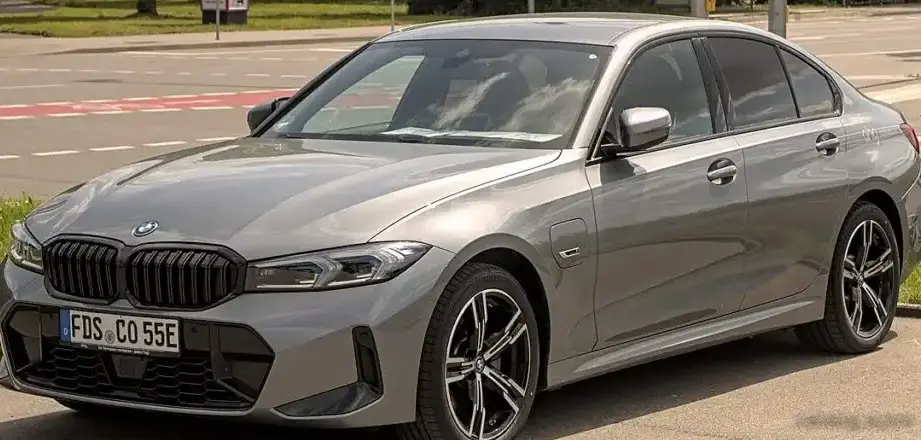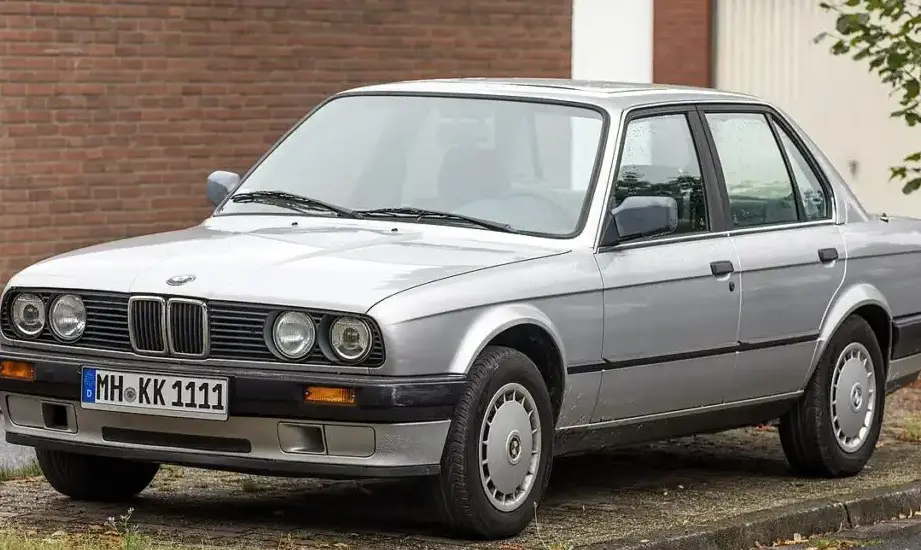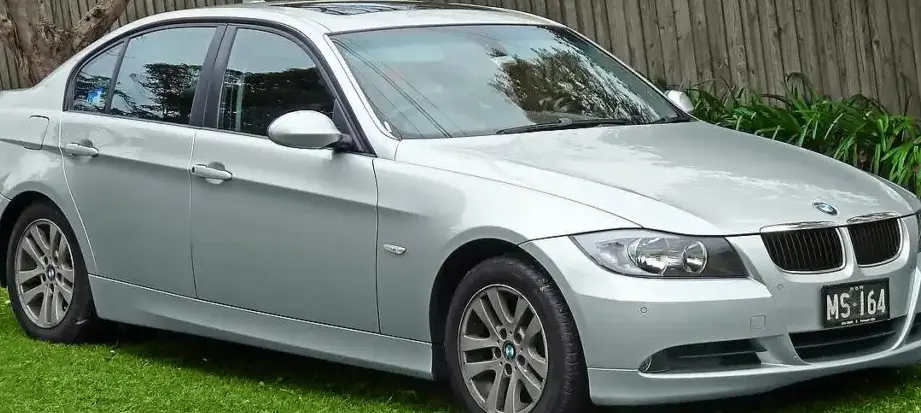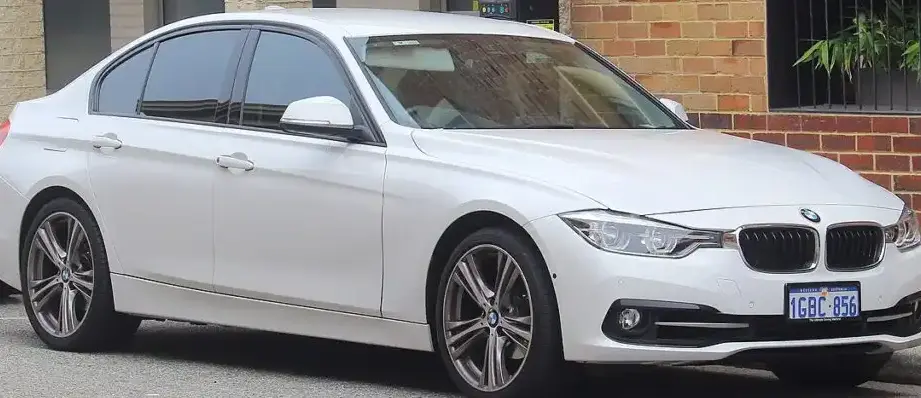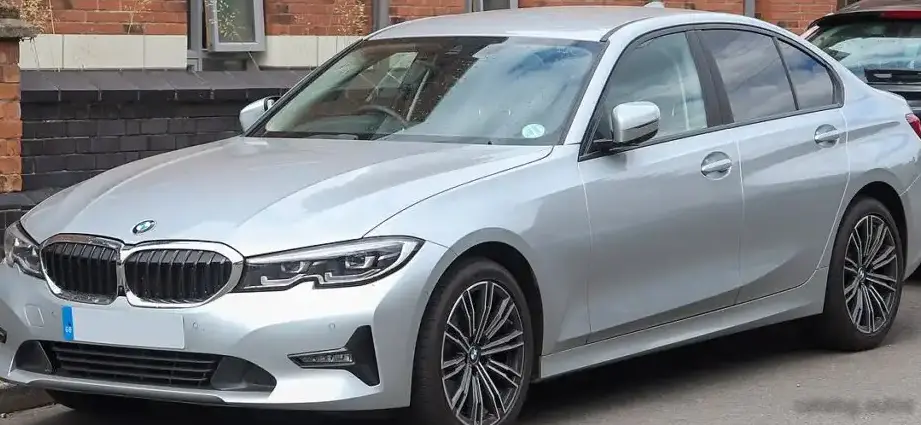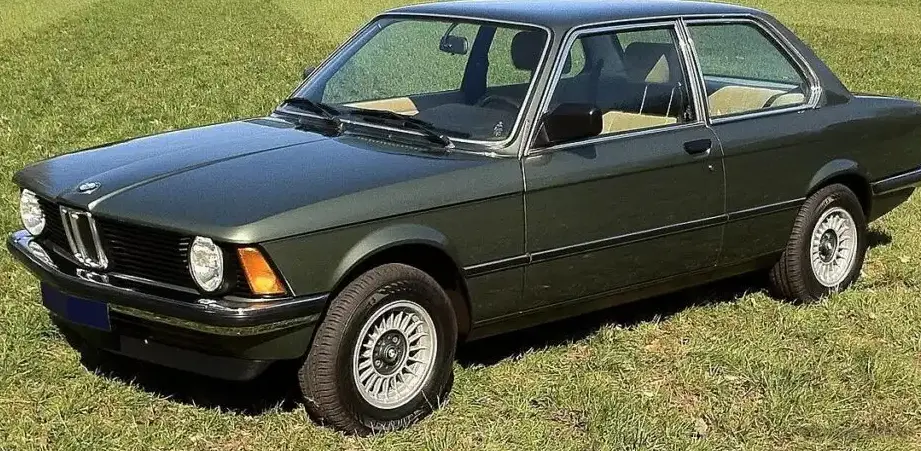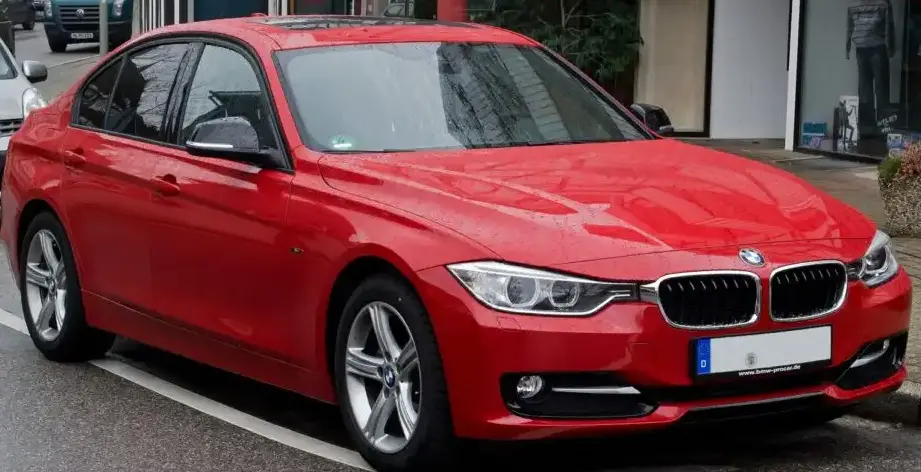
The BMW 3 Series Sedan (F30) 330d xDrive Steptronic, produced from March 2013 to June 2015, represents a significant iteration of BMW’s iconic sports sedan. Positioned as a mid-to-high range offering within the F30 generation, the 330d combined a potent diesel engine with BMW’s xDrive all-wheel-drive system and the Steptronic automatic transmission. This variant aimed to deliver a blend of performance, efficiency, and all-weather capability, appealing to buyers seeking a refined and capable daily driver. It was a key model in BMW’s strategy to offer a diverse range of powertrain options within the 3 Series lineup, catering to varying customer preferences and regional demands, particularly in Europe where diesel engines held a strong market share.
Technical Specifications
| Brand | BMW |
| Model | 3 Series |
| Generation | 3 Series Sedan (F30) |
| Type (Engine) | 330d (258 Hp) xDrive Steptronic |
| Start of production | March, 2013 |
| End of production | June, 2015 |
| Powertrain Architecture | Internal Combustion engine |
| Body type | Sedan |
| Seats | 5 |
| Doors | 4 |
| Fuel consumption (economy) – urban (NEDC) | 6.4 l/100 km (36.8 US mpg, 44.1 UK mpg, 15.6 km/l) |
| Fuel consumption (economy) – extra urban (NEDC) | 4.6 l/100 km (51.1 US mpg, 61.4 UK mpg, 21.7 km/l) |
| Fuel consumption (economy) – combined (NEDC) | 5.2 l/100 km (45.2 US mpg, 54.3 UK mpg, 19.2 km/l) |
| CO2 emissions (NEDC) | 137 g/km |
| Fuel Type | Diesel |
| Acceleration 0 – 100 km/h | 5.3 sec |
| Acceleration 0 – 62 mph | 5.3 sec |
| Acceleration 0 – 60 mph | 5 sec |
| Maximum speed | 250 km/h (155.34 mph), Electronically limited |
| Emission standard | Euro 5 |
| Weight-to-power ratio | 6.2 kg/Hp, 160.2 Hp/tonne |
| Weight-to-torque ratio | 2.9 kg/Nm, 347.8 Nm/tonne |
| Power | 258 Hp @ 4000 rpm |
| Torque | 560 Nm @ 1500-3000 rpm (413.03 lb.-ft. @ 1500-3000 rpm) |
| Engine layout | Front, Longitudinal |
| Engine Model/Code | N57D30A |
| Engine displacement | 2993 cm3 (182.64 cu. in.) |
| Number of cylinders | 6 |
| Engine configuration | Inline |
| Cylinder Bore | 84 mm (3.31 in.) |
| Piston Stroke | 90 mm (3.54 in.) |
| Compression ratio | 16.5:1 |
| Number of valves per cylinder | 4 |
| Fuel injection system | Diesel Commonrail |
| Engine aspiration | Turbocharger, Intercooler |
| Valvetrain | DOHC |
| Engine oil capacity | 6.5 l (6.87 US qt | 5.72 UK qt) |
| Coolant | 7.2 l (7.61 US qt | 6.34 UK qt) |
| Kerb Weight | 1610 kg (3549.44 lbs.) |
| Max. weight | 2150 kg (4739.94 lbs.) |
| Max load | 540 kg (1190.5 lbs.) |
| Trunk (boot) space – minimum | 480 l (16.95 cu. ft.) |
| Fuel tank capacity | 57 l (15.06 US gal | 12.54 UK gal) |
| Max. roof load | 75 kg (165.35 lbs.) |
| Permitted trailer load with brakes (12%) | 1800 kg (3968.32 lbs.) |
| Permitted trailer load without brakes | 750 kg (1653.47 lbs.) |
| Permitted towbar download | 75 kg (165.35 lbs.) |
| Length | 4624 mm (182.05 in.) |
| Width | 1811 mm (71.3 in.) |
| Width including mirrors | 2031 mm (79.96 in.) |
| Height | 1429 mm (56.26 in.) |
| Wheelbase | 2810 mm (110.63 in.) |
| Front track | 1531 mm (60.28 in.) |
| Rear (Back) track | 1570 mm (61.81 in.) |
| Front overhang | 776 mm (30.55 in.) |
| Rear overhang | 1038 mm (40.87 in.) |
| Drag coefficient (Cd) | 0.29 |
| Minimum turning circle (turning diameter) | 11.7 m (38.39 ft.) |
| Drivetrain Architecture | The Internal combustion engine (ICE) drives permanently the four wheels of the vehicle. |
| Drive wheel | All wheel drive (4×4) |
| Number of gears and type of gearbox | 8 gears, automatic transmission Steptronic |
| Front suspension | Spring Strut, Transverse stabilizer |
| Rear suspension | Independent multi-link spring suspension with stabilizer |
| Front brakes | Ventilated discs |
| Rear brakes | Ventilated discs |
| Assisting systems | ABS (Anti-lock braking system) |
| Steering type | Steering rack and pinion |
| Power steering | Electric Steering |
| Tires size | Front wheel tires: 225/50 R17; 225/45 R18; 225/40 R19; 225/35 R20Rear wheel tires: 225/50 R17; 225/45 R18; 255/40 R18; 255/35 R19; 255/30 R20 |
| Wheel rims size | Front wheel rims: 7.5J x 17; 8J x 18; 8J x 19; 8J x 20Rear wheel rims: 7.5J x 17; 8J x 18; 8.5J x 18; 8.5J x 19; 8.5J x 20 |
Powertrain & Engine Architecture
The heart of the 330d xDrive Steptronic is the N57D30A, a 3.0-liter inline-six diesel engine. This engine is a cornerstone of BMW’s diesel technology, known for its smooth operation and strong torque output. The N57 family utilizes a common-rail direct injection system, delivering fuel at extremely high pressures for optimized combustion. The N57D30A specifically features a variable geometry turbocharger (VGT) and an intercooler, enhancing both power and efficiency. The engine also incorporates double overhead camshafts (DOHC) and four valves per cylinder, contributing to its high volumetric efficiency. The Steptronic 8-speed automatic transmission is a crucial component, offering smooth and quick shifts. It’s programmed for both comfort and performance, adapting to driving style and conditions. The transmission’s wide gear ratio spread helps to maximize fuel economy while providing ample acceleration.
Driving Characteristics
The 330d xDrive Steptronic delivers a distinctly different driving experience compared to its gasoline-powered siblings or even the lower-powered diesel variants. The abundant 560 Nm (413 lb-ft) of torque, available from just 1500 rpm, provides effortless acceleration in everyday driving situations. The xDrive all-wheel-drive system ensures excellent traction, particularly in inclement weather. While not as overtly sporty as the 335i, the 330d offers a refined and confident driving experience. The 8-speed automatic transmission contributes to this, providing seamless gear changes and keeping the engine within its optimal power band. Compared to a manual transmission version, the Steptronic offers convenience and ease of use, but some drivers may find it slightly less engaging. The 0-60 mph time of around 5 seconds is respectable, placing it firmly in the performance sedan category.
Equipment & Trim Levels
The 330d xDrive Steptronic typically came well-equipped as a mid-range to upper-mid-range trim. Standard features included leather upholstery, automatic climate control, a BMW iDrive infotainment system with a central display screen, and a premium sound system. xDrive all-wheel drive was standard, as was a suite of safety features like ABS, stability control, and multiple airbags. Optional extras included features like a navigation system, a head-up display, adaptive cruise control, and upgraded interior trim options. The interior design was typical BMW, emphasizing a driver-focused layout with high-quality materials and a clean, modern aesthetic.
Chassis & Braking
The F30 3 Series utilizes a MacPherson strut front suspension and a multi-link rear suspension, providing a good balance between comfort and handling. The 330d, being a heavier variant due to the diesel engine and xDrive system, often featured slightly stiffer springs and dampers compared to the base models. Braking duties are handled by ventilated disc brakes on all four wheels, providing ample stopping power. The electronic stability control system integrates with the brakes to enhance safety and control. The xDrive system actively distributes torque between the front and rear axles, optimizing traction and stability in various driving conditions.
Market Reception & Comparison
The 330d xDrive Steptronic was generally well-received by automotive critics. It was praised for its strong performance, excellent fuel economy, and all-weather capability. Compared to the 328i (later 330i) gasoline models, the 330d offered superior torque and fuel efficiency, albeit with a slightly heavier feel. Against the 320d, it provided a significant power upgrade. Reliability was generally good, although diesel particulate filter (DPF) issues could occur with infrequent long-distance driving. Fuel economy figures of around 45 mpg combined were a major selling point, particularly in Europe where diesel fuel was often cheaper than gasoline.
Legacy
The N57D30A engine has proven to be a durable and reliable powerplant, with many examples exceeding high mileage with proper maintenance. The F30 330d xDrive Steptronic remains a popular choice in the used car market, offering a compelling combination of performance, efficiency, and practicality. While modern BMWs have moved towards more turbocharged gasoline engines and hybrid technology, the 330d represents a high point in BMW’s diesel offerings, and continues to be appreciated by enthusiasts who value its unique blend of attributes. Regular maintenance, including oil changes and DPF servicing, is crucial for ensuring the long-term reliability of this powertrain.