Technical Specifications
| Brand | Fiat |
| Model | Panda |
| Generation | Panda III (319) |
| Type (Engine) | 1.2 (69 Hp) LPG |
| Start of production | 2018 year |
| End of production | 2020 year |
| Powertrain Architecture | Internal Combustion engine |
| Body type | Hatchback |
| Seats | 4-5 |
| Doors | 5 |
| Fuel consumption (economy) – urban | 7.4 l/100 km (31.8 US mpg, 38.2 UK mpg, 13.5 km/l) |
| Fuel consumption (economy) – urban (LPG) | 9.3 l/100 km |
| Fuel consumption (economy) – extra urban | 4.8 l/100 km (49 US mpg, 58.9 UK mpg, 20.8 km/l) |
| Fuel consumption (economy) – extra urban (LPG) | 6.1 l/100 km |
| Fuel consumption (economy) – combined | 5.7 l/100 km (41.3 US mpg, 49.6 UK mpg, 17.5 km/l) |
| Fuel consumption (economy) – combined (LPG) | 7.3 l/100 km |
| CO2 emissions | 131 g/km |
| CO2 emissions (LPG) | 118 g/km |
| Fuel Type | Petrol / LPG |
| Acceleration 0 – 100 km/h | 14.5 sec |
| Acceleration 0 – 62 mph | 14.5 sec |
| Acceleration 0 – 60 mph | 13.8 sec |
| Maximum speed | 164 km/h (101.9 mph) |
| Emission standard | Euro 6d – Temp |
| Weight-to-power ratio | 15.3 kg/Hp, 65.4 Hp/tonne |
| Weight-to-torque ratio | 10.3 kg/Nm, 96.7 Nm/tonne |
| Power | 69 Hp @ 5500 rpm |
| Power per litre | 55.6 Hp/l |
| Torque | 102 Nm @ 3000 rpm (75.23 lb.-ft. @ 3000 rpm) |
| Engine layout | Front, Transverse |
| Engine Model/Code | 169A4000 |
| Engine displacement | 1242 cm3 (75.79 cu. in.) |
| Number of cylinders | 4 |
| Engine configuration | Inline |
| Cylinder Bore | 70.8 mm (2.79 in.) |
| Piston Stroke | 78.9 mm (3.11 in.) |
| Compression ratio | 11.1:1 |
| Number of valves per cylinder | 2 |
| Engine aspiration | Naturally aspirated engine |
| Engine oil capacity | 2.8 l (2.96 US qt | 2.46 UK qt) |
| Coolant | 4.9 l (5.18 US qt | 4.31 UK qt) |
| Kerb Weight | 1055 kg (2325.88 lbs.) |
| Max. weight | 1452 kg (3201.11 lbs.) |
| Max load | 397 kg (875.24 lbs.) |
| Trunk (boot) space – minimum | 200 l (7.06 cu. ft.) |
| Fuel tank capacity | 37 l (9.77 US gal | 8.14 UK gal) |
| Fuel tank capacity (LPG) | 38 l |
| Length | 3653 mm (143.82 in.) |
| Width | 1643 mm (64.69 in.) |
| Height | 1551 mm (61.06 in.) |
| Wheelbase | 2300 mm (90.55 in.) |
| Minimum turning circle | 9.3 m (30.51 ft.) |
| Drivetrain Architecture | The Internal combustion engine (ICE) drives the front wheels of the vehicle. |
| Drive wheel | Front wheel drive |
| Number of gears and type of gearbox | 5 gears, manual transmission |
| Front suspension | Independent, type McPherson with coil spring and anti-roll bar |
| Rear suspension | Torsion |
| Front brakes | Disc, 257 mm |
| Rear brakes | Drum, 203 mm |
| Assisting systems | ABS (Anti-lock braking system) |
| Steering type | Steering rack and pinion |
| Power steering | Electric Steering |
| Wheel rims size | 15; 15 |
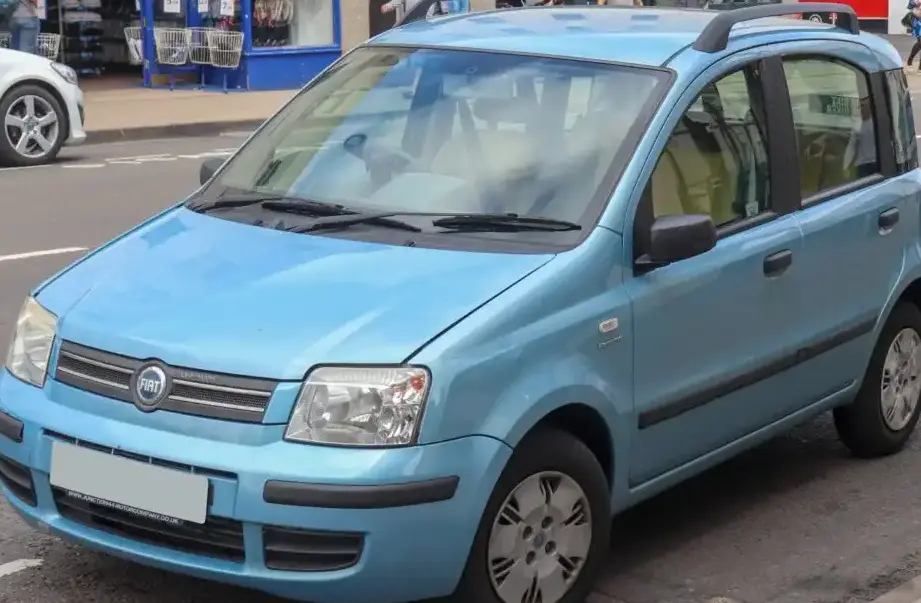
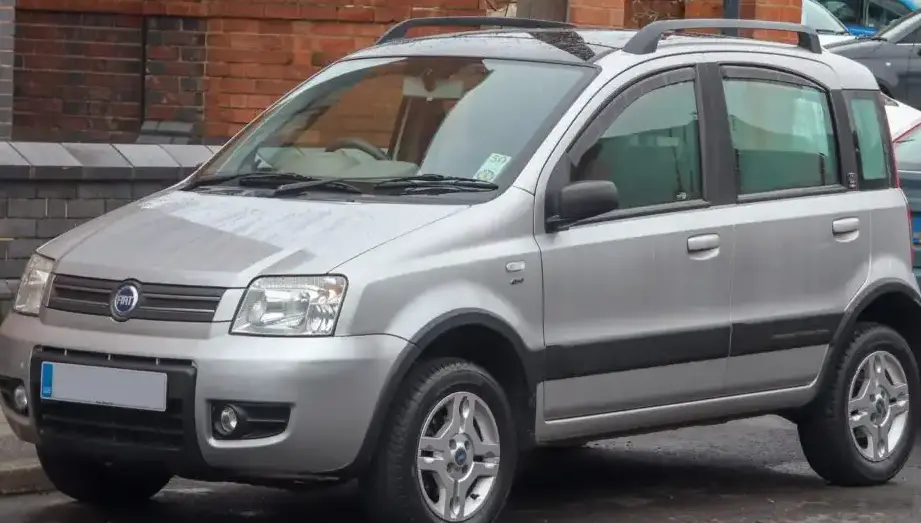
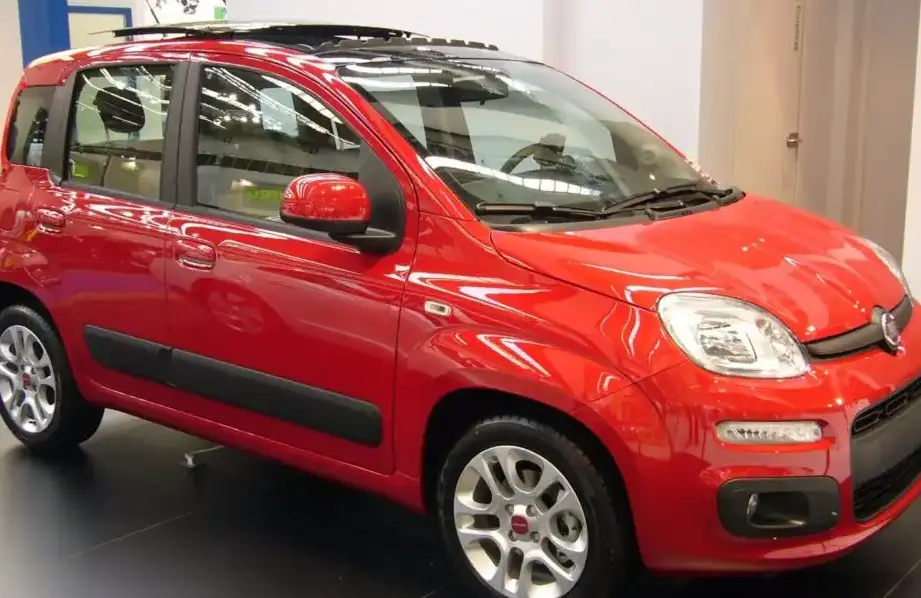
The Fiat Panda III (319) 1.2 (69 hp) LPG, produced from 2018 to 2020, represents a practical and economical entry point into the third generation of Fiat’s iconic city car. Positioned as a budget-friendly option within the Panda lineup, this variant combined a small-displacement petrol engine with the flexibility of LPG (Liquefied Petroleum Gas) conversion, appealing to cost-conscious buyers and those seeking reduced emissions. It was built on the 319 platform, a continuation of the successful formula established by its predecessors – a small, affordable, and functional hatchback designed primarily for urban environments. This model aimed to balance affordability with a degree of environmental responsibility, offering a bi-fuel capability that was increasingly popular in European markets.
Powertrain & Engine Architecture
The heart of the Panda III 1.2 LPG is the 169A4000 engine, a 1.2-liter inline-four cylinder petrol engine. This engine is a naturally aspirated unit, meaning it doesn’t employ turbocharging or supercharging. It utilizes a multi-point fuel injection system, delivering fuel directly into the intake ports. The engine features a single overhead camshaft (SOHC) valvetrain with two valves per cylinder. The LPG conversion is typically a factory-fitted system, integrating seamlessly with the petrol engine and allowing the driver to switch between fuels. The LPG system utilizes a dedicated ECU to manage fuel delivery and ensure optimal combustion when running on gas. The engine is transversely mounted at the front of the vehicle, driving the front wheels. The 5-speed manual transmission was the standard offering for this variant, chosen for its simplicity and contribution to fuel efficiency. The gearbox ratios are geared towards maximizing fuel economy and providing adequate acceleration for city driving.
Driving Characteristics
The 69 hp output and 102 Nm of torque of the 1.2 LPG engine translate to modest, but adequate, performance. Acceleration from 0-60 mph takes around 13.8 seconds, and the top speed is approximately 102 mph. In real-world driving, the Panda 1.2 LPG feels best suited to urban environments and slower country roads. The engine requires frequent gear changes to maintain momentum, especially when climbing hills or overtaking. Compared to higher-output versions of the Panda, such as those with the 1.2 FireFly engine, this variant feels noticeably slower. However, the LPG system provides a smoother and quieter driving experience when running on gas, and the combined fuel economy can be quite competitive, particularly for drivers who frequently switch between petrol and LPG depending on fuel prices.
Equipment & Trim Levels
The 1.2 LPG variant of the Panda III typically came with a basic, but functional, level of equipment. Standard features generally included power steering, central locking, electric front windows, and an ABS anti-lock braking system. Interior upholstery was typically cloth, with a simple dashboard layout. Optional extras could include air conditioning, a radio with Bluetooth connectivity, and alloy wheels. The trim level was generally considered entry-level, focusing on providing a cost-effective and practical transportation solution. The emphasis was on functionality rather than luxury.
Chassis & Braking
The Panda III utilizes a McPherson strut suspension setup at the front, providing a comfortable ride quality, particularly on smoother roads. The rear suspension employs a torsion beam, which is a simple and cost-effective design. The front brakes are disc brakes, while the rear brakes are drum brakes. This configuration is typical for vehicles in this weight class and price range. The steering is electrically assisted, providing light and easy steering feel, ideal for maneuvering in tight urban spaces.
Market Reception & Comparison
The Fiat Panda III 1.2 LPG was generally well-received as a budget-friendly and economical city car. Critics praised its practicality, low running costs, and ease of driving. However, the engine’s limited power output was often noted as a drawback. Compared to other Panda variants, such as the 1.2 petrol, the LPG version offered a lower total cost of ownership for drivers who could take advantage of cheaper LPG fuel prices. It also offered a slightly lower CO2 emissions figure, appealing to environmentally conscious buyers. Compared to competitors like the Toyota Aygo and Volkswagen Up!, the Panda offered a unique blend of affordability, practicality, and the added benefit of bi-fuel capability.
Legacy
The 1.2 LPG engine, while not known for being particularly powerful or technologically advanced, has proven to be relatively reliable. The LPG conversion, when properly maintained, adds little to the overall maintenance burden. In the used car market, the Panda III 1.2 LPG remains a popular choice for first-time car buyers, city dwellers, and those seeking a cheap and cheerful runaround. Its low running costs and simple mechanicals make it an attractive option for those on a tight budget. However, potential buyers should ensure that the LPG system has been regularly serviced and inspected to ensure its continued safe and efficient operation.