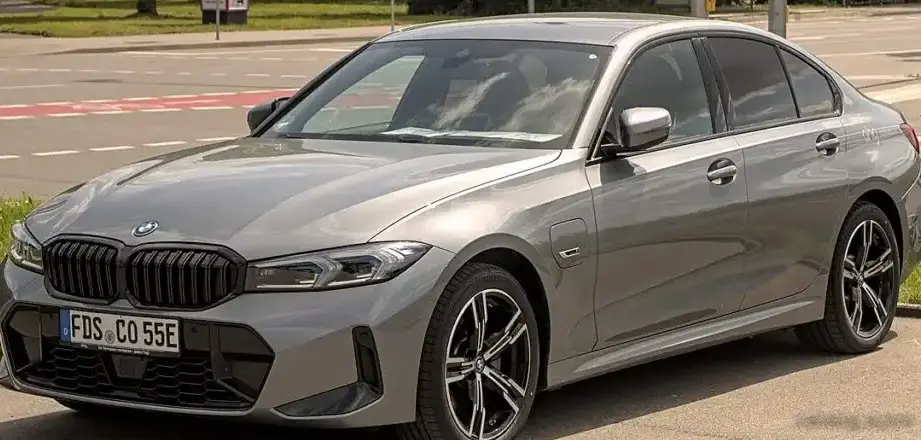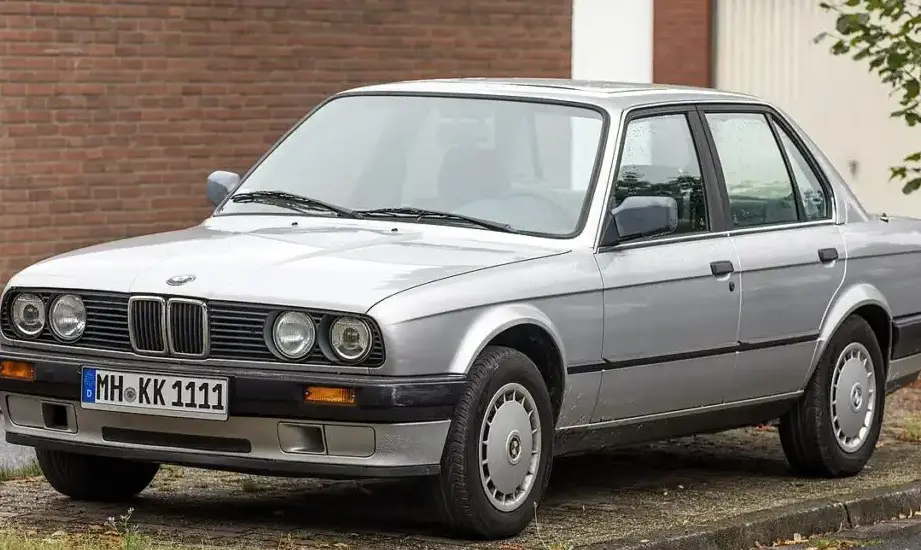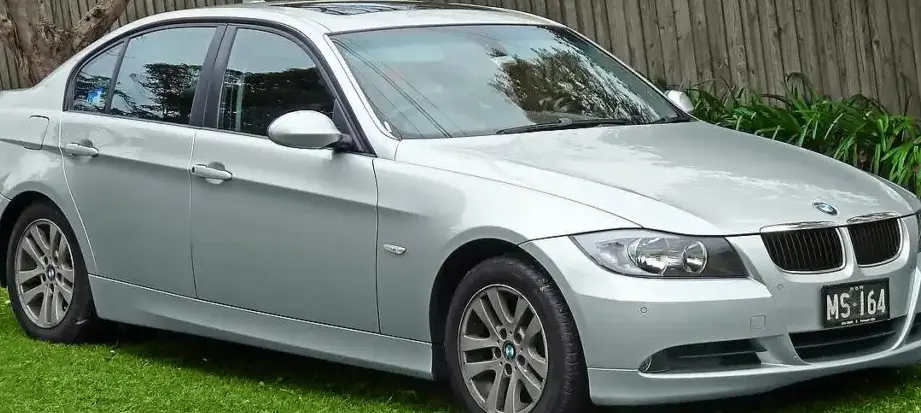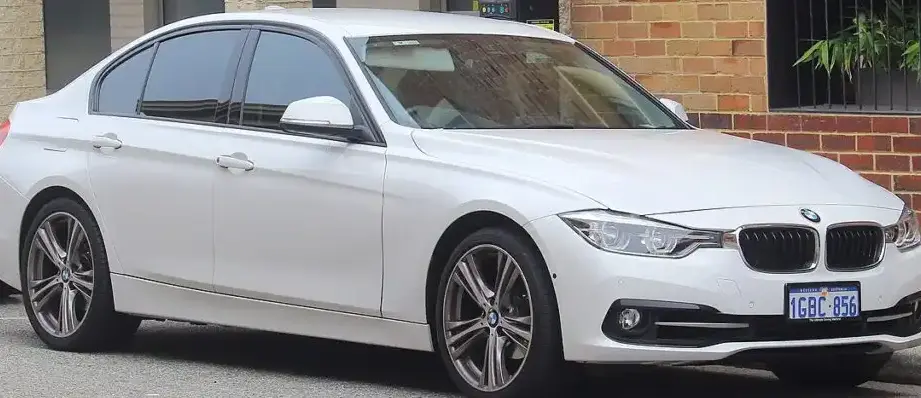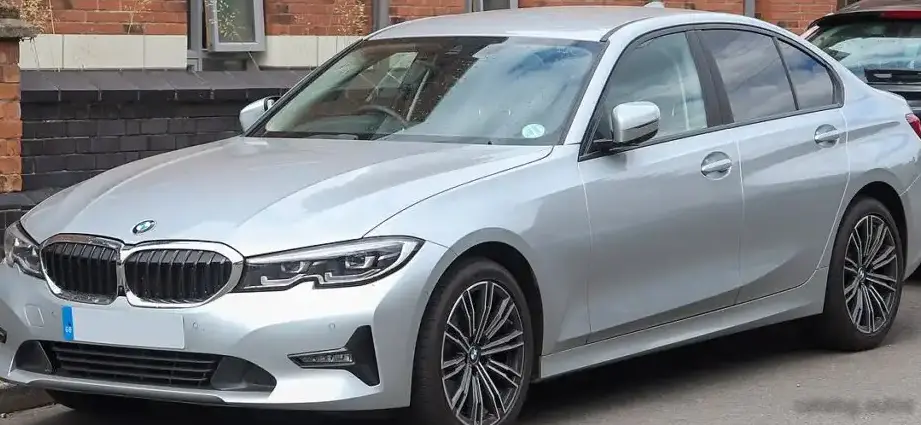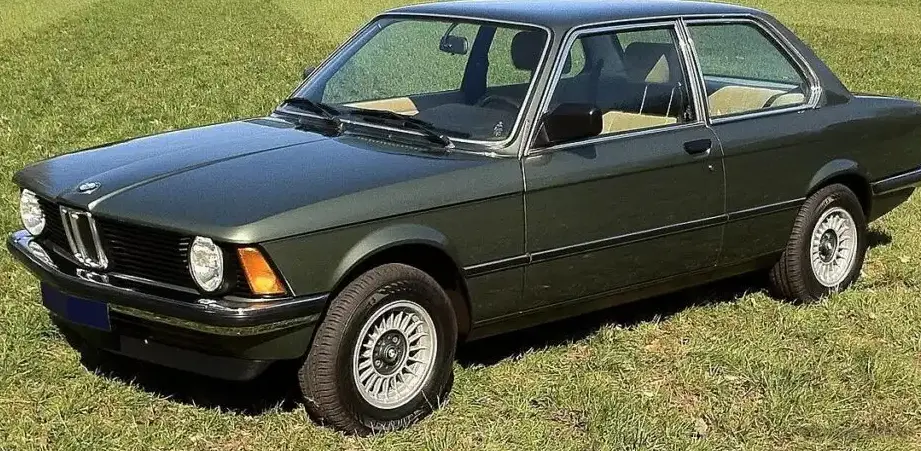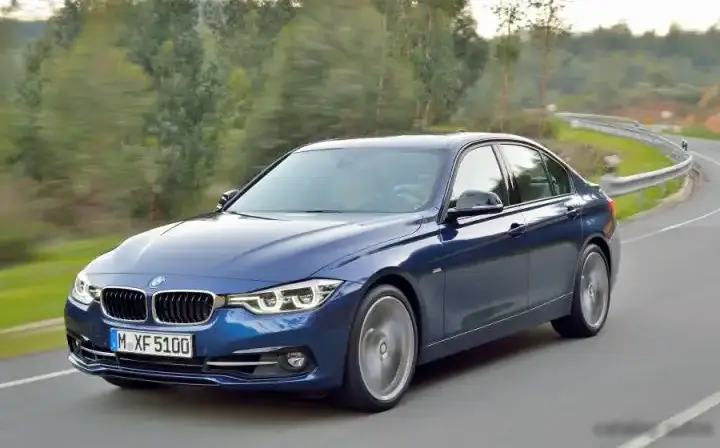
The BMW 320d Steptronic, part of the F30 3 Series lineup produced from 2015 to 2018, represented a significant offering in the compact executive car segment. This variant, powered by a 2.0-liter turbocharged diesel engine producing 190 horsepower, was positioned as a balance between fuel efficiency and respectable performance. It catered to buyers seeking a premium sedan experience with lower running costs than the more powerful 330i or 335i models. The “LCI” designation refers to the Life Cycle Impulse, BMW’s term for a mid-cycle refresh, bringing updated styling and technology to the F30 platform.
Technical Specifications
| Brand | BMW |
| Model | 3 Series |
| Generation | 3 Series Sedan (F30 LCI, Facelift 2015) |
| Type (Engine) | 320d (190 Hp) Steptronic |
| Start of production | 2015 |
| End of production | 2018 |
| Powertrain Architecture | Internal Combustion engine |
| Body type | Sedan |
| Seats | 5 |
| Doors | 4 |
| Fuel consumption (economy) – urban (NEDC) | 4.8-5.2 l/100 km (49 – 45.2 US mpg, 58.9 – 54.3 UK mpg, 20.8 – 19.2 km/l) |
| Fuel consumption (economy) – extra urban (NEDC) | 3.6-3.9 l/100 km (65.3 – 60.3 US mpg, 78.5 – 72.4 UK mpg, 27.8 – 25.6 km/l) |
| Fuel consumption (economy) – combined (NEDC) | 4-4.4 l/100 km (58.8 – 53.5 US mpg, 70.6 – 64.2 UK mpg, 25 – 22.7 km/l) |
| CO2 emissions (NEDC) | 106-116 g/km |
| Fuel Type | Diesel |
| Acceleration 0 – 100 km/h | 7.2 sec |
| Acceleration 0 – 62 mph | 7.2 sec |
| Acceleration 0 – 60 mph | 6.8 sec |
| Maximum speed | 230 km/h (142.92 mph) |
| Emission standard | Euro 6 |
| Weight-to-power ratio | 7.6 kg/Hp, 131 Hp/tonne |
| Weight-to-torque ratio | 3.6 kg/Nm, 275.9 Nm/tonne |
| Power | 190 Hp @ 4000 rpm |
| Torque | 400 Nm @ 1750-2500 rpm (295.02 lb.-ft. @ 1750-2500 rpm) |
| Engine layout | Front, Longitudinal |
| Engine Model/Code | B47D20A |
| Engine displacement | 1995 cm3 (121.74 cu. in.) |
| Number of cylinders | 4 |
| Engine configuration | Inline |
| Cylinder Bore | 84 mm (3.31 in.) |
| Piston Stroke | 90 mm (3.54 in.) |
| Compression ratio | 16.5:1 |
| Number of valves per cylinder | 4 |
| Fuel injection system | Diesel Commonrail |
| Engine aspiration | Twin-power turbo, Intercooler |
| Valvetrain | DOHC |
| Engine oil capacity | 5 l (5.28 US qt | 4.4 UK qt) |
| Coolant | 7 l (7.4 US qt | 6.16 UK qt) |
| Kerb Weight | 1450 kg (3196.7 lbs.) |
| Max. weight | 2025 kg (4464.36 lbs.) |
| Max load | 575 kg (1267.66 lbs.) |
| Trunk (boot) space – minimum | 480 l (16.95 cu. ft.) |
| Fuel tank capacity | 57 l (15.06 US gal | 12.54 UK gal) |
| Max. roof load | 75 kg (165.35 lbs.) |
| Permitted trailer load with brakes (8%) | 1800 kg (3968.32 lbs.) |
| Permitted trailer load with brakes (12%) | 1800 kg (3968.32 lbs.) |
| Permitted trailer load without brakes | 745 kg (1642.44 lbs.) |
| Permitted towbar download | 75 kg (165.35 lbs.) |
| Length | 4633 mm (182.4 in.) |
| Width | 1811 mm (71.3 in.) |
| Width including mirrors | 2031 mm (79.96 in.) |
| Height | 1429 mm (56.26 in.) |
| Wheelbase | 2810 mm (110.63 in.) |
| Front track | 1543 mm (60.75 in.) |
| Rear (Back) track | 1583 mm (62.32 in.) |
| Front overhang | 779 mm (30.67 in.) |
| Rear overhang | 1044 mm (41.1 in.) |
| Ride height (ground clearance) | 140 mm (5.51 in.) |
| Drag coefficient (Cd) | 0.26 |
| Minimum turning circle (turning diameter) | 11.3 m (37.07 ft.) |
| Drivetrain Architecture | The Internal combustion engine (ICE) drives the rear wheels of the vehicle. |
| Drive wheel | Rear wheel drive |
| Number of gears and type of gearbox | 8 gears, automatic transmission Steptronic |
| Front suspension | Spring Strut, Transverse stabilizer |
| Rear suspension | Independent multi-link spring suspension with stabilizer |
| Front brakes | Ventilated discs |
| Rear brakes | Ventilated discs |
| Assisting systems | ABS (Anti-lock braking system) |
| Steering type | Steering rack and pinion |
| Power steering | Electric Steering |
| Tires size | Front wheel tires: 205/60 R16; 225/55 R16; 225/50 R17; 225/45 R18; 225/40 R19Rear wheel tires: 205/60 R16; 225/55 R16; 225/50 R17; 225/45 R18; 255/40 R18; 255/35 R19 |
| Wheel rims size | Front wheel rims: 7J x 16; 7.5J x 16; 7.5J x 17; 8J x 18; 8J x 19Rear wheel rims: 7J x 16; 7.5J x 16; 7.5J x 17; 8J x 18; 8.5J x 18; 8.5J x 19 |
Powertrain & Engine Architecture
The heart of the 320d Steptronic is the BMW B47D20A, a 2.0-liter inline-four cylinder diesel engine. This engine is a member of BMW’s modular engine family, known for its efficiency and refinement. It utilizes a second-generation common rail direct fuel injection system, delivering fuel at pressures up to 2,000 bar for optimized combustion. The B47 features a single twin-scroll turbocharger with variable geometry turbine (VGT) technology, enhancing responsiveness and minimizing turbo lag. The engine also incorporates an intercooler to further cool the intake air, increasing power output. The valvetrain employs Double Overhead Camshafts (DOHC) with four valves per cylinder. Paired with this engine is BMW’s 8-speed Steptronic automatic transmission. This transmission is known for its smooth shifts and wide gear ratio spread, contributing to both fuel efficiency and performance. The transmission features steering wheel-mounted paddle shifters for manual control.
Driving Characteristics
The 320d Steptronic offered a comfortable and refined driving experience. While not as overtly sporty as the gasoline-powered 330i, the 320d provided ample torque – 400 Nm (295 lb-ft) – available from a low 1750 rpm. This made it well-suited for everyday driving and overtaking maneuvers. The 8-speed automatic transmission contributed to smooth acceleration, and the gear ratios were well-chosen for both fuel economy and performance. Compared to the 6-speed manual transmission available on some 320d models, the Steptronic offered greater convenience, particularly in urban traffic. However, some enthusiasts found the manual transmission more engaging. Acceleration from 0 to 60 mph took approximately 6.8 seconds, a respectable figure for a diesel-powered sedan.
Equipment & Trim Levels
The 320d Steptronic typically came standard with features such as automatic climate control, power windows and locks, a multi-function steering wheel, and BMW’s iDrive infotainment system with a central display screen. Upholstery was generally cloth, with leather options available as an upgrade. Common optional extras included a sunroof, navigation system, premium sound system, and parking sensors. Higher trim levels, such as the Luxury Line or Sport Line, added cosmetic enhancements like unique exterior trim, interior accents, and sport seats. The M Sport package offered even more aggressive styling and performance-oriented features.
Chassis & Braking
The F30 3 Series utilized a MacPherson strut front suspension and a multi-link rear suspension. The 320d typically featured a stabilizer bar on both axles to reduce body roll during cornering. Braking systems consisted of ventilated disc brakes on all four wheels, providing ample stopping power. Anti-lock Braking System (ABS) and Electronic Stability Control (ESC) were standard safety features. The suspension tuning was geared towards comfort, providing a smooth ride over most road surfaces. The rear suspension setup was designed to minimize intrusion into the trunk space.
Market Reception & Comparison
The 320d Steptronic was generally well-received by automotive critics. It was praised for its fuel efficiency, comfortable ride, and refined engine. However, some reviewers noted that the engine lacked the outright performance of its gasoline counterparts. Compared to the 328i (later 330i), the 320d offered significantly better fuel economy but less horsepower and acceleration. Against other diesel-powered competitors, such as the Audi A4 TDI and Mercedes-Benz C-Class Diesel, the 320d held its own in terms of performance, refinement, and technology. Its fuel economy figures of 40-44 mpg combined were a major selling point for many buyers.
Legacy
The B47 engine, found in the 320d Steptronic, has proven to be a relatively reliable powertrain, although some early models experienced issues with the timing chain. Proper maintenance, including regular oil changes and adherence to BMW’s service intervals, is crucial for long-term reliability. On the used car market, the F30 320d Steptronic remains a popular choice for buyers seeking a well-rounded and fuel-efficient luxury sedan. Its combination of comfort, performance, and practicality continues to make it a compelling option in its price range. The availability of parts and qualified mechanics also contributes to its continued appeal.