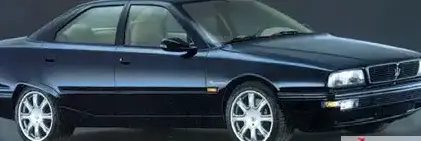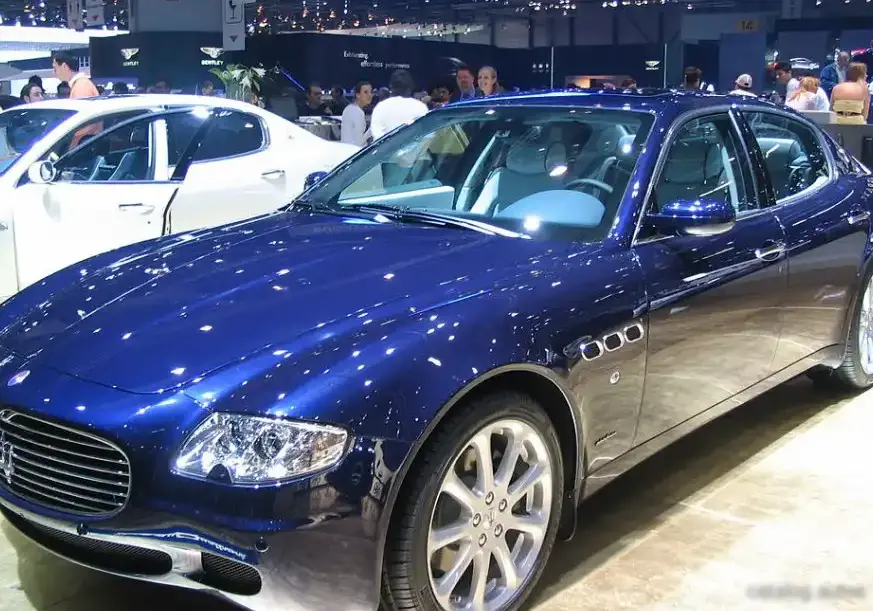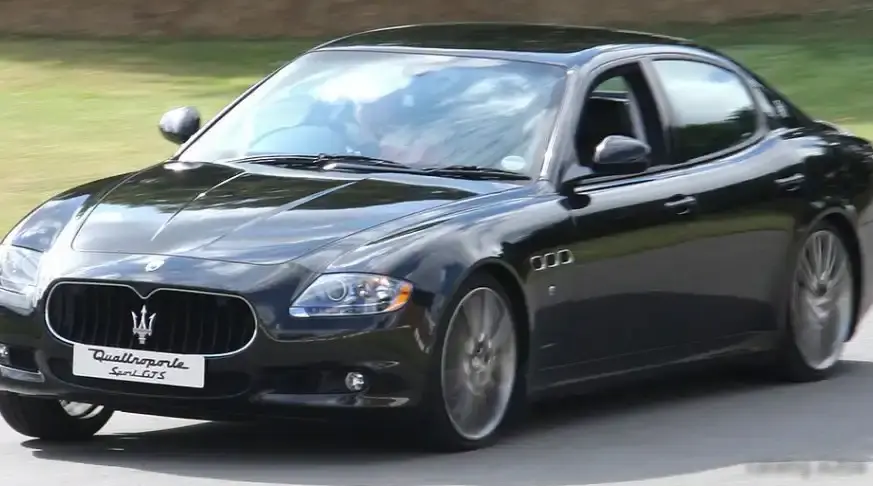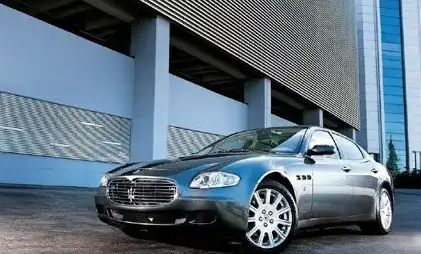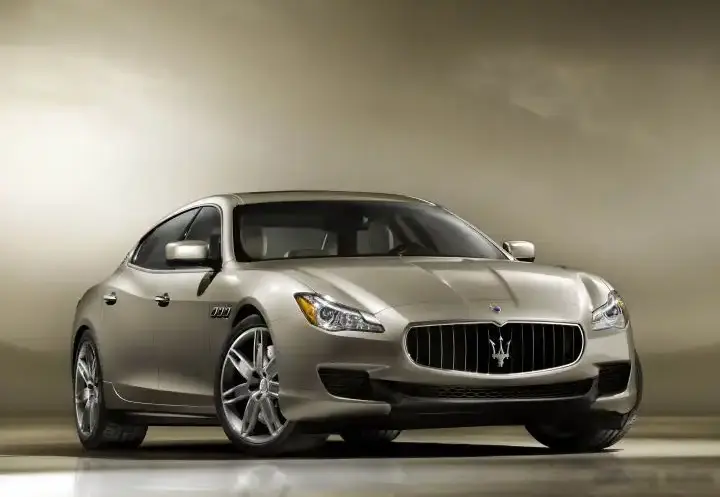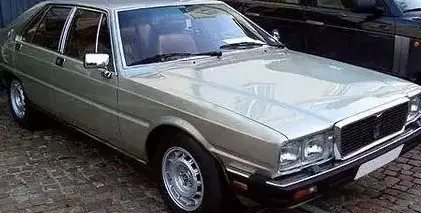
The Maserati Quattroporte III 4.9, produced between 1978 and 1988, represents a pivotal moment in the storied history of Maserati’s flagship sedan. This iteration, part of the third generation of the Quattroporte (designated the 1978-1990 series), aimed to blend Italian luxury with high performance, continuing the tradition established by its predecessors. The 4.9-liter variant occupied the top echelon of the range, offering the most potent engine option and catering to a clientele seeking a truly exclusive grand touring experience. It was a direct response to market demands for a more powerful and refined Quattroporte, solidifying Maserati’s position as a manufacturer of sophisticated, hand-built automobiles.
Technical Specifications
| Brand | Maserati |
| Model | Quattroporte |
| Generation | Quattroporte III |
| Type (Engine) | 4.9 (280 Hp) |
| Start of production | 1978 |
| End of production | 1988 |
| Powertrain Architecture | Internal Combustion engine |
| Body type | Sedan |
| Seats | 5 |
| Doors | 4 |
| Fuel consumption (combined) | 19.5 l/100 km (12.1 US mpg, 14.5 UK mpg, 5.1 km/l) |
| Fuel Type | Petrol (Gasoline) |
| Acceleration 0 – 100 km/h | 7 sec |
| Acceleration 0 – 62 mph | 7 sec |
| Acceleration 0 – 60 mph | 6.7 sec |
| Maximum speed | 230 km/h (142.92 mph) |
| Weight-to-power ratio | 6.8 kg/Hp, 147.4 Hp/tonne |
| Weight-to-torque ratio | 4.8 kg/Nm, 206.8 Nm/tonne |
| Power | 280 Hp @ 5600 rpm |
| Power per litre | 56.8 Hp/l |
| Torque | 393 Nm @ 3200 rpm (289.86 lb.-ft. @ 3200 rpm) |
| Engine layout | Front, Longitudinal |
| Engine Model/Code | 107.23.49 |
| Engine displacement | 4930 cm3 (300.85 cu. in.) |
| Number of cylinders | 8 |
| Engine configuration | V-engine |
| Cylinder Bore | 93.98 mm (3.7 in.) |
| Piston Stroke | 88.9 mm (3.5 in.) |
| Compression ratio | 8.5:1 |
| Number of valves per cylinder | 2 |
| Fuel injection system | Carburettor |
| Engine aspiration | Naturally aspirated engine |
| Valvetrain | DOHC |
| Kerb Weight | 1900 kg (4188.78 lbs.) |
| Max. weight | 2325 kg (5125.75 lbs.) |
| Max load | 425 kg (936.96 lbs.) |
| Trunk (boot) space – minimum | 600 l (21.19 cu. ft.) |
| Length | 4980 mm (196.06 in.) |
| Width | 1790 mm (70.47 in.) |
| Height | 1350 mm (53.15 in.) |
| Wheelbase | 2800 mm (110.24 in.) |
| Front track | 1525 mm (60.04 in.) |
| Rear (Back) track | 1525 mm (60.04 in.) |
| Drivetrain Architecture | The Internal combustion engine (ICE) drives the rear wheels of the vehicle. |
| Drive wheel | Rear wheel drive |
| Number of gears and type of gearbox | 5 gears, manual transmission |
| Front suspension | Independent coil spring |
| Rear suspension | Independent coil spring, Transverse stabilizer |
| Front brakes | Disc |
| Rear brakes | Disc |
| Steering type | Steering rack and pinion |
| Power steering | Hydraulic Steering |
| Tires size | 215/70 R15 |
| Wheel rims size | 7.5J x 15 |
Powertrain & Engine Architecture
The heart of the Quattroporte III 4.9 is its 4.9-liter, naturally aspirated V8 engine, designated the 107.23.49. This engine is a significant departure from the earlier six-cylinder versions, offering a substantial increase in power and torque. The engine utilizes a traditional carbureted fuel injection system, a common practice for high-performance engines of the era. The engine features a double overhead camshaft (DOHC) valvetrain, operating two valves per cylinder, contributing to its responsive nature. The engine’s longitudinal front-engine layout and rear-wheel drive configuration were hallmarks of Maserati’s engineering philosophy. The 4.9L engine was paired exclusively with a five-speed manual transmission, designed to handle the engine’s substantial output and provide a direct connection between driver and machine.
Driving Characteristics
The Quattroporte III 4.9 delivers a driving experience characterized by smooth power delivery and a refined character. The 280 horsepower and 393 Nm (289.86 lb-ft) of torque provide brisk acceleration, with a 0-60 mph time of approximately 6.7 seconds and a top speed of 230 km/h (142.92 mph). Compared to the lower-powered versions, the 4.9 offers a noticeably more engaging and dynamic driving experience. The five-speed manual transmission allows for precise control over the engine’s powerband, while the independent suspension provides a comfortable ride without sacrificing handling. The car feels substantial and planted on the road, embodying the grand touring spirit of the era.
Equipment & Trim Levels
The 4.9 variant of the Quattroporte III was positioned as the premium offering in the lineup. Standard equipment included luxurious leather upholstery, power windows, central locking, and a high-quality audio system. The interior was meticulously crafted with wood trim and polished metal accents, reflecting Maserati’s commitment to craftsmanship. Optional extras included a sunroof, air conditioning, and upgraded audio systems. The exterior was typically finished in elegant metallic paint colors, with chrome accents adding to the car’s sophisticated appearance.
Chassis & Braking
The Quattroporte III 4.9 features a robust chassis with independent coil spring suspension at all four corners. A transverse stabilizer bar at the rear enhances handling stability. The braking system consists of disc brakes on all wheels, providing ample stopping power. The steering is a rack and pinion system with hydraulic power assistance, offering precise and responsive control. The car rides on 215/70 R15 tires mounted on 7.5J x 15 inch wheels.
Market Reception & Comparison
The Quattroporte III 4.9 was well-received by automotive critics, who praised its performance, luxury, and build quality. However, its high price and relatively low production numbers limited its market reach. Compared to other grand touring cars of the era, such as the BMW 7 Series and Mercedes-Benz S-Class, the Quattroporte offered a more exclusive and sporting driving experience. Fuel economy, at 19.5 l/100 km, was typical for a high-performance V8 of the time, but significantly lower than its German competitors. Reliability was generally good, but maintenance costs were high due to the car’s complex engineering and the need for specialized parts.
Legacy
The Maserati Quattroporte III 4.9 remains a highly sought-after classic car today. Its combination of Italian style, powerful V8 engine, and luxurious interior has earned it a devoted following among collectors and enthusiasts. The 4.9-liter engine is known for its durability and responsiveness, although regular maintenance is essential to keep it in top condition. The car’s rarity and historical significance contribute to its increasing value in the used car market. The Quattroporte III 4.9 represents a high point in Maserati’s history, embodying the brand’s commitment to building exceptional grand touring automobiles.