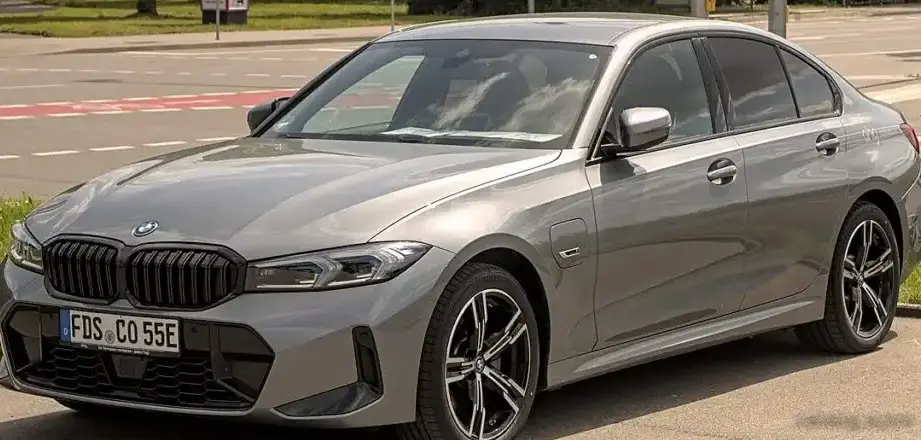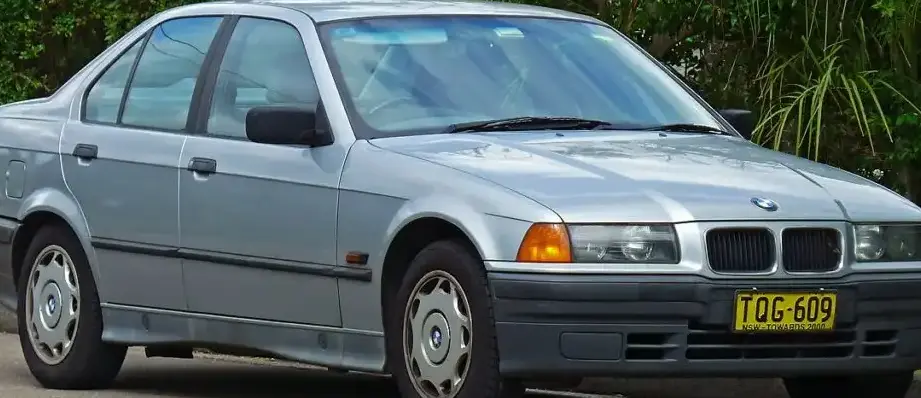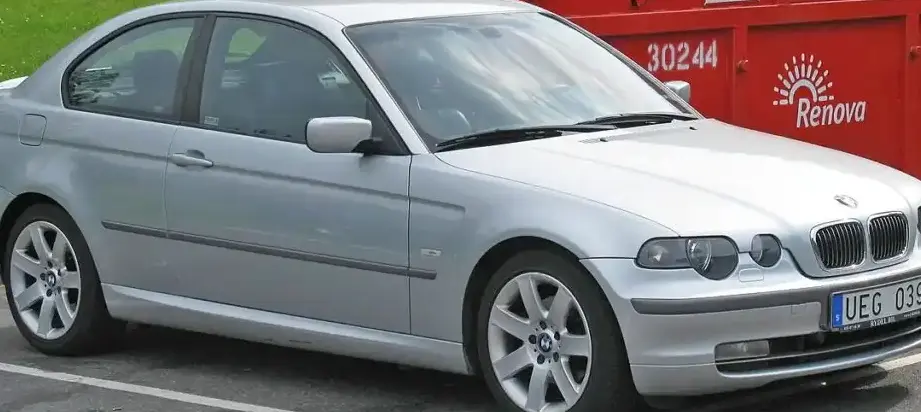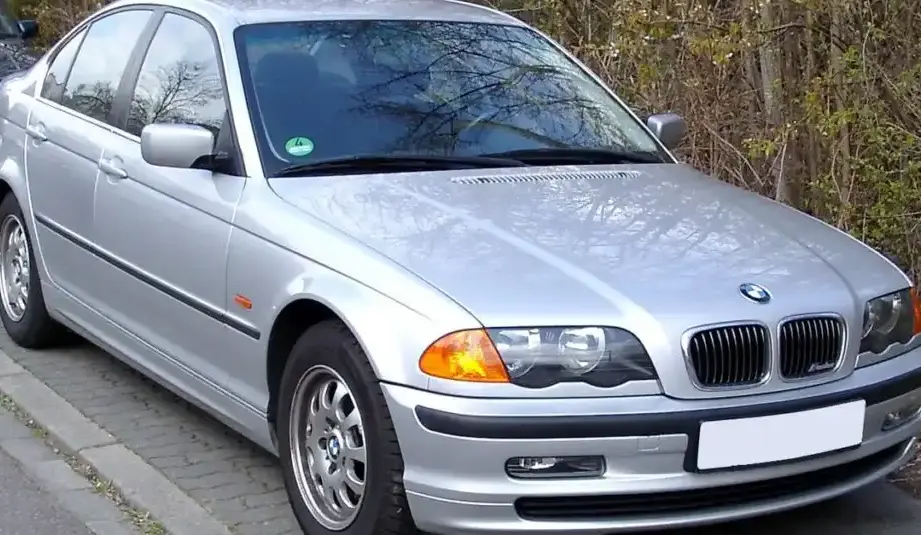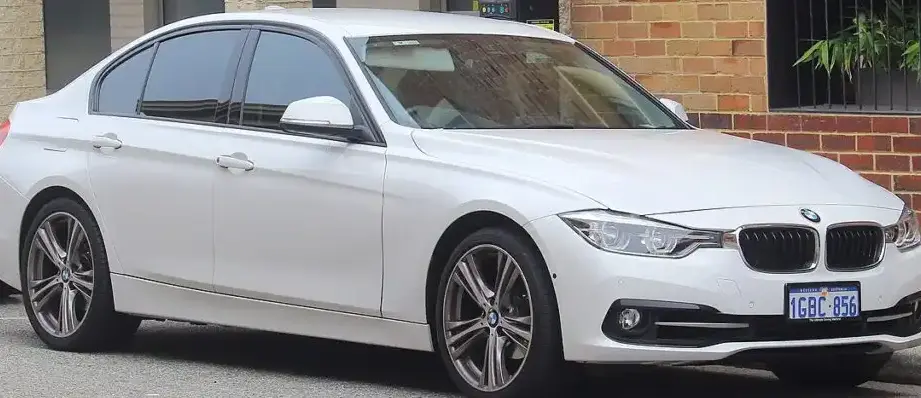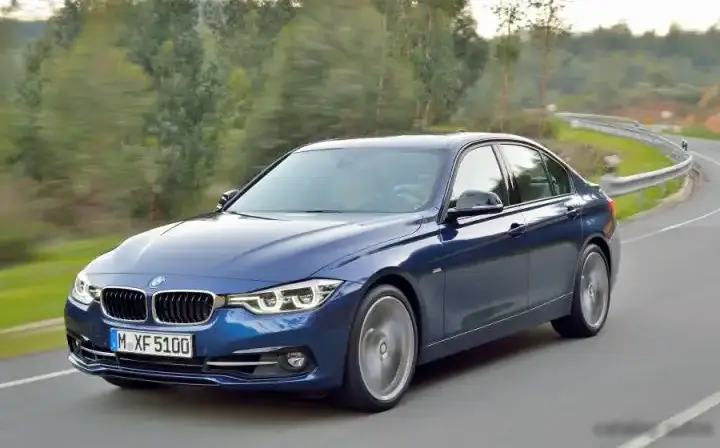
The BMW 3 Series Sedan (F30 LCI), specifically the 320i xDrive variant produced from 2015 to 2018, represents a mid-cycle refresh of the sixth-generation 3 Series. This model, built on the F30 platform, aimed to balance fuel efficiency, accessible performance, and BMW’s signature driving dynamics. The “LCI” (Life Cycle Impulse) designation signifies BMW’s facelift, introducing revised styling, updated technology, and refined engine options. The 320i xDrive occupied a key position in the lineup as an entry-level offering with all-wheel drive, appealing to buyers seeking a premium sedan with all-weather capability. It served as a stepping stone into the 3 Series range, positioned below the more powerful 328i and 330i models.
Technical Specifications
| Brand | BMW |
| Model | 3 Series |
| Generation | 3 Series Sedan (F30 LCI, Facelift 2015) |
| Type (Engine) | 320i (184 Hp) xDrive |
| Start of production | 2015 |
| End of production | 2018 |
| Powertrain Architecture | Internal Combustion engine |
| Body type | Sedan |
| Seats | 5 |
| Doors | 4 |
| Fuel consumption (urban) | 9.0-8.4 l/100 km (26.1 – 28 US mpg, 31.4 – 33.6 UK mpg, 11.1 – 11.9 km/l) |
| Fuel consumption (extra urban) | 5.5-5.2 l/100 km (42.8 – 45.2 US mpg, 51.4 – 54.3 UK mpg, 18.2 – 19.2 km/l) |
| Fuel consumption (combined) | 6.8-6.4 l/100 km (34.6 – 36.8 US mpg, 41.5 – 44.1 UK mpg, 14.7 – 15.6 km/l) |
| CO2 emissions | 159-149 g/km |
| Fuel Type | Petrol (Gasoline) |
| Acceleration 0 – 100 km/h | 7.5 sec |
| Acceleration 0 – 62 mph | 7.5 sec |
| Acceleration 0 – 60 mph | 7.1 sec |
| Maximum speed | 232 km/h (144.16 mph) |
| Emission standard | Euro 6 |
| Weight-to-power ratio | 8.3 kg/Hp, 121.1 Hp/tonne |
| Weight-to-torque ratio | 5.6 kg/Nm, 177.6 Nm/tonne |
| Power | 184 Hp @ 5000-6500 rpm |
| Power per litre | 92.1 Hp/l |
| Torque | 270 Nm @ 1350-4600 rpm (199.14 lb.-ft. @ 1350-4600 rpm) |
| Engine layout | Front, Longitudinal |
| Engine Model/Code | B48B20A |
| Engine displacement | 1998 cm3 (121.93 cu. in.) |
| Number of cylinders | 4 |
| Engine configuration | Inline |
| Cylinder Bore | 82 mm (3.23 in.) |
| Piston Stroke | 94.6 mm (3.72 in.) |
| Compression ratio | 11:1 |
| Number of valves per cylinder | 4 |
| Fuel injection system | Direct injection |
| Engine aspiration | Twin-power turbo, Intercooler |
| Engine oil capacity | 5 l (5.28 US qt | 4.4 UK qt) |
| Coolant | 7.8 l (8.24 US qt | 6.86 UK qt) |
| Kerb Weight | 1520 kg (3351.03 lbs.) |
| Max. weight | 2095 kg (4618.68 lbs.) |
| Max load | 575 kg (1267.66 lbs.) |
| Trunk (boot) space – minimum | 480 l (16.95 cu. ft.) |
| Fuel tank capacity | 60 l (15.85 US gal | 13.2 UK gal) |
| Max. roof load | 75 kg (165.35 lbs.) |
| Permitted trailer load with brakes (12%) | 1700 kg (3747.86 lbs.) |
| Permitted trailer load without brakes | 750 kg (1653.47 lbs.) |
| Permitted towbar download | 75 kg (165.35 lbs.) |
| Length | 4633 mm (182.4 in.) |
| Width | 1811 mm (71.3 in.) |
| Height | 1434 mm (56.46 in.) |
| Wheelbase | 2810 mm (110.63 in.) |
| Front track | 1542 mm (60.71 in.) |
| Rear (Back) track | 1582 mm (62.28 in.) |
| Ride height (ground clearance) | 145 mm (5.71 in.) |
| Drag coefficient (Cd) | 0.28 |
| Minimum turning circle (turning diameter) | 11.7 m (38.39 ft.) |
| Drive wheel | All wheel drive (4×4) |
| Number of gears and type of gearbox | 6 gears, manual transmission |
| Front suspension | Independent coil spring |
| Rear suspension | Independent multi-link suspension |
| Front brakes | Ventilated discs |
| Rear brakes | Ventilated discs |
| Assisting systems | ABS (Anti-lock braking system) |
| Steering type | Steering rack and pinion |
| Power steering | Electric Steering |
| Tires size | 205/60 R16 92W |
| Wheel rims size | 7.0J x 16 |
Powertrain & Engine Architecture
The 320i xDrive utilized BMW’s B48B20A 2.0-liter inline-four cylinder engine. This engine is a member of BMW’s modular engine family, characterized by a compact design and advanced technologies. It features a single, twin-scroll turbocharger, direct fuel injection, and variable valve timing (VANOS) and valve lift (Valvetronic) systems. These technologies work in concert to optimize power delivery, fuel efficiency, and emissions. The B48 engine produces 184 horsepower at 5,000-6,500 rpm and 270 Nm (199 lb-ft) of torque between 1,350 and 4,600 rpm. The engine is longitudinally mounted, a traditional BMW layout, and paired with a six-speed manual transmission in this configuration. The xDrive all-wheel-drive system employs a multi-plate clutch to distribute torque between the front and rear axles, enhancing traction and stability in various driving conditions.
Driving Characteristics
The 320i xDrive offered a balanced driving experience. While not as overtly sporty as the higher-output 328i or 330i models, it provided adequate acceleration and responsiveness for everyday driving. The six-speed manual transmission allowed for engaging driver control, although the gear ratios were tuned for fuel economy rather than outright performance. Acceleration from 0 to 60 mph took approximately 7.1 seconds. The xDrive system provided confident handling in inclement weather, minimizing wheelspin and maximizing grip. Compared to rear-wheel-drive variants, the 320i xDrive offered increased stability, but some purists noted a slight reduction in the playful, tail-out handling characteristics traditionally associated with BMWs.
Equipment & Trim Levels
The 320i xDrive came standard with a respectable array of features, including automatic climate control, power windows and locks, a multi-function steering wheel, and BMW’s iDrive infotainment system with a 6.5-inch display screen. Upholstery was typically cloth, although leatherette or full leather options were available. Optional extras included a sunroof, navigation system, upgraded audio system, parking sensors, and driver assistance features such as lane departure warning and collision warning. The interior design was typical BMW, emphasizing functionality and a driver-focused layout.
Chassis & Braking
The F30 3 Series featured a sophisticated chassis design. The front suspension utilized independent coil springs and struts, while the rear suspension employed a multi-link setup. This configuration provided a comfortable ride and precise handling. The 320i xDrive was equipped with ventilated disc brakes on all four wheels, providing ample stopping power. The anti-lock braking system (ABS) and electronic stability control (ESC) were standard features, enhancing safety and control. The suspension tuning was generally geared towards comfort, with a focus on absorbing road imperfections.
Market Reception & Comparison
The 320i xDrive was generally well-received by automotive critics as a practical and well-rounded entry-level luxury sedan. It was praised for its fuel efficiency, comfortable ride, and all-weather capability. However, some reviewers noted that the engine lacked the punch of its more powerful siblings. Compared to the 328i, the 320i offered lower running costs but sacrificed some performance. The 320d (diesel) variant provided similar fuel economy with more torque, but the gasoline engine offered a smoother and quieter driving experience. The 320i xDrive appealed to buyers who prioritized practicality and affordability over outright performance.
Legacy
The B48 engine family has proven to be relatively reliable, although some early models experienced issues with oil leaks and cooling system components. The 320i xDrive remains a popular choice in the used car market, offering a good balance of value, features, and driving dynamics. Its all-wheel-drive system and relatively low maintenance costs make it an attractive option for buyers in regions with harsh winters or challenging road conditions. While not a collector’s item, the F30 320i xDrive represents a solid and dependable entry point into the BMW brand.