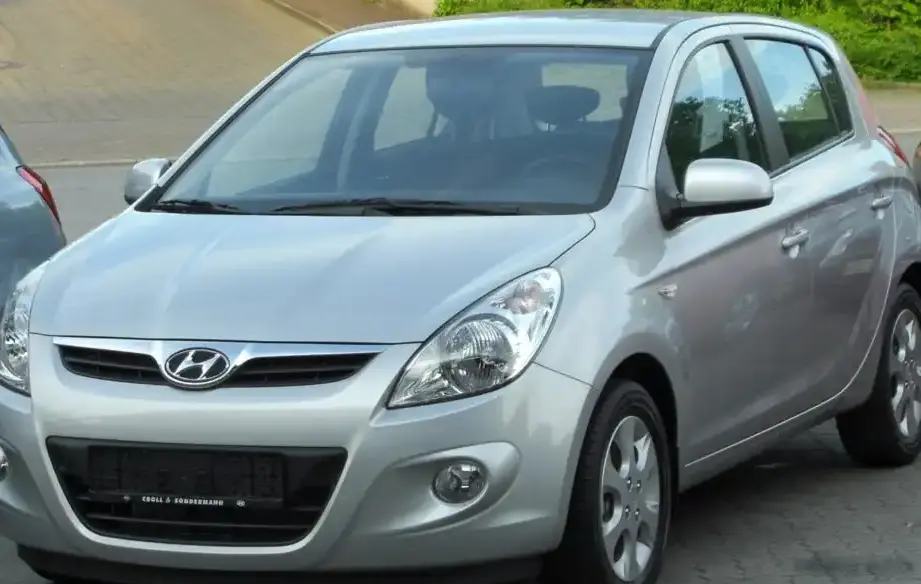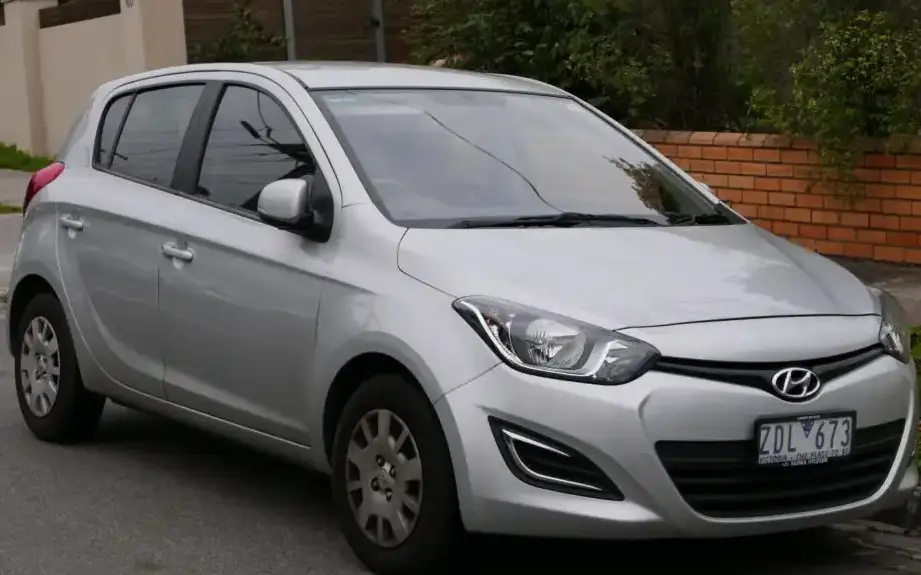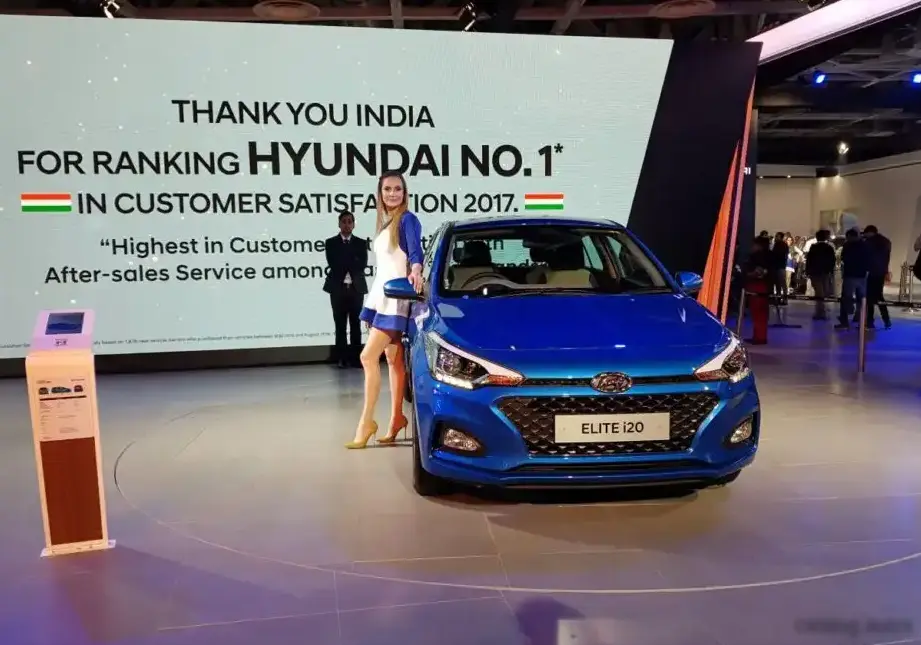
The Hyundai i20 II Elite facelift, specifically the 1.4 U2 CRDi variant producing 90 horsepower, was a key model in Hyundai’s European lineup from May 2018 until 2020. Positioned as an entry-level diesel option within the i20 range, it aimed to provide fuel efficiency and practicality for urban commuters and small families. This iteration of the i20, built on the PB platform (internally designated as the i20 II), represented a significant refresh of the second-generation i20, with styling updates and revised equipment levels. The 1.4 CRDi 90 hp model served as a bridge between the base petrol engines and the more powerful diesel alternatives, offering a balance of cost and performance.
Technical Specifications
| Brand | Hyundai |
| Model | i20 |
| Generation | i20 II Elite (facelift 2018) |
| Type (Engine) | 1.4 U2 CRDi (90 Hp) |
| Start of production | May, 2018 |
| End of production | 2020 |
| Powertrain Architecture | Internal Combustion engine |
| Body type | Hatchback |
| Seats | 5 |
| Doors | 5 |
| Fuel Type | Diesel |
| Power | 90 Hp @ 4000 rpm |
| Power per litre | 64.5 Hp/l |
| Torque | 220 Nm @ 1500-2750 rpm (162.26 lb.-ft. @ 1500-2750 rpm) |
| Engine layout | Front, Transverse |
| Engine Model/Code | D4FC |
| Engine displacement | 1396 cm3 (85.19 cu. in.) |
| Number of cylinders | 4 |
| Engine configuration | Inline |
| Number of valves per cylinder | 4 |
| Fuel injection system | Diesel Commonrail |
| Engine aspiration | Turbocharger, Intercooler |
| Valvetrain | DOHC |
| Engine oil capacity | 5.3 l (5.6 US qt | 4.66 UK qt) |
| Coolant | 6.4 l (6.76 US qt | 5.63 UK qt) |
| Fuel tank capacity | 40 l (10.57 US gal | 8.8 UK gal) |
| Length | 3985 mm (156.89 in) |
| Width | 1734 mm (68.27 in) |
| Height | 1505 mm (59.25 in) |
| Wheelbase | 2570 mm (101.18 in) |
| Drivetrain Architecture | The Internal combustion engine (ICE) drives the front wheels of the vehicle. |
| Drive wheel | Front wheel drive |
| Number of gears and type of gearbox | 6 gears, manual transmission |
| Front suspension | Independent, type McPherson with coil spring and anti-roll bar |
| Rear suspension | Torsion |
| Front brakes | Disc |
| Rear brakes | Drum |
| Assisting systems | ABS (Anti-lock braking system) |
| Tires size | 185/70 R14; 185/65 R15; 195/55 R16 |
| Wheel rims size | 14; 15; 16 |
Powertrain & Engine Architecture
The heart of the i20 1.4 U2 CRDi was the D4FC engine, a 1.4-liter inline-four cylinder diesel. This engine utilized a second-generation common rail direct injection system, delivering fuel at extremely high pressures for optimized combustion. The turbocharger, coupled with an intercooler, helped to boost power and torque while maintaining reasonable fuel efficiency. The engine featured a double overhead camshaft (DOHC) valvetrain with four valves per cylinder, contributing to its relatively smooth operation for a diesel. The 90 horsepower output was achieved at 4000 rpm, while the peak torque of 220 Nm (162 lb-ft) was available from a low 1500 rpm, extending to 2750 rpm. This broad torque curve was a key characteristic, providing good responsiveness in everyday driving situations. The engine also incorporated a Start & Stop System, further enhancing fuel economy in urban environments.
Driving Characteristics
The 1.4 CRDi 90 hp i20 offered a practical and economical driving experience. While not particularly sporty, the engine provided sufficient power for typical commuting and highway driving. The six-speed manual transmission was well-matched to the engine’s characteristics, allowing drivers to keep the engine in its optimal torque band. Compared to the higher-output 1.6 CRDi variants, the 1.4 felt less strained during acceleration, but naturally lacked the same outright pace. The gear ratios were tuned for fuel efficiency, with a relatively long final drive. This resulted in a comfortable cruising experience but meant that the engine could feel a little underpowered when fully loaded or tackling steep inclines. The steering was light and precise, making it easy to maneuver in city traffic.
Equipment & Trim Levels
The i20 II Elite facelift, in its 1.4 CRDi 90 hp guise, typically came equipped with a reasonable level of standard features. These included air conditioning, electric front windows, a USB port for audio connectivity, and a basic audio system. Safety features such as ABS, ESC (Electronic Stability Control), and multiple airbags were also standard. The “Elite” trim level generally added features like alloy wheels, a leather-wrapped steering wheel, and a more sophisticated infotainment system. Optional extras included a rear parking sensor, a reversing camera, and a panoramic sunroof. Interior upholstery was typically cloth, with a dark color scheme. The dashboard layout was functional and user-friendly, with a clear instrument cluster and logically arranged controls.
Chassis & Braking
The i20 II Elite utilized a McPherson strut front suspension with a coil spring and anti-roll bar, providing a comfortable and controlled ride. The rear suspension employed a torsion beam setup, which was a cost-effective solution that offered adequate handling characteristics for the vehicle’s intended purpose. The front brakes were ventilated discs, while the rear brakes were drums. This configuration was typical for vehicles in this weight class and price range. ABS (Anti-lock Braking System) was standard, enhancing braking performance and stability, particularly on slippery surfaces. The steering system was an electric power-assisted steering (EPS) system, providing light and responsive steering feel.
Market Reception & Comparison
The Hyundai i20 1.4 CRDi 90 hp was generally well-received by automotive critics as a practical and fuel-efficient city car. It was praised for its comfortable ride, spacious interior, and competitive pricing. However, some reviewers noted that the engine lacked the refinement and performance of some of its rivals. Compared to the petrol-powered i20 variants, the 1.4 CRDi offered significantly better fuel economy, making it an attractive option for high-mileage drivers. In comparison to the more powerful 1.6 CRDi, the 1.4 was more affordable to purchase and insure, but offered less performance. The 1.4 CRDi also competed with other small diesel hatchbacks, such as the Volkswagen Polo and the Ford Fiesta, offering a compelling value proposition.
Legacy
The Hyundai i20 II Elite 1.4 U2 CRDi 90 hp has proven to be a relatively reliable powertrain in the used car market. The D4FC engine is known for its durability, and with regular maintenance, it can provide many years of trouble-free service. Common issues are typically related to the diesel particulate filter (DPF), particularly on vehicles that are primarily used for short journeys. However, these issues can often be mitigated with proper maintenance and occasional DPF regeneration cycles. Today, these i20s represent an affordable and economical option for buyers seeking a practical and fuel-efficient small hatchback. Their relatively low running costs and proven reliability make them a sensible choice for urban commuters and first-time car owners.