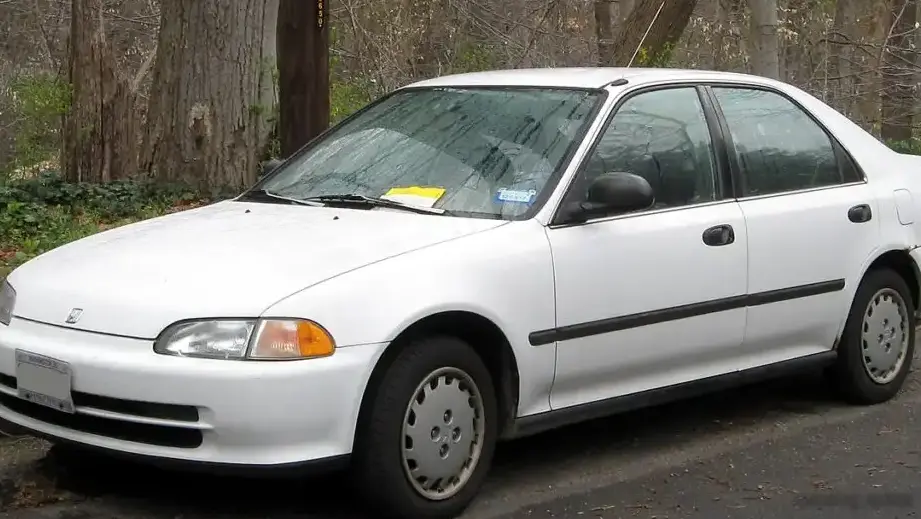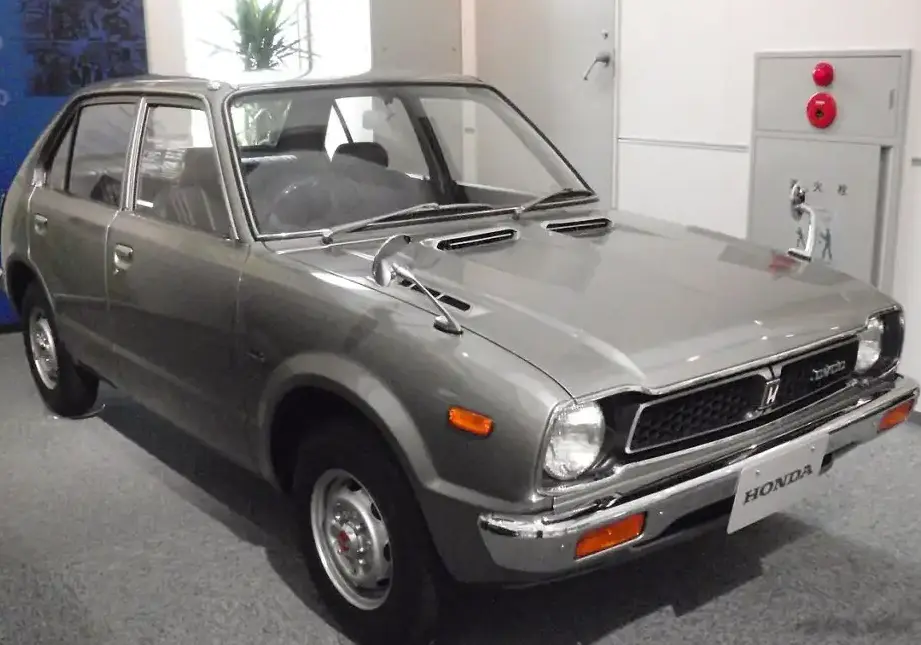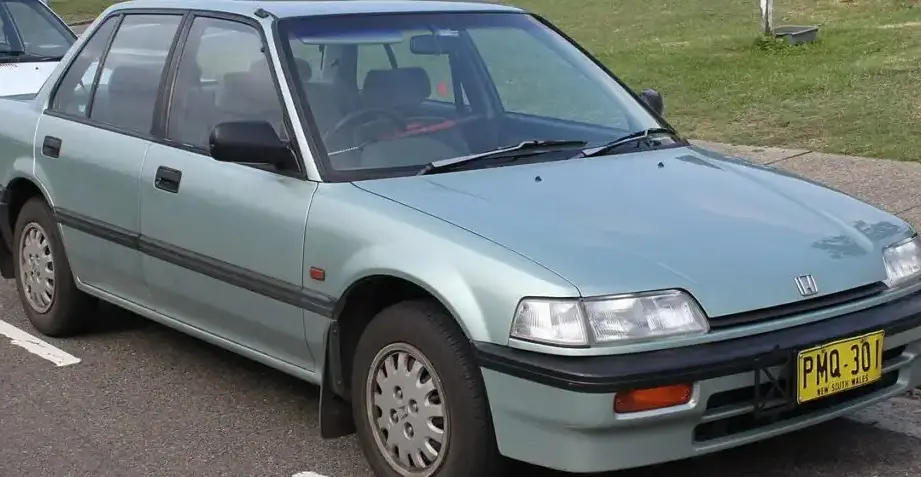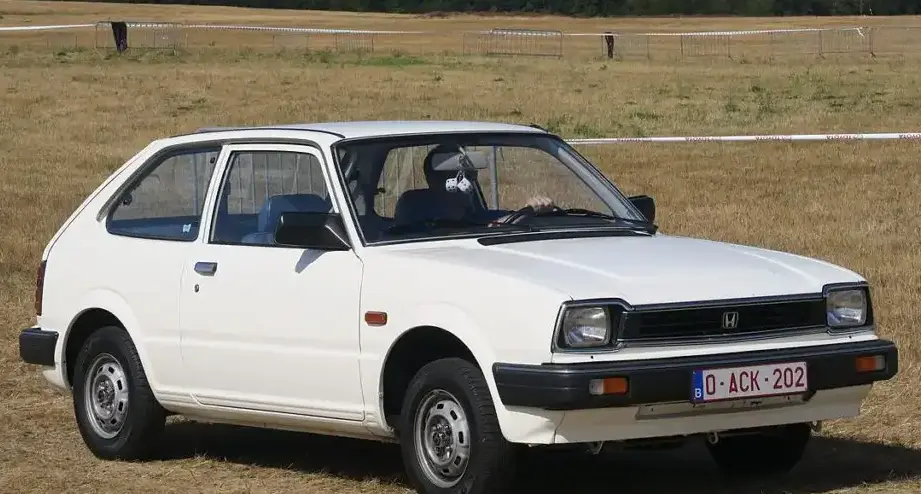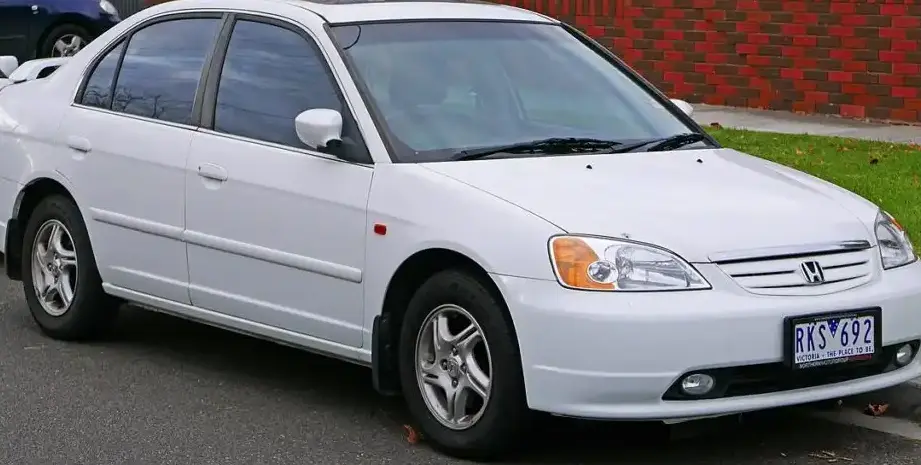
The Honda Civic III 1.3, producing 71 horsepower, represents an important iteration in the evolution of Honda’s popular compact car. Produced between 1983 and 1987, this variant occupied a key position in the Civic lineup, offering an economical and reliable transportation option during a period of increasing fuel efficiency demands. It was part of the third-generation Civic (internally designated as the “EF” chassis in some markets, though this designation is more commonly associated with the subsequent generation), which brought significant refinements over its predecessors, including a more spacious interior and improved aerodynamics. This particular 1.3-liter engine and transmission combination was primarily aimed at buyers seeking affordability and practicality, rather than outright performance.
Technical Specifications
| Brand | Honda |
| Model | Civic |
| Generation | Civic III |
| Type (Engine) | 1.3 (71 Hp) |
| Start of production | 1983 |
| End of production | 1987 |
| Powertrain Architecture | Internal Combustion Engine |
| Body Type | Sedan |
| Fuel Type | Petrol (Gasoline) |
| Power | 71 Hp |
| Engine Aspiration | Naturally Aspirated |
Powertrain & Engine Architecture
The heart of the Civic III 1.3 is a 1.3-liter, inline-four cylinder gasoline engine. While specific engine codes varied slightly depending on the market (often designated as A13 or similar), the fundamental architecture remained consistent. This engine featured a single overhead camshaft (SOHC) design, operating with two valves per cylinder. Fuel delivery was managed by a carburetor, a common feature for vehicles of this era, though some later models within the production run began to incorporate electronic fuel injection (EFI) systems for improved efficiency and emissions control. The carburetor system, while simpler than EFI, was known for its relative ease of maintenance and repair. The engine’s block was constructed from cast iron, providing durability, while the cylinder head was typically made of aluminum alloy to reduce weight. The 71 horsepower output was achieved at approximately 6,000 rpm, with peak torque of around 82 lb-ft at 3,500 rpm. The transmission offered with this engine was typically a 4-speed manual or a 3-speed automatic. The automatic transmission, while providing convenience, was geared towards fuel economy rather than spirited acceleration.
Driving Characteristics
The driving experience in a Civic III 1.3 was characterized by its practicality and ease of use. The 71 horsepower engine, coupled with the relatively lightweight chassis, provided adequate performance for everyday driving situations. Acceleration was modest, with 0-60 mph times estimated to be around 12-14 seconds, depending on the transmission and vehicle load. The automatic transmission, in particular, emphasized smooth shifts and fuel efficiency over rapid acceleration. Gear ratios were optimized for cruising at highway speeds, but passing maneuvers required careful planning. Compared to the more powerful 1.5-liter and 1.6-liter variants available in the Civic III lineup, the 1.3-liter engine offered a more relaxed driving experience. The manual transmission versions provided a more engaging feel, allowing drivers to better control the engine’s power band, but still didn’t offer the sporty performance of the larger-engined models. The suspension, consisting of independent front suspension with MacPherson struts and a rear torsion beam, provided a comfortable ride, absorbing bumps and irregularities in the road surface effectively.
Equipment & Trim Levels
The Civic III 1.3 typically represented the entry-level trim in the Civic range. Standard equipment generally included basic features such as cloth upholstery, a simple dashboard layout with analog gauges, and manual windows and door locks. Air conditioning was often an optional extra, as were features like a radio and upgraded interior trim. The interior design prioritized functionality and durability over luxury. The dashboard was straightforward and easy to read, with clearly marked gauges for speed, fuel level, and engine temperature. The seats were designed for comfort during long drives, though they lacked the bolstering and support found in more expensive vehicles. Higher trim levels, such as the Civic DX or Civic Si, offered additional features like upgraded audio systems, power windows, and more refined interior materials. However, the base 1.3-liter model focused on providing essential transportation at an affordable price point.
Chassis & Braking
The Civic III utilized a unibody construction, providing a good balance of strength and weight. The front suspension featured independent MacPherson struts, while the rear suspension employed a torsion beam axle. This setup provided a comfortable ride and predictable handling characteristics. Braking systems varied depending on the market and trim level. Base models typically featured drum brakes on all four wheels, while higher trim levels often included front disc brakes for improved stopping power. The braking system was adequate for the vehicle’s weight and performance capabilities, but lacked the sophistication of more modern braking systems. Steering was typically manual rack-and-pinion, providing a direct and responsive feel. The overall chassis design prioritized practicality and reliability, rather than outright performance.
Market Reception & Comparison
The Honda Civic III 1.3 was generally well-received by critics and consumers alike. It was praised for its fuel efficiency, reliability, and affordability. Compared to its competitors, such as the Toyota Corolla and Nissan Sentra, the Civic III offered a compelling combination of features and value. The 1.3-liter engine, while not the most powerful in its class, provided sufficient performance for most drivers. Fuel economy was a key selling point, with the Civic III achieving around 35-40 mpg in combined driving conditions. The automatic transmission versions, while less fuel-efficient than the manual transmission models, offered a convenient and comfortable driving experience. Reliability was another major strength of the Civic III, with owners reporting few major mechanical issues. Compared to the higher-output 1.5 and 1.6-liter variants, the 1.3-liter model was more appealing to budget-conscious buyers who prioritized fuel economy and practicality over performance.
Legacy
The Honda Civic III 1.3 has proven to be a remarkably durable and reliable vehicle. Many examples are still on the road today, a testament to Honda’s engineering quality. The 1.3-liter engine, while relatively simple in design, has a reputation for longevity and ease of maintenance. Parts availability remains good, making it relatively easy to keep these vehicles running. In the used car market, the Civic III 1.3 is often sought after by enthusiasts and collectors who appreciate its simplicity, reliability, and affordability. While not as highly valued as the more powerful Si models, the 1.3-liter variant represents an important part of the Civic’s history and continues to provide reliable transportation for those seeking a classic and economical compact car. Its enduring popularity speaks to the quality of Honda’s design and engineering during this era.