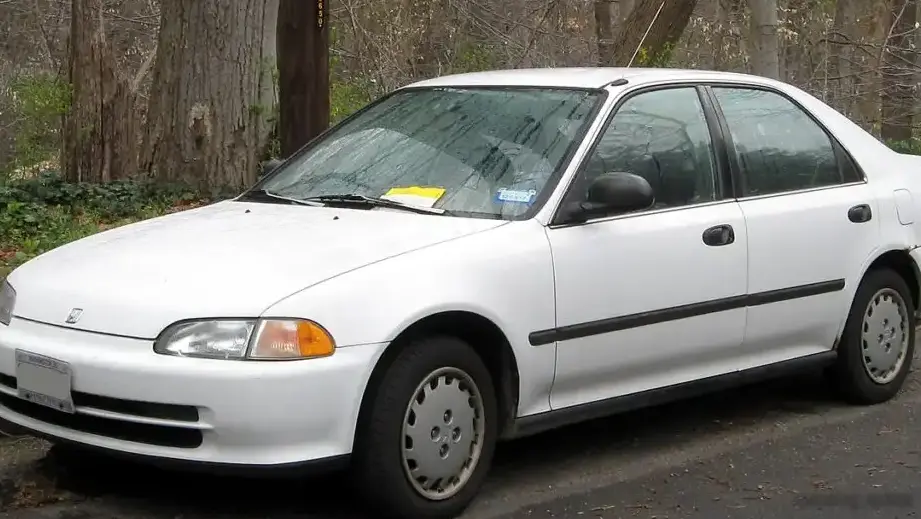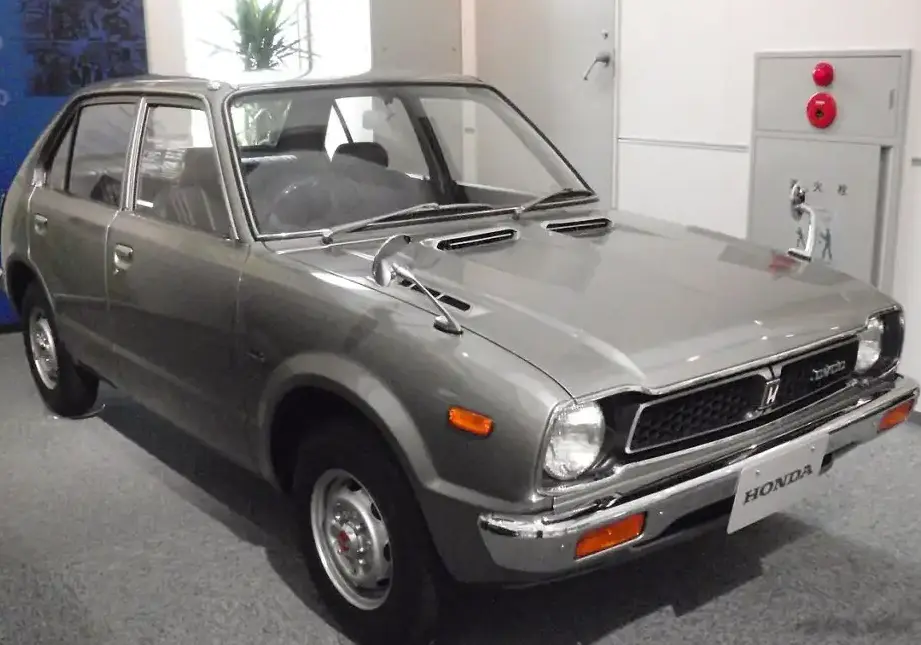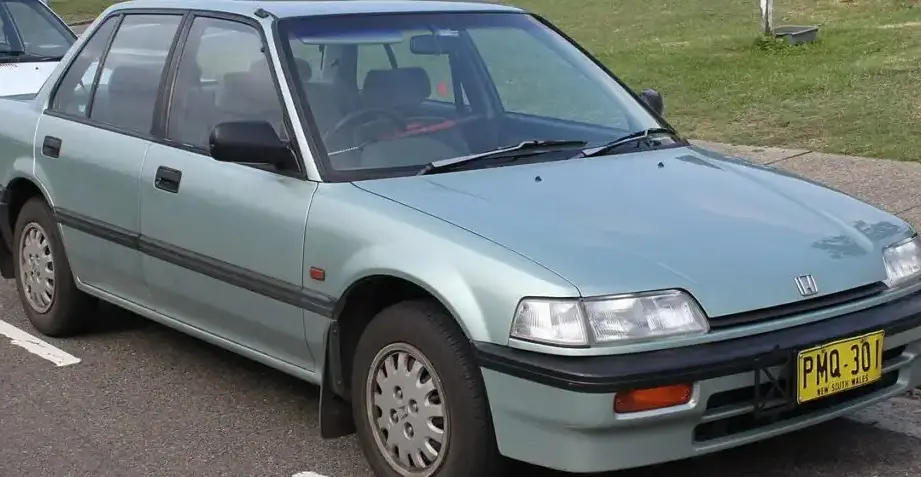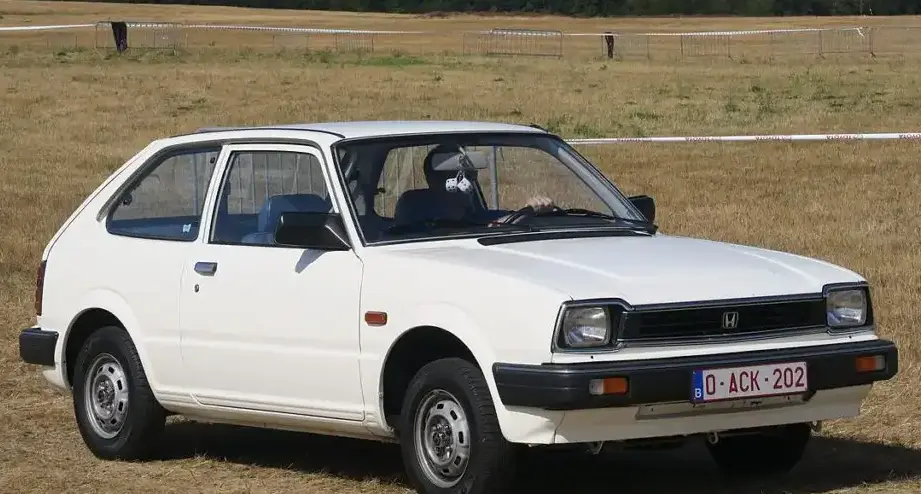
The Honda Civic III 1.5 GL, produced between 1983 and 1987, represents a significant evolution in Honda’s popular compact car line. Falling within the third generation of the Civic (1983-1987), the 1.5 GL trim occupied a middle ground in the lineup, offering a balance of affordability, fuel efficiency, and a reasonable level of equipment. This variant was primarily aimed at the North American market, where the Civic was gaining a strong foothold as a reliable and economical transportation option. The Civic III saw increased size and refinement compared to its predecessors, and the 1.5 GL specifically catered to buyers seeking a comfortable and practical sedan.
Technical Specifications
| Brand | Honda |
| Model | Civic |
| Generation | Civic III |
| Type (Engine) | 1.5 GL (86 Hp) |
| Start of production | 1983 |
| End of production | 1987 |
| Powertrain Architecture | Internal Combustion Engine |
| Body type | Sedan |
| Fuel Type | Petrol (Gasoline) |
| Power | 86 Hp |
| Engine Aspiration | Naturally Aspirated |
| Engine Displacement | 1.5 Liters |
| Transmission | Automatic (Typically 3-speed) |
| Wheelbase | 93.7 inches (2380 mm) |
| Length | 169.3 inches (4300 mm) |
| Width | 66.1 inches (1680 mm) |
| Height | 56.7 inches (1440 mm) |
| Curb Weight | 2,079 lbs (943 kg) approximately |
Powertrain & Engine Architecture
The heart of the Civic III 1.5 GL is its 1.5-liter, inline-four cylinder engine. This engine, typically designated as the A15A series, is a naturally aspirated unit known for its durability and fuel efficiency. The 86 horsepower output was achieved through a relatively simple engine design featuring a single overhead camshaft (SOHC) operating two valves per cylinder. Fuel delivery was managed by a carburetor, a common feature for vehicles of this era, though later models within the Civic III range began to incorporate fuel injection. The carburetor provided adequate fuel atomization for the engine’s modest power output. The engine block was constructed from cast iron, contributing to its robustness, while the cylinder head was made of aluminum alloy to reduce weight. The 1.5 GL was almost exclusively paired with a 3-speed automatic transmission. This transmission, while providing ease of use, was not known for its performance; it prioritized smooth shifts and fuel economy over rapid acceleration. The automatic transmission’s gear ratios were geared towards maximizing fuel efficiency at highway speeds, but resulted in slower acceleration from a standstill.
Driving Characteristics
The driving experience in a Civic III 1.5 GL with the automatic transmission is best described as comfortable and predictable. The 86 horsepower engine, coupled with the 3-speed automatic, delivers adequate power for everyday driving situations. Acceleration is not brisk, and passing maneuvers require planning. The automatic transmission’s shift points are relatively conservative, prioritizing fuel economy over aggressive performance. Compared to the 5-speed manual versions of the 1.5 GL, the automatic variant feels noticeably slower. The manual transmission allowed drivers to keep the engine in its optimal power band, resulting in quicker acceleration and a more engaging driving experience. However, the automatic offered a significant convenience advantage, particularly in urban traffic. Steering is light and precise, making the Civic easy to maneuver in tight spaces. The suspension, while not particularly sporty, provides a comfortable ride, absorbing bumps and imperfections in the road surface reasonably well. Overall, the 1.5 GL automatic is a practical and easy-to-drive vehicle, well-suited for commuting and everyday transportation.
Equipment & Trim Levels
The 1.5 GL trim level offered a step up in features compared to the base Civic models. Standard equipment typically included cloth upholstery, a basic AM/FM radio, and a heater/defroster system. The GL trim also featured upgraded interior trim and exterior brightwork. Optional extras available for the 1.5 GL included air conditioning, a more advanced stereo system, and upgraded wheel covers. The interior design was functional and straightforward, with clearly labeled controls and a relatively spacious cabin for a compact car. The dashboard layout was simple and easy to understand. The seats provided adequate support for both front and rear passengers. The 1.5 GL’s interior was designed with practicality and durability in mind, rather than luxury or sophistication.
Chassis & Braking
The Civic III utilized a front-wheel-drive layout with an independent front suspension featuring MacPherson struts and a rear suspension consisting of a torsion beam. This suspension setup provided a good balance of ride comfort and handling. The steering system was a rack-and-pinion setup, offering precise and responsive steering. Braking on the 1.5 GL typically consisted of front disc brakes and rear drum brakes. This configuration was adequate for the vehicle’s weight and performance, but lacked the stopping power of a four-wheel disc brake system. The brakes were mechanically operated, providing reliable stopping performance in most driving conditions. The chassis was relatively lightweight, contributing to the Civic’s fuel efficiency and nimble handling.
Market Reception & Comparison
The Civic III 1.5 GL was generally well-received by automotive critics and consumers alike. It was praised for its reliability, fuel efficiency, and affordability. However, the automatic transmission was often criticized for its sluggish performance. Compared to other trims in the Civic lineup, such as the 1.6 Si, the 1.5 GL offered less performance but greater fuel economy and a lower price point. The 1.6 Si, with its more powerful engine and sport-tuned suspension, appealed to drivers seeking a more engaging driving experience. The 1.5 GL, on the other hand, targeted buyers who prioritized practicality and economy. In terms of fuel economy, the 1.5 GL automatic typically achieved around 28-32 mpg in combined driving, making it a very economical choice for its time. Reliability was a major strength of the Civic III, and the 1.5 GL was known for its ability to withstand years of use with minimal maintenance.
Legacy
The Honda Civic III 1.5 GL has become a popular choice among classic car enthusiasts and collectors. Its simple design, reliable powertrain, and affordable price make it an attractive option for those seeking a vintage vehicle. The 1.5-liter engine, while not particularly powerful, is known for its durability and ease of maintenance. The automatic transmission, while not the most exciting component, is relatively reliable and can provide years of service with proper care. Today, well-maintained examples of the Civic III 1.5 GL are becoming increasingly rare and valuable. The car represents a significant chapter in Honda’s history, demonstrating the company’s commitment to building reliable, fuel-efficient, and affordable vehicles. The Civic III helped establish Honda as a major player in the North American automotive market, and the 1.5 GL trim played a key role in that success.