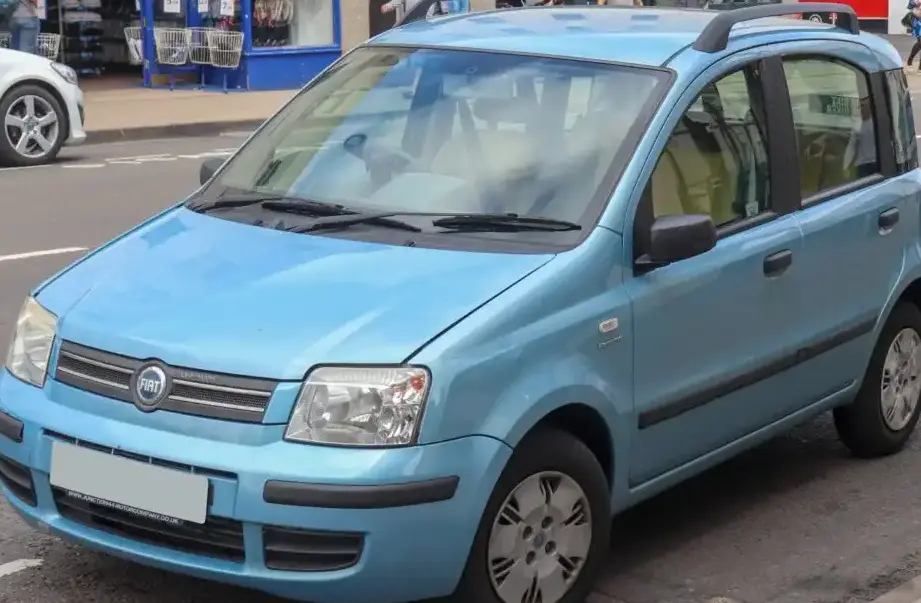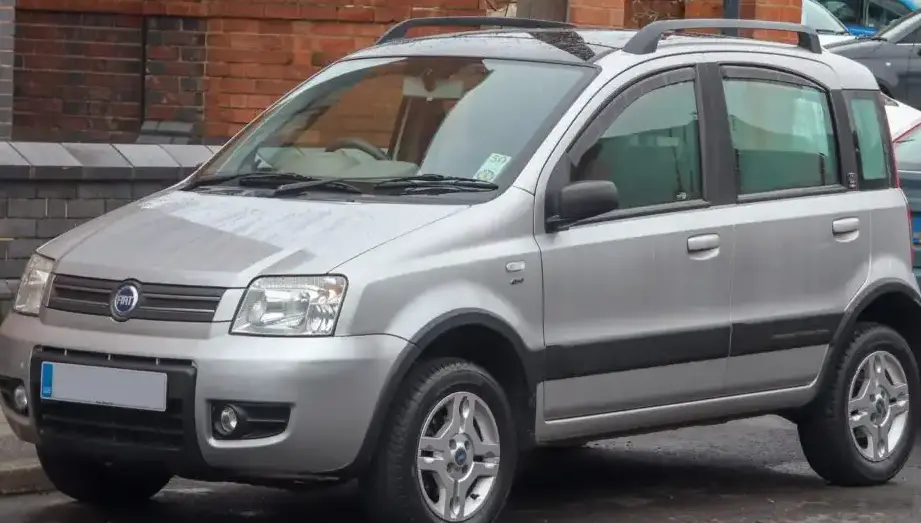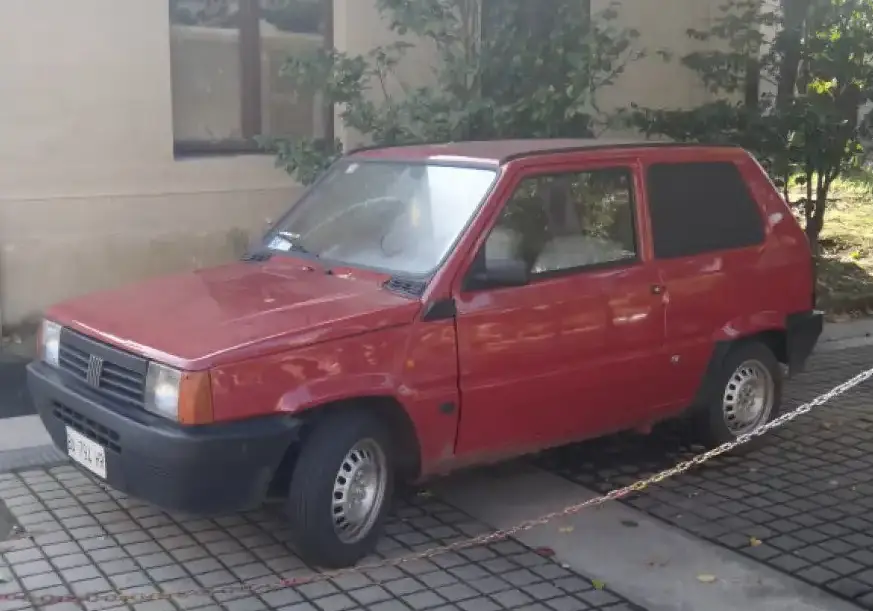
The Fiat Panda Van 1000, producing 44 horsepower, was a utilitarian variant of the iconic Fiat Panda, manufactured between 1986 and 1992. This version, based on the 141 series Panda, was specifically designed as a commercial vehicle, offering a cost-effective and compact solution for small businesses and tradespeople. It represented the most basic configuration of the Panda Van, prioritizing functionality over performance and comfort. The Panda Van 1000 occupied the entry-level position within the Panda Van lineup, sitting below the more powerful 1.0 Fire and diesel variants.
Technical Specifications
| Brand | Fiat |
| Model | Panda |
| Generation | Panda Van |
| Type (Engine) | 1000 (44 Hp) |
| Start of production | 1986 |
| End of production | 1992 |
| Powertrain Architecture | Internal Combustion engine |
| Body type | Minivan |
| Fuel Type | Petrol (Gasoline) |
| Power | 44 Hp |
| Engine Model/Code | 156 A2.100 |
| Engine aspiration | Naturally aspirated engine |
| Engine oil capacity | 3.8 l (4.02 US qt | 3.34 UK qt) |
| Coolant capacity | 5 l (5.28 US qt | 4.4 UK qt) |
Powertrain & Engine Architecture
The Fiat Panda Van 1000 was powered by the 156 A2.100 engine, a 999 cc inline-four cylinder petrol engine. This engine was a carryover from earlier Fiat models, known for its simplicity and robustness rather than outright performance. It featured a single overhead camshaft (SOHC) valvetrain operating two valves per cylinder. Fuel delivery was managed by a Weber carburetor, a common feature for vehicles of this era, providing a relatively simple and inexpensive fuel system. The engine’s modest 44 horsepower output was achieved at 6000 rpm, with peak torque of approximately 65 Nm (48 lb-ft) at 3000 rpm. The engine was mated to a four-speed manual transmission, as an automatic transmission was not offered on this base-level variant. The drivetrain was front-wheel drive, a standard configuration for the Panda.
Driving Characteristics
The driving experience of the Panda Van 1000 was decidedly utilitarian. With only 44 horsepower propelling a vehicle designed for carrying loads, acceleration was slow. The four-speed manual transmission required frequent shifting to maintain momentum, particularly when loaded. The gear ratios were optimized for fuel economy and low-speed torque, rather than spirited driving. Top speed was estimated to be around 125 km/h (78 mph), although maintaining this speed with a full load was unrealistic. The suspension, while simple, provided a reasonably comfortable ride, especially considering the vehicle’s commercial purpose. Compared to the later 1.0 Fire engine variant, the 1000cc engine felt significantly underpowered, with the Fire engine offering a noticeable improvement in both acceleration and overall drivability. The 1000cc engine was also less refined, exhibiting more engine noise and vibration.
Equipment & Trim Levels
The Panda Van 1000 was deliberately spartan in its equipment levels. It was designed to be a no-frills workhorse. Standard features were minimal, typically including basic instrumentation (speedometer, fuel gauge), a steering wheel, and cloth seats. The interior trim was basic, with hard plastic surfaces dominating the cabin. Windows were manually operated, and central locking was not available. Air conditioning, power steering, and even a radio were optional extras, rarely specified on this base model. The cargo area was the primary focus, offering a relatively spacious and practical load bay accessible through rear doors. The seats were typically covered in a durable, dark-colored cloth. The dashboard was a simple, functional design with minimal ornamentation.
Chassis & Braking
The Panda Van 1000 utilized a simple, yet effective chassis design. It featured an independent front suspension with MacPherson struts and a twist-beam rear suspension. This setup provided a reasonable balance between ride comfort and handling. The braking system consisted of drum brakes on all four wheels, which was typical for vehicles in this price range during the 1980s. The brakes were adequate for normal driving conditions, but lacked the stopping power of disc brakes. Steering was manual, requiring more effort than power steering systems. The vehicle’s relatively light weight helped to compensate for the basic braking and steering systems. Stabilizer bars were not typically fitted to the base Panda Van 1000, further emphasizing its focus on cost-effectiveness.
Market Reception & Comparison
The Fiat Panda Van 1000 was well-received in its target market – small businesses and tradespeople seeking an affordable and practical commercial vehicle. Critics acknowledged its simplicity and low running costs, but also noted its lack of performance and refinement. Compared to other small vans of the era, such as the Citroën C15 or Renault Express, the Panda Van 1000 offered a more compact footprint, making it easier to maneuver in urban environments. However, it lacked the cargo capacity of some of its competitors. Fuel economy was a strong point, with the 1000cc engine achieving around 6.5-7.5 liters per 100 kilometers (36-40 mpg) in real-world driving conditions. Reliability was generally good, thanks to the engine’s simple design, but maintenance was required to prevent issues associated with carburetor-based fuel systems. The 1.0 Fire engine variant offered a significant improvement in performance and fuel efficiency, but came at a higher price point.
Legacy
The Fiat Panda Van 1000, while not a performance icon, holds a significant place in automotive history as a symbol of affordable and practical transportation. The 156 A2.100 engine, while outdated by modern standards, proved to be remarkably durable and long-lasting. Today, surviving examples of the Panda Van 1000 are relatively rare, and are often sought after by collectors and enthusiasts who appreciate their simplicity and historical significance. The powertrain, while requiring regular maintenance, is generally considered reliable if properly cared for. In the used car market, these vans command modest prices, reflecting their age and utilitarian nature. The Panda Van 1000 represents a bygone era of automotive design, where functionality and affordability were prioritized over luxury and performance.