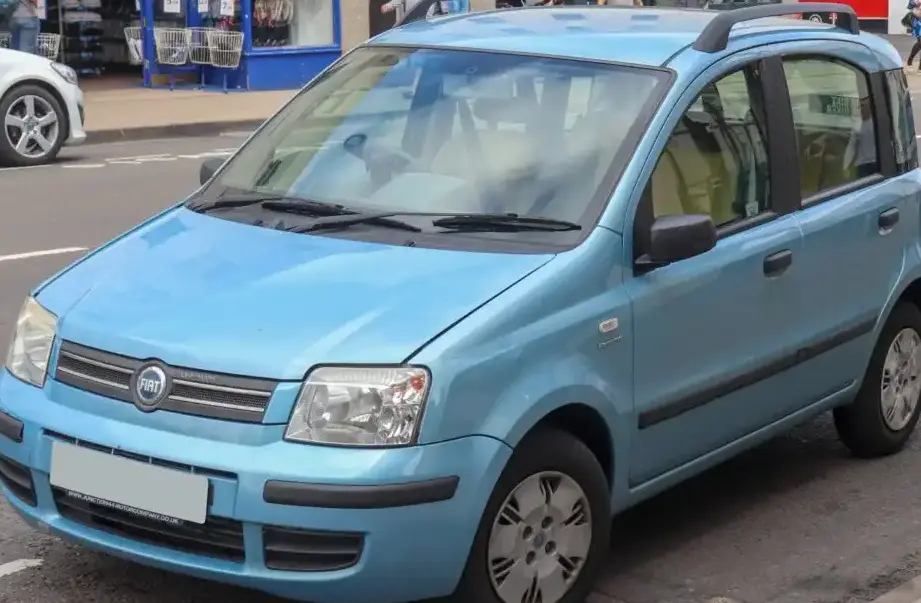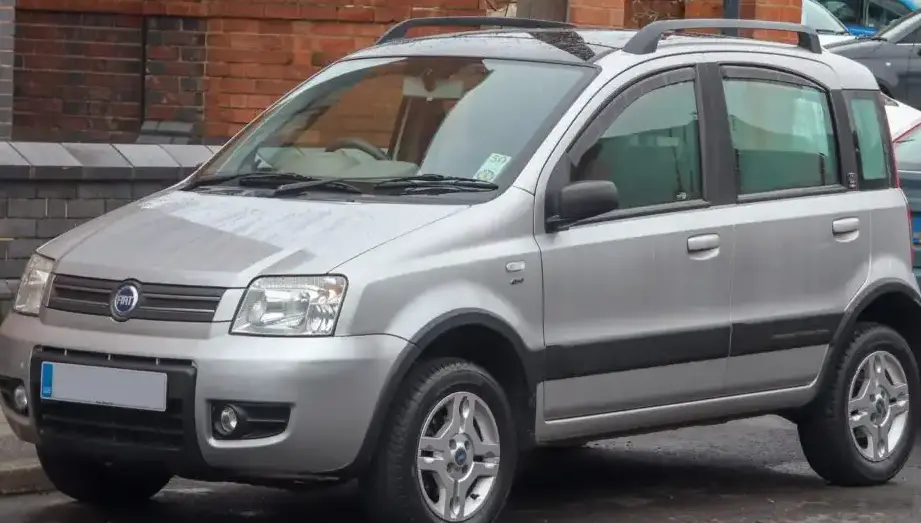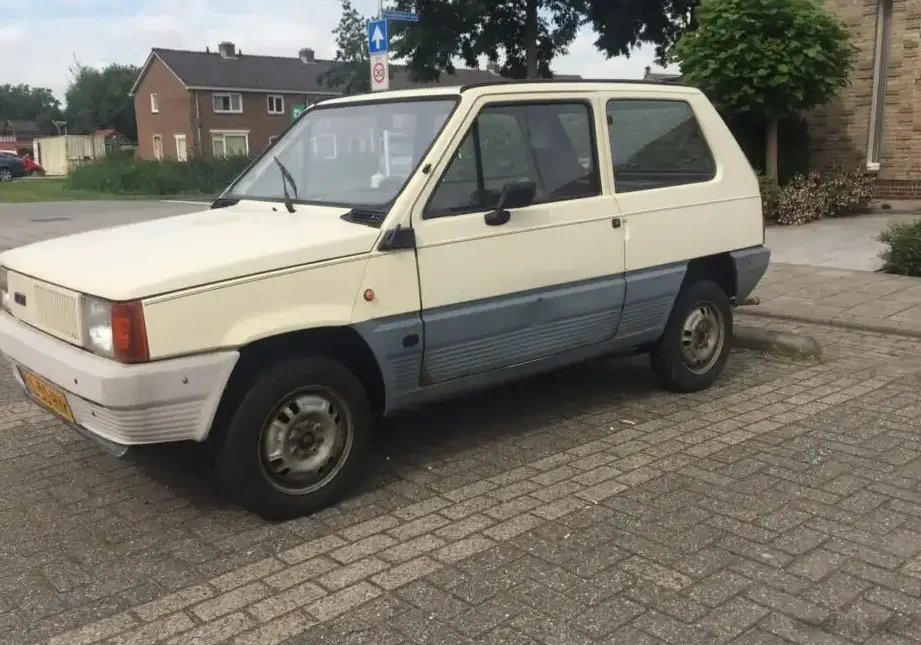
The Fiat Panda 4×4 1.0, produced between 1983 and 1985 (ZAF 141 series), represents a unique and surprisingly capable variant of the iconic Italian city car. Launched as part of the first-generation Panda lineup, this model combined the affordability and practicality of the standard Panda with a selectable four-wheel-drive system, making it a popular choice in regions with challenging terrain or inclement weather. It was a particularly notable offering in the early 1980s, offering all-wheel drive at a price point typically reserved for larger, more expensive vehicles. The 1.0 4×4 sat at the top of the Panda range, offering a level of utility not found in its two-wheel-drive siblings.
Technical Specifications
| Brand | Fiat |
| Model | Panda |
| Generation | Panda (ZAF 141) |
| Type (Engine) | 1.0 (48 Hp) 4×4 |
| Start of production | 1983 |
| End of production | 1985 |
| Powertrain Architecture | Internal Combustion engine |
| Body type | Hatchback |
| Seats | 5 |
| Doors | 3 |
| Fuel consumption (urban) | 5.5-7 l/100 km (42.8 – 33.6 US mpg, 51.4 – 40.4 UK mpg, 18.2 – 14.3 km/l) |
| Fuel consumption (extra urban) | 5 l/100 km (47 US mpg, 56.5 UK mpg, 20 km/l) |
| Fuel consumption (combined) | 5.5-6 l/100 km (42.8 – 39.2 US mpg, 51.4 – 47.1 UK mpg, 18.2 – 16.7 km/l) |
| Fuel Type | Petrol (Gasoline) |
| Power | 48 Hp |
| Engine layout | Front, Transverse |
| Engine Model/Code | A 112 B1.054 |
| Engine configuration | Inline |
| Fuel injection system | Carburettor |
| Engine aspiration | Naturally aspirated engine |
| Engine oil capacity | 3.8 l (4.02 US qt, 3.34 UK qt) |
| Coolant capacity | 5 l (5.28 US qt, 4.4 UK qt) |
| Drive wheel | All wheel drive (4×4) |
| Steering type | Steering rack and pinion |
Powertrain & Engine Architecture
The Panda 4×4 1.0 was powered by the A 112 B1.054 engine, a 965cc inline-four cylinder unit. This engine, derived from the Fiat 127, was known for its simplicity and durability, though not for outright performance. It utilized a single overhead camshaft and a two-valve per cylinder configuration. Fuel delivery was handled by a single Weber carburetor, a common setup for European cars of the era. The engine produced 48 horsepower at 6000 rpm and approximately 59 lb-ft of torque at 4000 rpm. The engine’s relatively low output was a compromise necessary to keep costs down and maintain reasonable fuel economy.
The four-wheel-drive system was a part-time setup, meaning it wasn’t constantly engaged. Power was transmitted to all four wheels via a transfer case and a second differential. A lever inside the cabin allowed the driver to switch between two-wheel drive, four-wheel drive high range, and four-wheel drive low range. The transmission was a four-speed manual, as an automatic transmission was not offered on this variant. The gearbox was chosen for its robustness and simplicity, aligning with the overall character of the vehicle.
Driving Characteristics
The Panda 4×4 1.0 was never intended to be a performance car. Acceleration was modest, with a 0-60 mph time estimated to be around 18-20 seconds. However, the four-wheel-drive system significantly enhanced its traction, particularly on loose surfaces like snow, gravel, or mud. The selectable drive modes allowed drivers to tailor the vehicle’s behavior to the conditions. In low range, the Panda 4×4 could navigate surprisingly challenging terrain. The steering, while not particularly precise, was light and made maneuvering in tight spaces easy. The suspension, consisting of independent front suspension and a rigid rear axle, provided a comfortable ride on paved roads, though it could feel somewhat bouncy when fully loaded or on rough terrain.
Compared to the standard Panda 1.0, the 4×4 version was noticeably heavier, which further impacted its performance. The added weight also slightly reduced fuel economy, though it remained relatively frugal compared to larger 4×4 vehicles. The 4×4 was also slower than the 1.5-liter versions of the Panda, which offered more power but lacked the all-wheel-drive capability.
Equipment & Trim Levels
The Panda 4×4 1.0 was relatively sparsely equipped, reflecting its affordable price point. Standard features included basic instrumentation, cloth upholstery, and a heater. Power steering and electric windows were not available. The interior was functional and utilitarian, with hard-wearing plastics and a simple dashboard layout. Optional extras were limited, but could include a sunroof and upgraded seat covers. The focus was on providing a practical and durable vehicle rather than luxury or refinement.
Chassis & Braking
The Panda 4×4 1.0 utilized a monocoque chassis construction. The front suspension featured independent coil springs and wishbones, while the rear suspension employed a rigid axle with leaf springs. Braking was provided by disc brakes on the front wheels and drum brakes on the rear wheels. The braking system was adequate for the vehicle’s weight and performance, but lacked the sophistication of more modern systems. The steering was a rack and pinion setup, providing reasonable control and feedback.
Market Reception & Comparison
The Fiat Panda 4×4 1.0 was well-received by critics and buyers alike, particularly in mountainous regions of Europe and in countries with harsh winters. It was praised for its affordability, practicality, and surprising off-road capability. It offered a unique combination of features that was not readily available in other vehicles at its price point. Compared to other small 4x4s of the era, such as the Suzuki Jimny, the Panda 4×4 was more affordable and easier to drive on paved roads, though it lacked the Jimny’s more serious off-road credentials. Fuel economy was competitive with other small cars, and reliability was generally good, thanks to the simplicity of the engine and drivetrain.
Legacy
The Fiat Panda 4×4 1.0 holds a special place in automotive history as a pioneering example of an affordable and capable small 4×4. It demonstrated that all-wheel drive didn’t have to be limited to expensive SUVs and luxury vehicles. Today, well-maintained examples are sought after by collectors and enthusiasts, particularly those who appreciate the vehicle’s unique character and historical significance. The powertrain, while simple, proved to be remarkably durable, and many examples are still on the road today. The Panda 4×4’s success paved the way for future generations of small 4x4s, and its legacy continues to influence the automotive industry.