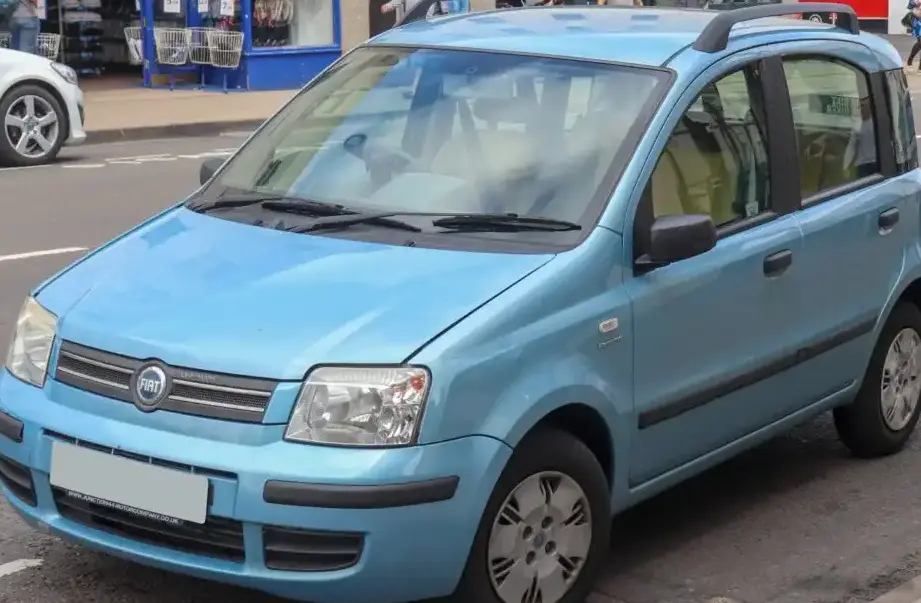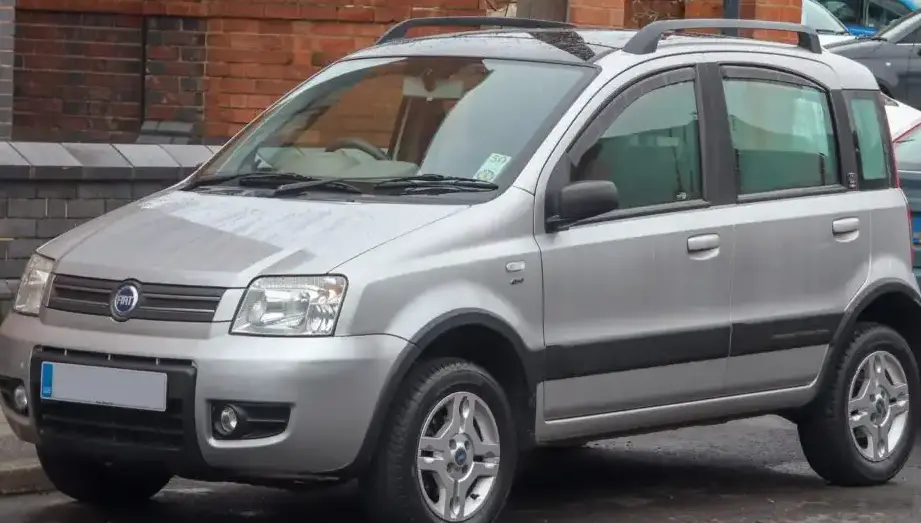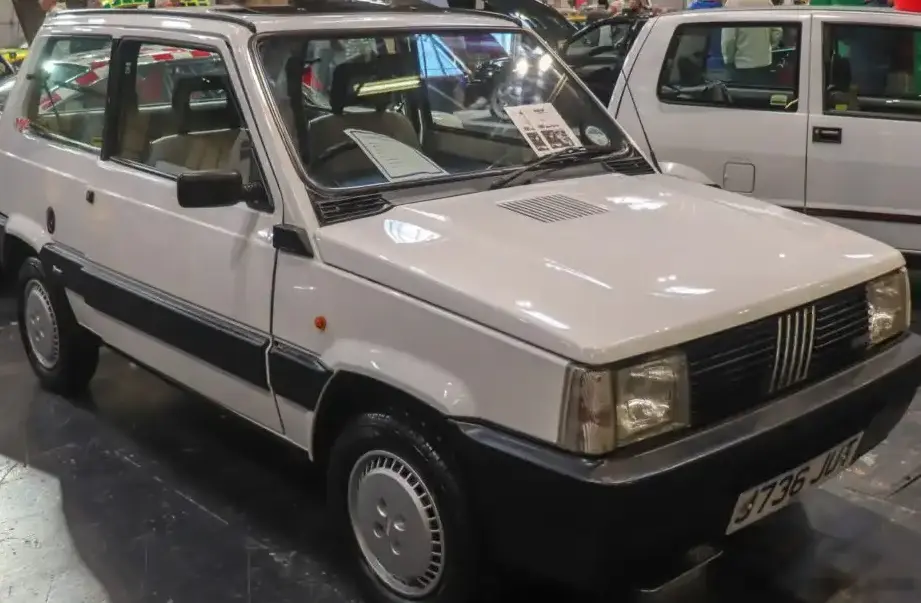
The Fiat Panda 1000 4×4, produced from May 1986 to June 1990, represents a unique and surprisingly capable variant within the ZAF 141 (facelifted) Panda lineage. This iteration of the iconic city car combined the practicality and affordability of the Panda with a rudimentary but effective four-wheel-drive system, broadening its appeal beyond purely urban environments. Positioned as a more adventurous and versatile option, the 1000 4×4 offered a distinct alternative to the standard two-wheel-drive models, though it came at a price premium. It was a product of its time, offering a simple, robust solution for navigating challenging conditions, particularly in rural Italy and other European regions with inclement weather or unpaved roads.
Technical Specifications
| Brand | Fiat |
| Model | Panda |
| Generation | Panda (ZAF 141, facelift 1986) |
| Type (Engine) | 1000 4×4 (44 Hp) |
| Start of production | May, 1986 |
| End of production | June, 1990 |
| Powertrain Architecture | Internal Combustion engine |
| Body type | Hatchback |
| Seats | 5 |
| Doors | 3 |
| Fuel Type | Petrol (Gasoline) |
| Power | 44 Hp |
| Engine Model/Code | 156 A2.100 |
| Engine aspiration | Naturally aspirated engine |
| Engine oil capacity | 3.8 l (4.02 US qt | 3.34 UK qt) |
| Coolant capacity | 5 l (5.28 US qt | 4.4 UK qt) |
Powertrain & Engine Architecture
The heart of the Panda 1000 4×4 is the 999 cc (61 cubic inch) Fiat 156 A2.100 inline-four cylinder engine. This engine, a mainstay of several Fiat models of the era, is a simple, overhead-valve design. It features a single overhead camshaft operating two valves per cylinder. Fuel delivery is managed by a Weber carburetor, a common setup for the time, prioritizing simplicity and cost-effectiveness over outright performance or fuel efficiency. The engine produces 44 horsepower at 6000 rpm and approximately 59 lb-ft of torque at 3000 rpm. While not a powerhouse, the engine’s torque curve is relatively flat, providing usable power at lower engine speeds. The engine is paired with a four-speed manual transmission, as an automatic transmission was not offered on the 4×4 variant. The 4×4 system itself is a manually engaging system, utilizing a lever to switch between two-wheel drive, four-wheel drive, and a limited-slip center differential lock. This system, while basic, proved surprisingly effective in providing traction on loose surfaces.
Driving Characteristics
The driving experience in the Panda 1000 4×4 is defined by its simplicity and ruggedness. Acceleration is modest, with a 0-60 mph time estimated around 18-20 seconds. However, the car’s light weight (around 1,575 lbs) and the relatively low gearing make it feel more sprightly around town. The four-wheel-drive system significantly enhances traction, allowing the Panda to confidently tackle slippery surfaces like snow, mud, and gravel. The steering is direct, though unassisted, requiring a bit of effort at low speeds. The suspension is basic – a MacPherson strut setup at the front and a trailing arm configuration at the rear – prioritizing durability over comfort. The ride can be bumpy on uneven roads, but the car feels stable and predictable. Compared to the standard Panda, the 4×4 exhibits noticeably improved grip and stability, particularly in adverse conditions. The manual transmission, while requiring more driver involvement than an automatic, provides precise control and contributes to the car’s engaging driving feel.
Equipment & Trim Levels
The Panda 1000 4×4 was relatively sparsely equipped, reflecting its affordable positioning. Standard features typically included cloth upholstery, basic instrumentation (speedometer, fuel gauge, temperature gauge), and a heater. Power steering, electric windows, and central locking were not available, even as options. The interior was functional and utilitarian, designed for durability rather than luxury. Trim levels were minimal; the 4×4 was essentially a single specification with limited customization options. Optional extras were rare, but could include roof racks and upgraded seat covers. The dashboard layout was simple and straightforward, with all controls within easy reach of the driver.
Chassis & Braking
The Panda 1000 4×4 utilizes a unibody construction, providing a good balance of strength and weight. The front suspension features MacPherson struts with anti-roll bar, while the rear employs a trailing arm setup. Braking is handled by disc brakes at the front and drum brakes at the rear. The braking system is adequate for the car’s performance and weight, but lacks the sophistication of more modern systems. The tires are typically narrow, prioritizing fuel economy and traction on loose surfaces over outright grip on paved roads. The 4×4 system adds significant weight to the vehicle, necessitating a slightly reinforced chassis and suspension components compared to the standard Panda.
Market Reception & Comparison
The Panda 1000 4×4 was generally well-received by critics and buyers alike, particularly in regions where all-wheel drive was a valuable asset. It was praised for its affordability, practicality, and surprising off-road capability. Compared to other small cars of the era, the Panda 4×4 offered a unique combination of features. It was significantly more affordable than dedicated off-road vehicles like the Suzuki Samurai, while offering better on-road manners than many of those rugged alternatives. Fuel economy, while not exceptional, was reasonable for a four-wheel-drive vehicle of its time, averaging around 35-40 mpg. Reliability was generally good, thanks to the engine’s simple design and robust construction. However, the 4×4 system required occasional maintenance, and the limited-slip differential could be prone to wear if subjected to extreme use.
Legacy
The Fiat Panda 1000 4×4 holds a special place in automotive history as a pioneering example of an affordable and accessible all-wheel-drive vehicle. It demonstrated that four-wheel drive didn’t have to be limited to expensive SUVs and off-road specialists. Today, the Panda 4×4 is a sought-after classic among enthusiasts, particularly those interested in vintage Italian cars. Well-maintained examples are becoming increasingly rare and valuable. The powertrain, while simple, is known for its durability, and many examples are still on the road today. The Panda 1000 4×4’s legacy extends beyond its technical specifications; it represents a spirit of ingenuity and practicality that continues to resonate with car lovers around the world. It’s a testament to the idea that a small, affordable car can still be capable and fun to drive, even in challenging conditions.